Car Wash Sponges
Source high-quality bulk car wash sponges from vetted suppliers and manufacturers across Asia. Designed for importers, wholesale distributors, and auto care brands seeking reliable OEM and private-label production, our network delivers consistent material density and durability for professional detailing and retail markets.
Sourcing car wash sponges at scale requires more than just picking a color and shape. The core challenge for volume buyers lies in specifying the correct foam density, pore structure, and material composition to ensure the sponge performs without deteriorating or scratching automotive clear coats. When purchasing in bulk, minor variations in the foaming process or microfiber GSM (Grams per Square Meter) can drastically impact both the product's lifespan and your brand's reputation.
Material Specifications and Density Metrics
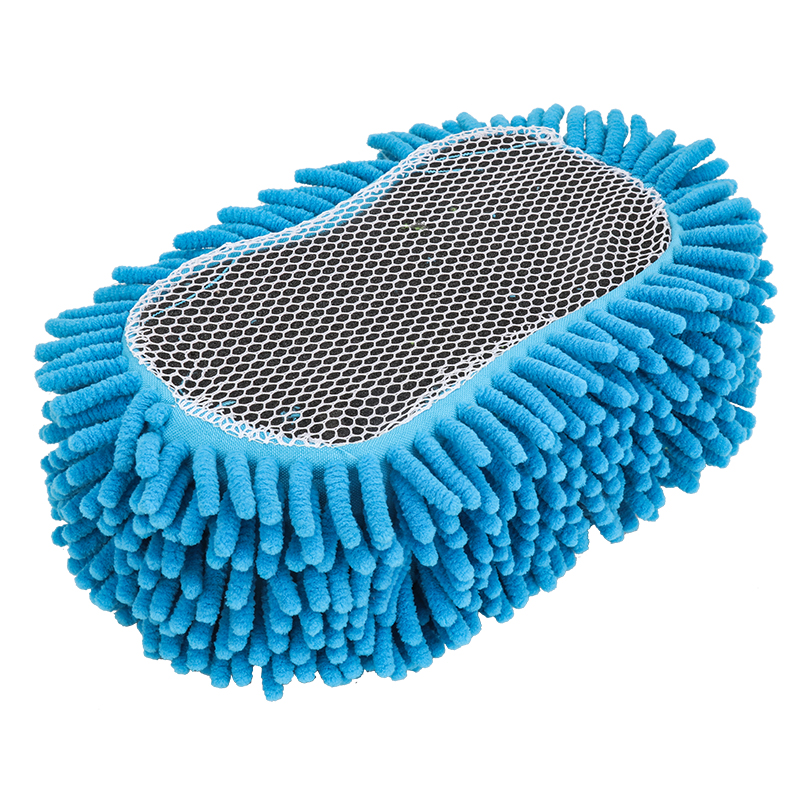
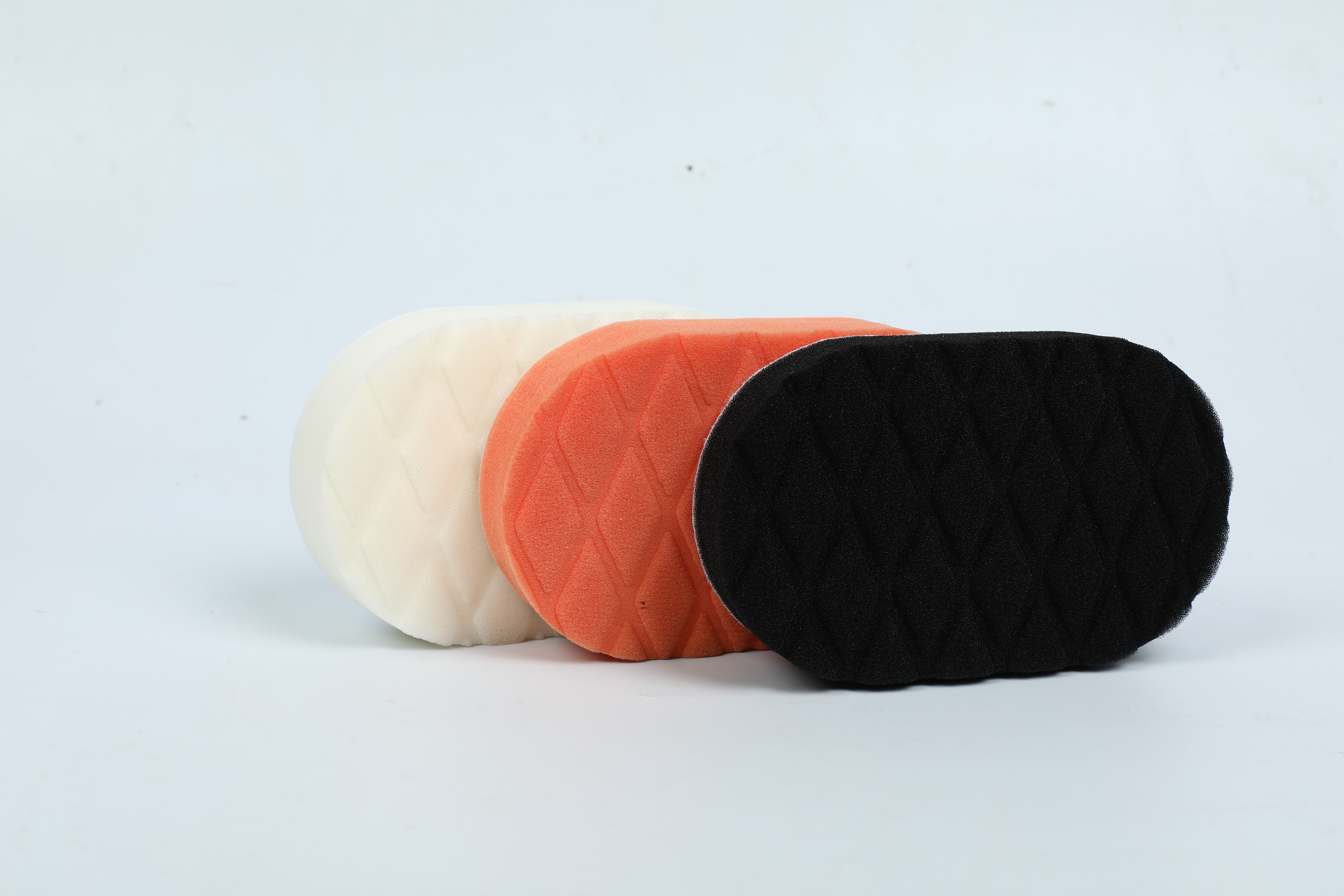
The performance of a car wash sponge is dictated by its base material and cellular structure. Standard sponges rely on Polyurethane (PU) foam, while premium variants use microfiber or chenille covers over a high-density PU or EVA foam core.
When negotiating with manufacturers, you must specify the exact density (measured in kg/m³) and PPI (Pores Per Inch). A higher PPI indicates a tighter, softer foam, while a lower PPI offers larger pores that trap dirt safely away from the paint surface.
| Material Type | Typical Density / GSM | Primary Application | Cost Profile |
|---|---|---|---|
| Standard PU Foam | 20 to 30 kg/m³ | Entry-level retail, bulk wholesale | Low |
| Cellulose | High absorbency, plant-based | Eco-friendly retail lines | Medium to High |
| Microfiber Chenille (over PU core) | 800 to 1200 GSM (cover) | Premium retail, professional detailing | Medium |
| Coral Fleece (over EVA core) | 400 to 600 GSM (cover) | Delicate finishes, wax application | Medium |
Struggling to match a specific foam density or microfiber GSM? We can translate your technical requirements directly to capable manufacturers.
Talk to our teamManufacturing Tolerances and Quality Control
Inconsistent chemical mixing during the PU foaming process leads to uneven density, causing sponges to tear easily or lose their shape after a few uses. For microfiber-covered sponges, the failure point is almost always the stitching or the quality of the internal core. Implementing strict Quality Control & Inspection protocols is essential before the goods leave the factory.
Critical Factory-Level QC Checks
- Compression Recovery: The foam must return to its original shape within 3 seconds after maximum compression.
- Tear Resistance: Checking the tensile strength of the PU foam to prevent crumbling during aggressive scrubbing.
- Seam Integrity: For chenille and microfiber pads, ensuring hidden internal stitching prevents the cover from slipping off the core.
- Colorfastness: Testing dye stability to ensure the sponge does not bleed color when exposed to heavy-duty automotive shampoos or degreasers.
OEM Customization and Packaging Strategy
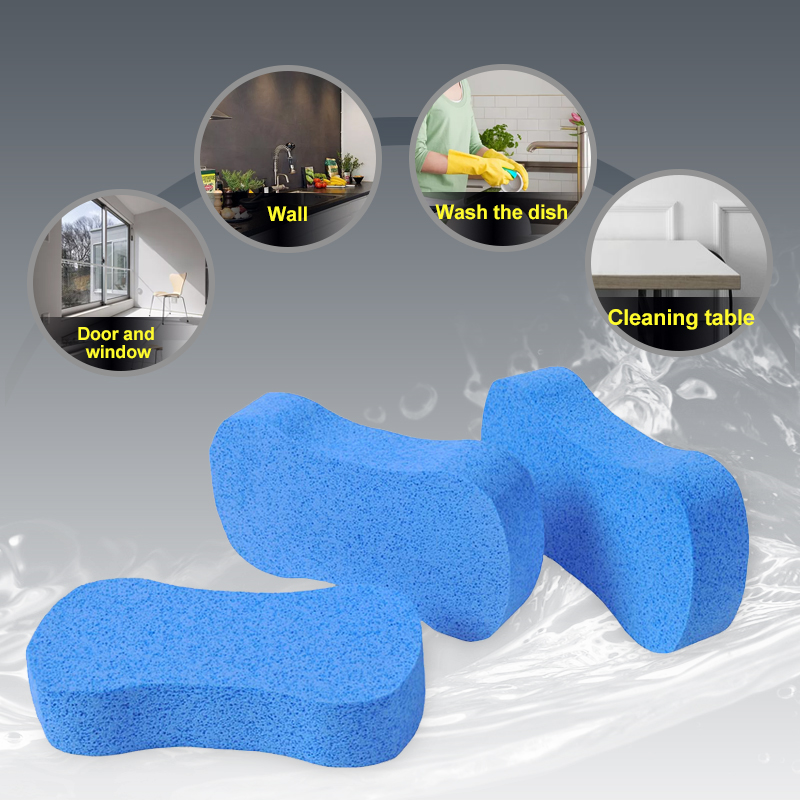
Most factories offer extensive OEM/ODM Services for car wash sponges. You can specify custom shapes (such as the ergonomic figure-8 or bone shape, which are easier to grip when wet), custom colors, and branded packaging.
Because sponges are highly voluminous, packaging is a critical factor in your landed cost. Shipping sponges in their fully expanded state means you are paying to ship air. Vacuum packing is the industry standard for reducing freight volume. However, the factory must use a foam formulation capable of recovering from prolonged vacuum compression without permanent deformation. Partnering with experts in Branding & Design can help you develop retail-ready packaging that accommodates vacuum-sealed delivery.
Typical MOQs, Lead Times, and Freight Optimization
Pricing and MOQs vary significantly based on material and customization. Standard, off-the-shelf PU sponges often have lower barriers to entry, while custom-dyed microfiber or unique molded shapes require higher commitments to justify the factory's setup costs.
Need to optimize your landed costs? We can negotiate MOQs and manage vacuum-packed freight consolidation for your sponge orders.
Get a free consultationFrequently Asked Questions
Securing a reliable supply of car wash sponges requires balancing material density, manufacturing consistency, and intelligent freight packing. By treating the sponge as a technical textile rather than a simple commodity, you can avoid costly defect rates and deliver a superior product to your buyers. If you need boots on the ground to vet factories, verify foam densities, and manage the complexities of vacuum-packed shipping, our sourcing team is ready to assist.
Get Sourcing Help for Car Wash Sponges
Tell us your requirements and our experts will connect you with verified manufacturers.