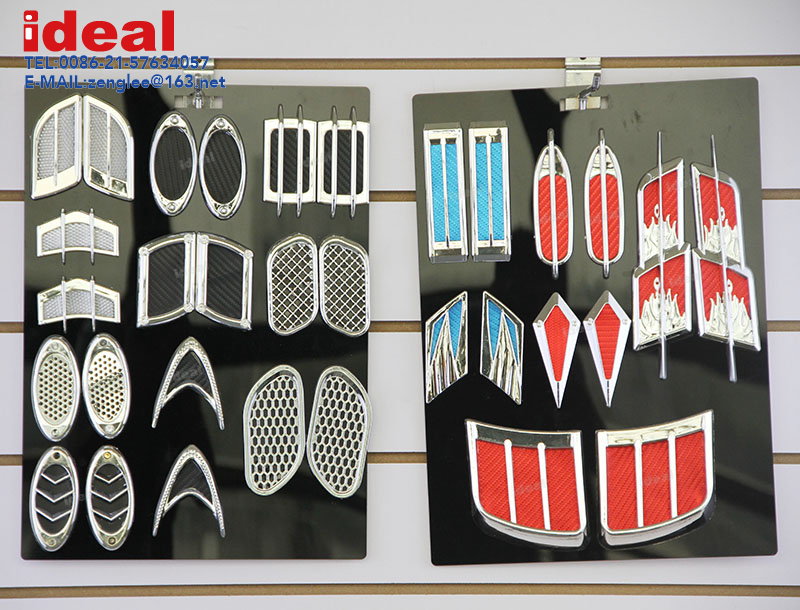
Car Stickers
Source premium bulk Car Stickers directly from vetted Chinese manufacturers and suppliers. Designed for automotive accessory distributors, wholesalers, and brands seeking reliable OEM and private-label production, our network delivers durable, weather-resistant decals tailored to your exact specifications.
Procuring car stickers in high volumes requires balancing unit economics with strict exterior performance standards. Automotive decals face harsh environmental conditions—constant UV exposure, temperature fluctuations, chemical washes, and abrasive road debris. For B2B buyers, success depends on specifying the correct base materials, inks, and adhesives before production begins, rather than discovering failure rates after distribution.
Material Specifications: Vinyl and Adhesive Selection
The foundation of any exterior vehicle decal is the polymer film and its adhesive backing. Specifying generic "vinyl" to a factory often results in the cheapest monomeric material, leading to shrinkage, edge curling, and rapid fading.
For reliable exterior performance, you must define the manufacturing method of the vinyl film and the chemical makeup of the adhesive.
| Material Type | Lifespan | Ideal Application | Cost Profile |
|---|---|---|---|
| Monomeric Calendered | 1-2 years | Short-term promotions, flat surfaces | Low |
| Polymeric Calendered | 3-5 years | Slight curves, standard bumper stickers | Medium |
| Cast Vinyl | 5-8+ years | Complex vehicle contours, long-term branding | High |
Adhesive and Liner Requirements
Automotive applications demand solvent-based acrylic adhesives. Water-based adhesives will fail under heavy rain or car wash conditions. When discussing custom runs with OEM/ODM Services, specify whether the adhesive should be permanent or removable. High-quality removable adhesives should leave zero residue if removed within their specified lifespan.
Additionally, specify the release liner. A standard 120g to 140g PE-coated kraft paper ensures the sticker remains flat during transport and storage, preventing the "tunneling" effect where the vinyl separates from the backing paper before use.
Need help defining technical specifications for your custom decal line? Let our sourcing experts match you with the right factory.
Talk to our teamManufacturing Processes and Quality Control
The printing method directly impacts both the minimum order quantity and the UV resistance of the final product.
- Screen Printing: Ideal for high-volume, spot-color designs. It lays down a thick layer of ink that provides excellent natural UV resistance.
- UV Digital Printing: Best for full-color, complex graphics. The inks are cured instantly via UV light, offering strong durability.
- Eco-Solvent Printing: Cost-effective for medium runs but absolutely requires a UV-protective overlaminate to prevent fading within the first year.
Regardless of the printing method, an overlaminate (a clear protective film applied over the printed layer) is non-negotiable for premium car stickers. It protects against abrasion and extends the color life significantly.
Catching Defects on the Factory Floor
Defects in die-cutting and lamination are common when factories rush production. Inadequate kiss-cutting (where the blade cuts through the vinyl but not the backing) will frustrate end-users, while misaligned lamination causes edge peeling. Implementing robust Quality Control & Inspection protocols before shipment is critical to protect your brand's reputation.
Pre-Shipment Inspection Focus Areas
- Adhesive peel strength and shear resistance testing
- Kiss-cut depth accuracy (must not score the release liner)
- Color fastness and UV accelerated weathering results
- Lamination alignment (no trapped dust or silvering/bubbles)
- Dimensional accuracy and registration of die-cuts
Conducting Factory Audits prior to placing large orders ensures the manufacturer possesses the necessary climate-controlled environments; high humidity during printing or lamination traps moisture, leading to premature product failure.
Pricing, MOQs, and Lead Times
Unit costs for car stickers are highly sensitive to dimensions, material grade, and order volume. Tooling costs for custom die-cuts are generally negligible, making this an accessible category for broad SKU expansion.
Prices drop significantly at the 10,000-piece mark as setup times are amortized. When planning your supply chain, factor in the weight of bulk paper liners; while car stickers are compact, high-volume orders become dense and heavy, impacting freight calculations.
Optimize your unit costs and streamline your supply chain. Speak with our team to analyze your current sourcing strategy.
Get a free consultationFrequently Asked Questions
Sourcing car stickers at scale is an exercise in material science and precise quality control. By defining your exact vinyl grades, adhesive types, and lamination requirements upfront, you eliminate the guesswork and ensure a reliable product that withstands the elements.
Get Sourcing Help for Car Stickers
Tell us your requirements and our experts will connect you with verified manufacturers.