Car Seats
Source aftermarket car seats in bulk directly from vetted manufacturers and wholesale suppliers. Designed for automotive distributors, importers, and brands seeking reliable OEM or private-label production, our network delivers high-margin vehicle seating solutions engineered for safety, ergonomics, and durability.
Sourcing aftermarket car seats in volume requires balancing structural safety and ergonomic design with aggressive freight economics. Whether you are importing universal replacement seats, commercial vehicle seating, or specialized racing buckets, the factory's material selection and structural engineering dictate the product's viability in your market.
To build a profitable, compliant seating program, buyers must look past surface aesthetics and validate the underlying frame construction, foam density, and mechanism reliability.
Structural Engineering and Material Specifications
The core of any automotive seat is its frame and cushioning. Manufacturers typically offer three primary frame types, each dictating the seat's weight, rigidity, and target market.
| Frame Material | Typical Application | Weight/Rigidity Profile | Cost Tier |
|---|---|---|---|
| Tubular Steel | Universal aftermarket, commercial | Heavy / Moderate rigidity | Low to Medium |
| Fiberglass (FRP) | Entry-level racing, sports tuners | Lightweight / High rigidity | Medium to High |
| Carbon Fiber / Kevlar | Professional motorsport, luxury OEM | Ultra-light / Maximum rigidity | Premium |
Beyond the frame, high-resilience cold-cure polyurethane foam is standard for automotive applications. For daily driving or commercial use, foam density should sit between 40 and 55 kg/m3 to prevent premature flattening. Racing applications may utilize higher-density memory foams in strategic impact zones.
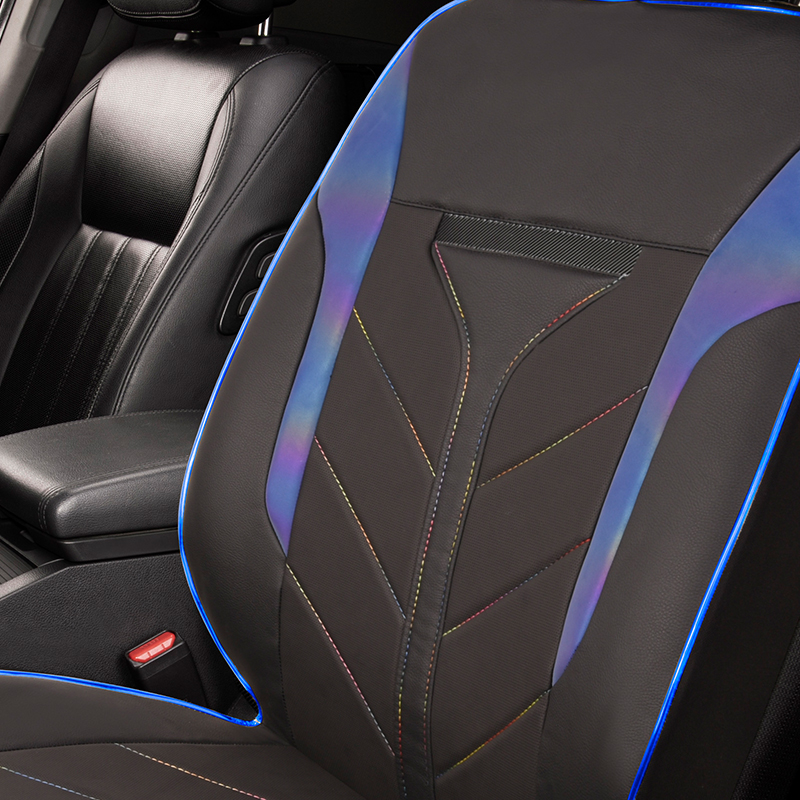
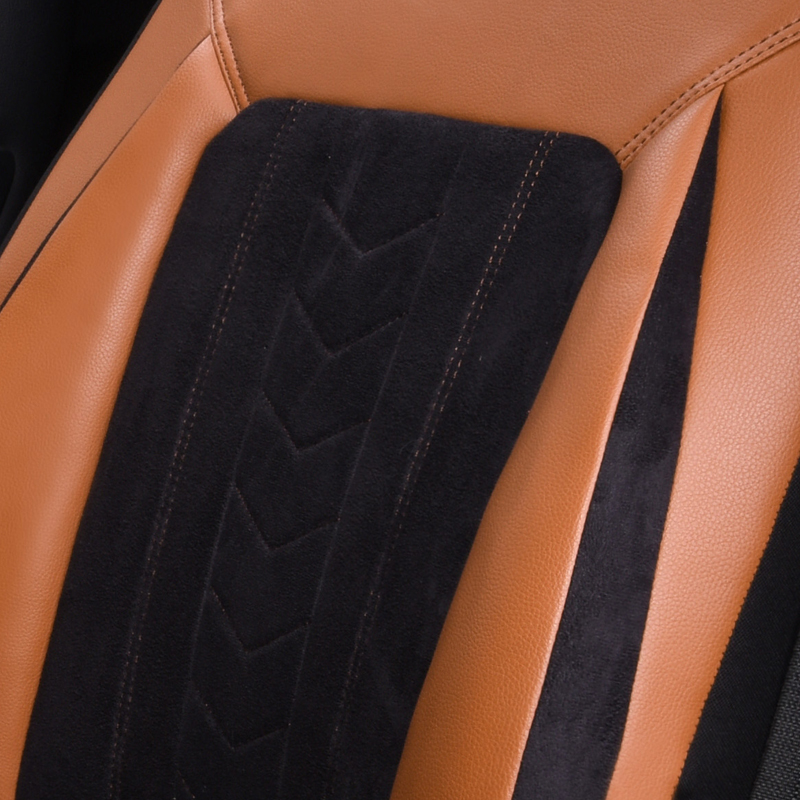
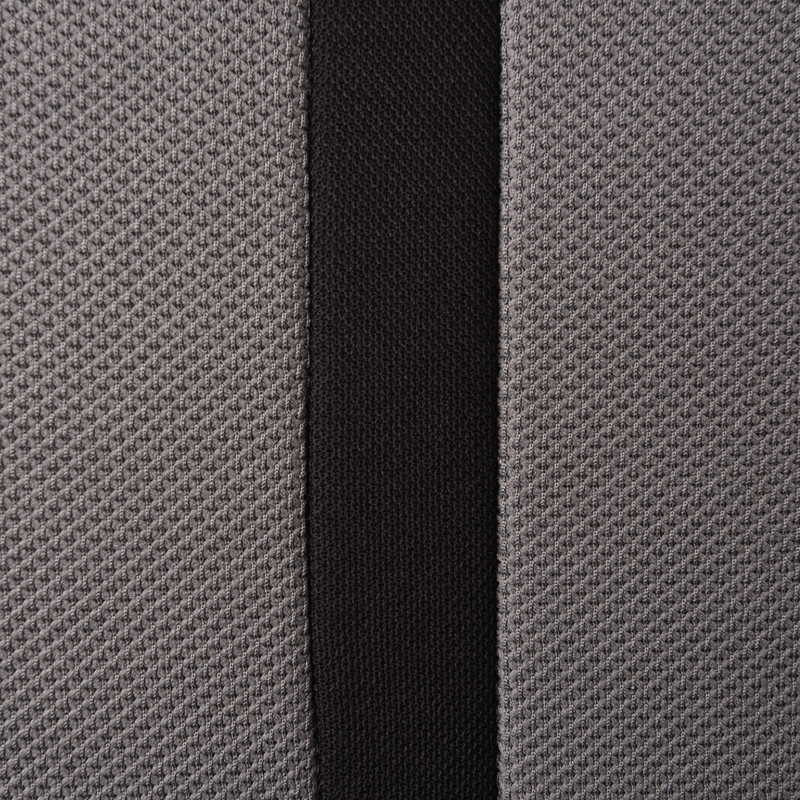
When establishing your product line, utilizing specialized OEM/ODM Services allows you to customize foam molds, specify exact upholstery grades (such as UV-resistant PU leather, Alcantara, or flame-retardant jacquard), and integrate proprietary heating or ventilation modules.
Looking to develop a custom automotive seating line? Our sourcing experts can match you with the right factory.
Discuss Your OEM RequirementsManufacturing Tolerances and Quality Control
Car seat manufacturing involves metal fabrication, chemical injection molding, and highly skilled cut-and-sew operations. Inconsistencies on the factory floor often manifest as misaligned mounting points, jammed slider rails, or puckered upholstery seams.
Critical In-Line Inspection Points
- Frame weld integrity and anti-rust electrophoretic coating uniformity
- Foam density consistency and proper bonding to the internal frame
- Recliner mechanism engagement and dual-locking slider rail smoothness
- Upholstery tension, seam straightness, and French seam durability
- Mounting bracket alignment and dimensional tolerance (±2mm)
Implementing rigorous Quality Control & Inspection protocols—specifically checking mechanism cycle-testing and seam strength—is essential before seats are packed. A faulty reclining gear discovered after container arrival results in total product loss.
Compliance and Safety Standards
Aftermarket seats must meet regional safety regulations regarding seat anchorage strength, flammability, and rearward displacement.
- North America: FMVSS 207 (Seating Systems) and FMVSS 302 (Flammability of Interior Materials).
- Europe: ECE R17 approvals.
- Motorsport: FIA 8855-1999 or 8862-2009 homologation for competition seats.
Certification Verification
Never accept a supplier's claim of "FIA style" or "FMVSS compliant" at face value. Proper Compliance & Testing requires verifying valid, third-party laboratory reports tied specifically to the factory's production run, not just the raw materials.
MOQs, Lead Times, and Freight Economics
Car seats are high-volume, low-density cargo. Freight economics will severely impact your landed cost. Standard practice is to ship seats partially knocked down (PKD) or with the backrests folded flat to maximize container utilization.
Pricing is heavily influenced by the reclining mechanisms (single vs. dual gear), rail quality, and upholstery material. High-end PU leather or genuine leather will significantly increase the unit cost compared to standard PVC or fabric.
Struggling with high shipping costs for automotive seats? Let our logistics team optimize your container loads.
Get a Freight & Sourcing QuoteFrequently Asked Questions
Successfully sourcing car seats requires strict oversight of raw materials, mechanical tolerances, and container loading strategies. By partnering with vetted manufacturers who understand international safety standards and efficient packaging, you can build a highly competitive automotive interior catalog.
Get Sourcing Help for Car Seats
Tell us your requirements and our experts will connect you with verified manufacturers.