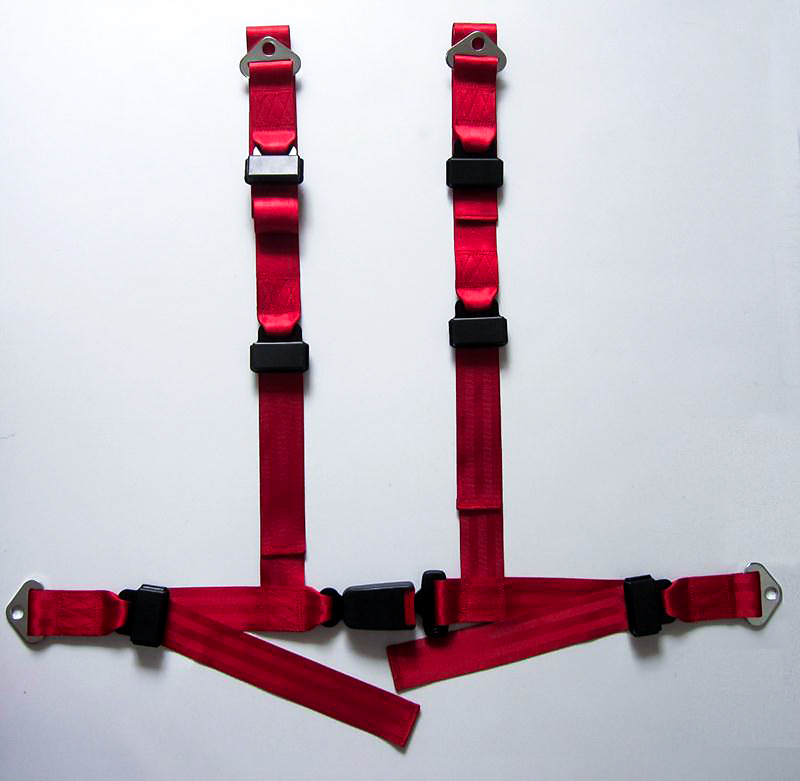
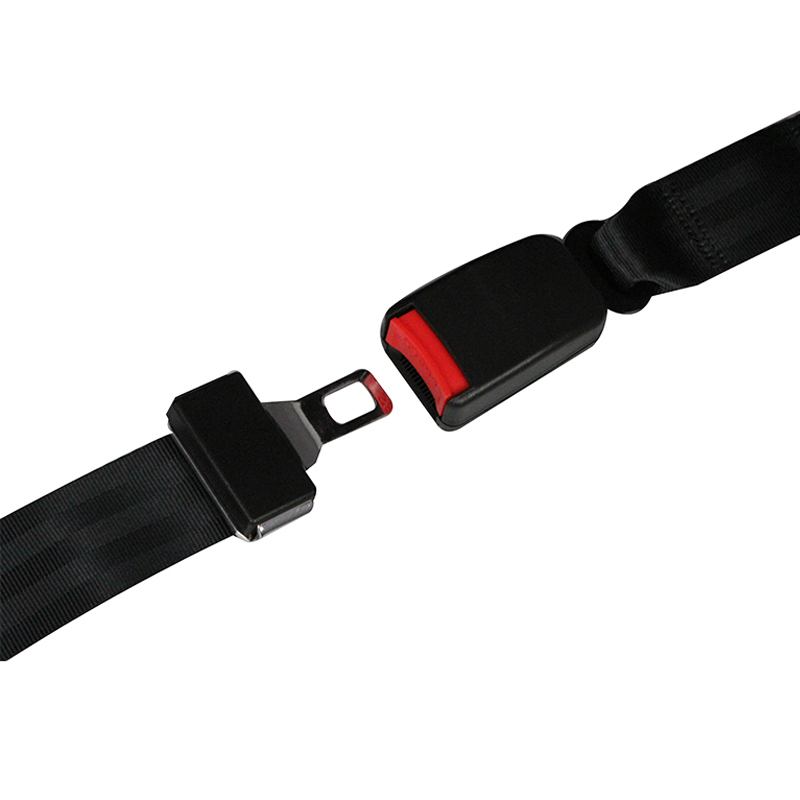
Car Safety Belts
Source premium car safety belts from vetted manufacturers and suppliers across Asia. Designed for automotive importers, aftermarket distributors, and brands requiring reliable OEM and ODM production, our wholesale catalog offers direct bulk purchasing options. Secure certified, compliant safety restraints for your automotive supply chain.
Sourcing car safety belts requires navigating a zero-tolerance manufacturing environment. As a critical life-saving restraint system, every component—from the webbing's tensile strength to the retractor's lock-up sensitivity—must meet exacting international standards. The primary challenge for volume buyers is filtering out aftermarket suppliers who assemble uncertified components, and instead partnering with factories that maintain strict, auditable quality management systems and in-house testing capabilities.
Technical Specifications & Material Selection
When contracting a manufacturer for bulk safety belt production, specifying the exact materials and mechanisms is non-negotiable. Substituting inferior materials directly impacts regulatory compliance and user safety.
Webbing Materials
Modern automotive seat belts rely almost exclusively on high-tenacity polyester (PET) yarn. Unlike nylon, which degrades under prolonged UV exposure and stretches excessively upon impact, high-tenacity polyester offers superior dimensional stability and abrasion resistance.
Buyers must specify the webbing's tensile strength (typically required to withstand forces exceeding 26 kN) and the elongation percentage under load. The factory controls this during the heat-setting phase of production, which locks the yarn structure to prevent excessive stretching during a collision.
Retractor Mechanisms
The retractor is the mechanical heart of the safety belt. Sourcing the correct retractor type depends heavily on your target market and vehicle application.
| Retractor Type | Locking Mechanism | Primary Application |
|---|---|---|
| ELR (Emergency Locking Retractor) | Locks only during rapid deceleration or severe tilt | Standard front and rear passenger seating |
| ALR (Automatic Locking Retractor) | Locks automatically when pulled out and allowed to retract | Child seat securing, heavy machinery, forklifts |
Ensure your safety belt supplier meets stringent international automotive standards before you place an order.
Talk to our teamManufacturing Tolerances & Quality Control
The difference between a compliant safety belt and a liability lies in the factory's quality control infrastructure. Final assembly is only a small part of the equation; the real risk mitigation happens during component manufacturing.
Conducting thorough Factory Audits is essential to verify that a supplier holds valid IATF 16949 certification (the automotive industry quality management standard) rather than just a generic ISO 9001 certificate.
Critical Factory Floor Verifications
- In-house dynamic sled testing capabilities for batch verification.
- Cycle testing equipment for retractors and buckles (minimum 50,000 cycles).
- Salt spray chambers to test the corrosion resistance of metal tongues and brackets.
- Automated bartack sewing machines with optical thread-break sensors to ensure stitch integrity.
If a factory relies entirely on third-party labs for basic batch testing, their lead times will be longer, and their internal defect rate is likely higher. Implementing rigorous Quality Control & Inspection before shipment ensures that the tensile strength, lock-up angle, and buckle release force all meet your specified tolerances.
Navigating Certifications & Compliance
Safety belts are heavily regulated, and importing them requires flawless documentation. The specific certification depends entirely on your target market:
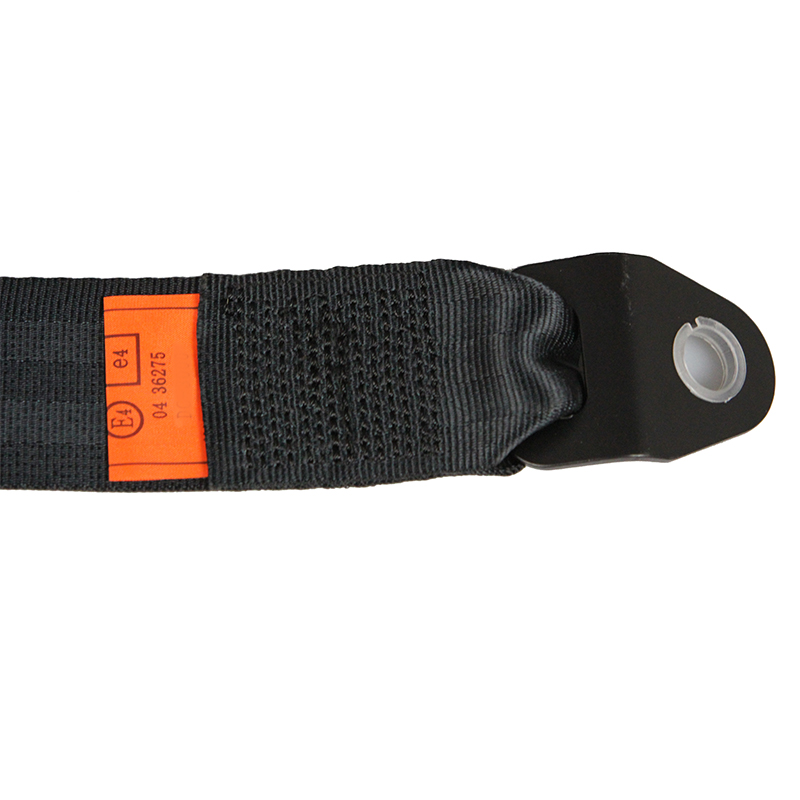
- ECE R16: The standard for the European Union and many other global markets. Requires an "E-mark" homologation.
- FMVSS 209 & 213: The mandatory standards for the United States market, governing seat belt assemblies and child restraint systems.
- CCC: Mandatory for the Chinese domestic market.
Never accept a factory's claim of "compliance" at face value. Buyers must utilize professional Compliance & Testing services to verify that the factory's lab reports are current, valid, and issued by an accredited homologation authority for the exact belt model you are purchasing.
Pricing, MOQ, and Lead Times
Because safety belts are standardized safety components, economies of scale heavily dictate pricing. Customization is possible but requires volume.
For brands requiring custom buckle designs, branded webbing, or specific retractor housing shapes, OEM/ODM Services can facilitate the necessary plastic injection and metal stamping tooling. Expect tooling lead times to add 4 to 6 weeks to your initial production schedule, alongside upfront mold fees.
Streamline your automotive accessory supply chain with verified factories and expert production oversight.
Get a free consultationFrequently Asked Questions
Sourcing automotive safety restraints leaves no room for guesswork. By partnering with factories that possess verifiable automotive quality management systems and in-house testing infrastructure, you protect your brand and your end-users. When you are ready to scale your procurement with vetted manufacturers, professional sourcing oversight ensures your specifications are met on every single order.
Get Sourcing Help for Car Safety Belts
Tell us your requirements and our experts will connect you with verified manufacturers.