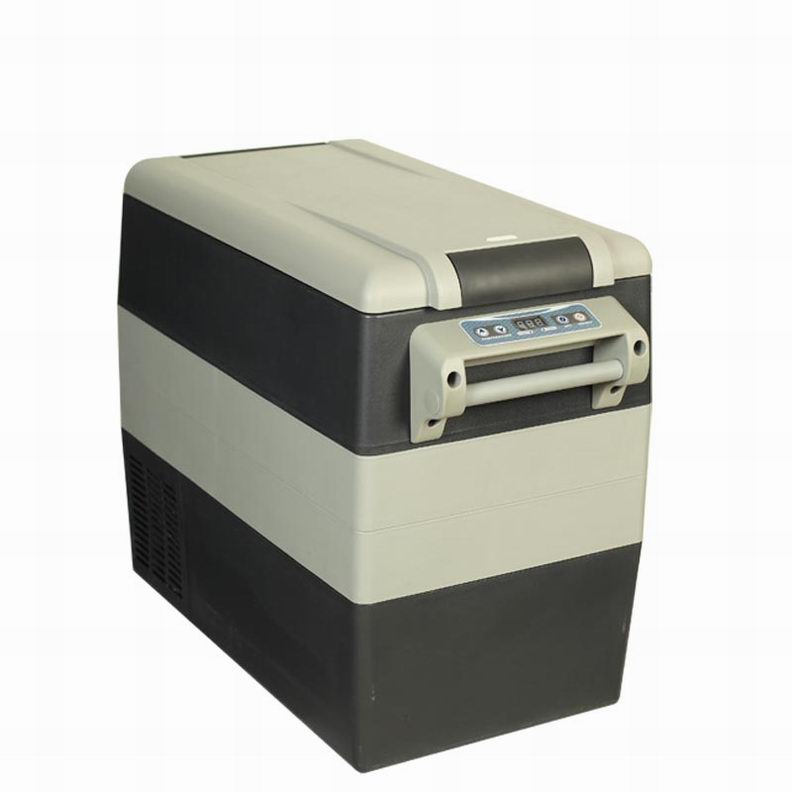
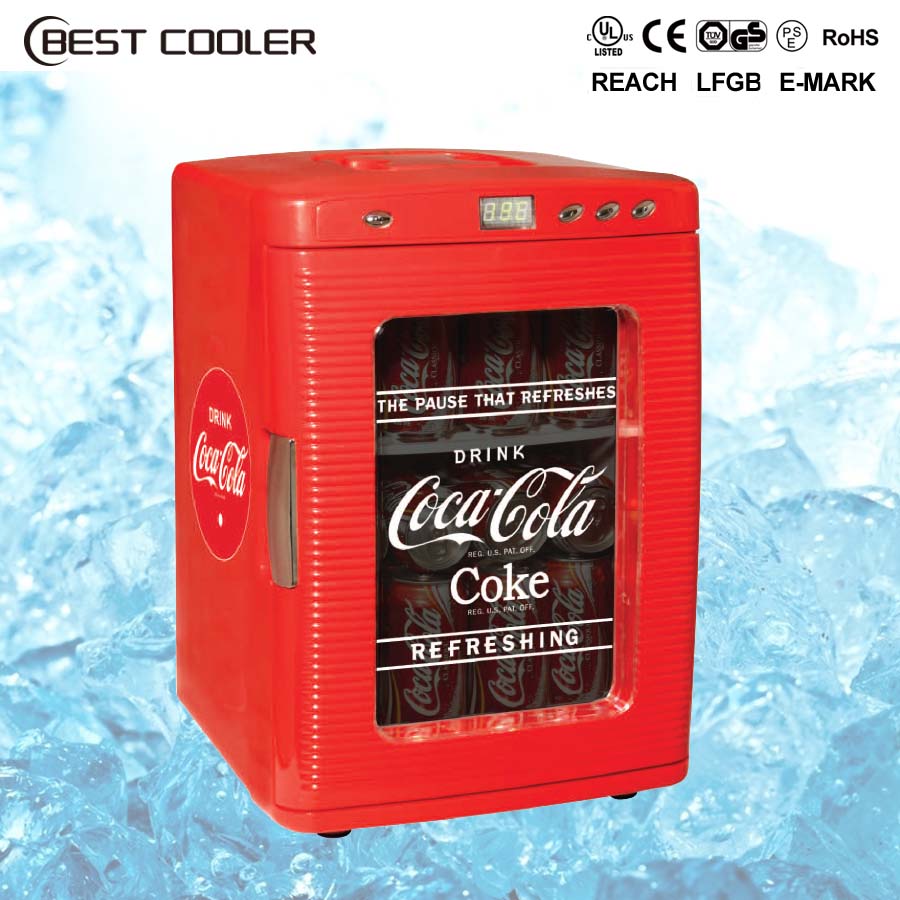
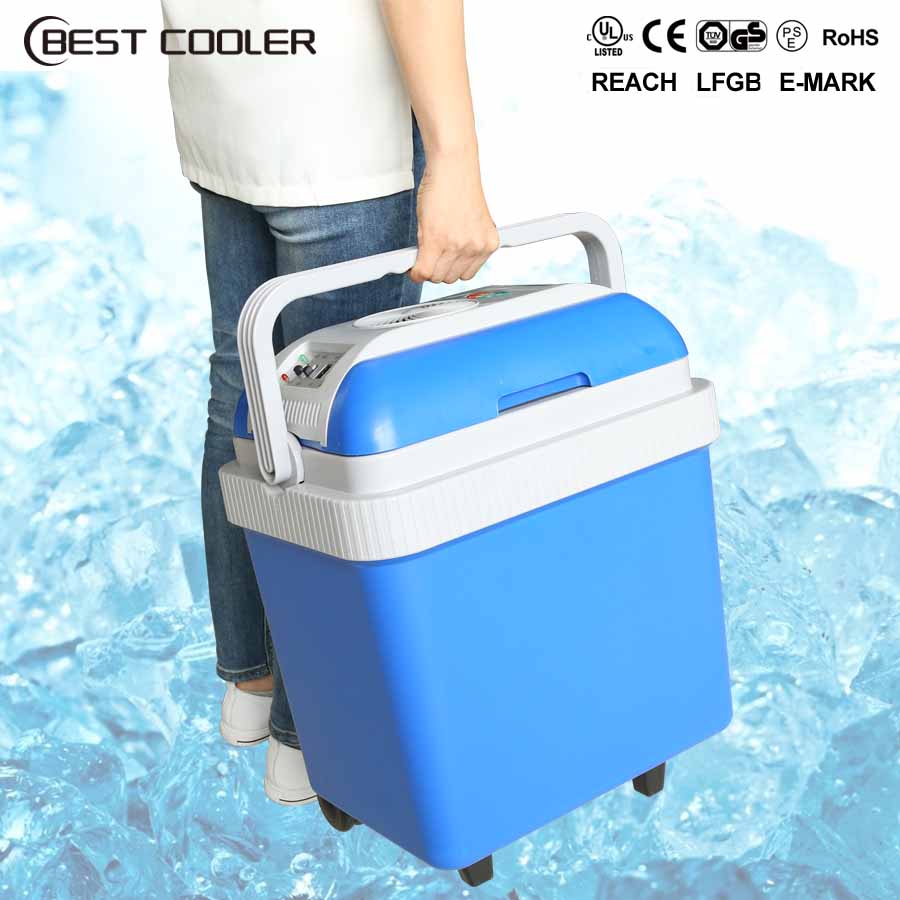
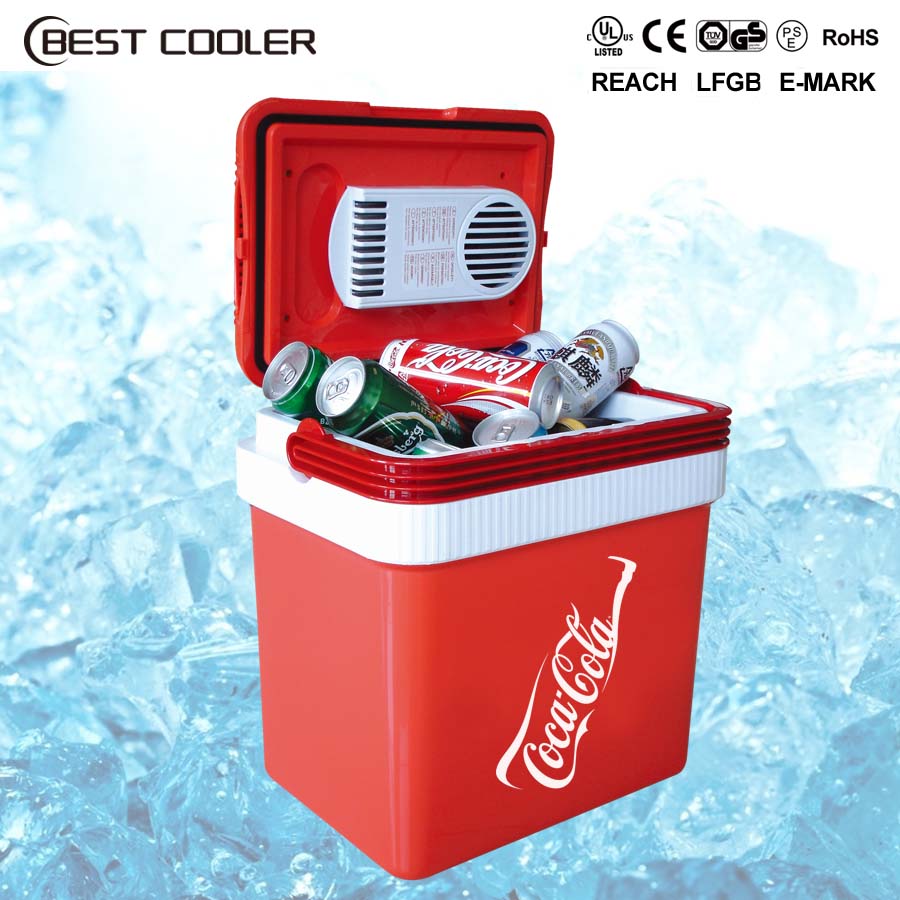
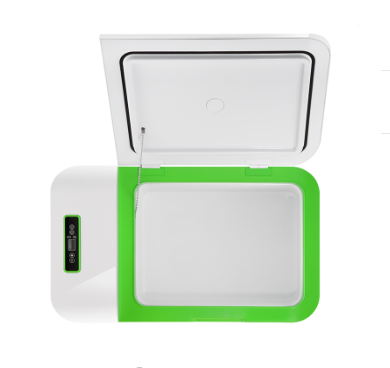
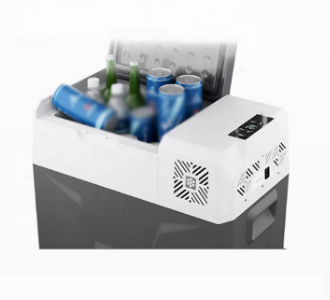
Car Refrigerators
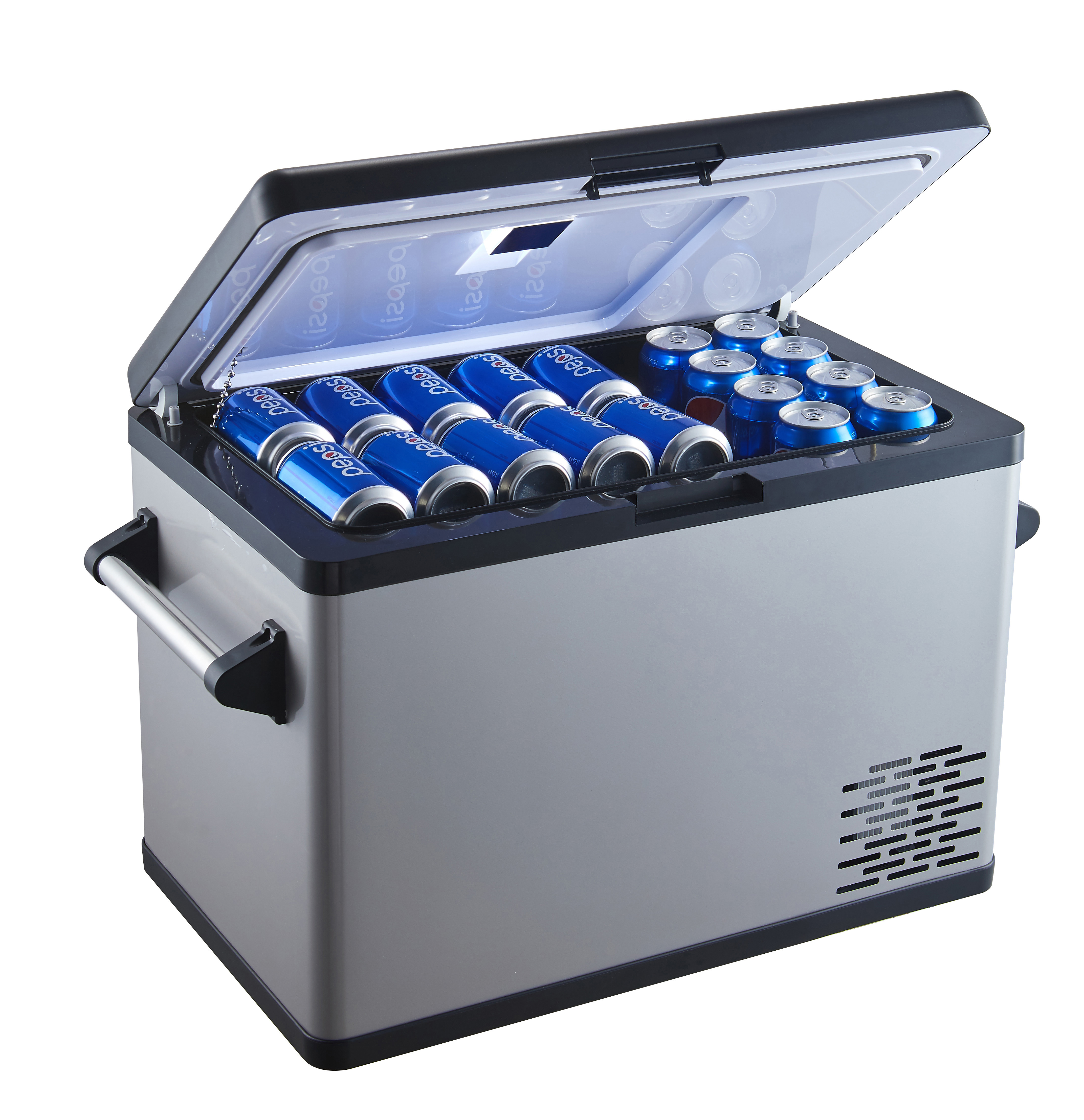
Source wholesale Car Refrigerators directly from vetted manufacturers and suppliers in China and across Asia. Designed for importers, distributors, and automotive accessory brands seeking reliable OEM and private-label production, our network delivers high-performance 12V/24V cooling solutions at scale.
Sourcing reliable car refrigerators requires navigating a fragmented manufacturing base where the difference between a premium overland appliance and a high-return liability is often invisible from the outside. Success depends on validating compressor quality, evaluating insulation density, and ensuring the internal electronics can survive constant automotive vibration.
Core Technologies and Specifications
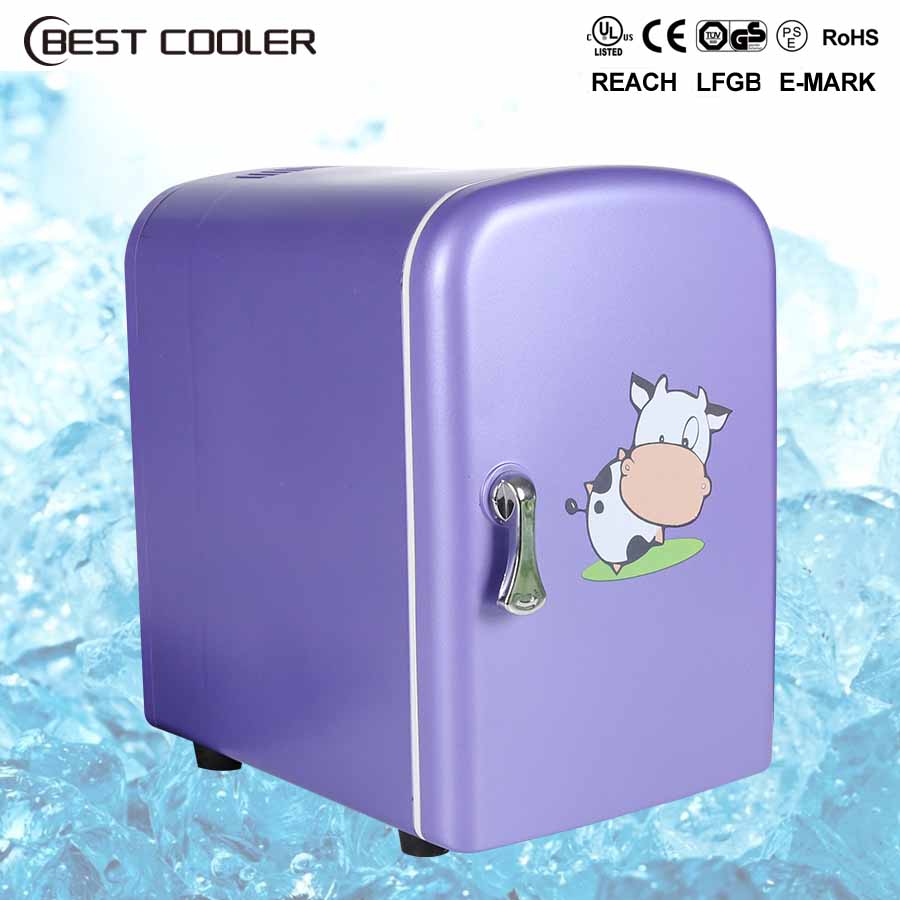
The automotive cooling market is dominated by two primary technologies, though true "refrigerators" almost exclusively utilize DC compressors. Thermoelectric (Peltier) coolers are cheaper but only cool relative to ambient temperatures, making them unsuitable for food safety in hot vehicles.
| Technology | Cooling Capability | Power Efficiency | Vibration Tolerance |
|---|---|---|---|
| DC Compressor | Can freeze (down to -20°C) | High (cycles on/off) | Excellent (if properly mounted) |
| Thermoelectric | Ambient minus 15-20°C | Low (runs constantly) | High (solid state) |
When specifying compressor-based car refrigerators for your brand, you must define several critical parameters with your manufacturer:
- Compressor Origin: Premium brands often specify Secop (formerly Danfoss) or LG compressors. However, top-tier Chinese domestic compressors (like Wancool or Qianjiang) offer excellent cost-to-performance ratios for mid-tier markets.
- Insulation Density: High-density polyurethane (PU) foam is critical. Look for thicknesses between 40mm and 50mm. Poor foaming leaves voids, drastically increasing the compressor's duty cycle and draining the vehicle's battery.
- Voltage and Battery Protection: Units must support 12V/24V DC and feature a 3-stage dynamic battery protection system (H/M/L settings) to prevent the fridge from draining the starter battery.
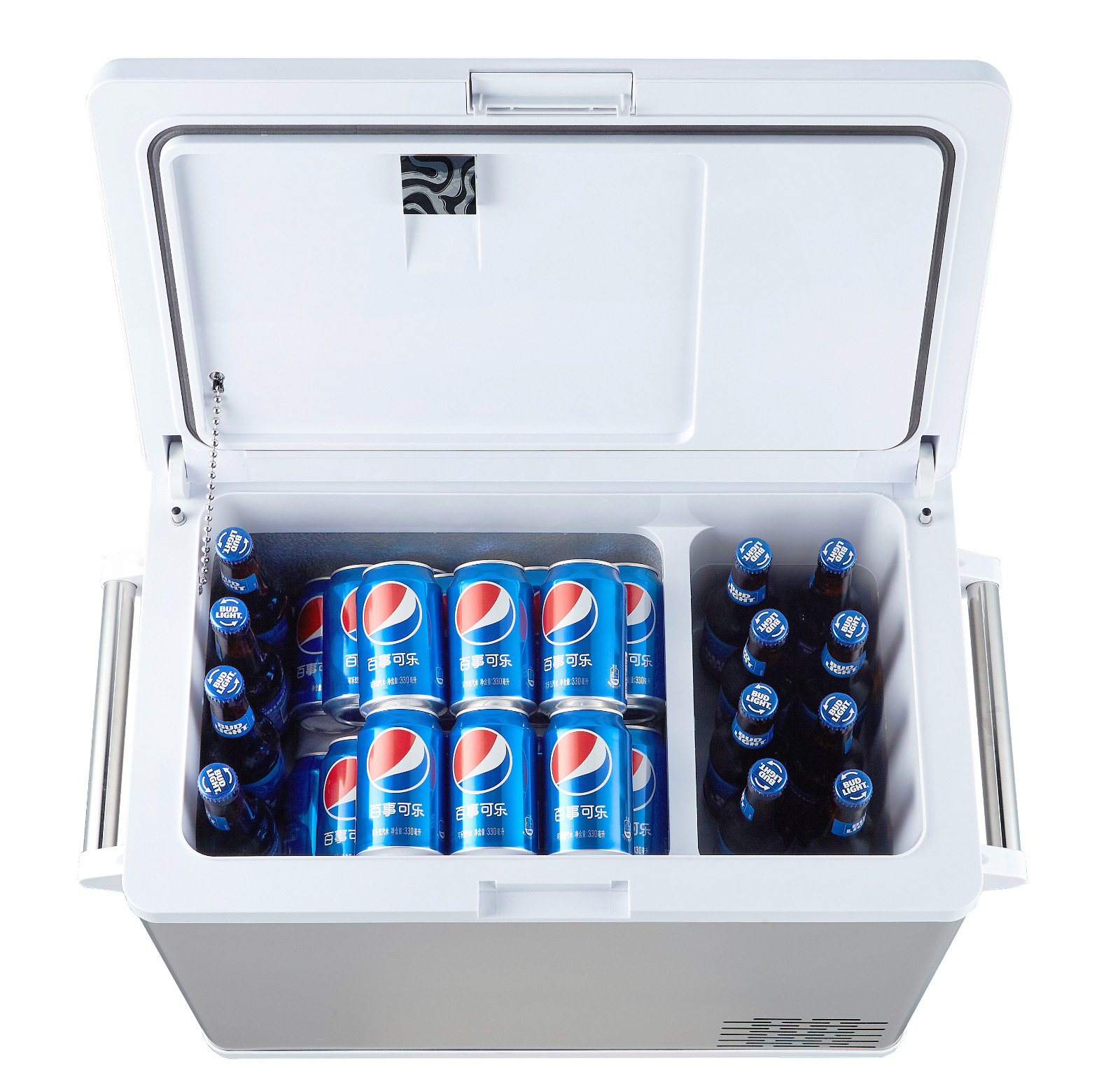
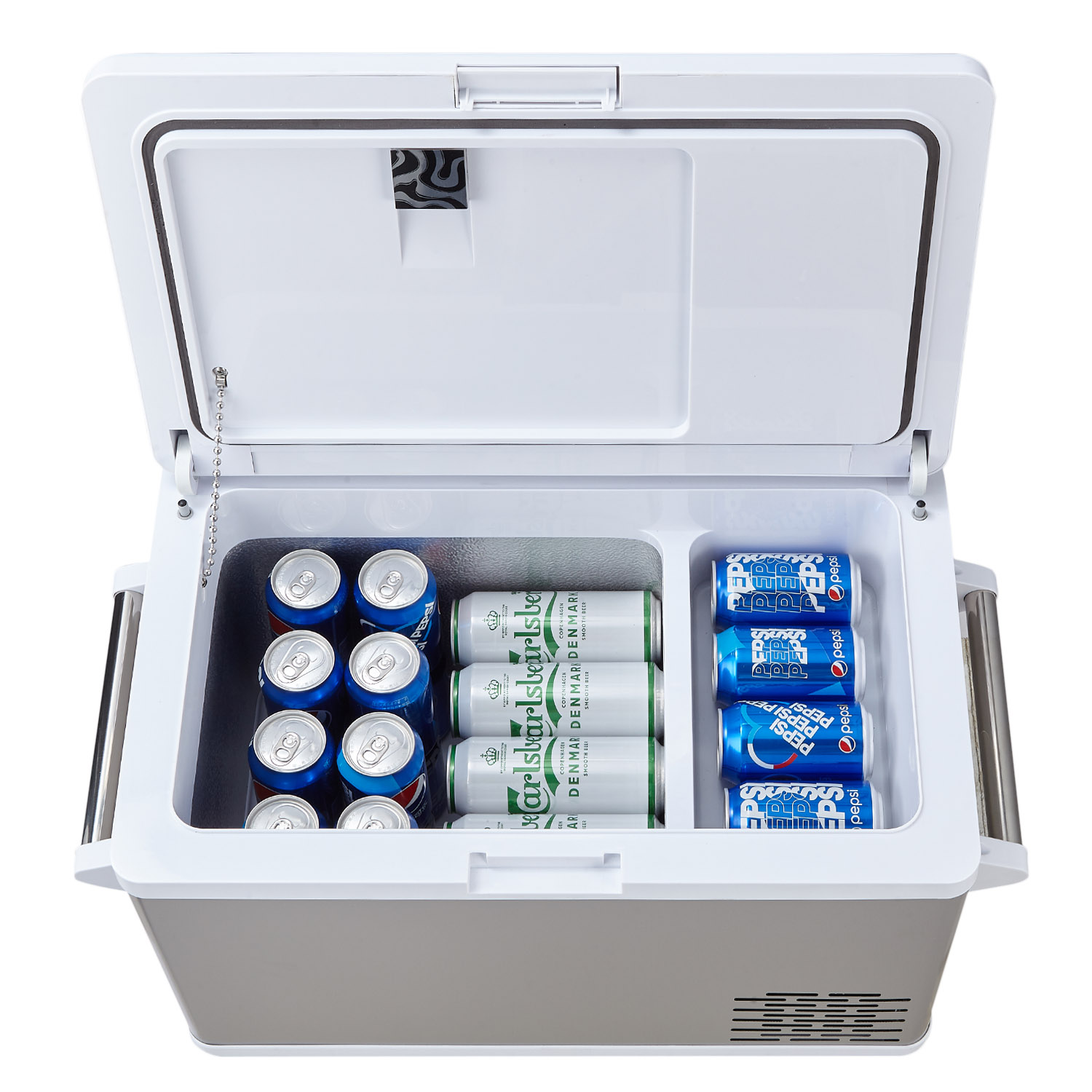
- Zoning: Dual-zone configurations (separate fridge and freezer compartments with independent thermostats) require more complex internal ducting and dual evaporators, increasing tooling costs.
Need help identifying factories capable of producing dual-zone, high-efficiency car refrigerators? Let our sourcing experts match you with audited manufacturers.
Talk to our teamManufacturing Risks and Quality Control
The factory floor is where a well-designed car refrigerator can fail. Inconsistent assembly processes lead to refrigerant leaks, electronic failures, and poor thermal retention. Partnering with a facility that maintains strict environmental controls during the foaming process is non-negotiable.
If you are developing custom tooling through OEM/ODM Services, pay close attention to the casing materials. ABS plastic is standard, but PP (Polypropylene) offers better impact resistance for rugged outdoor models. Metal casings (aluminum or stainless steel) require precise stamping to avoid sharp edges and alignment issues.
Critical Inspection Points
During Quality Control & Inspection, your inspectors must go beyond basic power-on tests.
Pre-Shipment Inspection Focus Areas
- Temperature Pull-Down Test: Time taken to reach -18°C from ambient 25°C (should be under 45 minutes empty).
- Vibration Testing: Simulating rough road conditions to ensure copper piping joints do not fracture.
- Foam Integrity: Checking for cold bridges or condensation on the exterior casing during operation.
- Voltage Drop Simulation: Verifying the battery protection circuit cuts off at the specified low-voltage threshold.
- Refrigerant Leak Detection: Halogen leak testing on all compressor and evaporator solder joints.
Validating these processes often requires thorough Factory Audits before mass production begins, ensuring the supplier actually possesses the testing chambers and automated foaming machines they claim.
Pricing Drivers, MOQs, and Lead Times
Car refrigerator pricing is highly dependent on the compressor choice and the raw material costs of copper (for the evaporator) and plastic/metal for the housing. Adding smart features like Bluetooth app control or integrated lithium batteries will increase unit costs by 15 to 30 percent.
Ready to negotiate better terms or develop a custom car fridge line? We handle supplier communication, pricing negotiations, and production management.
Get a free consultationRegulatory Compliance
Automotive electronics face strict regulatory hurdles. Because these units plug into vehicle power systems, they must meet specific electromagnetic compatibility (EMC) standards to ensure they do not interfere with the vehicle's ECU or radios. Engaging proper Compliance & Testing is essential. For the European market, the E-mark certification (specifically UN ECE Regulation 10) is mandatory for vehicle-connected electronics, in addition to standard CE (LVD/EMC) and RoHS directives. North American markets require FCC Part 15 compliance.
Successfully importing car refrigerators at scale requires strict oversight of the assembly line, particularly regarding refrigerant sealing and electrical safety. By focusing on component origin and rigorous vibration testing, you can build a highly profitable product line that withstands the rigors of the road.
Get Sourcing Help for Car Refrigerators
Tell us your requirements and our experts will connect you with verified manufacturers.