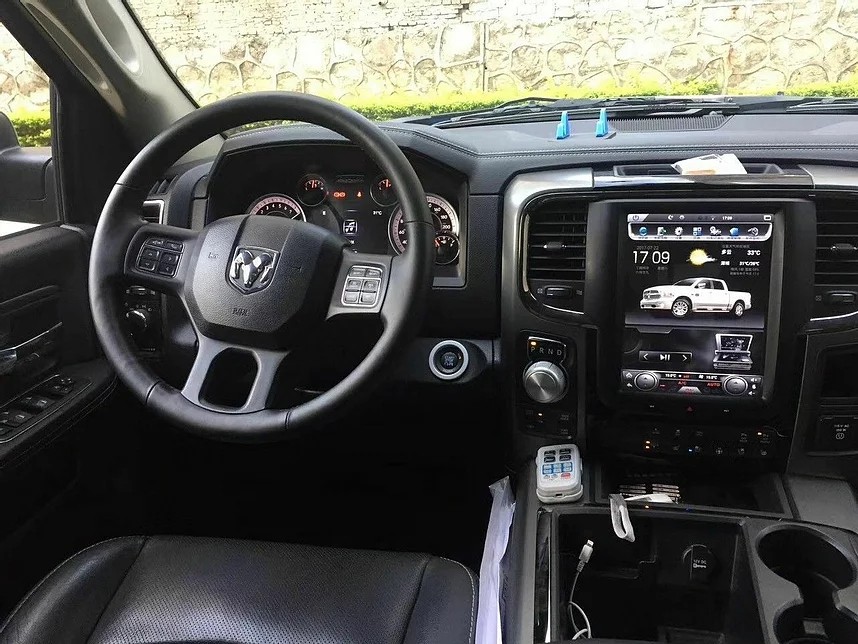
Car Radios
Source wholesale car radios directly from vetted manufacturers and suppliers. Designed for automotive electronics importers, aftermarket distributors, and brands seeking OEM or private-label production, this catalog connects you with high-quality automotive head units built for global markets.
Sourcing automotive head units and car radios at scale requires navigating a complex intersection of consumer electronics and vehicle durability standards. The primary challenge is not simply finding an assembly line; it is ensuring the underlying System on Chip (SoC), thermal management, and firmware integration can withstand the harsh temperature fluctuations, electrical noise, and constant vibration inherent to a vehicle interior.
For importers and brands, success depends on strictly defining hardware components before production begins, as visual similarities often mask significant differences in processing power and audio fidelity.
Hardware Specifications and Component Selection
The performance of an aftermarket car radio is dictated by its core component stack. When evaluating suppliers, you must specify exactly which ICs and panels are being used, as factories often substitute lower-tier components to hit aggressive price points.
| Component | Standard Aftermarket | Premium OEM/ODM |
|---|---|---|
| Processor (SoC) | 4-Core ARM Cortex-A7 | 8-Core ARM Cortex-A55/A75 |
| Memory (RAM/ROM) | 1GB/16GB or 2GB/32GB | 4GB/64GB up to 8GB/128GB |
| Display Technology | TN or basic IPS (1024x600) | QLED or High-Nits IPS (1280x720+) |
| Amplifier IC | TDA7388 (Basic output, higher heat) | TDA7850 / TDA7851 (MOSFET, Hi-Fi) |
| Radio Tuner IC | NXP6851 or similar | NXP6686 (Superior signal retention) |
Beyond the processor, the amplifier and DSP (Digital Signal Processor) chips are critical. A premium head unit will utilize independent DSP chips (like the ROHM32107) to manage 32-band equalizers and time alignment, whereas budget units rely on the SoC's built-in software processing, resulting in flat, uninspiring audio output.
Manufacturing Vulnerabilities and Quality Control
Car radios operate in extreme environments. Dashboard temperatures can easily exceed 80 degrees Celsius in direct sunlight, while winter conditions demand sub-zero operational stability.
If a factory cuts corners on thermal management, the unit will suffer from CPU throttling, random reboots, or premature screen failure. Verifying a supplier's engineering standards through comprehensive Factory Audits is essential to confirm they possess the testing equipment necessary to validate these tolerances.
Need help verifying a manufacturer's technical capabilities and quality management systems? Merhein can audit factories on your behalf.
Talk to our teamCritical Production Floor Checks
- Thermal Management: Ensure die-cast aluminum heat sinks are properly mated to the amplifier IC with high-grade thermal paste.
- Vibration Resistance: Verify that all internal wiring harnesses are secured with automotive-grade adhesive or heavy-duty zip ties.
- Soldering Quality: Inspect PCB joints, particularly around heavy components like the heat sink and external connectors, to prevent micro-fractures.
- Screen Bonding: Check for zero-gap (OCA) lamination to prevent dust ingress and moisture condensation behind the digitizer.
Implementing rigorous Quality Control & Inspection protocols before shipment is the only way to catch dead pixels, unresponsive touch zones, or firmware bugs before the units are integrated into your supply chain.
Software Integration and OEM Customization
While hardware provides the foundation, software stability dictates the user experience. Most aftermarket units run on customized Android operating systems or lighter Linux-based systems dedicated to wireless screen mirroring (Apple CarPlay and Android Auto).
If you are developing a proprietary brand, leveraging OEM/ODM Services allows you to customize the boot logo, user interface (UI), and default applications. Crucially, your manufacturer must have a robust CAN bus decoding database. Without accurate CAN bus protocol integration, the radio will fail to interface with the vehicle's steering wheel controls, reverse camera triggers, or climate control displays.
Pricing, MOQs, and Production Timelines
Pricing in the automotive electronics sector is highly elastic, driven almost entirely by the SoC, memory configuration, and screen technology.
When negotiating, be wary of prices that fall significantly below market averages. This usually indicates the use of recycled flash memory, counterfeit amplifier ICs, or "fake" Android versions (where the software is coded to display Android 12, but the underlying API level is actually Android 8 or 9).
Protect your margins and brand reputation. Let Merhein handle price negotiation, component verification, and supplier management.
Get a free consultationFrequently Asked Questions
Sourcing car radios requires strict oversight of both the bill of materials and the final software integration. By clearly specifying component grades and implementing robust testing protocols, you can secure reliable, high-performance units that protect your brand's reputation in a highly competitive aftermarket.
Get Sourcing Help for Car Radios
Tell us your requirements and our experts will connect you with verified manufacturers.