Car Monitors
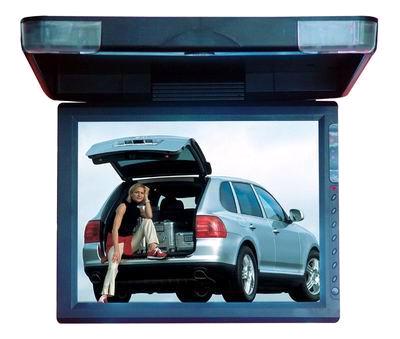
Source bulk Car Monitors from vetted Chinese manufacturers and suppliers. Designed for automotive electronics importers, wholesale distributors, and brands seeking reliable OEM and private-label production. Secure competitive factory-direct pricing for high-performance vehicle display systems.
Sourcing automotive monitors requires balancing display performance with extreme environmental durability. A monitor that looks great in a factory showroom can fail rapidly under dashboard heat, winter cold, or constant road vibration. For volume buyers, success depends on specifying the right panel technologies and ensuring the assembly facility adheres to strict automotive electronics manufacturing standards.
Critical Specifications for Bulk Orders
When negotiating with manufacturers, relying solely on screen size and resolution is a common pitfall. The automotive environment demands component-level specifications that differ significantly from standard consumer electronics. You must clearly define the panel type, thermal tolerances, and signal interfaces to ensure the product meets your market's requirements.
| Specification | Standard Aftermarket | Premium / Fleet Grade |
|---|---|---|
| Panel Technology | TFT LCD (Narrow viewing angles) | IPS (Wide viewing angles, better contrast) |
| Brightness | 300 to 400 nits | 600+ nits (Sunlight readable) |
| Operating Temperature | -10°C to 60°C | -20°C to 80°C |
| Signal Interface | CVBS / Standard Analog | AHD / LVDS / Digital HD |
Specifying an IPS panel over a standard TFT ensures the driver can view the screen clearly from an angle, while high-brightness backlights are non-negotiable for dashboard-mounted units exposed to direct sunlight.
Need help verifying supplier capabilities and component specifications for automotive-grade displays?
Talk to our teamManufacturing Tolerances and Quality Control
The primary failure points for car monitors are rarely the LCD panels themselves; they are usually the internal connections and thermal management systems. Vehicles experience significant voltage spikes, constant vibration, and rapid temperature fluctuations.
To mitigate these risks, your Quality Control & Inspection protocols must include rigorous environmental and electrical stress testing at the factory level.
Essential Factory-Level Inspections
- Thermal Aging: Minimum 48-hour burn-in testing at maximum operating temperatures.
- Vibration Testing: Multi-axis shake tests to simulate off-road or heavy-duty transit.
- Voltage Fluctuation: Verifying the mainboard can handle alternator spikes (typically 9V to 36V tolerance for commercial vehicles).
- EMI/EMC Shielding: Ensuring the monitor does not emit interference that disrupts other vehicle systems (e.g., radio, GPS).
Suppliers based in automotive electronics hubs like Shenzhen and Dongguan often have these testing facilities in-house. However, conducting independent Factory Audits is highly recommended to verify that these machines are actually used during your production run, rather than just for show.
Pricing, MOQs, and Lead Times
Costs and minimum order quantities scale heavily based on the level of customization required. Off-the-shelf housing designs with standard firmware carry lower MOQs, while custom tooling and proprietary software interfaces require larger commitments.
If you are developing a unique product line, utilizing OEM/ODM Services allows you to integrate specific features like capacitive touchscreens, multi-channel camera inputs (for 360-degree systems), or wireless connectivity modules directly at the factory level.
Optimize your unit costs and secure reliable production lines for your next bulk monitor order.
Get a free consultationFrequently Asked Questions
Navigating the automotive display market requires a strict focus on durability and component authenticity. By setting clear specifications for thermal limits, brightness, and vibration resistance, you protect your margins from costly aftermarket returns. Merhein provides the on-the-ground expertise to verify these technical requirements, ensuring your supply chain delivers consistent, commercial-grade quality.
Get Sourcing Help for Car Monitors
Tell us your requirements and our experts will connect you with verified manufacturers.