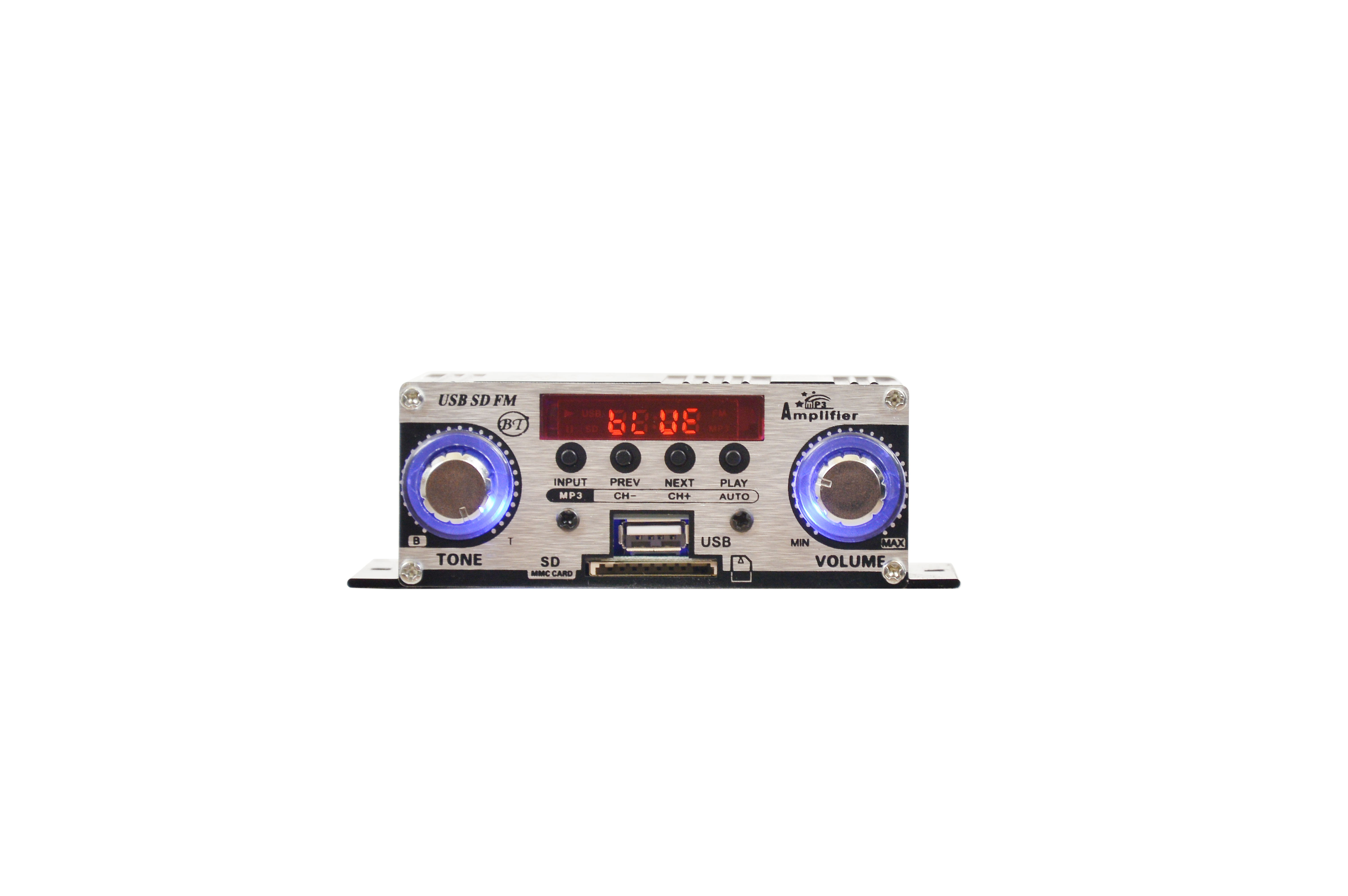
Car Media Devices
Source premium Car Media Devices directly from vetted Chinese manufacturers and suppliers. Designed for automotive importers, electronics distributors, and aftermarket brands seeking reliable wholesale purchasing or custom OEM/ODM production at scale.
Sourcing automotive media receivers, head units, and rear-seat entertainment systems requires balancing consumer-grade tech expectations with automotive-grade durability. The primary challenge for volume buyers is not finding a supplier—hubs like Shenzhen are saturated with them—but identifying partners who use genuine automotive-grade components. Repurposed tablet internals will fail under extreme cabin temperatures, voltage fluctuations, and constant road vibration.
Core Specifications and Component Selection
The performance and longevity of an aftermarket head unit depend entirely on the Bill of Materials (BOM). Buyers must dictate the specific Integrated Circuits (ICs) used, as factories often substitute lower-grade components to hit target price points.
| Component | Entry-Level / Standard | Premium / OEM-Grade |
|---|---|---|
| Processor (SOC) | 4-Core Cortex A7/A53 (e.g., MTK) | 8-Core Cortex A75+A55 (e.g., UIS7862, Snapdragon) |
| Memory (RAM/ROM) | 2GB / 32GB (eMMC 5.0) | 4GB to 8GB / 64GB to 256GB (UFS 2.1+) |
| Display Technology | Standard IPS (400 nits, 720p) | QLED or 2K IPS (600+ nits, fully laminated) |
| Amplifier IC | TDA7388 (Basic audio output) | TDA7851 or TDA7850 (High fidelity, MOSFET) |
| Radio Tuner | Generic or NXP6856 | NXP6686 or SI47925 (Superior signal retention) |
When defining your product, pay close attention to the thermal limits of the chosen SOC and amplifier. High-performance 8-core processors require dedicated heat sinks and, in some cases, active cooling fans to prevent thermal throttling during GPS navigation and media playback in a hot dashboard.
Ensure your car media devices are built with verified, high-performance components and genuine ICs.
Talk to our teamManufacturing Quality and Testing Standards
Automotive electronics face a significantly harsher environment than standard consumer electronics. Quality is won or lost on the factory floor during Surface Mount Technology (SMT) assembly and subsequent environmental testing.
Implementing strict Quality Control & Inspection protocols is non-negotiable. A reliable supplier should have an in-house testing laboratory capable of simulating years of vehicular use.
Critical Factory-Level Tests for Car Media Devices
- High-Temperature Aging: Units must run at 65°C to 85°C for a minimum of 8 to 12 hours without rebooting or screen delamination.
- Vibration Testing: Simulating rough road conditions to ensure FPC cables, screen connectors, and heavy components (like capacitors) remain secure.
- Voltage Fluctuation: Testing the power management IC against sudden voltage spikes during engine ignition.
- Cold Start Testing: Ensuring the MCU and operating system boot correctly at temperatures as low as -20°C.
- RF & Connectivity Validation: Chamber testing for Bluetooth, Wi-Fi, and 4G LTE antenna stability and interference.
Compliance and Licensing
Importing car media devices into major markets requires strict adherence to regional regulations. Devices must pass CE (for Europe) or FCC (for the US) standards, specifically regarding electromagnetic interference (EMI). Furthermore, vehicle integration often requires E-Mark certification in European markets. Navigating Compliance & Testing early in the sourcing process prevents costly customs seizures.
Sourcing Mechanics: MOQs, Lead Times, and Customization
The degree of customization heavily influences production timelines and Minimum Order Quantities (MOQs). Most manufacturers offer scalable solutions, from off-the-shelf universal 2-DIN units to fully custom fascia frames and proprietary User Interfaces (UI).
For brands looking to develop unique hardware—such as custom dashboard frames, specialized CAN bus integration, or unique screen form factors—utilizing dedicated OEM/ODM Services is required. Custom tooling for plastic fascias will increase initial costs and push lead times out by 30 to 45 days for mold creation and validation.
Planning a custom head unit or rear-seat entertainment line? Let's discuss your OEM and supply chain requirements.
Get a free consultationFrequently Asked Questions
Sourcing reliable car media devices requires looking past the glossy UI and demanding transparency on the internal hardware and thermal design. By strictly defining your BOM and enforcing rigorous aging and vibration tests, you can import head units that rival OEM factory installations. If you need boots on the ground to verify supplier capabilities and manage the technical details, our sourcing team is ready to assist.
Get Sourcing Help for Car Media Devices
Tell us your requirements and our experts will connect you with verified manufacturers.