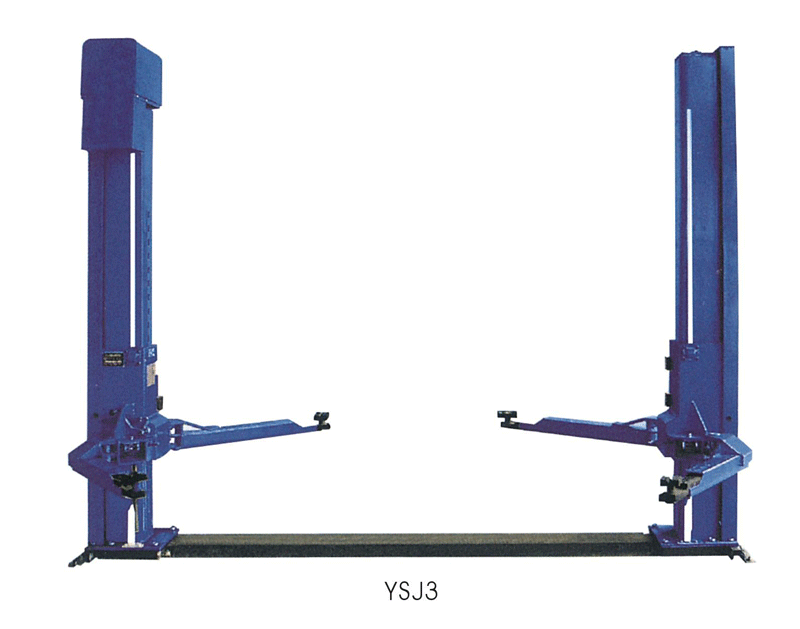
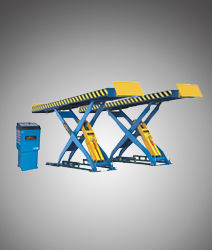
Car Lifts
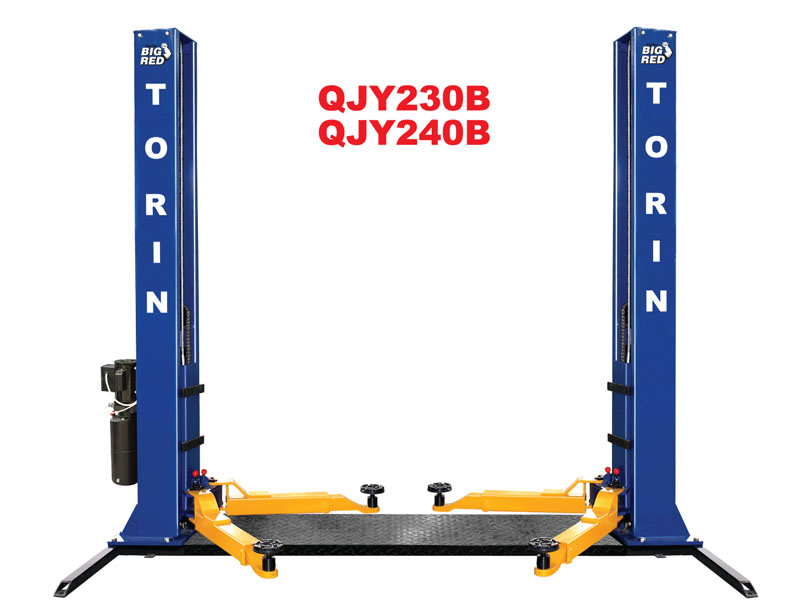
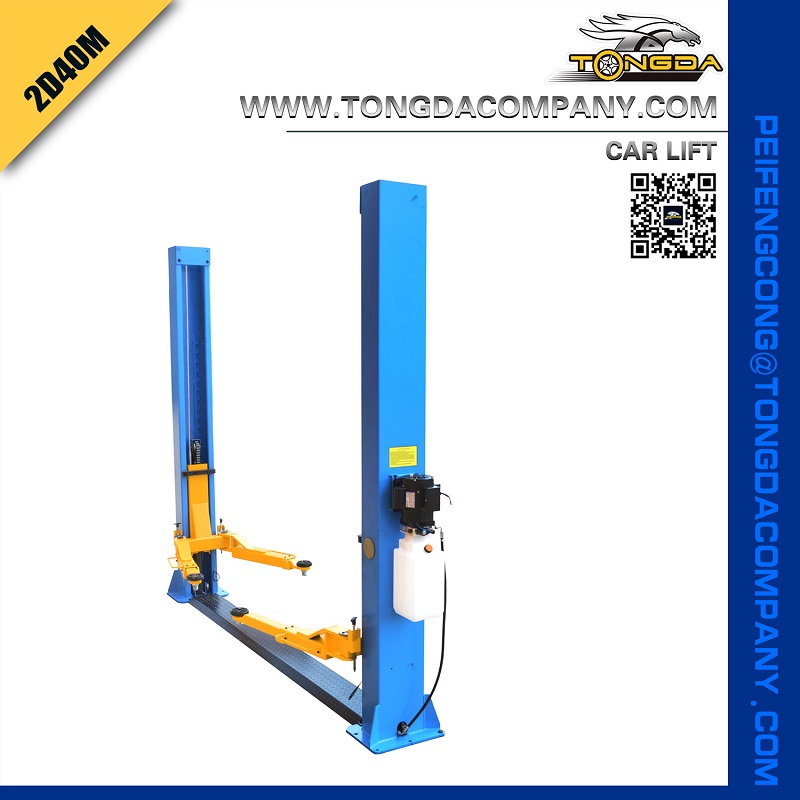
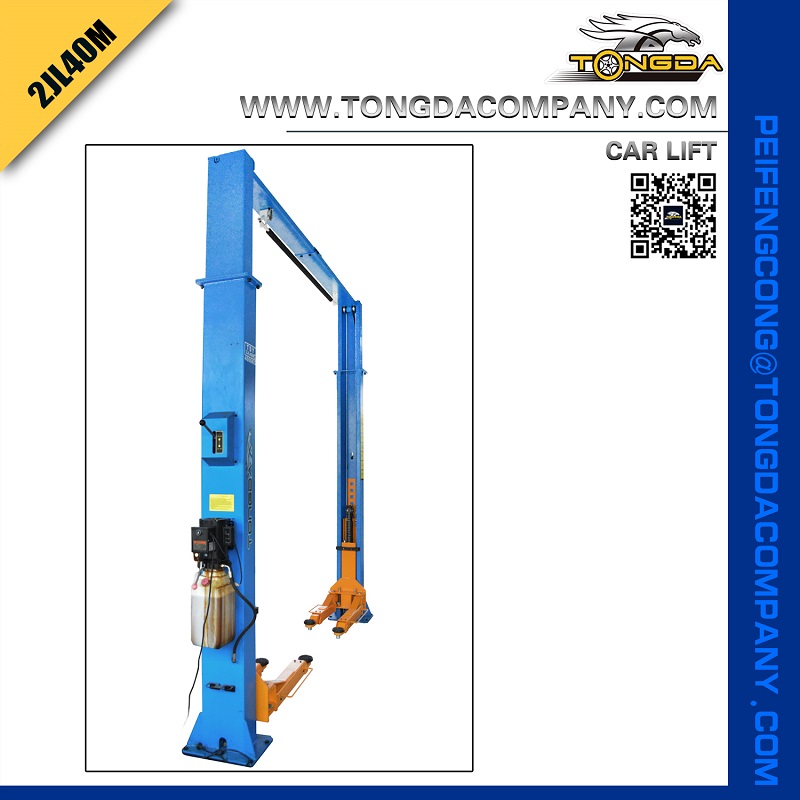
Source commercial-grade car lifts directly from vetted manufacturers and wholesale suppliers. Designed for automotive distributors, equipment importers, and brands seeking reliable OEM production, our network delivers heavy-duty lifting solutions engineered to strict global safety standards.
Sourcing automotive lifts at scale is an exercise in rigorous risk management. Because these units suspend multi-ton vehicles over technicians, structural integrity and hydraulic reliability are non-negotiable. For importers, wholesalers, and equipment brands, the core challenge lies in identifying manufacturers who consistently use high-grade steel, precision welding, and reliable hydraulic seals, rather than those cutting corners to offer a lower unit price.
Key Engineering & Material Specifications
When evaluating factory capabilities, buyers must look past the basic load capacity. The long-term durability and safety of a lift are dictated by its raw materials and hydraulic architecture. The steel grade used for the columns and carriages is the most critical factor; Q235 steel is common for lighter applications, but heavy-duty commercial lifts should utilize high-tensile Q345 steel.
| Component | Standard Commercial Spec | Premium / Heavy-Duty Spec |
|---|---|---|
| Column Steel Thickness | 5mm to 6mm (Q235 steel) | 8mm or thicker (Q345 steel) |
| Hydraulic Cylinders | Single seal, standard polished rod | Dual seal (e.g., NOK/Parker), hard-chromed rod |
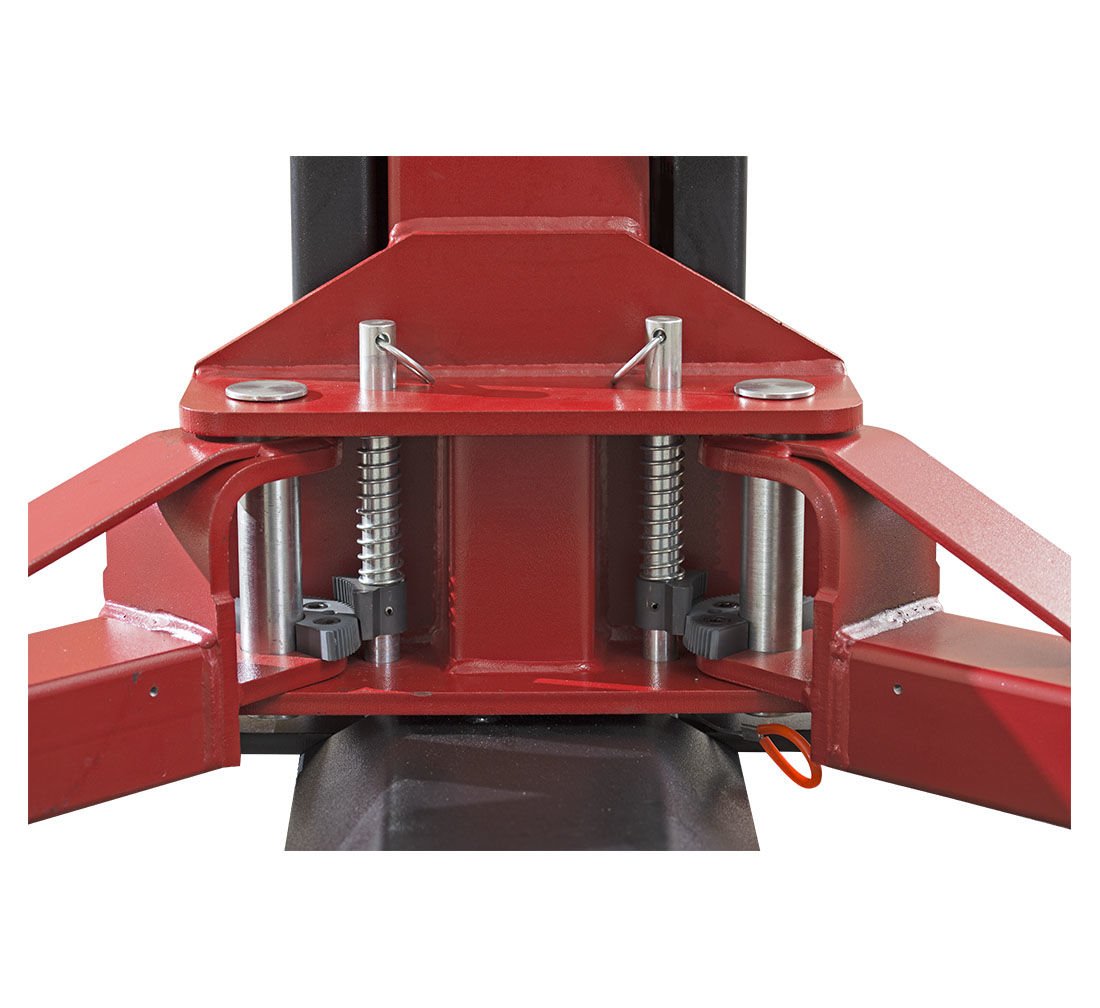
| Safety Lock Mechanism | Single-point manual release | Dual-point pneumatic or electric release |
| Carriage Slide Blocks | Standard nylon polymer | UHMW polyethylene (self-lubricating) |
Certification Reality Check
Many overseas suppliers claim CE or ALI (Automotive Lift Institute) compliance, but frequently provide certificates from unaccredited testing houses or for entirely different product models. Verifying these documents through proper Compliance & Testing channels is critical before finalizing any import agreement.
Evaluating a new lift manufacturer? Let us verify their engineering standards, certifications, and export history before you commit to a container.
Talk to our teamManufacturing & Quality Control Checkpoints
A factory's fabrication floor reveals its true capability. Welding defects or poor surface preparation will inevitably lead to structural failure or rapid corrosion in harsh, chemical-heavy garage environments. Thorough Factory Audits should focus heavily on the supplier's automated processing equipment.
Laser Cutting & Bending
Precision CNC laser cutting ensures column profiles are exact. Variations in bending angles can cause carriage binding under heavy loads.
Robotic Welding
Manual welding on load-bearing columns introduces human error. Top-tier factories utilize robotic welding for consistent, deep-penetration seams without porosity.
Surface Preparation
Before powder coating, steel must undergo shot blasting to remove mill scale and rust. Chemical washing alone is insufficient for long-term rust prevention.
Hydraulic Load Testing
Every cylinder should be pressure-tested at 150 percent of its rated capacity before assembly to check for micro-leaks in the seals.
Catching defects after the units are packed is incredibly costly due to the size and weight of the components. Implementing strict Quality Control & Inspection protocols prior to shipment is the only way to ensure the factory has adhered to your agreed-upon specifications.
Buying Mechanics: MOQs, Pricing, and Logistics
Because car lifts are heavy and bulky, shipping efficiency plays a massive role in your landed cost. A standard 40HQ container typically holds between 24 and 36 two-post lifts, depending on the packaging method (steel frames versus wooden crates) and the specific dimensions of the models.
When negotiating pricing, understand that steel costs and currency fluctuations are the primary drivers. If a supplier offers a price significantly below the market average, they are likely reducing the steel thickness, using inferior hydraulic oil, or swapping out branded seals for generic alternatives. For brands looking to build a cohesive product line, utilizing OEM/ODM Services allows you to standardize colors, branding, and manual packaging across different lift capacities.
Need to optimize your container loading or standardize your custom branding across multiple equipment lines? We can manage the factory negotiations and quality oversight.
Get a free consultationFrequently Asked Questions
Importing automotive lifts requires a zero-tolerance approach to structural and hydraulic defects. The most successful equipment brands build their reputation on safety and longevity, which starts with rigorous supplier selection and constant oversight on the factory floor. If you need experienced eyes overseeing your heavy equipment supply chain, our team is ready to ensure your next shipment meets every standard.
Get Sourcing Help for Car Lifts
Tell us your requirements and our experts will connect you with verified manufacturers.