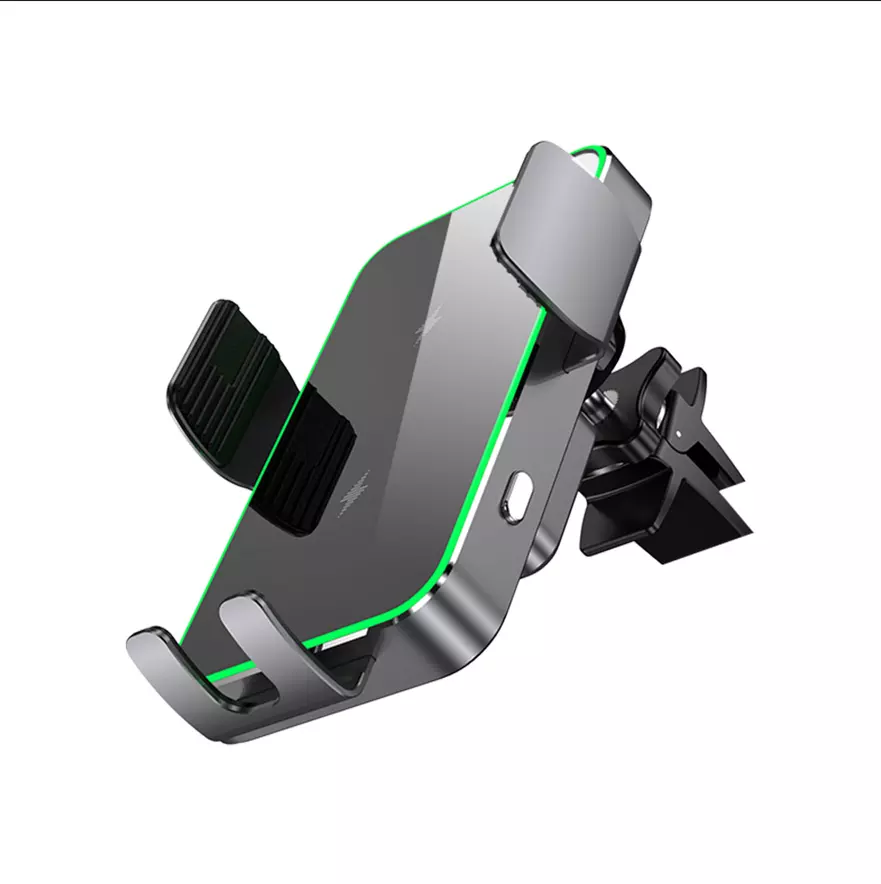
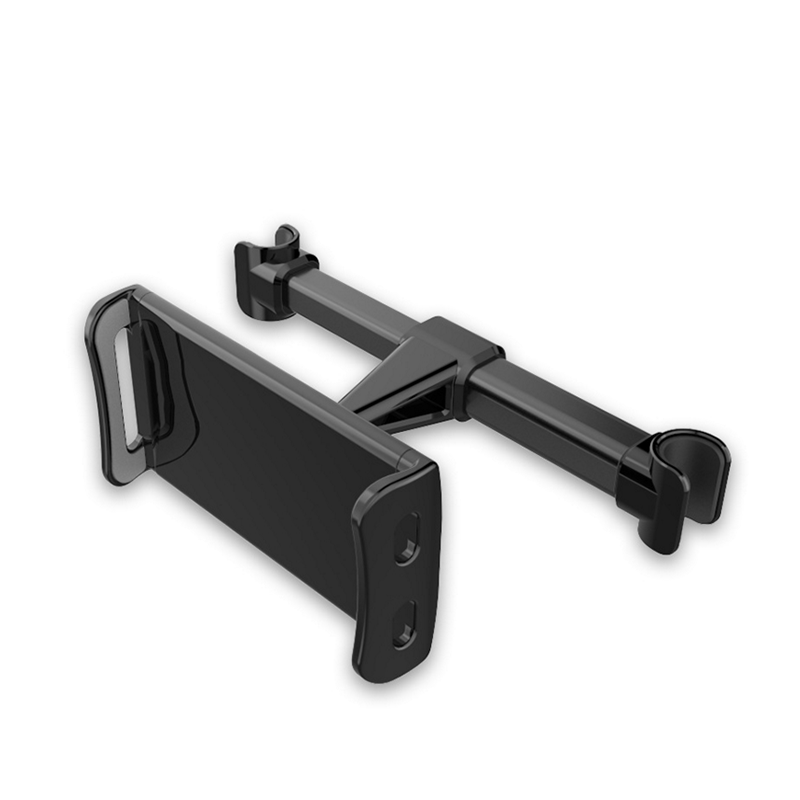
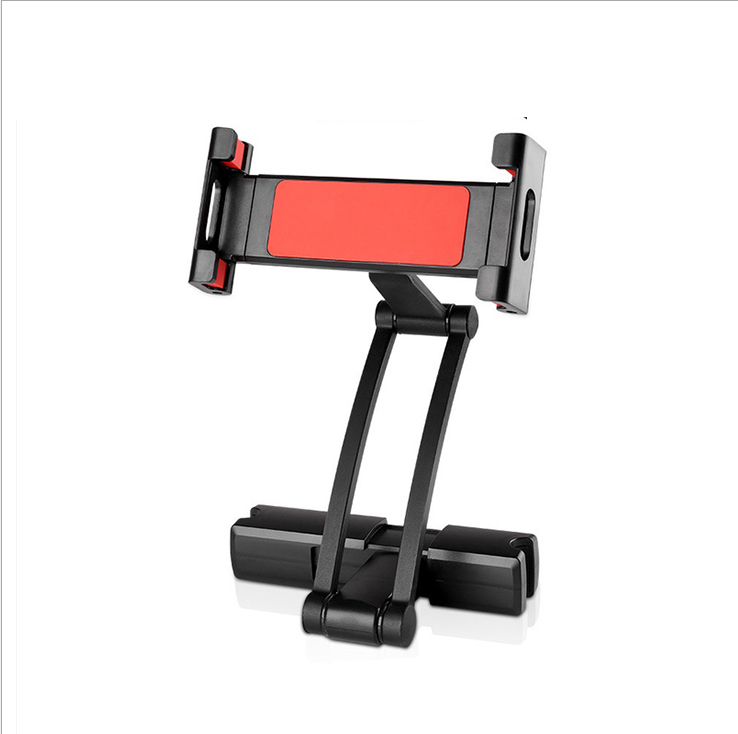
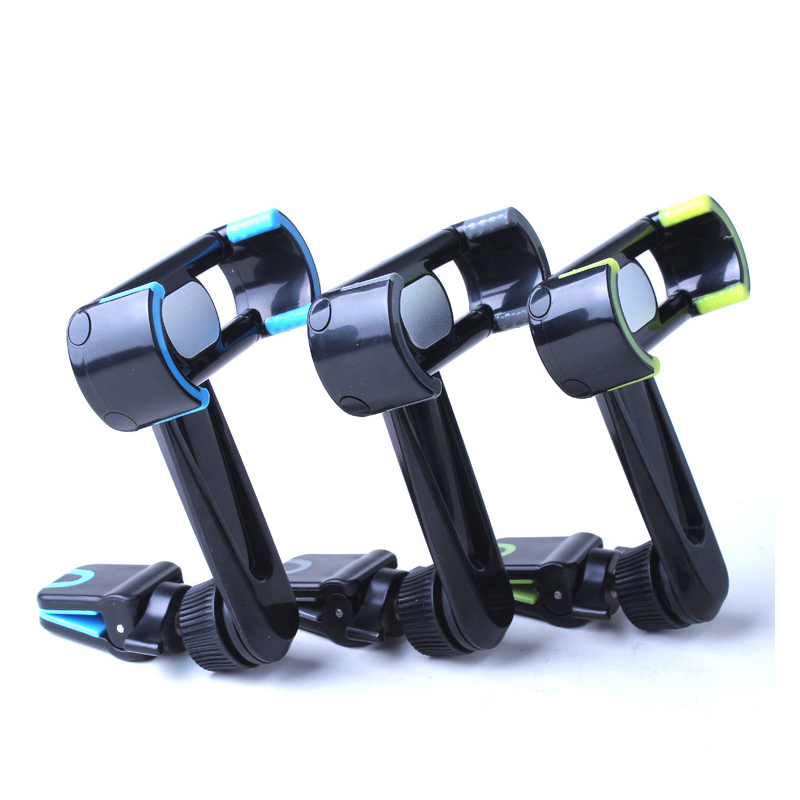
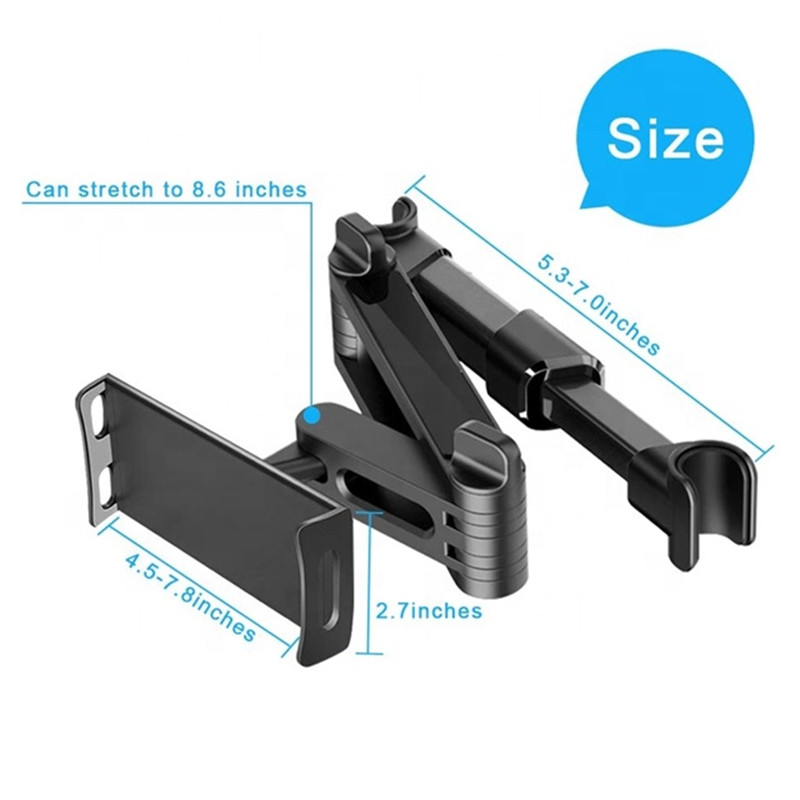
Car Holders
Source premium Car Holders from vetted manufacturers and wholesale suppliers across Asia. Built for importers, automotive distributors, and consumer electronics brands seeking reliable OEM and private-label production. Secure competitive bulk pricing and strict quality control for your next high-volume order.
Sourcing car holders at scale requires navigating a highly fragmented supplier base where the line between premium automotive accessories and cheap promotional giveaways is often obscured by identical outer shells. For high-volume buyers, the true differentiators lie beneath the surface: plastic injection tolerances, spring steel tension, and the thermal stability of suction compounds. A failure in any of these components under extreme vehicle cabin temperatures guarantees high return rates and brand damage.
Core Mounting Technologies and Sourcing Variables
The structural integrity of a car holder dictates its lifespan. When evaluating suppliers, you must look past the aesthetic design and examine the mechanical engineering of the mounting mechanism.
| Mount Style | Critical Components | Primary Failure Points | Manufacturing Focus |
|---|---|---|---|
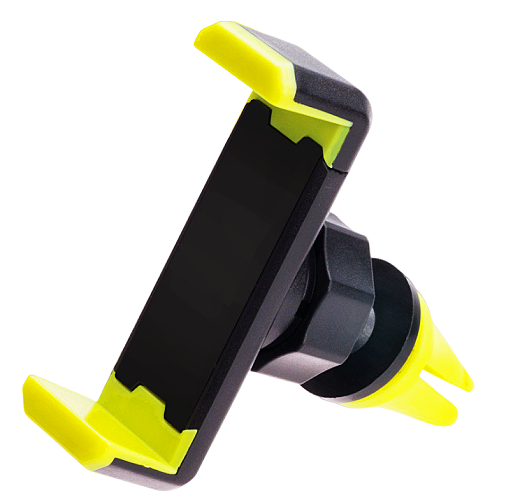
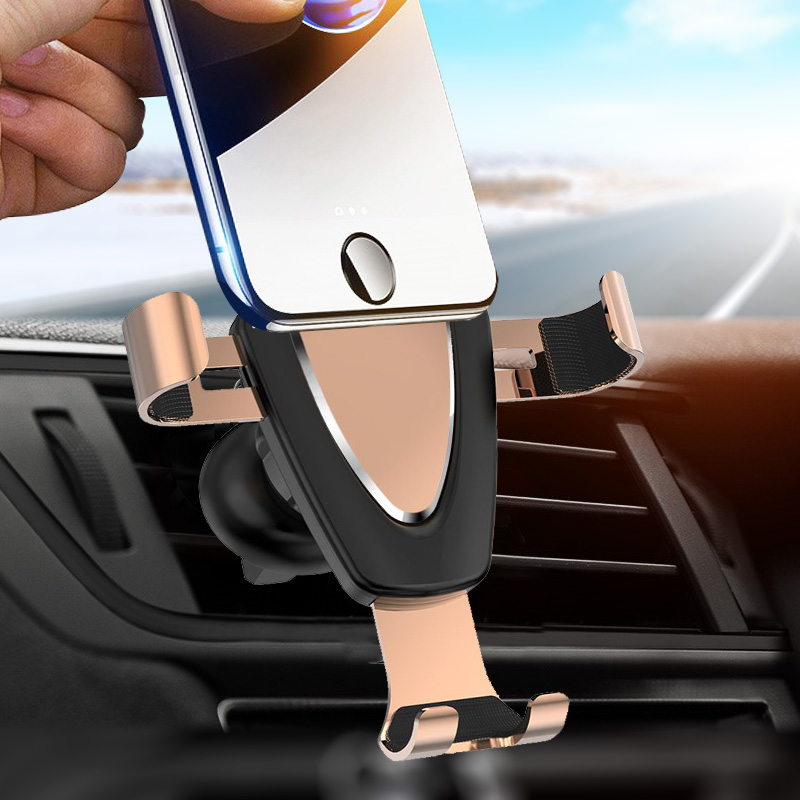
| Air Vent Clip | Spring steel, silicone pads, ABS shell | Tension loss, pivot ball drooping | Spring cycle testing, silicone shore hardness |
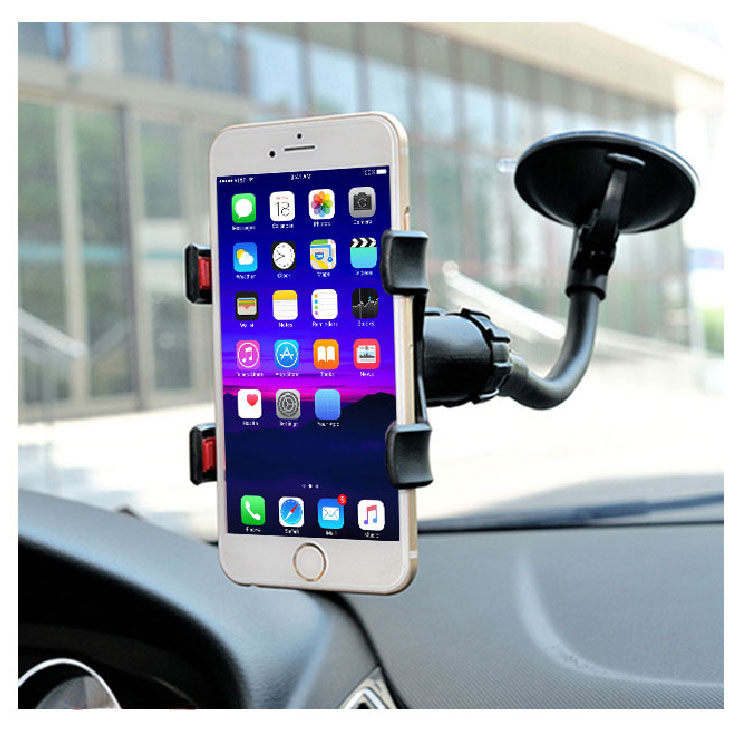
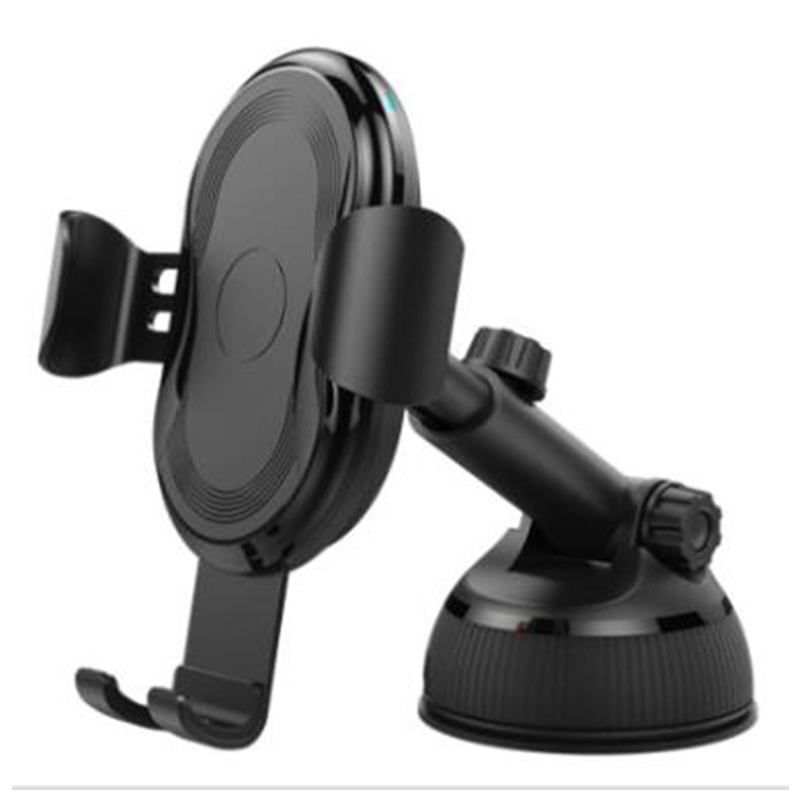
| Dashboard Suction | TPU/PU sticky gel, PC base, vacuum lever | Gel melting, vacuum seal degradation | High-temperature adhesive stability, lever durability |
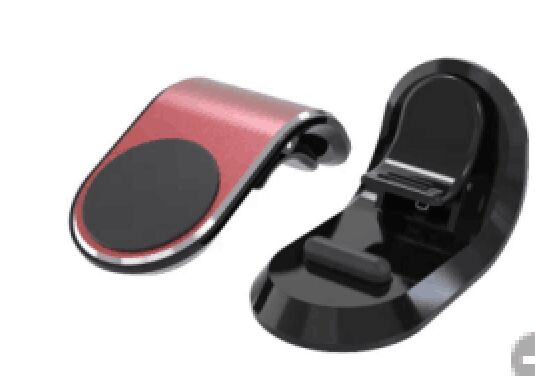
| Magnetic (MagSafe) | N52/N54 Neodymium magnets, aluminum alloy | Weak magnetic flux, device slipping | Gauss meter testing, magnetic array alignment |
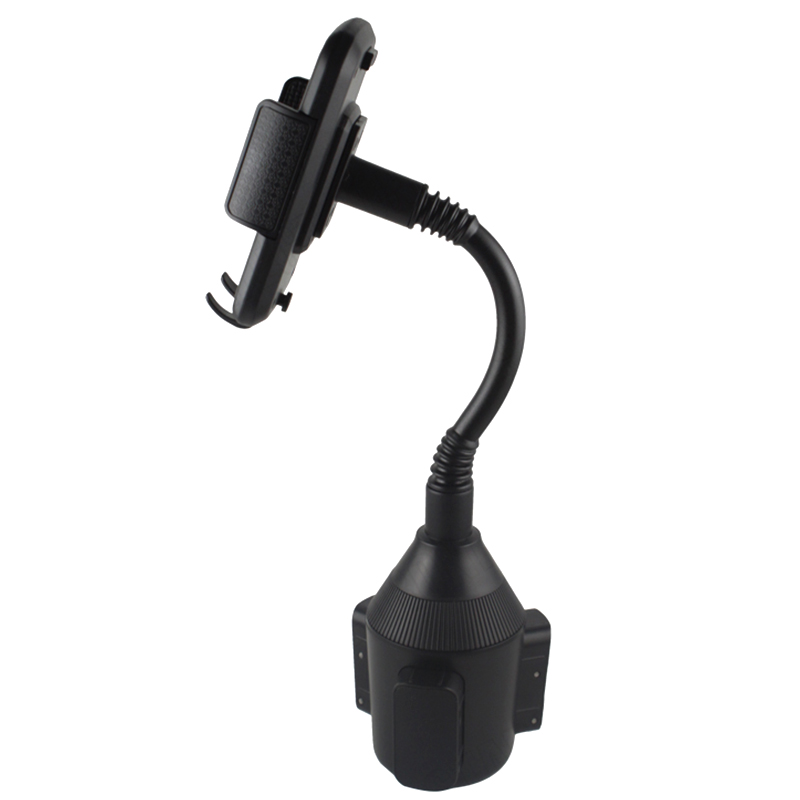
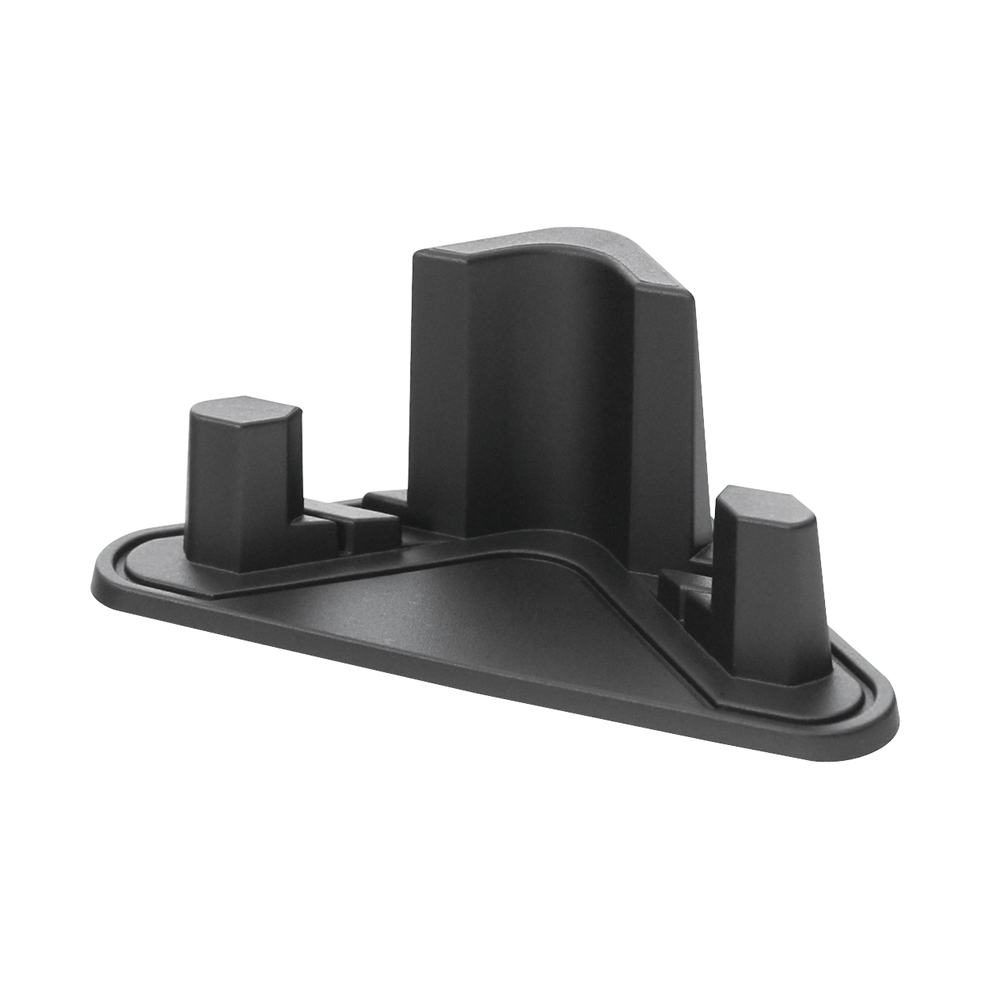
| CD Slot / Cup Holder | Expanding ABS/PC fins, rotary dial | Gear stripping, mechanical binding | Thread tolerances, structural rigidity of fins |
Struggling with high defect rates from your current car holder manufacturer? Let's audit your supply chain and upgrade your production standards.
Talk to our teamMaterial Specifications and Manufacturing Realities
The interior of a parked car can easily exceed 80°C (176°F) in direct sunlight. Using substandard plastics is the most common corner cut by low-tier factories.
- Plastics (ABS vs. PC): Standard ABS is cost-effective but warps under intense UV exposure. Premium holders utilize Polycarbonate (PC) or an ABS+PC blend, which offers superior thermal resistance and impact strength.
- Grip Materials: The pads that secure the phone should be molded from high-grade silicone, not cheap TPR (Thermoplastic Rubber) which degrades and leaves sticky residue on devices over time.
- Magnets: For magnetic mounts, specify closed-loop N52 neodymium magnets. Lower grades (like N45) or improper array designs will fail to hold heavier modern smartphones over rough terrain.
If you are developing a custom product, leveraging professional OEM/ODM Services is critical. A factory's ability to precision-mill steel molds dictates whether the ball-joint mechanism will provide smooth articulation or suffer from immediate "droop" under the weight of a phone.
Quality Control and Factory Auditing
Preventing defects requires rigorous testing before the goods leave the factory floor. Relying on standard visual inspections is insufficient for mechanical accessories. Implementing robust Quality Control & Inspection protocols is non-negotiable.
Essential Car Holder QC Tests
- Thermal Cycling Test: Subject units to temperatures ranging from -20°C to 85°C for 48 hours to check for plastic warping or gel degradation.
- Vibration Testing: Simulate rough road conditions (frequencies of 10-50Hz) with a dummy weight to ensure the pivot joint maintains its set angle.
- Cycle Testing: Actuate clamps, vent clips, and suction levers a minimum of 5,000 times to verify spring and gear longevity.
- Adhesion Peel Test: For dashboard mounts, measure the pull-force required to break the suction seal on textured surfaces.
- Magnetic Flux Measurement: Use a Gauss meter to verify that the magnetic pull force meets the specified Newton rating.
Before committing to a new supplier, conducting comprehensive Factory Audits ensures the manufacturer actually possesses the injection molding machines and testing equipment they claim, rather than just assembling parts sourced from sub-tier workshops.
Pricing, MOQs, and Lead Times
Unit costs in this category are highly sensitive to material choices, packaging requirements, and order volumes.
Note: Integrated wireless charging car holders (15W/MagSafe compatible) will carry higher MOQs (often 3,000+ units) due to PCBA sourcing and chipset minimums.
Need to lock in aggressive bulk pricing for your next seasonal rollout? We negotiate directly with top-tier manufacturers on your behalf.
Get a free consultationFrequently Asked Questions
Success in the car holder category requires balancing aggressive unit costs with uncompromising mechanical reliability. By focusing on material specifications, joint tolerances, and strict pre-shipment testing, you can protect your margins and eliminate costly returns.
Get Sourcing Help for Car Holders
Tell us your requirements and our experts will connect you with verified manufacturers.