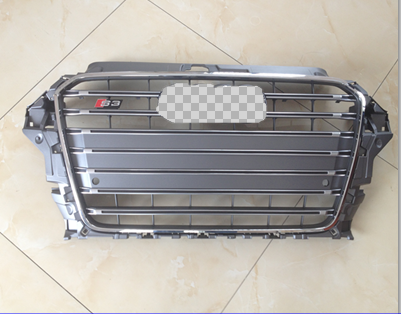
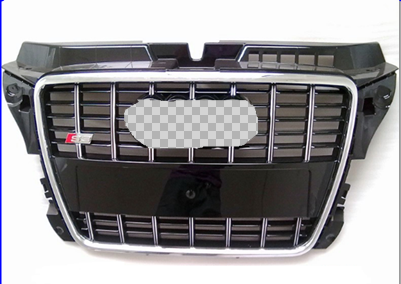
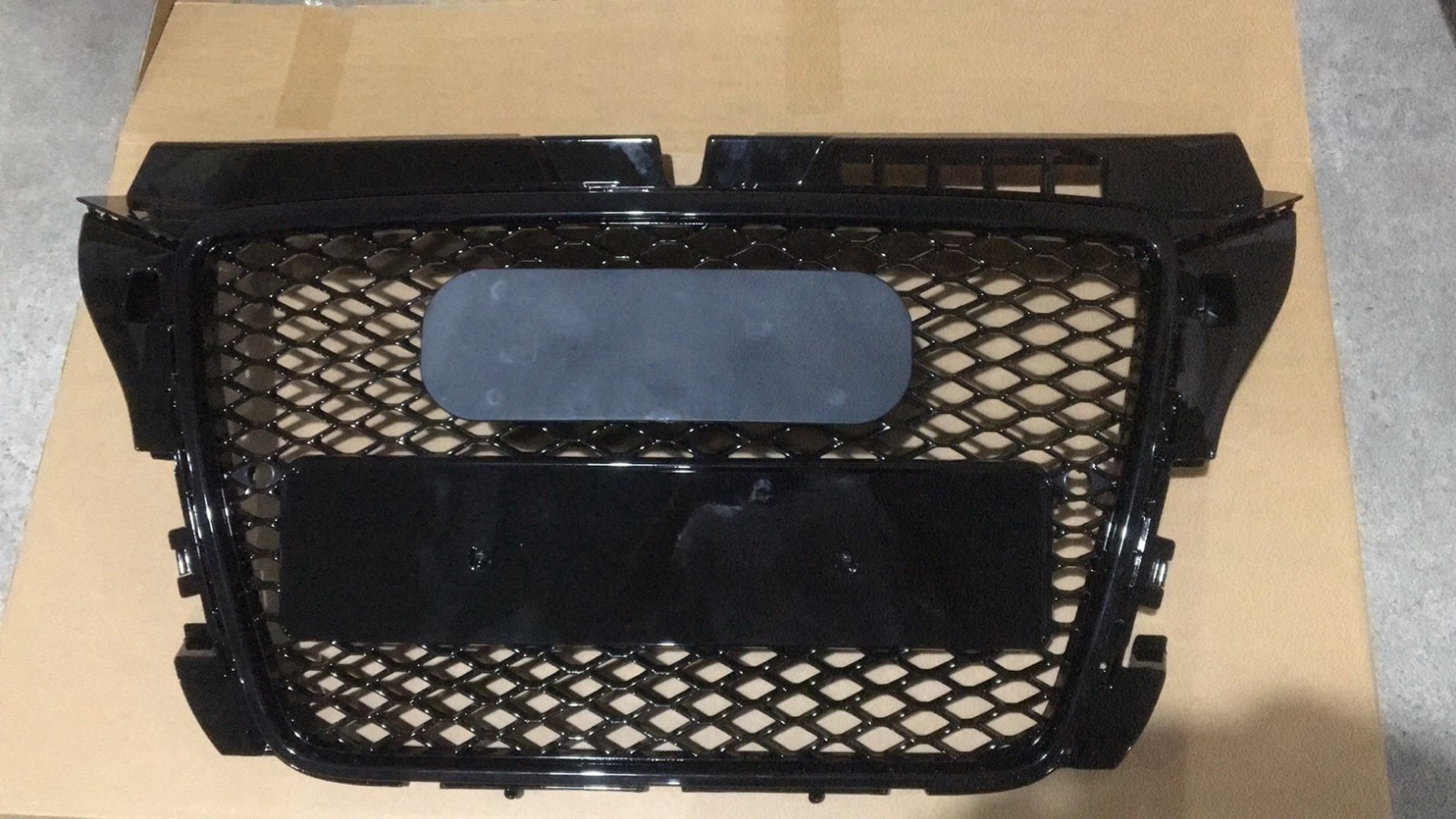
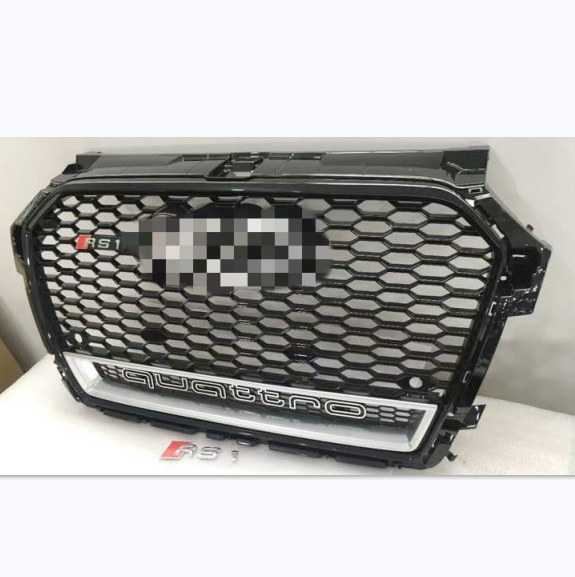
Car Grilles
Source premium car grilles from vetted suppliers and manufacturers across Asia. Designed for automotive distributors, wholesalers, and brands seeking reliable OEM and aftermarket production, our network delivers high-volume manufacturing with strict quality control and competitive pricing to scale your automotive parts business.
Sourcing automotive grilles at scale requires balancing aggressive unit costs with uncompromising fitment accuracy. As a highly visible component that also serves a critical structural and aerodynamic role, a grille must meet precise dimensional tolerances. The primary challenge in bulk procurement is identifying manufacturing partners capable of consistent injection molding and flawless surface finishing without dimensional warping over long production runs.
Material Specifications & Production Tolerances
The raw material dictates not only the impact resistance of the grille but also how well it accepts surface treatments like chrome plating or UV-resistant paint. Standard aftermarket production relies heavily on ABS, but OEM-level applications often require specialized blends.
| Material | Impact Resistance | Finish Compatibility | Typical Application |
|---|---|---|---|
| Standard ABS | Moderate | Excellent for Chrome/Paint | Economy Aftermarket |
| ABS + PC Blend | High | Very Good | Premium OEM/ODM Replacement |
| Polypropylene (PP) | Very High | Requires Adhesion Promoters | Off-Road / Heavy Duty |
| Aluminum Alloy | Extreme | Anodized or Powder Coated | Custom Billet Grilles |
When developing custom components, leveraging professional OEM/ODM Services ensures the factory selects the correct polymer melt flow index (MFI) to prevent weak spots in complex honeycomb or mesh designs.
The Tooling Reality: Injection Molding Precision
For plastic grilles, the steel mold is your largest upfront investment and the single biggest point of failure. If the tooling is poorly machined, every unit will suffer from flash, sink marks, or misaligned mounting tabs. Validating a factory's tooling shop—either in-house or subcontracted—is non-negotiable. Conducting thorough Factory Audits before transferring tooling deposits protects your capital and ensures the supplier has the CNC capabilities required for automotive-grade molds.
DFM (Design for Manufacturing)
Analyzing the 3D CAD model to optimize draft angles and gate locations, preventing warping during the cooling phase.
Mold Flow Analysis
Simulating the injection process to identify potential weld lines or air traps in intricate grille meshes.
T1 Sampling
The first test run of the mold. Expect dimensional deviations; this stage is for identifying necessary tooling adjustments.
Fitment Testing
Mounting the T2 or T3 samples onto a physical test buck or actual vehicle to verify clip engagement and panel gaps.
Need to validate a manufacturer's tooling capabilities before committing to a custom mold? We can help evaluate their technical infrastructure.
Talk to our teamQuality Control Checkpoints
Defects in car grilles often appear at the intersection of molding and finishing. Because grilles are exposed to harsh environmental conditions, surface degradation is a primary warranty driver. Implementing strict Quality Control & Inspection protocols at the factory level prevents these issues from reaching your warehouse.
Critical Inspection Points for Car Grilles
- Tab and Clip Integrity: Verify that mounting points are not brittle and can withstand the required insertion force.
- Plating Adhesion: Conduct cross-hatch adhesion testing on chrome-plated ABS to ensure the copper-nickel-chrome layers will not peel.
- Paint Finish: Inspect for orange peel, dust inclusions, or uneven clear coat application under specialized lighting.
- Dimensional Stability: Use CMM (Coordinate Measuring Machine) reports to confirm the grille matches the required CAD tolerances.
- Packaging Durability: Ensure individual units are properly nested with protective foam to prevent scratching during transit.
MOQs, Lead Times, and Pricing Dynamics
Understanding the standard operational metrics of Asian automotive parts manufacturers helps in structuring realistic procurement schedules and negotiating favorable terms.
Pricing is highly elastic based on the surface finish. A raw, unpainted ABS grille will cost significantly less than a multi-stage electroplated chrome variant. Furthermore, because grilles are voluminous but lightweight, they are highly susceptible to dimensional weight charges. Optimizing your container loads through strategic Shipping & Freight consolidation is critical to keeping your landed unit cost competitive.
Ready to optimize your automotive parts supply chain? Let's discuss your volume requirements and tooling needs.
Get a free consultationFrequently Asked Questions
Successfully sourcing car grilles in volume is less about finding the lowest quoted price and more about securing a manufacturing partner with the technical discipline to maintain fit and finish over thousands of units. By rigorously validating tooling capabilities and enforcing strict pre-shipment quality standards, you can build a resilient, highly profitable automotive parts supply chain.
Get Sourcing Help for Car Grilles
Tell us your requirements and our experts will connect you with verified manufacturers.