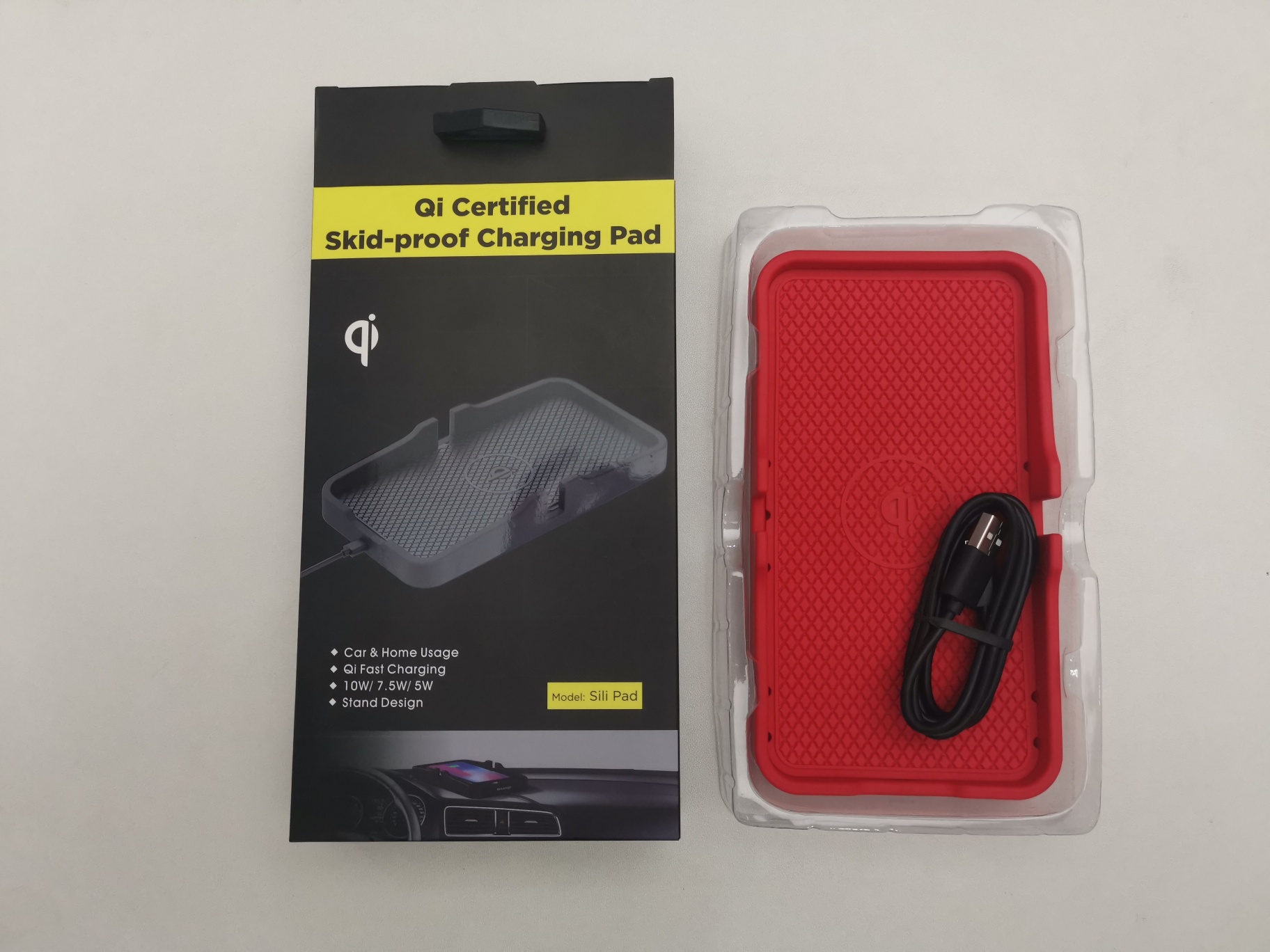
Car Chargers
Source high-quality Car Chargers from vetted suppliers and manufacturers across Asia. Designed for importers, wholesalers, and brands seeking reliable OEM and private-label production, our network delivers bulk pricing, strict compliance, and rigorous quality control.
Sourcing automotive electronics requires balancing rapid charging protocols with strict thermal management constraints. For bulk buyers, the challenge is not just finding a factory that can assemble a plastic shell and a PCB; it is identifying partners capable of integrating modern power delivery systems safely within the confined, temperature-variable environment of a vehicle cabin.
Critical Specifications for Modern Car Chargers
The shift toward high-capacity mobile devices and in-car laptops has pushed car charger requirements from basic 5V/1A outputs to complex, multi-protocol power delivery systems. When specifying requirements for your manufacturing partner, clarity on power architecture is non-negotiable.
| Feature | Standard Chargers | High-Performance (GaN/PD) |
|---|---|---|
| Typical Output | 12W to 30W | 45W to 120W+ |
| Protocols | Standard USB, QC 3.0 | PD 3.0, PPS, QC 4+ |
| Thermal Management | Basic aluminum heatsinks | High-density thermal potting compound |
| Primary Use Case | Smartphones, basic accessories | Laptops, fast-charging flagships |
Navigating power protocols and factory capabilities? Let our sourcing experts help you identify the right manufacturing partner.
Talk to our teamManufacturing Tolerances and Quality Control
A car charger's reliability is dictated by its PCB design and thermal dissipation strategy. The 12V to 24V DC input from a vehicle is notoriously unstable, subject to voltage spikes during engine ignition. High-quality chargers require robust step-down (buck) converters and over-voltage protection circuits.
When evaluating a factory or conducting Factory Audits, pay close attention to their component sourcing and assembly lines.
Key Quality Control Checkpoints
- PCB component density and isolation between high and low voltage traces.
- Application of thermal potting or silicone pads to transfer heat to the outer casing.
- Spring tension and plating quality on the negative and positive contact pins (poor contacts cause arcing).
- Housing material verification (must be V-0 flame-retardant PC or PC+ABS blends).
- Burn-in testing duration (minimum 2 to 4 hours at full load).
Catching defects early is critical. Implementing rigorous Quality Control & Inspection before shipment ensures that poorly soldered joints or subpar thermal materials do not make it into your inventory.
Regulatory Compliance and Certification
Automotive accessories face strict regulatory scrutiny. A non-compliant charger poses a significant fire risk and can interfere with a vehicle's internal electronics. Ensure your supplier can provide valid test reports for:
- CE & FCC: Mandatory for electromagnetic compatibility (EMC) in Europe and the US.
- RoHS: Restriction of hazardous substances in electrical components.
- E-Mark (ECE): While not always strictly enforced for plug-in aftermarket accessories in every region, E-Mark certification demonstrates a high standard of automotive electronic compliance.
If you are bringing a new design to market, leveraging professional Compliance & Testing services ensures your product meets all destination market legalities before mass production begins.
Sourcing Mechanics: MOQs, Pricing, and Lead Times
Factory capabilities in Shenzhen and Dongguan—the primary hubs for power electronics—vary widely. Understanding typical order structures helps in negotiating better terms.
For brands looking to differentiate, utilizing OEM/ODM Services allows for custom housing designs, proprietary LED ring indicators, and specific port configurations (e.g., dual USB-C versus C+A). Custom tooling typically adds 20 to 30 days to the initial development timeline and requires an upfront mold fee, which is often refundable after reaching a specific order volume.
Ready to scale your auto electronics line? We handle supplier negotiation, quality assurance, and logistics.
Get a free consultationFrequently Asked Questions
Sourcing reliable car chargers requires a deep understanding of power electronics, thermal dynamics, and strict regulatory standards. Partnering with factories that prioritize advanced PCB design and rigorous burn-in testing is the only way to build a sustainable, safe product line. When you are ready to secure high-performance manufacturing partners, professional sourcing support ensures your specifications are met without compromise.
Get Sourcing Help for Car Chargers
Tell us your requirements and our experts will connect you with verified manufacturers.