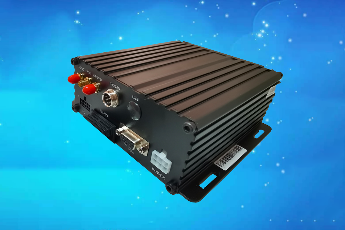
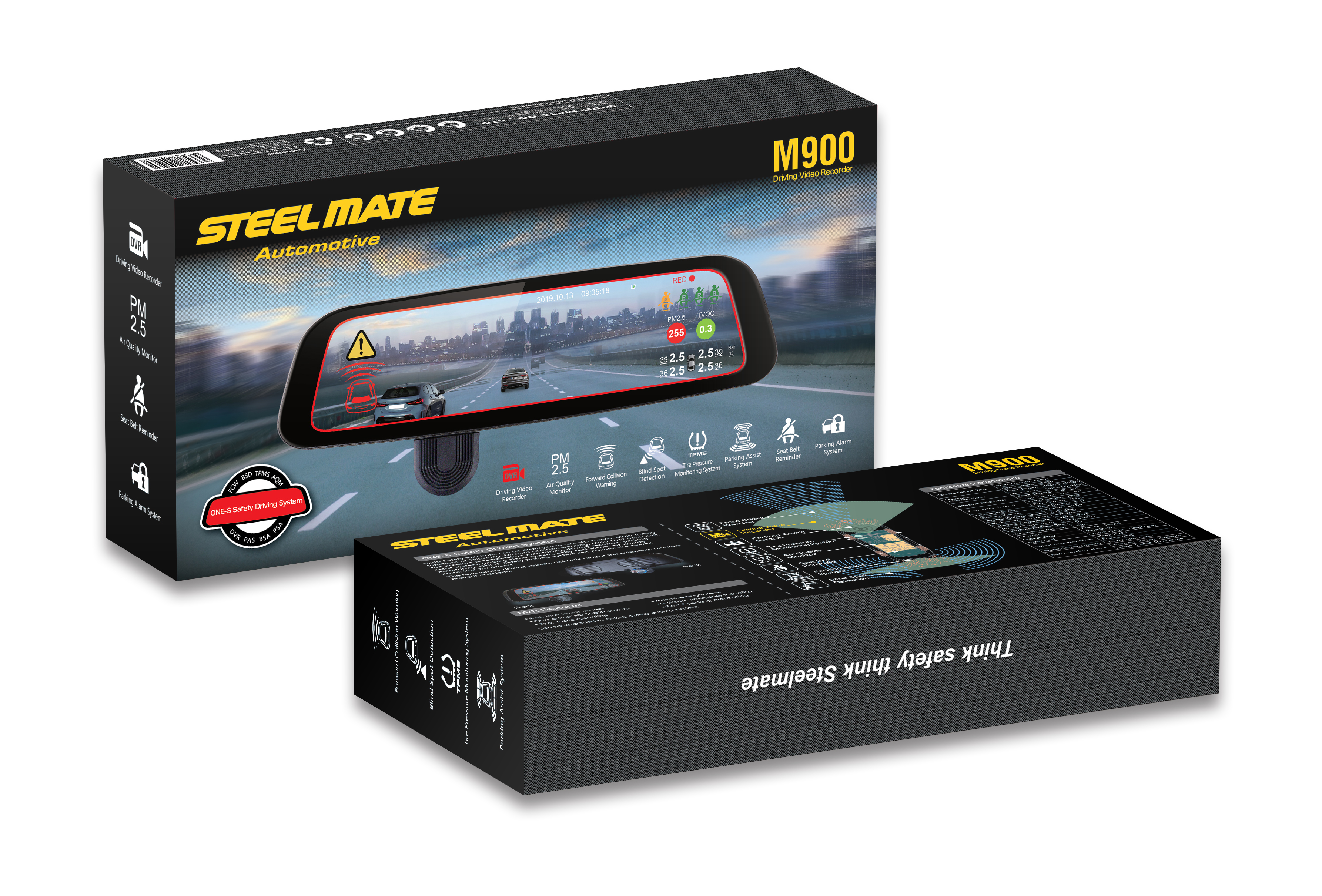
Car Black Boxes
Source high-quality car black boxes directly from vetted manufacturers and suppliers in Asia. Designed for importers, auto electronics distributors, and brands seeking reliable OEM and private-label production, our wholesale catalog offers advanced vehicle DVRs ready for volume procurement.
Sourcing reliable car black boxes (dash cams and vehicle DVRs) at scale requires navigating a highly fragmented manufacturing landscape, heavily concentrated in regions like Shenzhen and Dongguan. The primary procurement challenge is not finding a supplier, but rather securing a factory capable of delivering consistent thermal stability, authentic sensor performance, and stable firmware across thousands of units—without engaging in silent component substitution between batches.
Core Specifications and Component Architecture
The performance and reliability of a car black box dictate its market viability. Buyers must strictly define the internal architecture in their purchasing contracts, focusing on the System on Chip (SoC), the image sensor, and the power delivery method.
The SoC and Sensor Pairing
The processor handles video encoding, wide dynamic range (WDR) processing, and features like Wi-Fi or GPS logging. Leading factories utilize chipsets from Novatek, SigmaStar, or Ambarella. The image sensor is equally critical; Sony STARVIS sensors are the industry standard for low-light performance, while Omnivision provides reliable mid-tier alternatives.
A common issue in lower-tier manufacturing is resolution interpolation, where a 1080p sensor is paired with a firmware upscaler to falsely claim 4K output. Verification of the actual PCBA components is essential.
Power Delivery: Capacitors vs. Batteries
Vehicle interiors experience extreme temperature fluctuations. Lithium-ion batteries degrade rapidly under high heat, leading to swelling, leakage, or total failure. Professional-grade units rely on supercapacitors, which safely withstand temperatures exceeding 70 degrees Celsius (158 degrees Fahrenheit) and provide enough residual power to save the final video file during an abrupt power loss.
Need help verifying supplier specifications and component authenticity? Let our technical sourcing team assist you.
Get a free consultationManufacturing Tolerances and Quality Control
The assembly of optical electronics requires strict environmental controls. A factory's capability is often revealed by its lens assembly process and testing infrastructure.
Critical Factory Evaluation Criteria
- In-house SMT (Surface Mount Technology) lines for PCBA consistency
- Class 100 or better cleanrooms to prevent dust intrusion during lens assembly
- Thermal aging chambers capable of sustained high-temperature testing
- Vibration testing equipment to simulate long-term vehicle operation
If a manufacturer lacks cleanroom facilities, dust particles will inevitably settle on the sensor, causing permanent artifacts in the video footage. Furthermore, if the factory uses plastic lens barrels instead of all-glass components, the lens will warp under dashboard heat, resulting in a phenomenon known as "thermal defocus" where the video becomes permanently blurry. Conducting comprehensive Factory Audits before placing a volume order is the most effective way to verify these capabilities.
Customization and OEM/ODM Production
For brands looking to differentiate their product lines, engaging in OEM/ODM Services allows for tailored features ranging from custom outer casings to proprietary firmware and companion smartphone applications.
| Customization Level | Typical MOQ | Lead Time | NRE Costs |
|---|---|---|---|
| White Label (Logo & Packaging) | 500 - 1,000 units | 20 - 30 days | None to Low |
| Custom Firmware & App Integration | 1,000 - 3,000 units | 40 - 60 days | Medium |
| Full Custom (New Tooling & PCBA) | 5,000+ units | 90+ days | High (Tooling + R&D) |
When requesting custom firmware, ensure the supplier has an in-house software development team rather than relying entirely on third-party design houses, as this significantly impacts the speed of bug fixes and future updates.
Pricing, MOQs, and Production Lead Times
Pricing for car black boxes is highly volatile and scales directly with the cost of the image sensor and SoC. True 4K units with Sony sensors and supercapacitors will command a significant premium over entry-level 1080p models.
To mitigate the risk of component swapping—where a factory uses a premium sensor for the sample but a cheaper alternative for mass production—implementing rigorous Quality Control & Inspection protocols is mandatory. Pre-shipment inspections should include teardowns of randomly selected units from the production line to verify the internal hardware matches the approved golden sample.
Ready to negotiate pricing and establish strict quality control terms for your next order?
Talk to our teamFrequently Asked Questions
Procuring car black boxes requires a sharp focus on thermal stability, optical precision, and component authenticity. By strictly defining your bill of materials and enforcing rigorous factory-level testing, you can build a resilient product line that withstands the harsh realities of vehicle environments.
Get Sourcing Help for Car Black Boxes
Tell us your requirements and our experts will connect you with verified manufacturers.