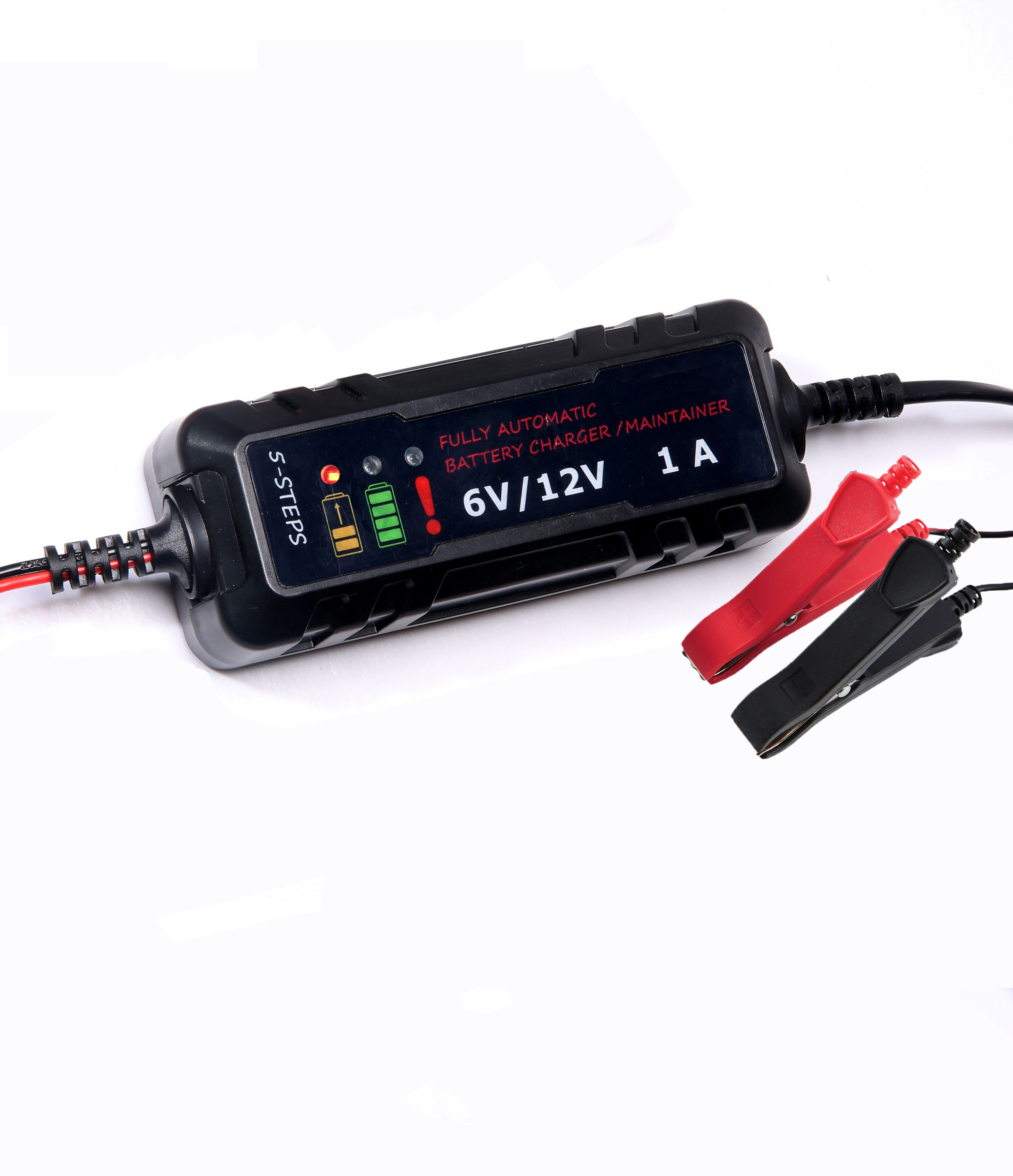
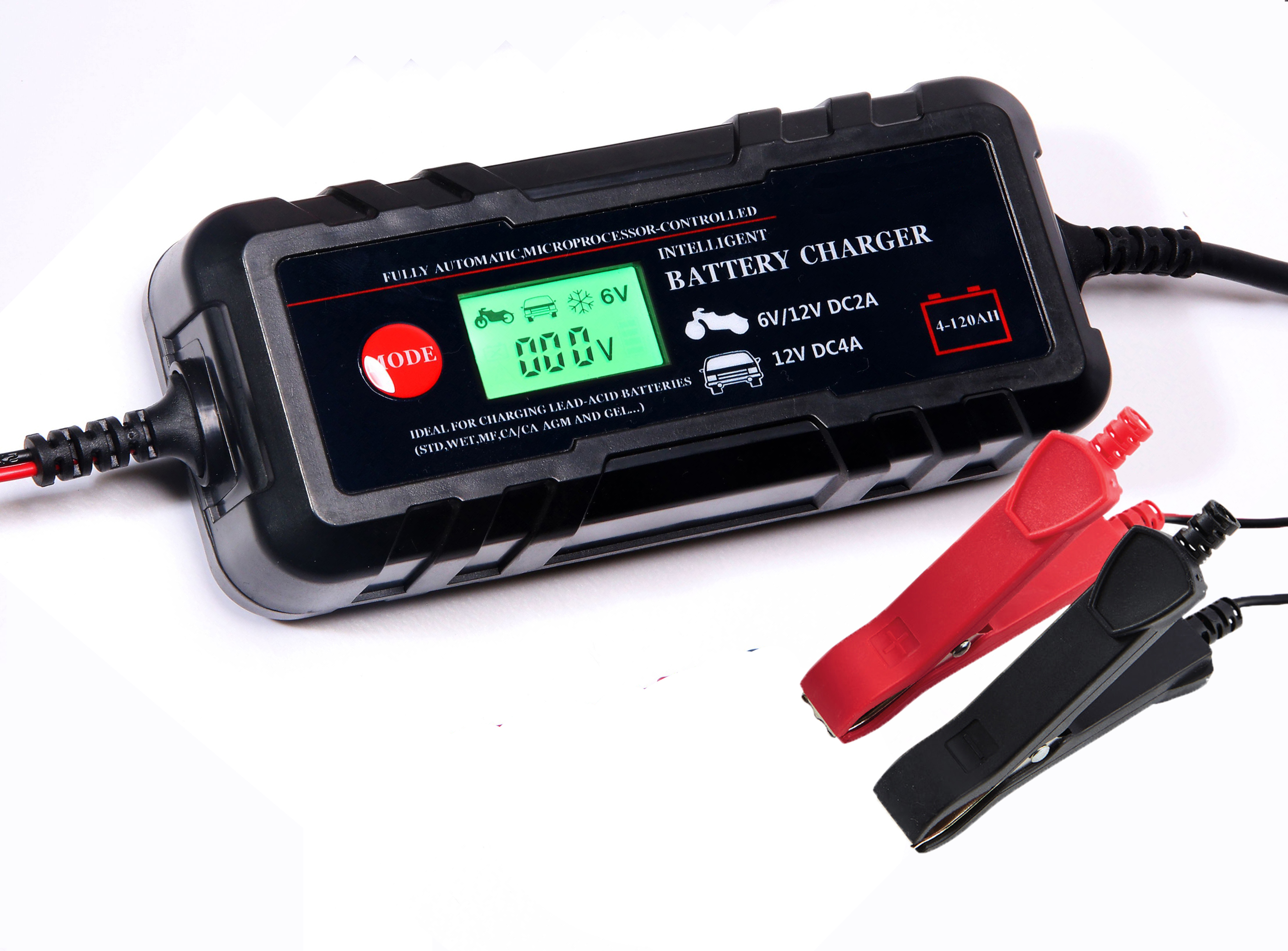
Car Battery Chargers
Source reliable Car Battery Chargers from vetted suppliers and manufacturers across Asia. Designed specifically for importers, automotive wholesalers, and brands requiring bulk wholesale or OEM/private-label production, our factory network delivers high-performance smart charging solutions built to rigorous international safety standards.
Sourcing automotive battery chargers requires balancing advanced charging algorithms with robust thermal management and strict safety compliance. For high-volume buyers, the core challenge is ensuring that the internal circuitry can consistently deliver the advertised amperage safely, without degrading the end-user's battery life or failing under continuous load.
Defining Specifications for Modern Smart Chargers
The market has shifted heavily from traditional linear trickle chargers to high-frequency, microprocessor-controlled smart chargers. When negotiating with manufacturers, the Bill of Materials (BOM) is heavily dictated by the sophistication of the charging IC (Integrated Circuit) and the quality of the power components.
Key technical specifications to define in your RFQ include:
- Charging Stages: Modern units should feature 7 to 9-stage charging profiles (desulfation, soft start, bulk charge, absorption, battery test, recondition, float).
- Chemistry Compatibility: Ensure the firmware supports standard Lead-Acid, AGM, Gel, and increasingly, LiFePO4 (Lithium Iron Phosphate) batteries.
- Safety Protections: Hardware-level protections for reverse polarity, short circuit, over-voltage, and over-temperature are non-negotiable for Western markets.
| Specification | Entry-Level Consumer | Professional/Workshop Grade |
|---|---|---|
| Amperage Rating | 2A to 5A | 10A to 25A+ |
| Cooling System | Passive (Aluminum Heatsink) | Active (Thermostatically Controlled Fan) |
| Housing Material | Standard ABS Plastic | Flame-retardant PC or Extruded Aluminum |
| Cable Quality | CCA (Copper Clad Aluminum) | 100% Pure Copper (AWG 12-14) |
Manufacturing Quality and Factory Evaluation
A charger's reliability is won or lost on the PCB assembly line. Poor soldering, inadequate conformal coating, or undersized capacitors lead to high defect rates and potential fire hazards. When conducting Factory Audits, it is critical to evaluate the supplier's testing infrastructure.
Critical Factory Verification Points
- In-house SMT (Surface Mount Technology) lines vs. outsourced PCB assembly.
- Burn-in testing protocols (duration and load percentage) for every production batch.
- Availability of programmable electronic loads for output verification.
- Traceability of critical components (e.g., MOSFETs, microcontrollers) to prevent substitution.
Ensure your manufacturer's quality control systems meet your market's regulatory demands.
Talk to our teamCustomization and Private Labeling
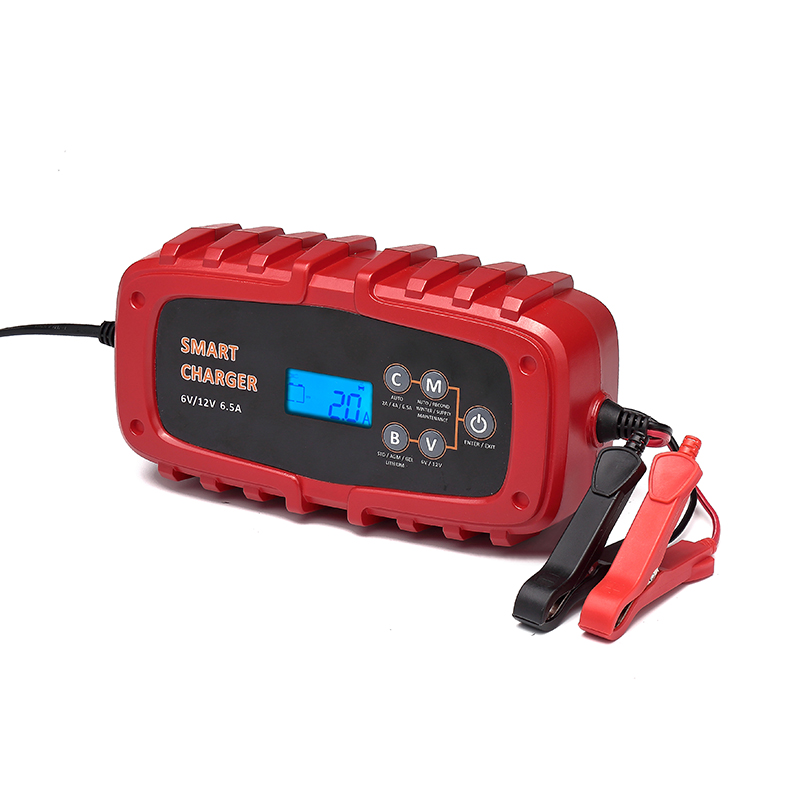
For brands looking to differentiate, off-the-shelf enclosures often lead to a race to the bottom on price. Engaging in OEM/ODM Services allows you to customize the product's industrial design, UI/UX (LCD displays vs. LED indicators), and specific charging algorithms.
When customizing, pay close attention to the tooling costs for new injection molds and the engineering fees for firmware modifications. Ensure that any changes to the housing do not compromise the thermal dissipation design, which could invalidate existing safety certifications.
Pricing, MOQ, and Production Realities
Unit costs for car battery chargers fluctuate based on copper prices, IC availability, and the required certification marks (UL/ETL for North America, CE/TUV for Europe).
To protect your margins and brand reputation, implementing rigorous Quality Control & Inspection prior to shipment is essential. Pre-shipment inspections should include high-pot (dielectric withstand) testing, functional load testing, and visual inspection of internal components to ensure the factory has not swapped authorized parts for cheaper alternatives.
Optimize your unit costs while maintaining strict component quality and compliance.
Get a free consultationFrequently Asked Questions
Successfully sourcing car battery chargers means looking past the outer casing and evaluating the electrical engineering inside. By partnering with manufacturers who prioritize component traceability and rigorous burn-in testing, you can build a reliable product line that stands up to professional use.
Get Sourcing Help for Car Battery Chargers
Tell us your requirements and our experts will connect you with verified manufacturers.