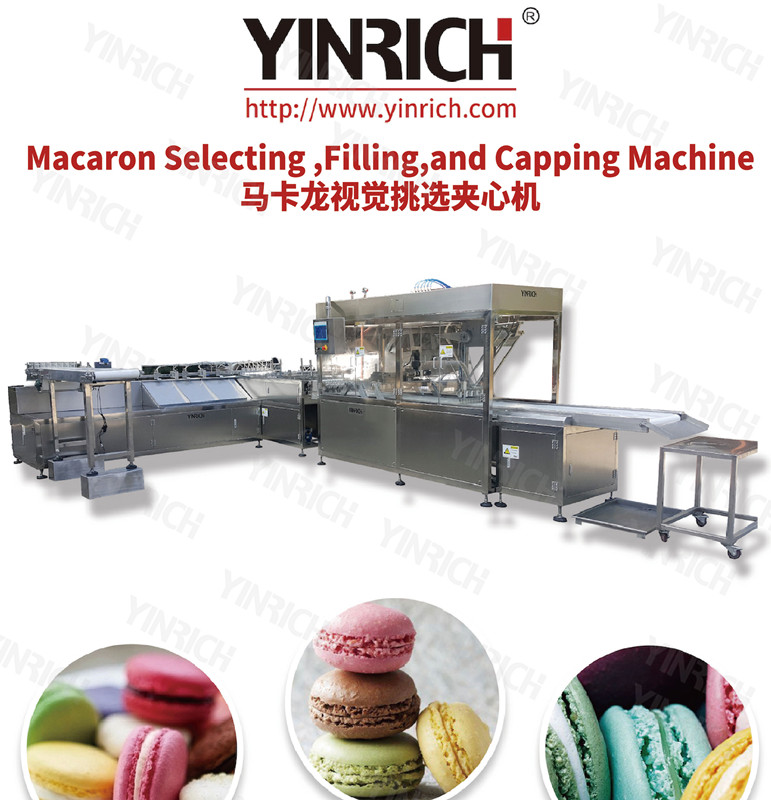
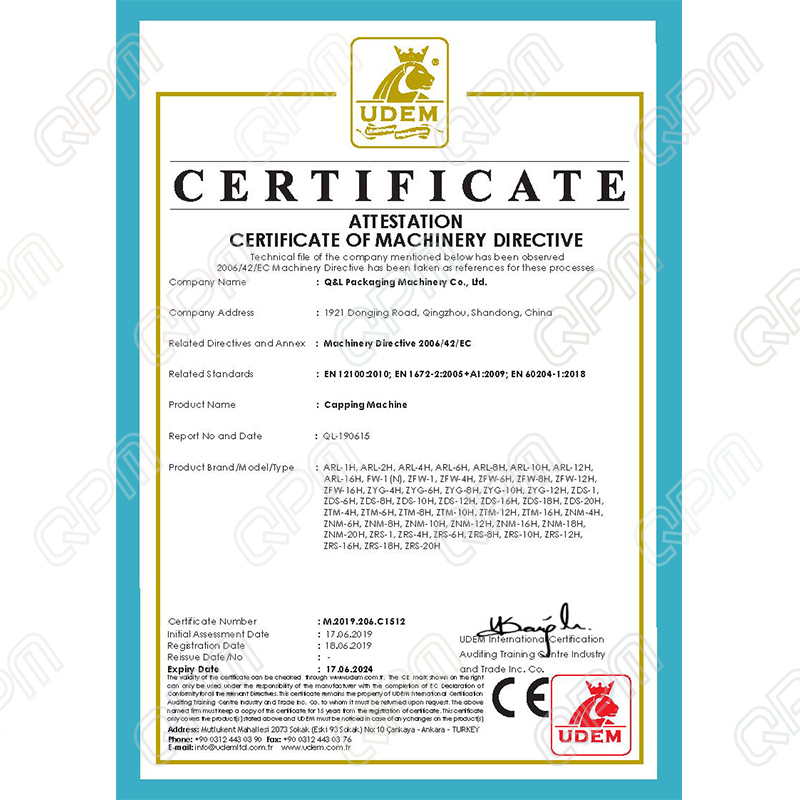
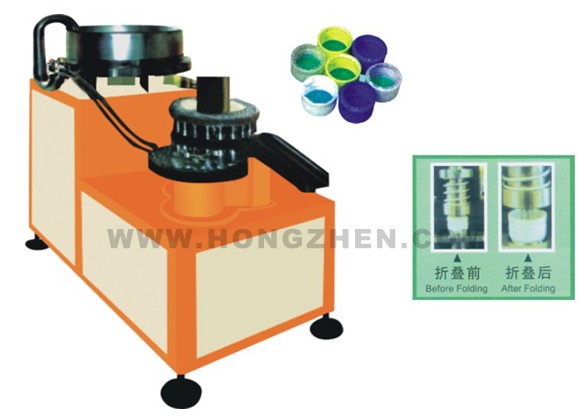
Capping Machines
Source industrial-grade capping machines from vetted suppliers and manufacturers across Asia. Designed for importers, distributors, and brands requiring reliable OEM production, our network delivers high-speed, precision capping equipment for bottling and packaging lines. Secure competitive wholesale pricing and rigorous quality assurance.
Sourcing industrial capping machinery requires precise alignment between the equipment's architecture, your specific closure formats, and target production line speeds. The core procurement challenge is rarely finding a machine that can apply a cap; rather, it is ensuring consistent, verifiable torque application without thread galling, cap scuffing, or container deformation during sustained high-speed continuous operation.
Core Capping Technologies and Specifications
Selecting the correct capping mechanism dictates the machine's footprint, changeover times, and tooling costs. Manufacturers typically specialize in one or two of these architectures.
| Capping Architecture | Ideal Closure Types | Typical Speed Range (BPM) | Key Advantage |
|---|---|---|---|
| Spindle (Retorquer) | Continuous thread, trigger sprayers | 50 to 200+ | Continuous motion, highly versatile |
| Chuck Capper | Flat caps, tamper-evident, pumps | 30 to 150 | Extreme torque precision and repeatability |
| Snap Capper | Press-on, snap-on, overcaps | 60 to 120 | Simple mechanics, low maintenance |
| ROPP (Roll-On) | Aluminum pilfer-proof (wine/spirits) | 40 to 400+ | Creates custom threads directly on the bottle |
Torque Control Systems: Pneumatic vs. Servo
The drive system controlling the capping heads is the primary differentiator in machine quality and price.
- Pneumatic Clutches: Standard on entry-level and mid-range equipment. They are cost-effective but susceptible to torque drift as air pressure fluctuates and clutch pads wear down.
- Servo-Driven Heads: Essential for pharmaceutical, cosmetic, and high-end beverage applications. Servo motors provide real-time torque feedback, allowing the PLC to reject improperly capped bottles instantly.
Need help validating a manufacturer's technical capabilities and engineering standards? We evaluate factory machining tolerances and PLC integration on your behalf.
Talk to our teamCritical Quality Checkpoints in Manufacturing
When sourcing capping equipment overseas, the quality of the raw materials and the sophistication of the electrical integration determine the machine's lifespan. Poorly machined chucks or unstable cap sorting bowls will cause constant line jams.
Factory Acceptance Testing (FAT) Criteria
- Torque Verification: Measure applied torque on a sample of 100 consecutive bottles using a calibrated digital torque tester.
- Cap Sorting Efficiency: Ensure the vibratory or centrifugal bowl orienter achieves a 99.5 percent or higher correct-orientation rate.
- Changeover Time: Verify that swapping star wheels and chucks for a different bottle format takes under 20 minutes.
- Component Authenticity: Confirm the presence of specified PLC brands (e.g., Siemens, Allen-Bradley, Mitsubishi) and pneumatics (SMC, Festo).
Relying solely on a supplier's word for these metrics is risky. Implementing rigorous Quality Control & Inspection during the final assembly phase ensures the machine performs to your exact specifications before it is crated for export. Furthermore, executing thorough Factory Audits prior to placing a deposit ensures the supplier actually machines their own components rather than just assembling cheap outsourced parts.
Customization, Pricing, and Lead Times
Most capping machines are built to order based on the buyer's specific bottle and cap samples.
Custom Tooling and OEM Modifications
If you are running proprietary bottle shapes or unique closure designs, you will need custom star wheels, feed screws, and chuck inserts. Engaging in OEM/ODM Services allows you to tailor the machine's sorting elevator and rejection mechanisms to your specific packaging line layout.
Market Realities: Price Drivers and Lead Times
- MOQ: 1 Unit. Capping machines are capital equipment, so bulk minimums do not apply.
- Lead Times: Standard machines typically require 30 to 45 days for manufacturing. Highly customized servo-driven rotary cappers can take 60 to 90 days.
- Pricing: A basic semi-automatic pneumatic chuck capper can cost a few thousand dollars, while a fully automatic, multi-head servo rotary capper with integrated camera inspection can easily exceed fifty thousand dollars. The primary cost multipliers are the number of capping heads, the use of servo motors over pneumatics, and the integration of washdown-rated (IP65/IP67) stainless steel construction.
Discuss your production line speeds, cap formats, and budget. We can match your technical requirements with a vetted, capable manufacturer.
Get a free consultationFrequently Asked Questions
Successfully sourcing capping machinery comes down to sending exact physical samples of your containers and closures to the factory early in the process. A machine is only as reliable as the tooling machined for your specific product. By validating engineering capabilities and enforcing strict pre-shipment performance testing, you can secure high-performance packaging infrastructure at highly competitive price points.
Get Sourcing Help for Capping Machines
Tell us your requirements and our experts will connect you with verified manufacturers.