Canopy Lights
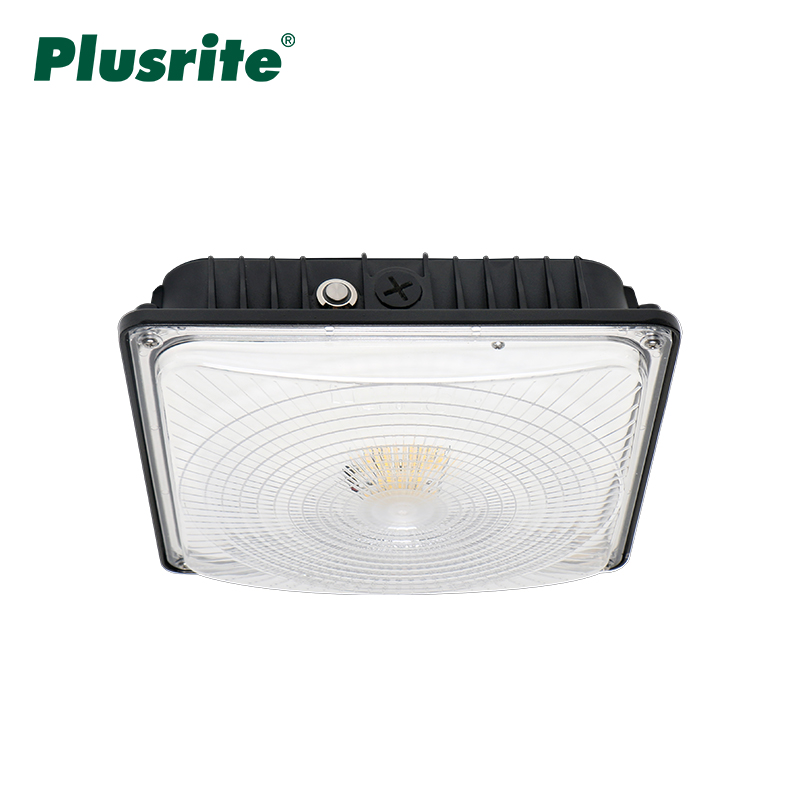
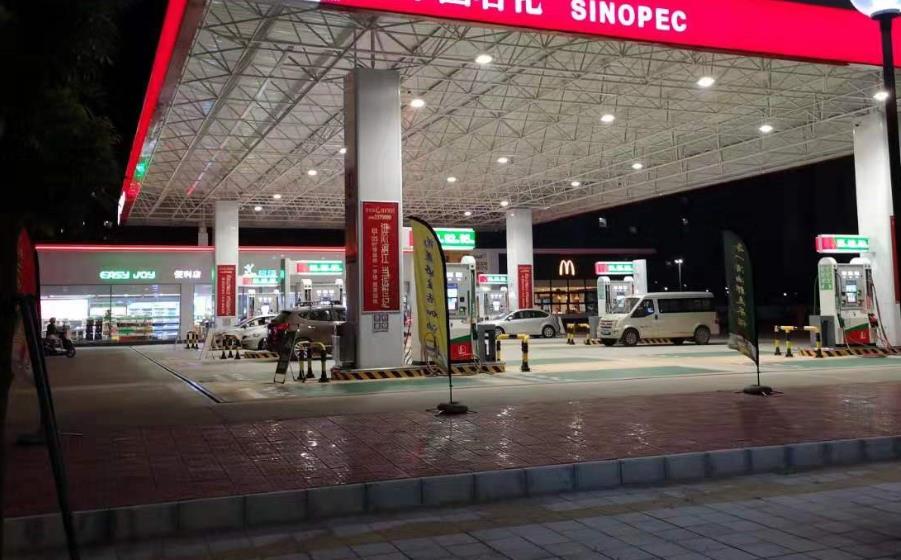
Source commercial-grade canopy lights from vetted manufacturers and suppliers in China. Designed for importers, wholesalers, distributors, and brands seeking reliable OEM/ODM production, our factory-direct sourcing ensures high-performance lighting solutions for gas stations, parking garages, and industrial facilities.
Sourcing commercial canopy lights requires balancing high lumen output with aggressive thermal management. Because these fixtures operate in semi-outdoor environments—gas stations, parking garages, and drive-thrus—they face continuous exposure to moisture, temperature fluctuations, and extended operating hours. A failure in the field means expensive maintenance for your end-users. Procuring reliable units in bulk means looking past the spec sheet and scrutinizing the factory's component supply chain and assembly processes.
Critical Specifications and Component Selection
The longevity of a canopy light is dictated by its core components: the LED chips, the driver, and the heat sink. When negotiating with manufacturers, specifying the exact brand and tier of these components is essential to avoid "spec fade" during production.
Driver and Voltage Requirements
The LED driver is the most common point of failure. While standard commercial buildings operate on 120-277V, industrial facilities and large gas station canopies frequently require high-voltage drivers (347-480V). Specifying isolated drivers from reputable brands (like Mean Well, Inventronics, or Sosen) with built-in surge protection (typically 4kV to 10kV) is non-negotiable for commercial applications.
| Component | Standard Commercial | High-Performance / DLC Premium |
|---|---|---|
| LED Chips | Epistar / San'an (Standard efficacy) | Lumileds / Cree / Nichia (High efficacy) |
| Driver | Generic isolated, 2-3 year warranty | Mean Well / Inventronics, 5+ year warranty |
| Housing | Thin die-cast aluminum, basic fins | Heavy-duty die-cast, optimized thermal pathways |
| Surge Protection | Built-in 2kV - 4kV | Dedicated 10kV surge protection device (SPD) |
Need help navigating component selection and supplier capabilities? We can match your technical requirements with a vetted manufacturer.
Talk to our teamManufacturing Tolerances and Quality Control
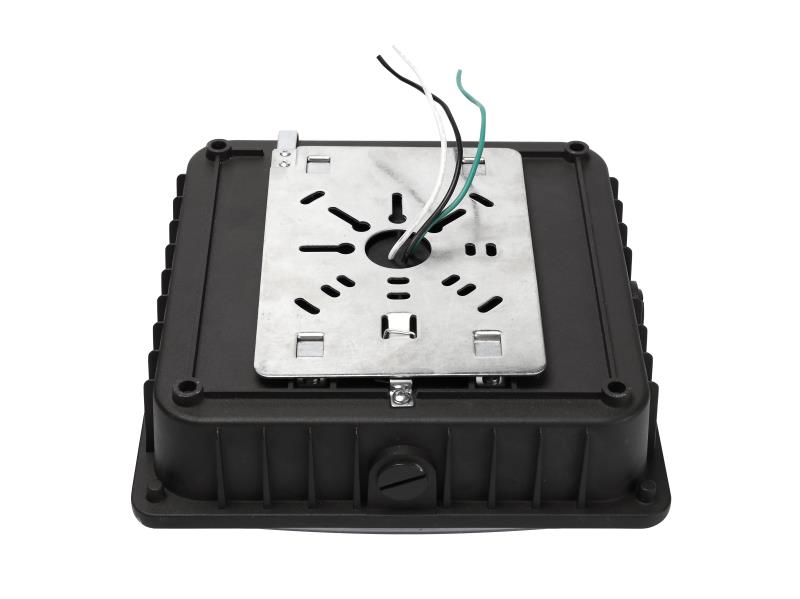
The physical housing of a canopy light serves as its primary heat sink. Most high-quality units utilize die-cast aluminum. Poor die-casting processes can introduce porosity (air bubbles) inside the aluminum, which severely degrades thermal conductivity. If heat cannot escape, the LED chips will degrade rapidly, causing a noticeable color shift and lumen depreciation well before the rated lifespan.
Before committing to a supplier, executing thorough factory audits is crucial to verify their die-casting machinery, thermal testing labs, and aging-test procedures.
Essential Quality Control Checks
When setting up your quality control plan, ensure your third-party inspectors verify the following during pre-shipment inspections:
Pre-Shipment Inspection Focus Areas
- Thermal Imaging: Verify heat distribution across the housing during the aging test.
- Hipot (High Potential) Testing: Ensure electrical insulation integrity, especially for high-voltage SKUs.
- Waterproofing (IP Rating): Check the integrity of the silicone gaskets and cable glands.
- Surge Protection Verification: Confirm the specified SPD is actually installed on the board.
- Photometric Data: Verify lumen output, CCT (Color Correlated Temperature), and CRI against the golden sample.
Customization and Smart Controls
Modern canopy lighting is increasingly shifting toward smart controls to maximize energy savings. If you are developing a proprietary product line through OEM/ODM services, integrating microwave motion sensors, daylight harvesting photocells, and Bluetooth mesh networking (like Casambi) is highly recommended. Ensure the manufacturer has experience routing the antennas outside the heavy aluminum housing to prevent signal blocking.
Pricing, MOQs, and Lead Times
Pricing for canopy lights fluctuates based on aluminum commodities, LED chip tiers, and driver selection.
- Standard SKUs: Typical MOQs range from 100 to 200 units. Lead times generally run 25 to 35 days.
- Custom / OEM Projects: If you require custom die-cast molds for a unique housing design or specific smart-sensor integrations, expect MOQs of 500 units or more, with initial lead times extending to 45-60 days to account for tooling and prototyping.
- Certifications: If your market requires specific rebate-eligible certifications (like DLC Premium in North America), ensure the factory's exact SKU is listed. If modifications are made, you may need to arrange independent compliance testing.
Managing MOQs, tooling costs, and production timelines can be complex. Let us help you structure a reliable supply chain for your lighting products.
Get a free consultationFrequently Asked Questions
Securing a reliable supply of commercial canopy lights means looking beyond the lowest unit price and focusing on thermal management, driver quality, and rigorous assembly standards. By strictly defining your Bill of Materials (BOM) and maintaining tight oversight on the factory floor, you can import fixtures that deliver decades of reliable performance.
Get Sourcing Help for Canopy Lights
Tell us your requirements and our experts will connect you with verified manufacturers.