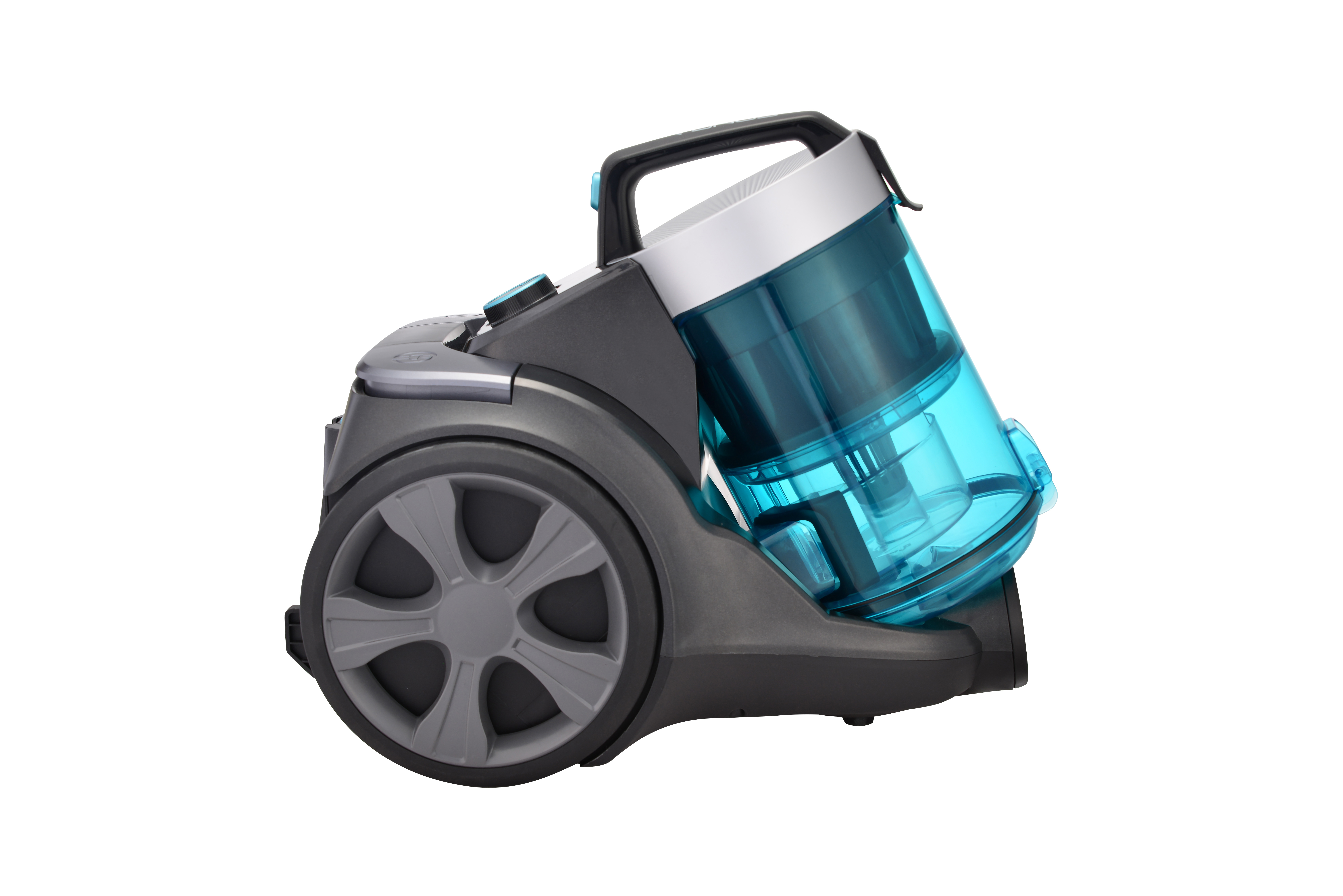
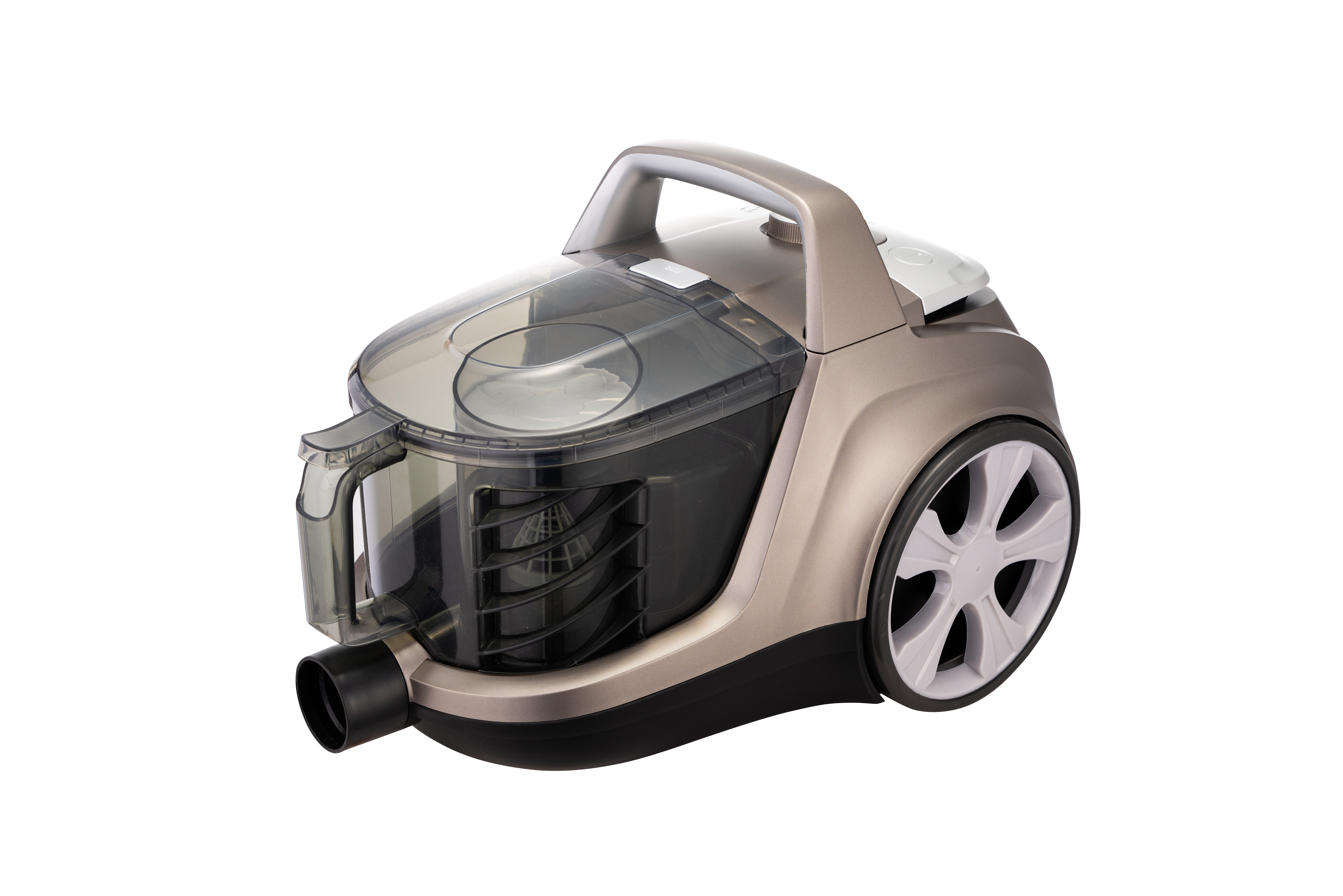
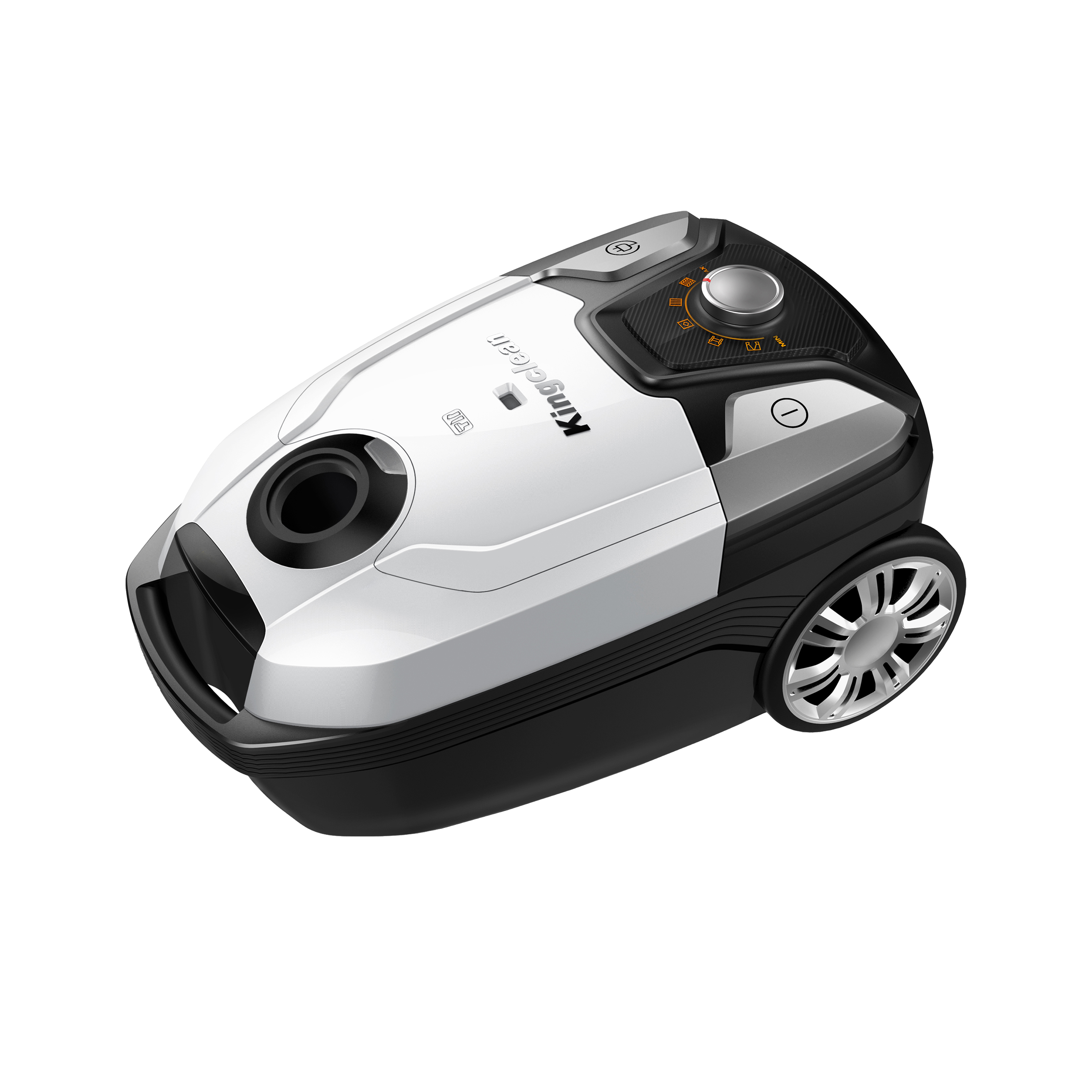
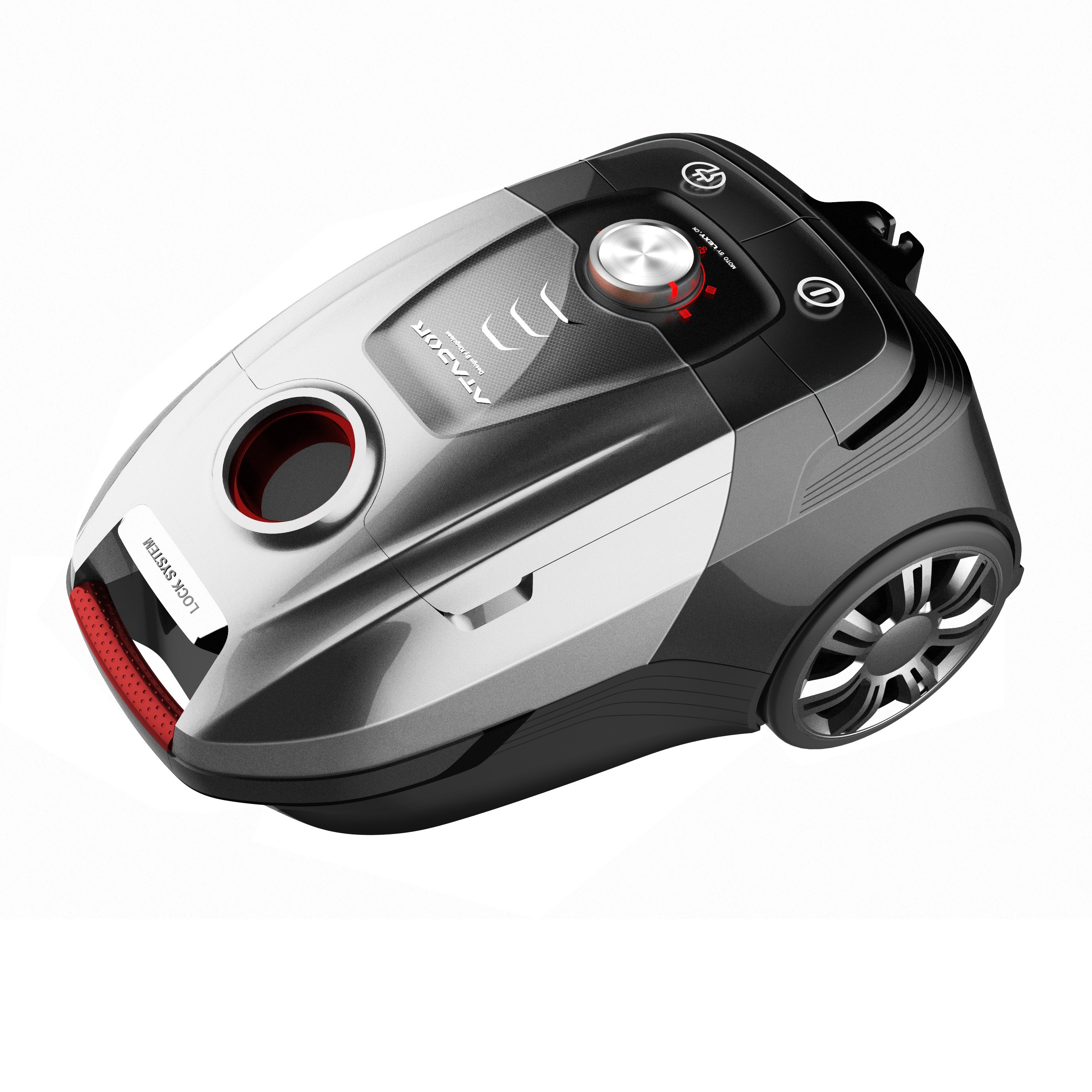
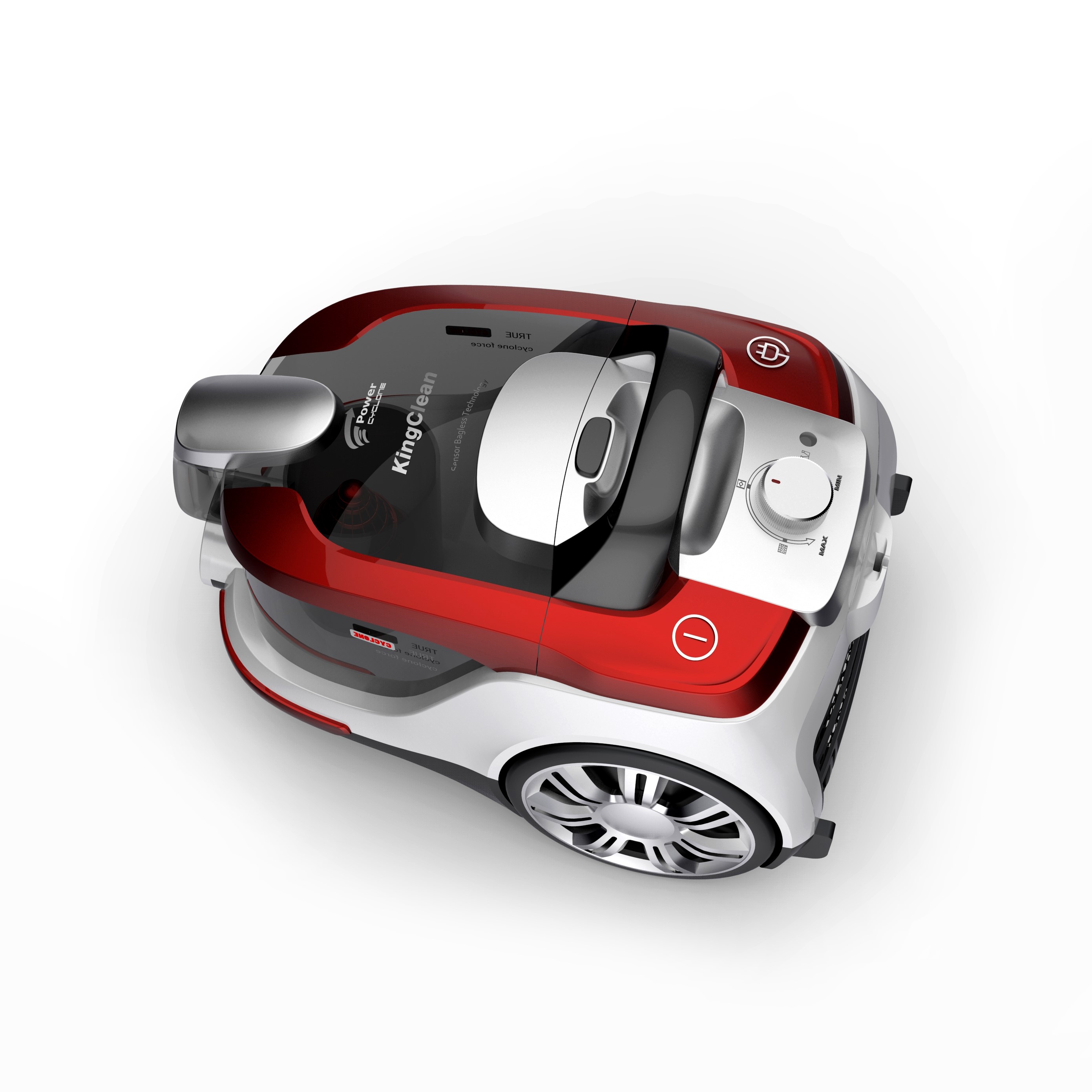
Canister Vacuums
Source premium canister vacuums from vetted manufacturers and wholesale suppliers across Asia. This catalog serves importers, distributors, and appliance brands looking for reliable OEM and private-label production. Compare factory-direct pricing and capabilities for high-volume orders.
Sourcing canister vacuums at scale requires balancing raw suction power with acoustic dampening and strict filtration standards. For high-volume buyers, the challenge lies in specifying the right motor technology and ensuring the factory's injection molding and assembly tolerances support true HEPA sealing. A visually appealing unit will fail market expectations if the internal airflow design allows particulate bypass or if the motor overheats under sustained load.
Specifying Motor Performance and Airflow
When negotiating specifications with a manufacturer, avoid relying solely on wattage (e.g., 1200W or 2000W). High wattage indicates electrical consumption, not necessarily cleaning efficiency, and is increasingly restricted by regional energy regulations (such as EU eco-design directives). Instead, base your performance requirements on Air Watts (AW), sealed suction (measured in kPa), and airflow volume (CFM or CMM).
You will generally choose between two motor architectures, which dictate the product's market positioning and cost:
| Motor Technology | Typical Lifespan | Acoustic Profile | Cost Impact |
|---|---|---|---|
| AC Universal (Brushed) | 500 to 800 hours | Higher noise, requires dampening | Baseline / Economical |
| BLDC (Brushless DC) | Over 2,000 hours | Quieter, higher pitch | Premium (+30-50%) |
Always specify where the suction is measured. Factories often quote the suction at the motor intake. You must demand the performance metrics measured at the end of the hose or at the floorhead, as poorly designed hoses and wands can cause a 20% to 40% drop in effective suction.
Filtration Integrity and Material Selection
A canister vacuum is only as effective as its seals. If unfiltered air leaks through the chassis before reaching the exhaust filter, the unit will fail particulate emission testing, rendering any HEPA claims invalid.
High-quality manufacturers use ABS plastic for the main chassis due to its impact resistance, while dust bins on bagless models require high-clarity Polycarbonate (PC) to prevent clouding and cracking over time. Rubber gaskets (TPE or silicone) must be securely fitted, not just glued, to maintain integrity after hundreds of thermal cycles.
Critical Factory-Floor QC Checks
- Smoke testing: Injecting smoke into the intake to verify zero leakage around chassis seams.
- Cord rewind endurance: Minimum 5,000 retraction cycles without spring failure.
- Thermal cutoff validation: Ensuring the motor shuts down safely when the intake is deliberately blocked.
- Hose crush testing: Verifying the EVA or PVC hose recovers its shape after being stepped on.
Catching sealing defects or brittle plastics early is critical. Implementing rigorous Quality Control & Inspection during the first production run prevents costly container-level rejections.
Ensure your next vacuum line meets strict market compliance and performance standards.
Talk to our teamSourcing Regions and Supplier Verification
The manufacturing hub for canister vacuums is heavily concentrated in China, specifically in the Jiangsu (Suzhou) and Zhejiang (Ningbo) provinces. Suzhou factories often lead in premium, smart-tech, and BLDC integrations, while Ningbo excels in cost-effective, high-volume production.
When evaluating a supplier, their in-house testing capabilities are a major indicator of reliability. A capable factory will have an acoustic testing chamber, motor dynamometers, and automated aging racks. Conducting thorough Factory Audits ensures you are dealing with a true manufacturer with adequate engineering resources, rather than an assembler relying entirely on off-the-shelf, mismatched components.
MOQs, Lead Times, and Pricing Drivers
Unit costs in this category are highly sensitive to customization and included accessories. A motorized powerhead for carpets, for example, requires electrical routing through the hose and wand, significantly increasing both tooling complexity and unit cost compared to a standard air-driven turbine head.
For brands looking to develop proprietary designs rather than white-labeling existing factory molds, utilizing dedicated OEM/ODM Services is the most efficient path to market, ensuring exclusive rights to the tooling and distinct market positioning.
Optimize your unit costs and secure reliable production timelines for your floor care range.
Get a free consultationFrequently Asked Questions
A canister vacuum's reliability is ultimately won or lost in the motor selection and the integrity of its internal seals. By specifying precise airflow metrics and enforcing strict assembly tolerances, you protect your brand from high return rates and negative market feedback.
Get Sourcing Help for Canister Vacuums
Tell us your requirements and our experts will connect you with verified manufacturers.