Camping Tents
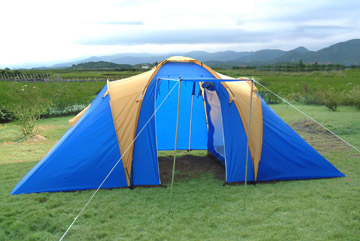
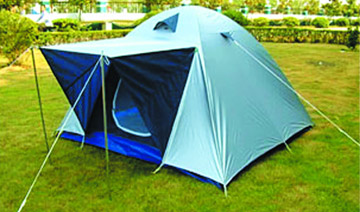
Source high-quality camping tents directly from vetted manufacturers and suppliers. Designed for importers, wholesalers, and outdoor brands seeking reliable OEM and private-label production. Secure competitive bulk pricing on durable tents built for diverse climates and demanding environments.
Sourcing camping tents at scale requires a precise balance of material science, structural engineering, and rigorous factory oversight. Whether you are developing lightweight backpacking shelters or heavy-duty family cabin tents, the difference between a high-performing product and a warranty nightmare lies in the details: fabric denier, coating chemistry, pole alloy grades, and the consistency of factory-level seam sealing.
Defining Core Tent Specifications
When briefing a manufacturer, vague requests lead to inconsistent production. You must define the exact technical parameters for the canopy, rainfly, and floor.
Fabric and Weatherproofing
The primary metric for tent fabric is the Hydrostatic Head (HH) rating, measured in millimeters. While standard recreational tents typically require a 1500mm to 2000mm rating, expedition or four-season tents demand 3000mm and above. Floor materials often require higher ratings (up to 10000mm) due to the pressure exerted by occupants.
Equally critical is the coating applied to the polyester or nylon base fabric.
| Coating Type | Characteristics | Application | Cost Profile |
|---|---|---|---|
| Polyurethane (PU) | Standard waterproofing, can degrade via hydrolysis over time if stored wet. | Recreational and family tents. | Economical |
| Silicone (Silnylon) | Highly water-resistant, increases fabric tear strength, UV resistant. | Premium backpacking and expedition tents. | Premium |
| Sil/PU Hybrid | Silicone outer face for UV/tear resistance, PU inner face for easy seam taping. | Mid-to-high end performance tents. | Moderate to High |
Pole Architecture and Metallurgy
The structural integrity of a camping tent relies entirely on its pole system. Fiberglass poles are common in entry-level tents but are prone to splintering under lateral stress. For performance tents, specify aluminum alloys. 7001 and 7005 series aluminum are industry standards for their high yield strength and flexibility. Ensure the factory uses reliable shock cord (elasticity retention in cold weather is a key testing point) and precisely machined ferrules to prevent stress fractures at the joints.
Developing a custom tent architecture? Merhein can help you source capable manufacturers with advanced structural engineering experience.
Talk to our teamManufacturing Tolerances and Quality Control
The factory floor is where a solid design either succeeds or fails. Tents involve extensive cut-and-sew operations, making them highly susceptible to human error. Consistent Quality Control & Inspection is non-negotiable, particularly during the seam-taping phase.
Critical Factory-Level Quality Checks
- Seam Tape Adhesion: Ensure PU tape is applied at the correct temperature and pressure to prevent peeling.
- Stitch Density: Verify the factory maintains a consistent 8 to 10 stitches per inch (SPI) to balance seam strength with fabric integrity.
- Stress Point Reinforcement: Bar-tack stitching at guy-out points, pole sleeves, and stake loops.
- Zipper Operation: Test for smooth operation under tension; specify reputable brands (like YKK or SBS) to reduce failure rates.
- Dimensional Stability: Ensure the inner tent and rainfly pitch with correct tension, avoiding sagging that causes water pooling.
Regulatory Compliance and Flammability
In many global markets, including North America, camping tents must meet specific flammability standards. CPAI-84 is the most widely recognized standard for flame resistance in recreational tents. Ensure your manufacturer is applying the correct fire-retardant (FR) treatments and that you have a plan for independent Compliance & Testing before the shipment leaves the factory.
Pricing, MOQs, and Production Realities
Navigating the commercial side of tent manufacturing requires understanding typical factory constraints.
Pricing is heavily dictated by fabric choices and pole materials. Moving from fiberglass to 7001 aluminum poles can increase the FOB price significantly, just as upgrading from standard PU-coated polyester to a ripstop silnylon will. When utilizing OEM/ODM Services, be prepared to negotiate based on total annual volume rather than single-run orders to secure better pricing tiers.
Need to negotiate better terms or manage complex production schedules? Partner with Merhein to streamline your supply chain.
Get a free consultationBuyer FAQ
Sourcing reliable camping tents at scale is an exercise in risk mitigation. A minor oversight in fabric coating or stitch tension can ruin an entire production run. Conducting thorough Factory Audits to verify a supplier's machinery, quality management systems, and ethical compliance is the most effective way to protect your brand and your bottom line before a single tent is stitched.
Get Sourcing Help for Camping Tents
Tell us your requirements and our experts will connect you with verified manufacturers.