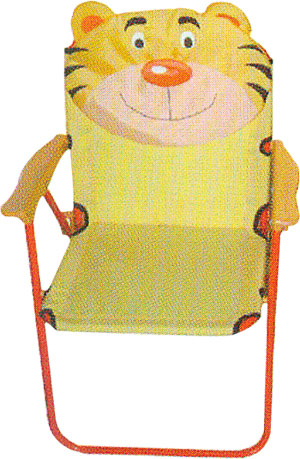
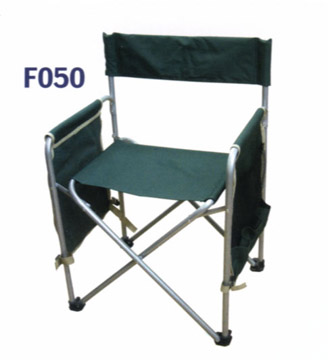
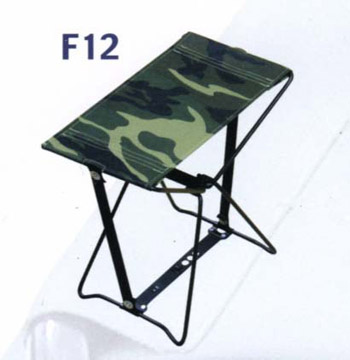
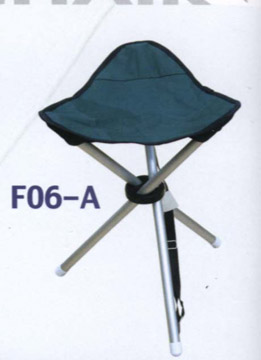
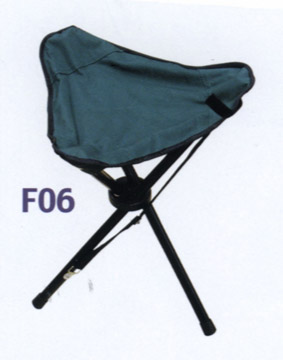
Camping Chairs
Source premium camping chairs directly from vetted manufacturers and wholesale suppliers in Asia. Designed for importers, outdoor equipment distributors, and brands seeking reliable OEM and private-label production, our network delivers high-volume manufacturing with strict quality control.
Sourcing camping chairs at scale requires a precise balance of structural integrity, portability, and cost-efficiency. For volume buyers, the difference between a high-return liability and a durable bestseller lies deep in the technical specifications: frame wall thickness, joint engineering, and fabric density. Successfully managing an overseas supply chain for outdoor furniture means moving past superficial designs and strictly controlling the mechanical components that dictate load capacity and lifespan.
Core Specifications and Material Selection
When negotiating with manufacturers, specifying the exact grade of materials is critical. Factories will naturally optimize for cost unless held to strict technical tolerances.
Frame Materials and Wall Thickness
The frame dictates the chair's weight, price, and load-bearing capacity. Standard steel frames dominate the entry-level market, while aluminum alloys are mandatory for lightweight and premium models.
| Material | Typical Application | Wall Thickness Required | Key Characteristics |
|---|---|---|---|
| Q195 / Q235 Steel | Entry-level & heavy-duty | 0.8mm to 1.0mm | Heavy, prone to rust if powder coating fails, highly durable. |
| 6061 Aluminum | Mid-range lightweight | 1.0mm to 1.2mm | Good balance of weight and cost, rust-resistant. |
| 7075 Aluminum | Premium backpacking | 1.2mm to 1.5mm | Aviation grade, exceptional strength-to-weight ratio, higher cost. |
Fabric and Coatings
The industry standard for seating fabric is Oxford polyester. Buyers must specify both the denier (D) and the backing material. A 600D Oxford fabric with a PVC coating is standard for basic models, offering good durability and water resistance. For premium or heavy-duty models, upgrading to 900D or 1000D with a PU (polyurethane) coating reduces the chemical smell associated with PVC and improves tear resistance under tension.
Need to secure reliable production for custom outdoor gear? We manage factory negotiations, spec verification, and production oversight.
Talk to our teamManufacturing Weak Points: Where Quality is Lost
A camping chair rarely fails in the middle of a steel tube; it fails at the connection points. When evaluating a supplier or conducting Factory Audits, focus on the assembly and hardware.
Critical Inspection Points for Production
- Plastic Hubs and Joints: Ensure factories use virgin Nylon or high-impact ABS, not recycled PP (polypropylene), which becomes brittle in cold weather and shatters under dynamic loads.
- Rivets and Fasteners: Rivets must be pressed cleanly without crushing the internal tube wall. Loose rivets lead to frame shear.
- Stitching at Stress Points: The corners where the frame meets the fabric must feature double stitching, reinforced webbing, or bartack stitching to prevent tear-out.
- Surface Treatment: Powder coating on steel frames must be uniform and pass cross-hatch adhesion testing to prevent premature rust.
Implementing rigorous Quality Control & Inspection protocols during the assembly phase is the only way to catch these issues before the goods are containerized.
Customization and OEM Production
Most suppliers operate on an OEM/ODM Services model, allowing brands to modify existing molds or apply custom branding. Customization typically involves:
- Fabric Printing: Heat transfer printing for complex patterns or silk-screen printing for simple logos.
- Color Matching: Pantone-matched fabrics and powder-coated frames.
- Packaging: Branded carry bags (ensure the bag fabric is at least 210D or 300D to prevent tearing during transport) and custom hangtags.
Typical MOQs, Pricing, and Lead Times
Pricing in the outdoor furniture sector fluctuates with global steel and aluminum indices. Minimum Order Quantities (MOQs) are largely dictated by the fabric mills rather than the assembly factories.
Tooling Costs for Custom Frames
If your design requires custom plastic hubs or unique tube bending (outside the factory's existing catalog), expect tooling costs and extended lead times. Always secure ownership of the molds in your manufacturing contract.
Optimize your outdoor furniture supply chain. We help brands negotiate better terms, enforce quality standards, and manage logistics from factory floor to your warehouse.
Get a free consultationBuyer FAQ
Successful sourcing in the outdoor furniture category requires looking past the showroom sample and interrogating the bill of materials. By specifying exact fabric deniers, tube thicknesses, and joint materials upfront, you eliminate the gray areas where quality fade occurs. Partnering with a professional sourcing team ensures those specifications are translated into binding agreements and verified on the production line.
Get Sourcing Help for Camping Chairs
Tell us your requirements and our experts will connect you with verified manufacturers.