Camping Carts
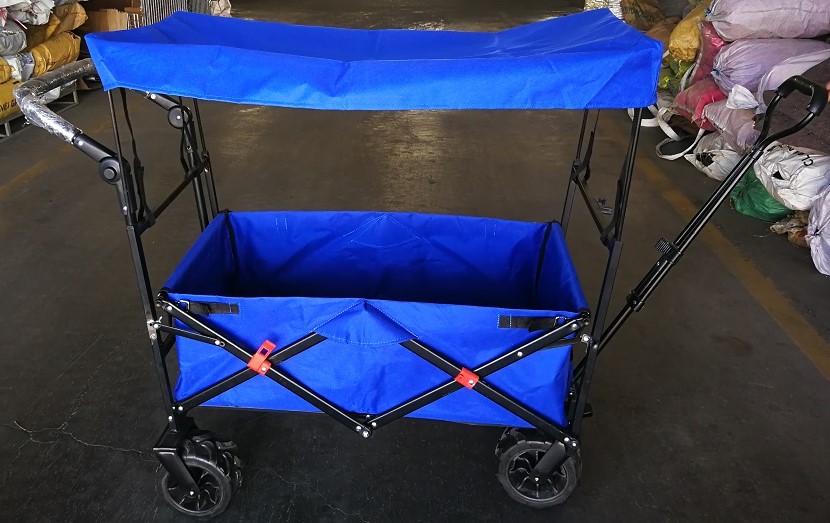
Source premium camping carts directly from vetted manufacturers and suppliers. Designed for importers, wholesalers, and outdoor brands seeking bulk purchasing and OEM/private-label production. Secure competitive pricing on durable, high-capacity folding wagons built for rugged terrain.
Sourcing reliable camping carts requires balancing weight capacity, portability, and terrain adaptability. The core challenge for bulk buyers is ensuring structural integrity at the folding joints without ballooning the product's overall weight. A cart that fails under a 100kg load or rusts after one season damages brand reputation, making technical specification and strict supplier vetting critical.
Critical Specifications and Materials
The durability of a folding wagon is dictated by its frame geometry, joint construction, and wheel assembly. When negotiating with manufacturers, specifying the exact materials prevents silent downgrades on the factory floor.
| Component | Standard Spec (Light Duty) | Premium Spec (Heavy Duty / All-Terrain) |
|---|---|---|
| Frame Material | Q195 Steel Tubes (0.8mm wall) | Q235 Steel or 6063 Aluminum (1.0mm to 1.2mm wall) |
| Fabric | 600D Oxford with PVC coating | 900D Oxford with PU coating, reinforced stitching |
| Wheel Assembly | 7-inch narrow PVC, no bearings | 8-inch wide PU/Rubber, dual carbon steel bearings |
| Folding Mechanism | Standard center-pull (quad fold) | Flat-fold with locking latches for stability |
Need help identifying manufacturers capable of premium specifications? Let us vet the right factory for your requirements.
Talk to our teamManufacturing Tolerances and Quality Control
The manufacturing process for camping carts involves tube cutting, bending, riveting, powder coating, and textile sewing. The most common points of failure occur at the riveted cross-sections of the frame and the wheel caster housings.
Implementing rigorous Quality Control & Inspection protocols is non-negotiable. Inspectors must verify that the powder coating thickness is sufficient to prevent rust, especially for markets near coastal areas.
Pre-Shipment Inspection Focus Areas
- Static Load Testing: Maintain maximum rated weight (e.g., 120kg) for 24 hours to check for frame deformation.
- Dynamic Rolling Test: Roll fully loaded carts over uneven surfaces for a specified distance to test caster bearings.
- Fabric Seam Integrity: Inspect stress points where the fabric basket mounts to the metal frame.
- Coating Adhesion: Perform cross-hatch testing on powder-coated steel components to ensure rust resistance.
For brands looking to differentiate, custom wheel molds, proprietary fabric patterns, and unique frame colors require partnering with factories that offer robust OEM/ODM Services. Standard off-the-shelf molds can only take a brand so far before direct competition drives down margins.
Pricing, MOQs, and Lead Times
Camping cart pricing is highly sensitive to raw material costs (steel/aluminum) and the complexity of the wheel assembly. Wide all-terrain wheels with dual bearings can add 20 to 30 percent to the unit cost compared to standard narrow PVC wheels.
Want to benchmark your current pricing or negotiate better terms? Speak to our sourcing experts.
Get a free consultationFrequently Asked Questions
Securing a reliable supply chain for camping carts means looking past the initial unit price and focusing on material specs, bearing quality, and factory assembly standards. Thorough vetting and strict quality control are the only ways to ensure your shipment meets market expectations. If you need dedicated oversight on your next order, our team is ready to manage the process from factory floor to final delivery.
Get Sourcing Help for Camping Carts
Tell us your requirements and our experts will connect you with verified manufacturers.