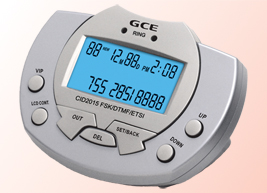
Caller ID Boxes
Source reliable Caller ID boxes from vetted manufacturers and wholesale suppliers. Designed for telecommunications distributors, importers, and brands seeking OEM or private-label production, our network delivers high-volume, compliant telecom hardware with rigorous quality control and competitive factory-direct pricing.
Caller ID boxes remain a staple requirement for legacy telecommunications networks, specialized business applications, and regions heavily reliant on analog landline infrastructure. While the technology is mature, sourcing these devices at scale requires navigating a highly fragmented supplier base. Buyers must ensure dual-system compatibility, verify compliance with regional telecom standards, and manage the bill of materials (BOM) to prevent manufacturers from swapping in inferior integrated circuits (ICs) that compromise performance.
Core Technical Specifications for Bulk Buyers
When negotiating with a factory, the primary cost drivers are the caller identification IC, the LCD module, and the memory capacity. Specifying these components upfront prevents quality fade during mass production.
| Specification | Standard Wholesale | Premium / OEM Build |
|---|---|---|
| System Compatibility | FSK or DTMF (Single Mode) | FSK/DTMF Dual Auto-Detect |
| Call Memory (EEPROM) | 30-50 Incoming Calls | 99+ Incoming, 50+ Outgoing |
| Display Module | Basic TN LCD (No Backlight) | FSTN LCD with Blue/Green Backlight |
| Power Architecture | Battery Only (AA/AAA) | Line-Powered with Battery Backup |
Most modern telecom environments require FSK/DTMF auto-detection. Ensure your supplier is using reliable decoder ICs; cheaper clones often fail to register the caller ID string if there is minor line noise or voltage fluctuation.
Struggling to find reliable telecom hardware manufacturers with consistent component quality?
Talk to our teamManufacturing Vulnerabilities and Quality Control
The manufacturing process for Caller ID boxes is straightforward, primarily involving PCB assembly (SMT and wave soldering), LCD mounting, and plastic injection molding for the housing. However, defects often arise if Quality Control & Inspection protocols are lax.
Critical Factory Inspection Points
- LCD Ghosting: Verify contrast levels and check for dead segments, which often result from poor zebra connector alignment.
- Line Loading: Ensure the device's impedance meets local telecom standards so it does not degrade voice quality on the connected telephone.
- Power Isolation: For line-powered units, test for proper isolation to prevent line voltage spikes from damaging the IC.
- EEPROM Retention: Verify that stored call logs are not wiped when batteries are replaced or line power drops.
To mitigate these risks, conducting comprehensive Factory Audits prior to placing an order is highly recommended. This ensures the facility has the necessary testing equipment (such as telecom line simulators) on the production floor, rather than relying solely on post-production batch testing.
Compliance and Telecommunications Standards
Importing telecom equipment requires strict adherence to regional regulatory frameworks. A common sourcing mistake is purchasing off-the-shelf units that lack the necessary certifications for your target market.
- North America: Devices must comply with FCC Part 68 (connection to the terminal network) and FCC Part 15 (electromagnetic interference).
- Europe: CE marking is mandatory, encompassing the EMC Directive and the Low Voltage Directive (if externally powered).
- Global Environmental: RoHS and REACH compliance are required for the plastics and PCB solder.
Always request the technical construction file (TCF) and valid test reports from a recognized third-party lab. If a supplier cannot provide these, you will need to factor Compliance & Testing into your project timeline and budget.
Pricing, MOQs, and Lead Times
Because the technology is standardized, factories are highly competitive on price, but minimum order quantities reflect the need for economies of scale, especially for custom branding.
If you are pursuing OEM/ODM Services to develop a custom housing or integrate specific firmware features (like VIP call blocking or multi-language displays), expect tooling costs for new injection molds and an extended lead time of 45 to 60 days for the initial batch.
Need to negotiate better pricing or establish a reliable OEM supply chain for your telecom products?
Get a free consultationFrequently Asked Questions
Successfully sourcing Caller ID boxes in volume means looking past the simple exterior to focus on component stability and regulatory compliance. By locking down your specifications early and enforcing rigorous testing at the factory level, you can secure reliable hardware that performs consistently in the field.
Get Sourcing Help for Caller ID Boxes
Tell us your requirements and our experts will connect you with verified manufacturers.