Cable Ties
Source high-quality cable ties directly from vetted manufacturers and wholesale suppliers. Designed for importers, electrical distributors, and brands requiring reliable OEM and private-label production, our network delivers bulk wiring accessories built to exact tensile and environmental specifications.
Sourcing cable ties in commercial volumes requires balancing aggressive unit costs with strict performance and environmental standards. A failed tie in an industrial wiring harness or an outdoor installation leads to costly rework and compliance failures. Success depends on controlling the raw material inputs and verifying the injection molding processes at the factory level.
Material Specifications and Tensile Strength
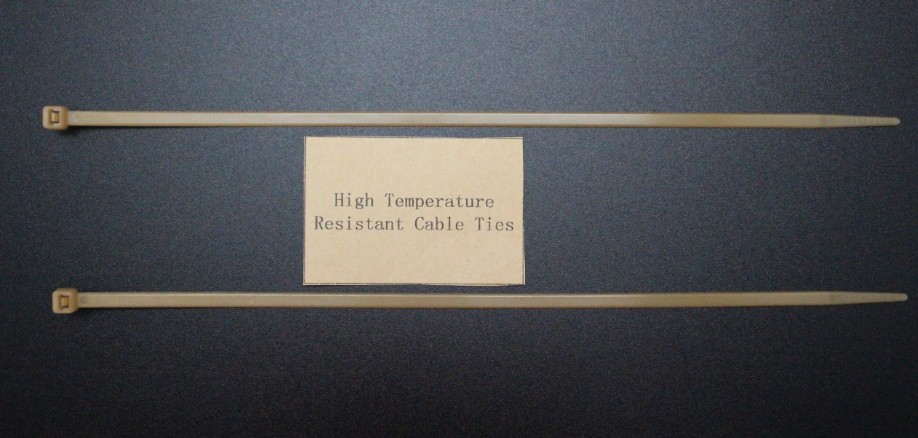
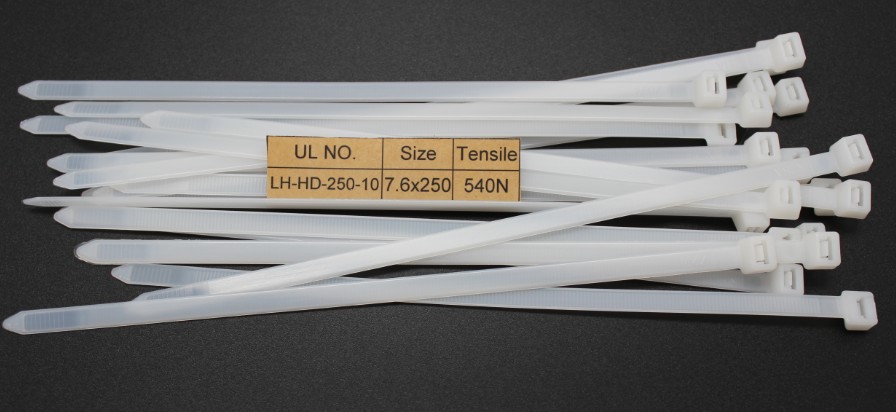
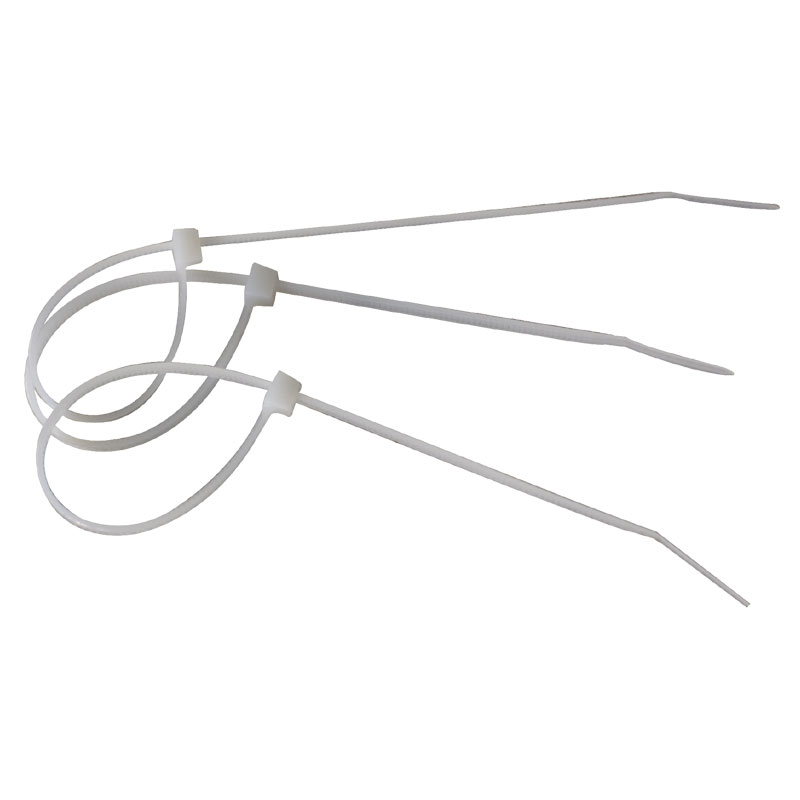
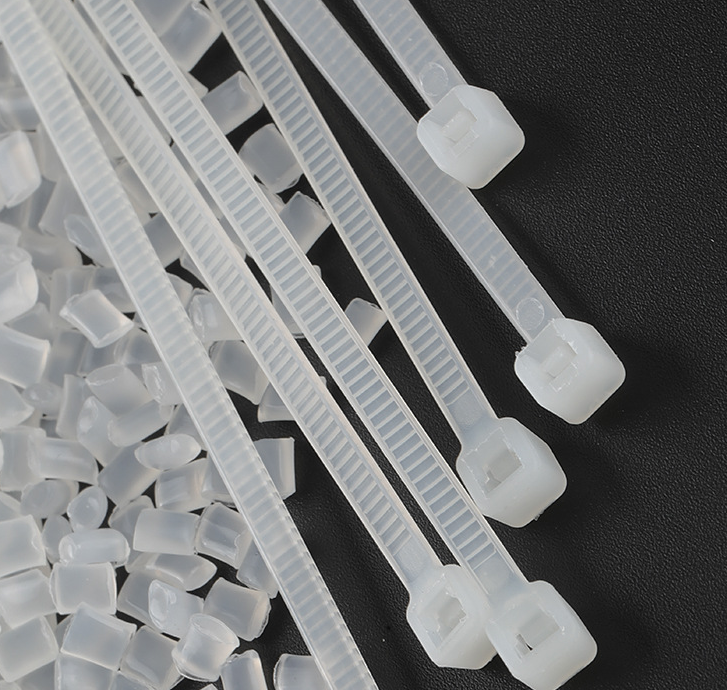
The vast majority of industrial cable ties are manufactured from Polyamide 6.6 (Nylon 6/6) due to its exceptional balance of high tensile strength, flexibility, and resistance to abrasion. However, standard Nylon 6/6 is not universally suitable for all applications. Buyers must specify the exact material additives required for the end-use environment.
| Material Type | Key Additive | Primary Application | Working Temp |
|---|---|---|---|
| Standard Nylon 6/6 | None | General indoor wiring | -40°C to 85°C |
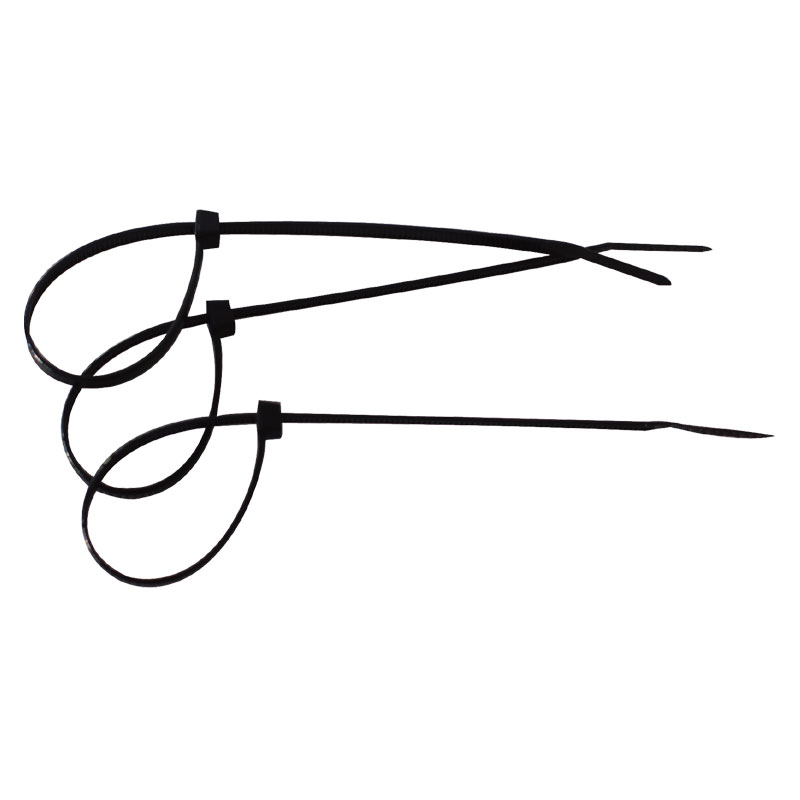
| UV Stabilized | Carbon Black | Outdoor / Solar installations | -40°C to 85°C |
| Heat Stabilized | Copper / Metal salts | Automotive / High-temp industrial | -40°C to 125°C |
| Tefzel (ETFE) | Fluoropolymer | Chemical / Radiation exposure | -46°C to 150°C |
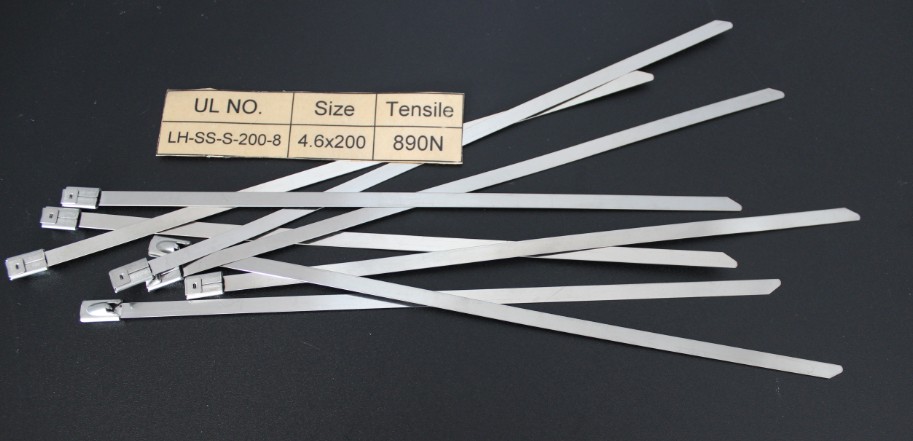
When specifying requirements to a factory, the most critical metric is Loop Tensile Strength (LTS). This is the amount of force applied to a locked tie before it yields or breaks. Standard miniature ties typically require an 18 lb LTS, while heavy-duty industrial ties must exceed 175 lbs. Always require suppliers to provide testing reports confirming their ties meet or exceed UL 62275 standards for cable management systems.
Struggling to find a manufacturer that consistently meets your tensile strength requirements? Let our sourcing experts evaluate your specifications.
Get a free consultationManufacturing Processes and Quality Control
Cable ties are produced via high-volume plastic injection molding. While the process is highly automated, the critical phase where quality is won or lost happens immediately after molding: moisture conditioning.
Nylon 6/6 is highly hygroscopic. Freshly molded cable ties are bone-dry and extremely brittle. To achieve their characteristic flexibility and toughness, they must absorb approximately 2 to 3 percent water by weight. Reputable factories achieve this by tumbling the ties in heated water or steaming them. Lower-tier suppliers often skip or shorten this conditioning phase to speed up production, resulting in ties that snap during winter installations.
Critical Factory Quality Checks
- Verify the presence and duration of the moisture conditioning (steaming/boiling) process.
- Check for 'flash' (excess plastic) on the molding tools, which can cut into wire insulation.
- Test the pawl (locking mechanism) insertion force; it should be low enough for ergonomic use but high enough to prevent slip.
- Ensure raw material silos are free from excessive regrind (recycled plastic), which degrades LTS.
Implementing rigorous Quality Control & Inspection protocols before the goods leave the factory is the only way to ensure moisture content and tensile strength meet your purchase order requirements.
Customization, Packaging, and OEM Production
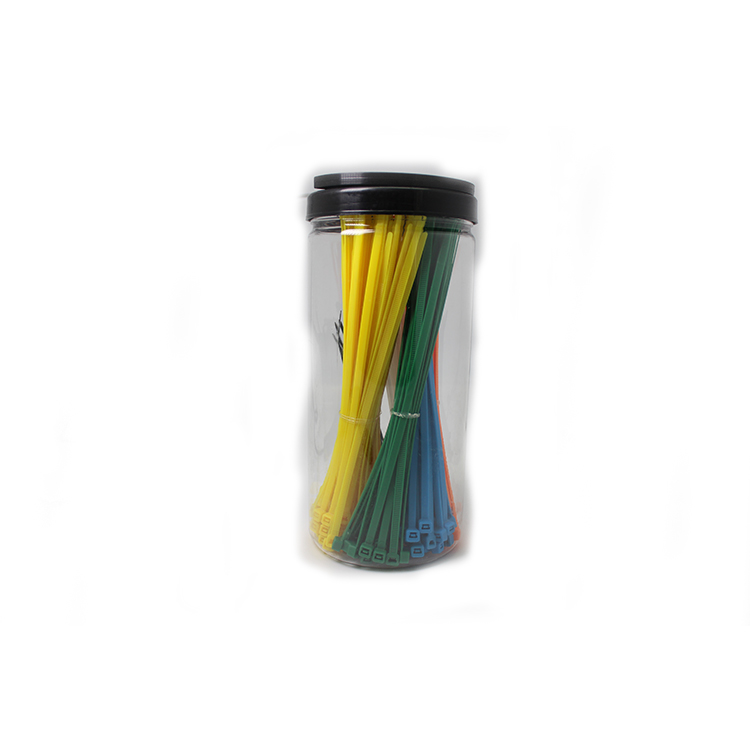
For distributors and retail brands, packaging is just as important as the product itself. Factories can accommodate a wide range of OEM requirements, from custom colors used for wire identification to specialized packaging formats.
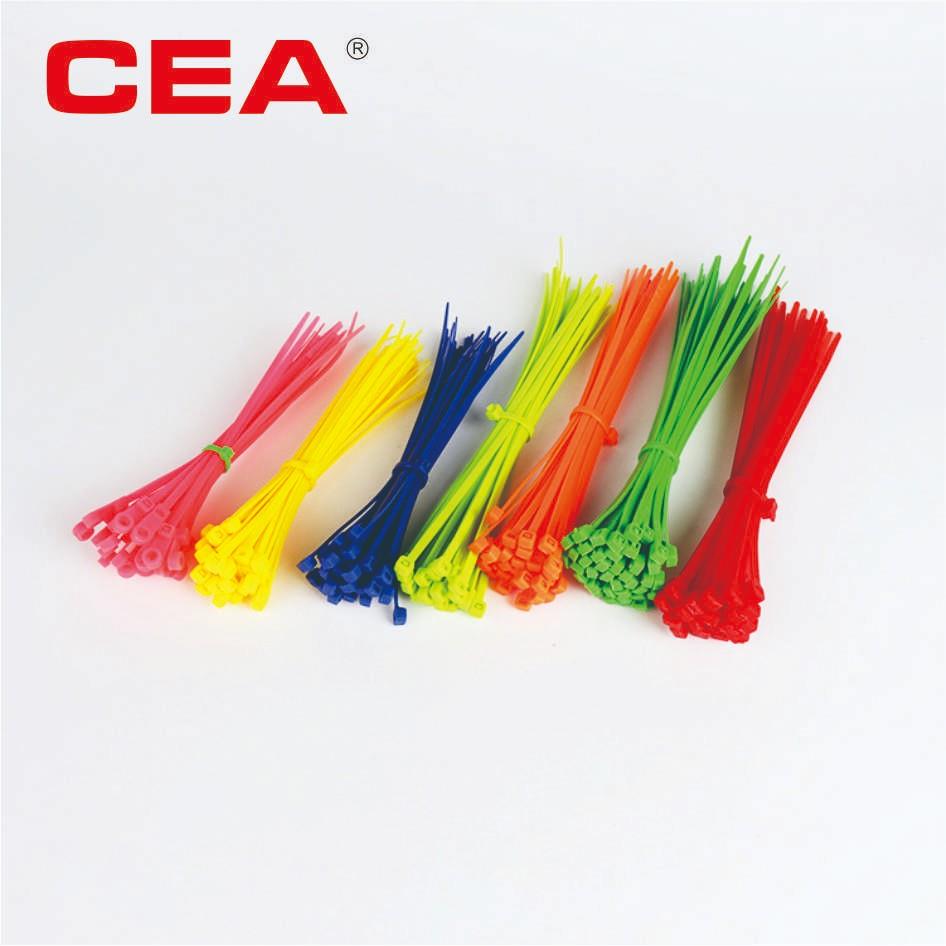
- Custom Colors: Achieved by adding color masterbatch to the nylon resin. Keep in mind that heavy pigment loads can slightly reduce the overall tensile strength of the tie.
- Private Label Packaging: Most bulk orders are packed in heat-sealed polybags of 100 or 1,000 pieces. You can specify custom-printed bags, branded header cards, or retail-ready display cartons.
- Custom Printing: For asset tracking or identification, ties can be hot-stamped or laser-printed with serial numbers or company logos.
Coordinating these details requires clear communication of artwork and packaging material specs. Utilizing specialized Branding & Design support during the pre-production phase prevents costly packaging errors on the factory floor.
Pricing Structures, MOQs, and Lead Times
Cable tie pricing is fundamentally tied to the global commodity price of Nylon 6/6 resin. Factories calculate their costs by weight, factoring in the mold cycle time and packaging requirements. Because the unit cost of a single cable tie is fractions of a cent, factories rely on high minimum order quantities (MOQs) to justify production runs and color changeovers.
When evaluating quotes, be wary of prices that sit significantly below the market average. This often indicates the use of high percentages of regrind material or undersized molds (producing thinner, weaker ties than specified). Conducting thorough Factory Audits helps verify the supplier's raw material sourcing and machinery capabilities before you transfer funds.
Need reliable pricing and lead times for your next bulk order? We negotiate directly with top-tier manufacturers to secure competitive terms.
Talk to our teamSuccessfully importing cable ties requires looking past the simple appearance of the product to understand the material science and molding precision behind it. By partnering with vetted manufacturers and enforcing strict quality standards, you can secure reliable, high-performance wiring accessories that protect your brand's reputation in the field.
Get Sourcing Help for Cable Ties
Tell us your requirements and our experts will connect you with verified manufacturers.