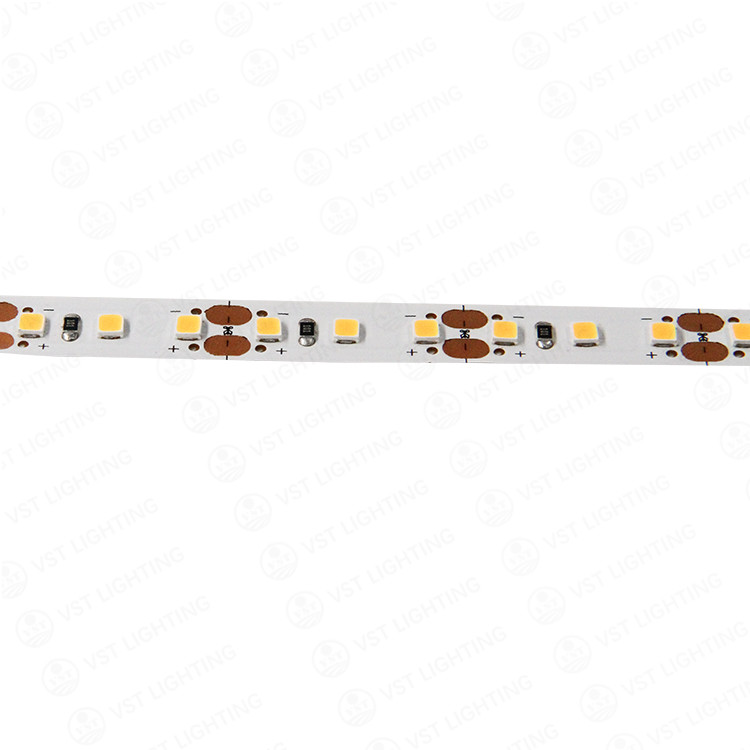
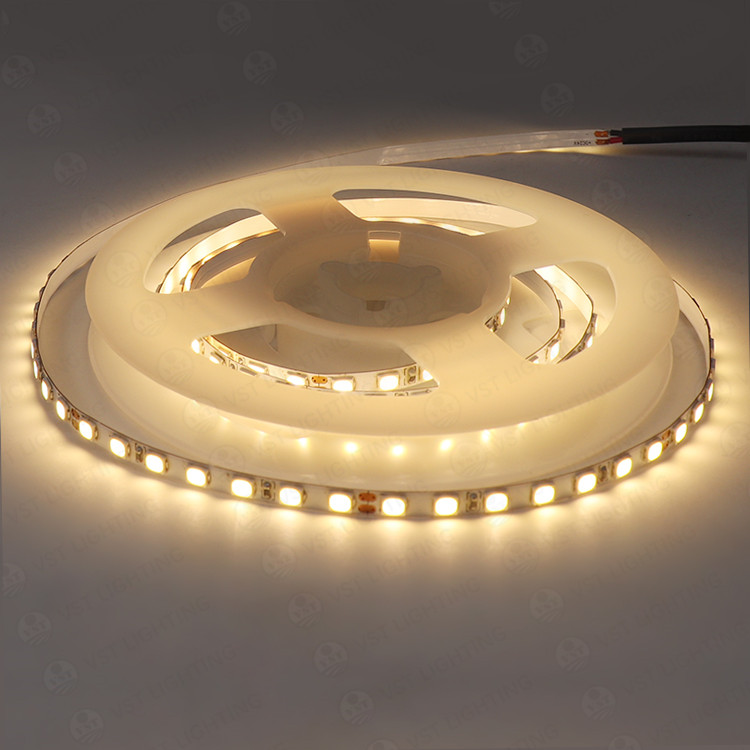
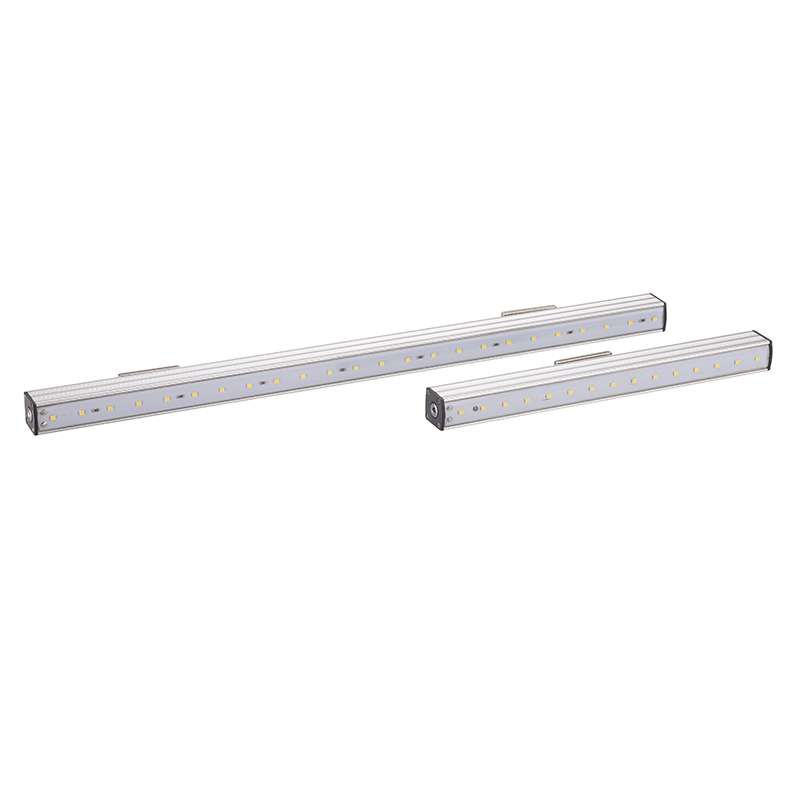
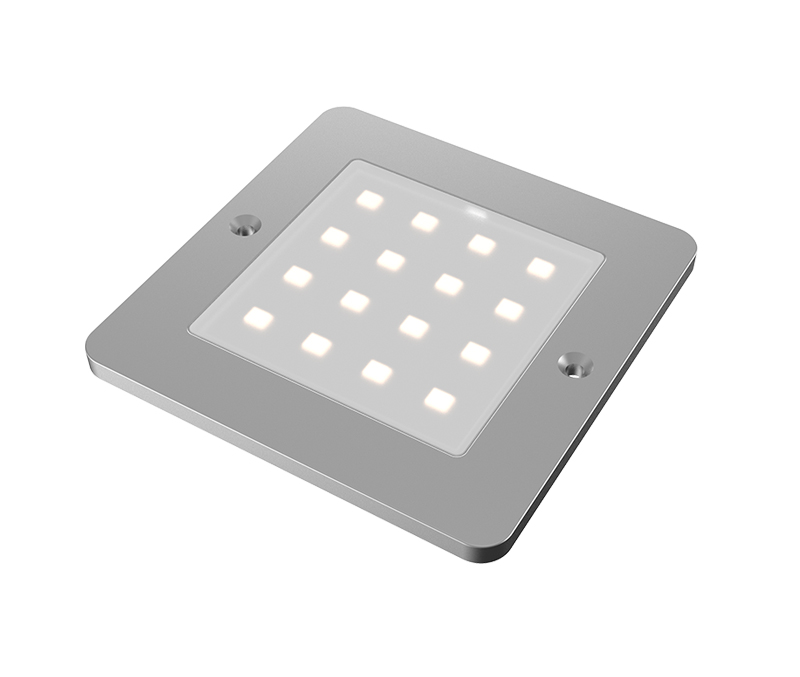
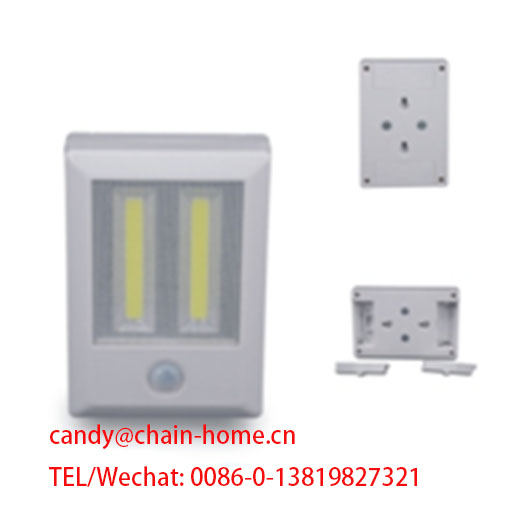
Cabinet Lights
Source high-quality Cabinet Lights directly from vetted manufacturers and trusted suppliers across Asia. Designed for importers, lighting distributors, and brands seeking reliable OEM and private-label production, our network delivers scalable volumes, consistent quality, and full compliance for your target market.
Sourcing cabinet lighting at scale requires navigating a highly fragmented manufacturing base. While outward designs often look identical across suppliers, the internal architecture—specifically LED binning consistency, thermal management, and sensor reliability—varies wildly. For bulk buyers, the challenge lies in identifying factories capable of maintaining strict component tolerances over multi-thousand-unit production runs without quietly swapping materials to protect their margins.
Critical Specifications for Commercial Buyers
When defining your product requirements, generic terms like "bright" or "warm white" leave too much room for supplier interpretation. To ensure consistent performance, particularly for brands utilizing OEM/ODM Services to build proprietary lines, you must lock down exact specifications on the purchase order.
- Color Rendering Index (CRI): For under-cabinet kitchen lighting or retail displays, color accuracy is paramount. Specify a minimum CRI of 90 (Ra ≥ 90). Lower grades (CRI 70-80) will wash out food and cabinetry finishes.
- LED Binning & MacAdam Ellipses: To prevent color shifting across different units in the same installation, specify a maximum of 3-step MacAdam ellipses (SDCM ≤ 3).
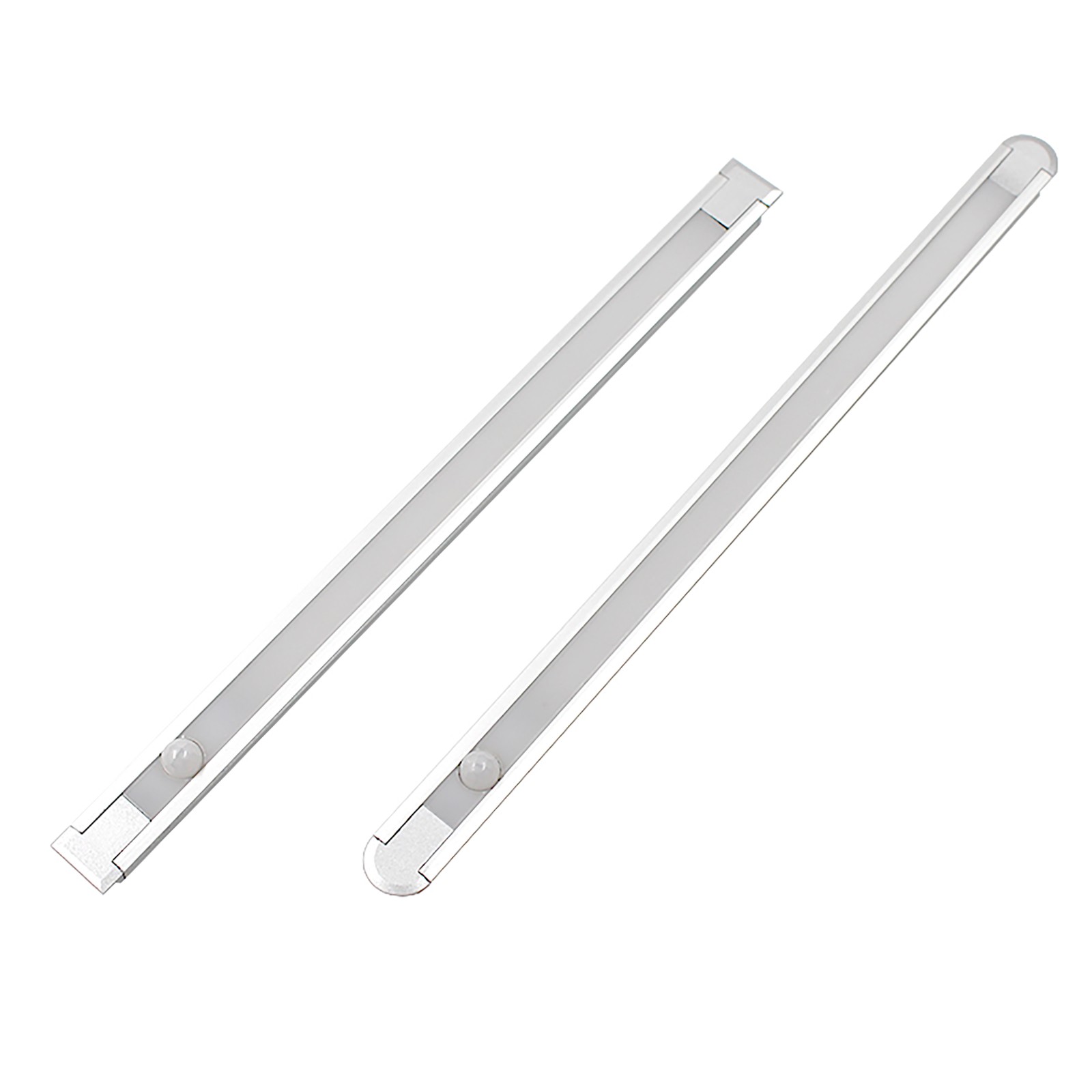
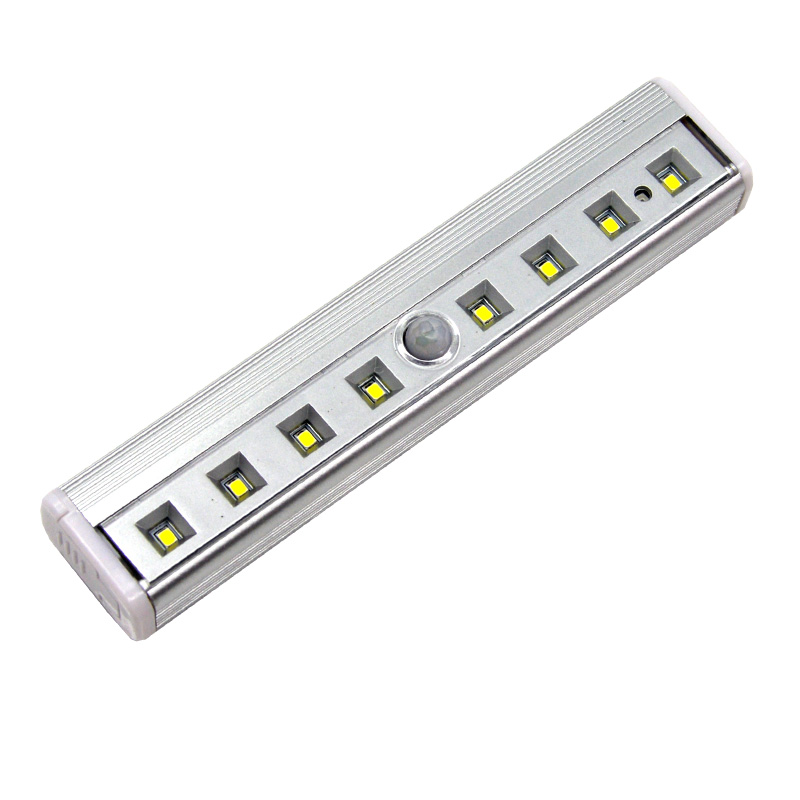
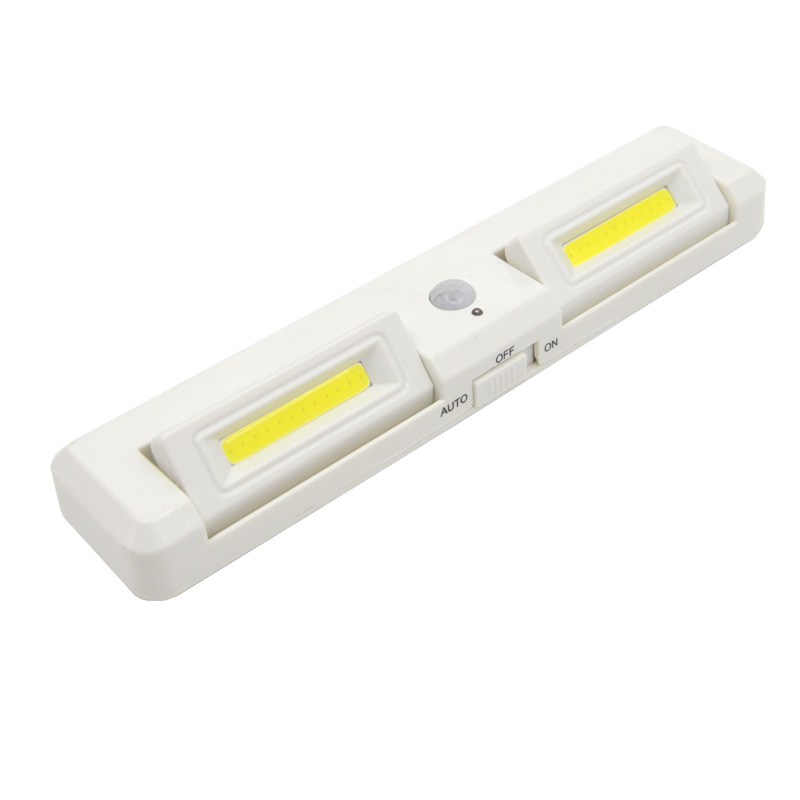
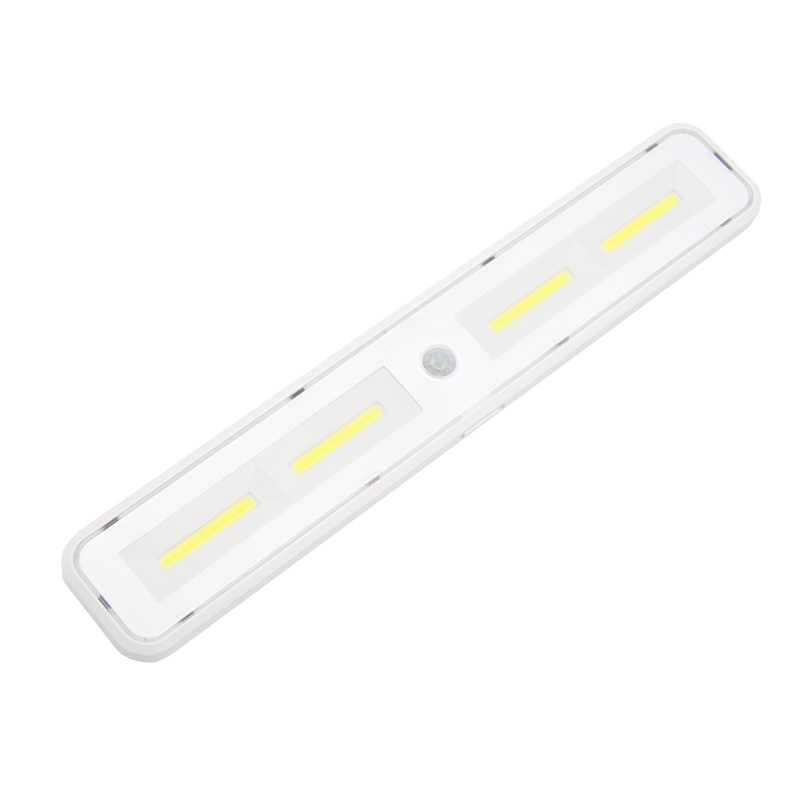
- Sensor Technologies: Battery-operated and plug-in models typically use Passive Infrared (PIR) for motion detection or IR hand-sweep sensors. Specify the detection angle (usually 120 degrees) and range (typically 3 to 5 meters).
- Battery Chemistry and Capacity: For wireless models, lithium-polymer (Li-Po) or lithium-ion (18650 cells) are standard. Always specify the exact milliamp-hour (mAh) rating and require UN38.3 certification for safe transport.
Struggling to lock down technical specifications with overseas suppliers? Let our lighting sourcing experts negotiate your technical requirements and secure reliable manufacturing partners.
Talk to our teamWhere Quality is Won and Lost on the Factory Floor
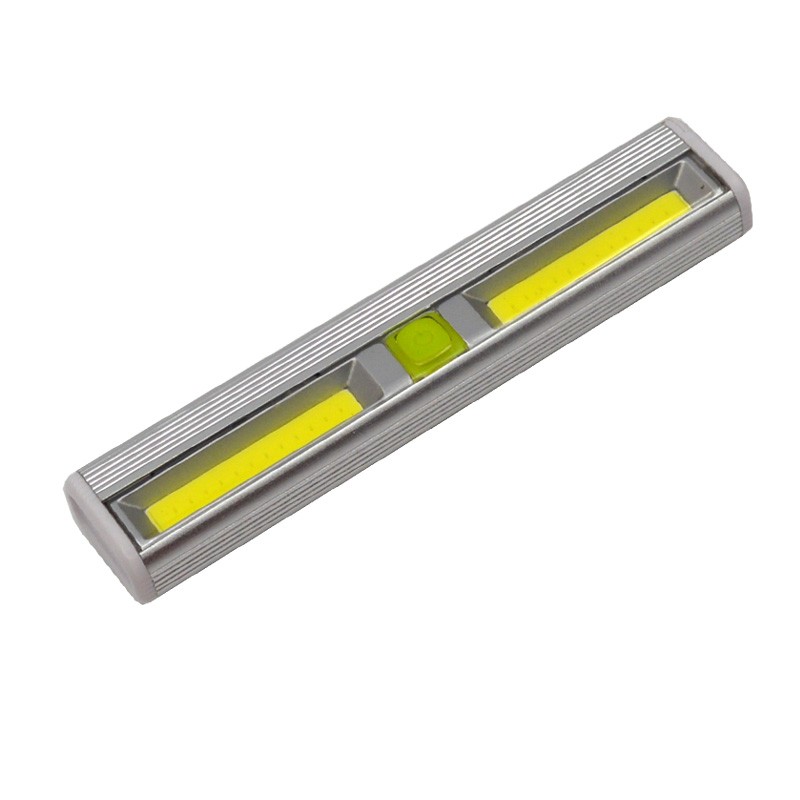
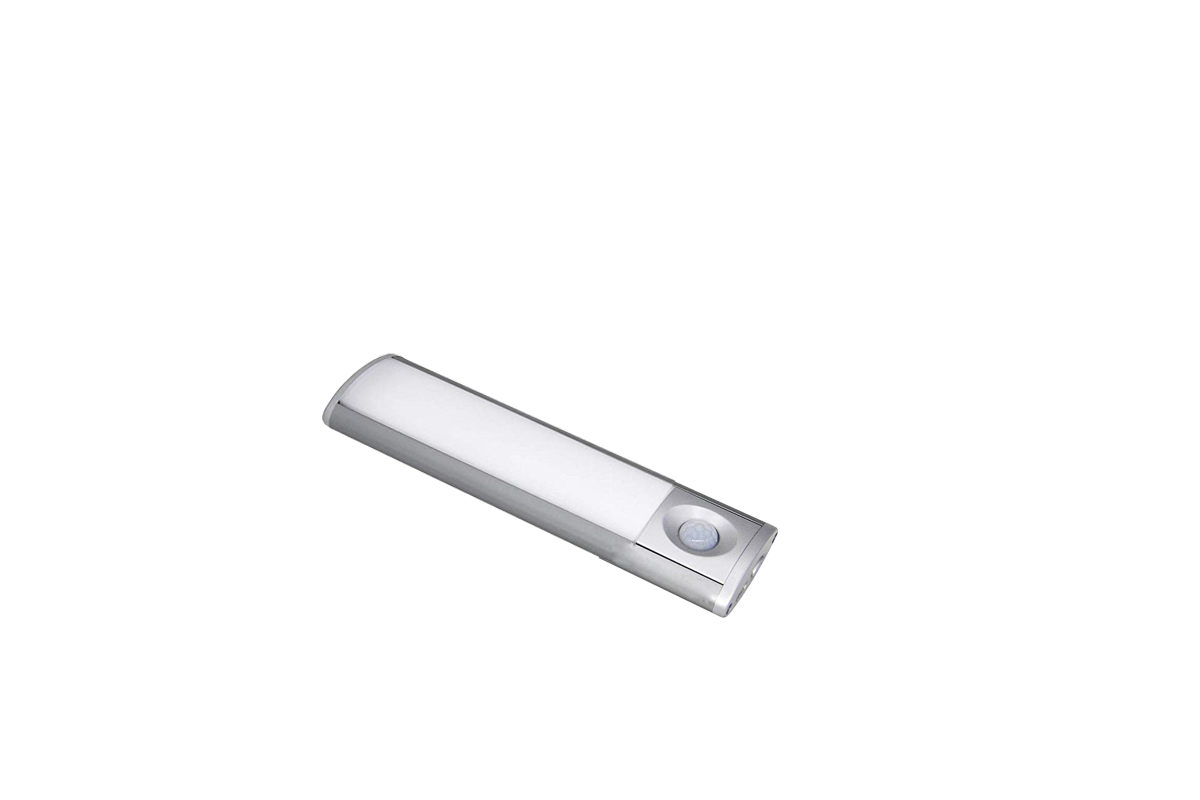
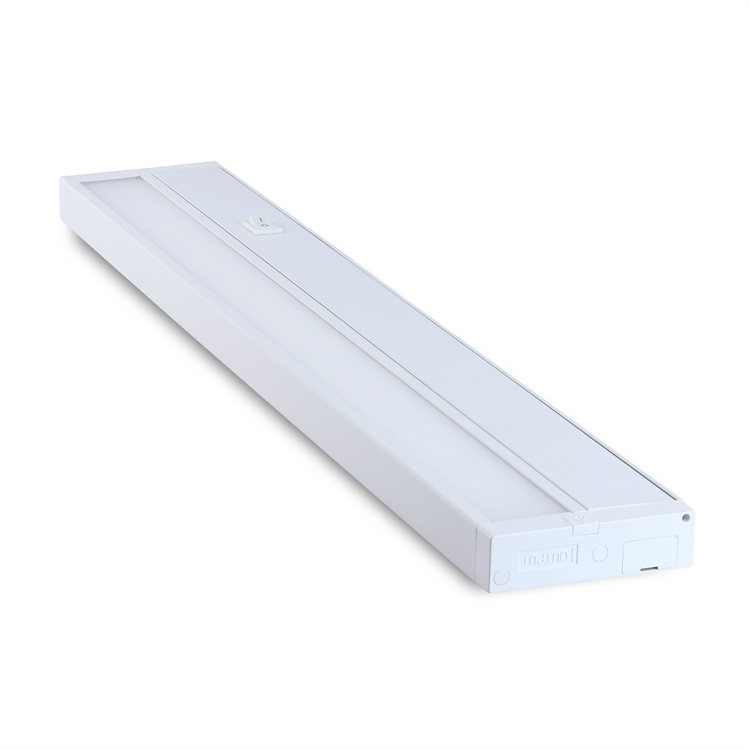
The ultra-slim profiles demanded by modern cabinet lighting designs create significant thermal management challenges. High-power SMD LEDs generate heat that must be dissipated quickly to prevent premature lumen depreciation.
Quality manufacturers use extruded aluminum housings (6063-T5) that act as effective heat sinks. Cheaper alternatives often use thin, stamped aluminum or thermally conductive plastics that degrade the LED lifespan. During production, the application of thermal paste between the PCB and the aluminum housing is a frequent failure point. Inconsistent application leads to hot spots and early diode failure.
Critical In-Line QC Checks for Cabinet Lighting
- Thermal paste coverage and consistency between PCB and housing
- Integrating sphere testing for lumen output and color temperature verification
- Sensor sensitivity calibration and false-trigger testing in controlled environments
- Battery aging tests (charge/discharge cycles) prior to final assembly
- Dielectric withstand (hi-pot) testing for hardwired drivers
Relying solely on end-of-line inspections is risky. Implementing comprehensive quality control during the assembly process ensures thermal management and component integration are verified before the housings are permanently sealed.
Compliance and Market Certifications
Lighting products face strict regulatory hurdles. Ensure your supplier holds valid, verifiable test reports for your specific target market. Do not accept generic CE or UL marks applied to the factory's general catalog; the certification must cover your exact SKU and driver configuration.
| Market | Required / Standard Certifications | Key Focus Areas |
|---|---|---|
| North America | UL / ETL, FCC (if wireless/sensor) | Electrical safety, fire hazard prevention, EMI |
| European Union | CE (LVD + EMC), RoHS, REACH | Voltage safety, electromagnetic compatibility, hazardous substances |
| Global (Battery) | UN38.3, IEC 62133 | Lithium battery transport safety, thermal runaway prevention |
Navigating the nuances of lighting regulations can delay shipments if handled incorrectly. Utilizing professional compliance and testing oversight ensures your products clear customs and meet all local retail requirements.
Typical Pricing, MOQs, and Lead Times
Pricing in the cabinet light sector is highly elastic, driven primarily by the housing material weight, battery capacity, and LED chip brand (e.g., Epistar vs. Osram/Cree).
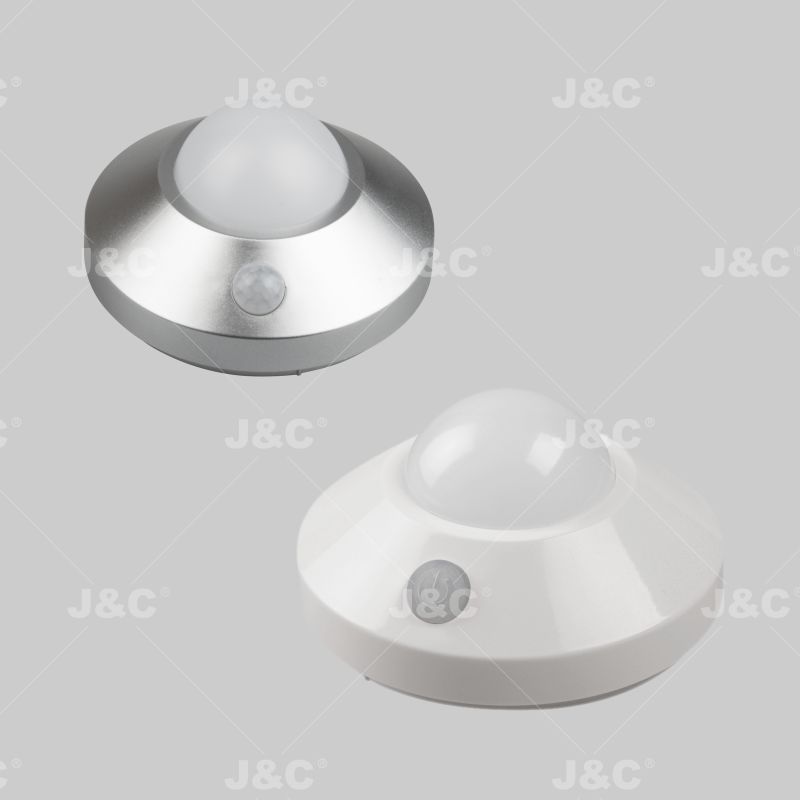
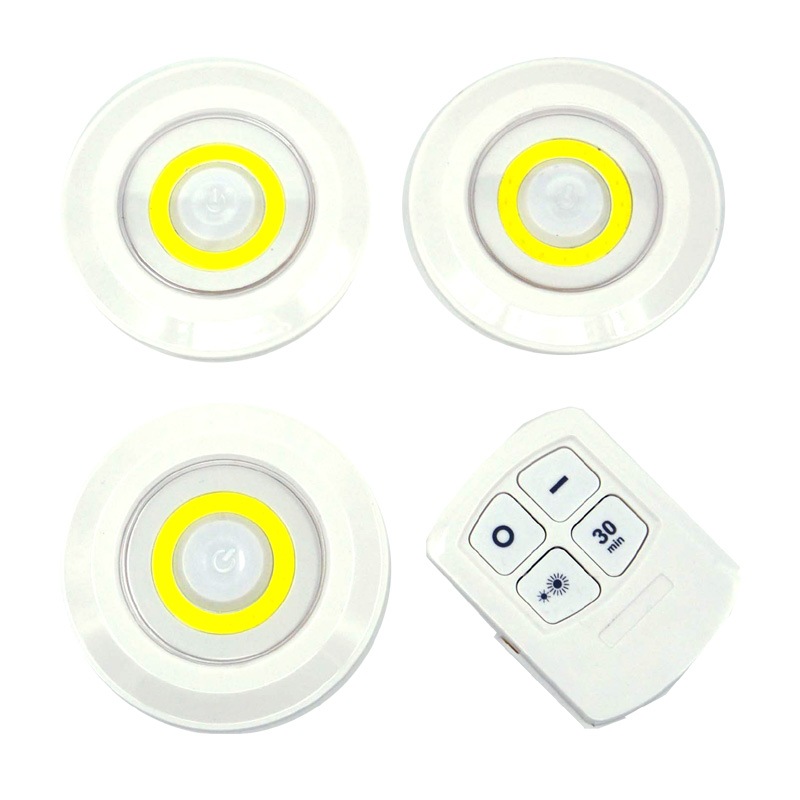
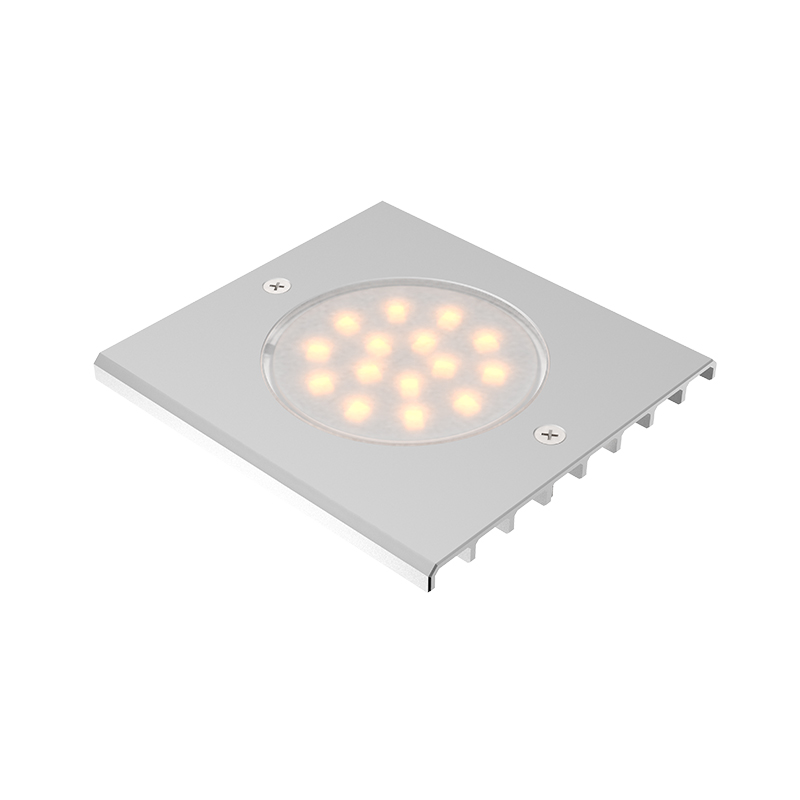
Standard puck lights and basic PIR strip lights command lower MOQs as factories keep standard extrusions and PCBs in stock. If you require custom lengths, specific CCT tuning, or proprietary smart-home integrations (like Tuya/Zigbee chips), expect MOQs to rise significantly to cover the bespoke PCB fabrication.
Need to scale your lighting imports while maintaining strict quality control? We manage the entire supply chain from factory vetting to final delivery.
Get a free consultationFrequently Asked Questions
Successfully sourcing cabinet lights requires looking past the aesthetic housing to scrutinize the electronic architecture and thermal design. By conducting rigorous factory audits and defining exact component tolerances upfront, professional buyers can eliminate the inconsistent performance that plagues lower-tier lighting manufacturers.
Get Sourcing Help for Cabinet Lights
Tell us your requirements and our experts will connect you with verified manufacturers.