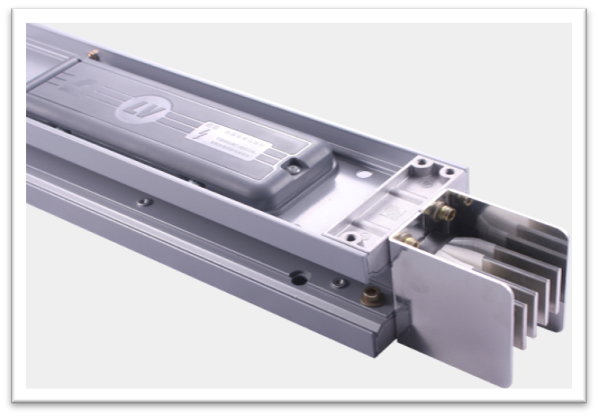
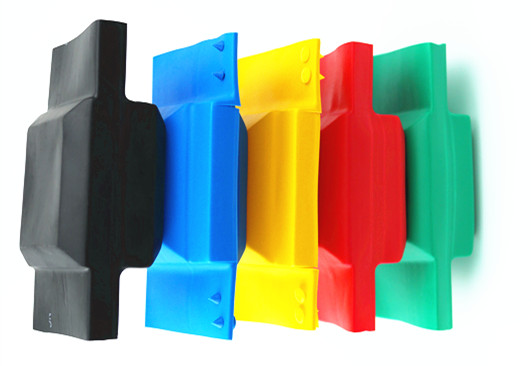
Busbar Systems and Fittings
Source high-quality busbar systems and fittings directly from vetted manufacturers. Designed for importers, wholesalers, electrical distributors, and brands requiring reliable OEM/private-label production. Secure competitive wholesale pricing and consistent quality for your power transmission and distribution networks.
Sourcing busbar systems and fittings at scale requires strict attention to material purity, dimensional tolerances, and thermal performance. A minor variance in copper grade or plating thickness can drastically alter ampacity and short-circuit withstand strength, leading to catastrophic failures in power distribution networks. When buying in bulk, verifying the manufacturer's raw material supply chain and extrusion capabilities is just as critical as negotiating the unit price.
Core Material Specifications and Ampacity
The fundamental driver of busbar performance and cost is the conductor material. Buyers must specify the exact alloy and temper to ensure the system handles the required current density without exceeding temperature rise limits.
| Material Grade | Conductivity (% IACS) | Tensile Strength | Typical Application |
|---|---|---|---|
| Copper (Cu-ETP / C11000) | 100% | High | Compact switchgear, heavy industrial |
| Copper (Cu-OF / C10200) | 101% | High | High-flexibility connections, extreme cold |
| Aluminum (6101 Alloy) | 56 to 59% | Medium | Long-run distribution, weight-sensitive installs |
While copper offers superior conductivity and lower thermal expansion, aluminum is often preferred for long distribution runs due to its lower cost and weight. However, aluminum requires specialized bimetallic fittings or specific plating to prevent galvanic corrosion when connected to copper terminals.
Need help verifying material grades and supplier extrusion capabilities?
Talk to our teamManufacturing Tolerances and Plating Quality
A high-quality busbar system relies on precise manufacturing to ensure safe, low-resistance joints. Poorly controlled extrusion or stamping processes create microscopic surface defects that increase contact resistance, leading to localized heating.
Surface treatment is equally critical. Bare copper oxidizes, which degrades conductivity at the joints. Tin or silver plating is standard, but the thickness and uniformity must be strictly controlled. When establishing your Quality Control & Inspection protocols, ensure the factory uses X-ray fluorescence (XRF) to measure plating thickness accurately.
Critical Factory-Level Quality Checks
- Material Purity: Verify mill certificates for 99.9% purity on Cu-ETP copper.
- Plating Thickness: Ensure tin or silver plating meets the specified micron depth (typically 3 to 12 microns) without blistering.
- Dimensional Accuracy: Cross-sectional area must be within tight tolerances to maintain calculated ampacity.
- Bending Radius: Check for micro-cracking on the outer radius of bent sections, which can compromise structural integrity.
Compliance and Type Testing
Busbar systems must comply with stringent international standards, primarily IEC 61439 for low-voltage switchgear and controlgear assemblies, or UL 857 for busways in the North American market. Factories should be able to provide type-test certificates from recognized third-party laboratories.
If you are developing custom profiles or integrating proprietary fittings, rigorous Compliance & Testing for short-circuit withstand strength (Icw) and temperature rise is non-negotiable before mass production begins.
Pricing Dynamics, MOQs, and Sourcing Realities
Busbar pricing is highly volatile, tied directly to the London Metal Exchange (LME) daily prices for copper and aluminum, plus a "fabrication fee" (conversion cost) applied by the manufacturer.
- MOQs: For standard profiles, MOQs often range from 500 to 1,000 kilograms per cross-section. For custom extrusions requiring new tooling, factories may require 2 to 3 metric tons to justify the setup.
- Tooling Costs: Die costs for custom aluminum extrusions are relatively low, whereas custom copper dies are more expensive and wear out faster.
- Lead Times: Standard production runs typically take 25 to 35 days, but this can extend significantly if the factory needs to source specific high-purity billets during peak seasons.
Because raw material makes up the vast majority of the product cost, surprisingly low quotes usually indicate compromised material purity, undersized cross-sections, or the use of recycled scrap metal. Conducting thorough Factory Audits is the only reliable way to confirm a supplier has the capital and equipment to deliver true electrolytic-grade products.
Protect your supply chain from volatile metal pricing and substandard materials.
Get a free consultationFrequently Asked Questions
Procuring busbar systems and fittings at scale is an exercise in strict material science and market timing. Success requires locking in reliable extrusion partners who maintain rigorous quality standards and transparent pricing models tied to global metal markets.
Get Sourcing Help for Busbar Systems and Fittings
Tell us your requirements and our experts will connect you with verified manufacturers.