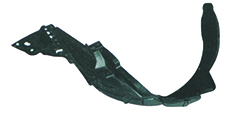
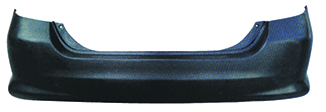
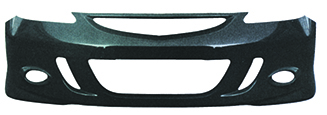
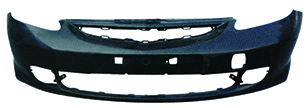
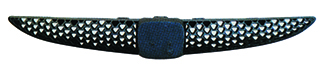
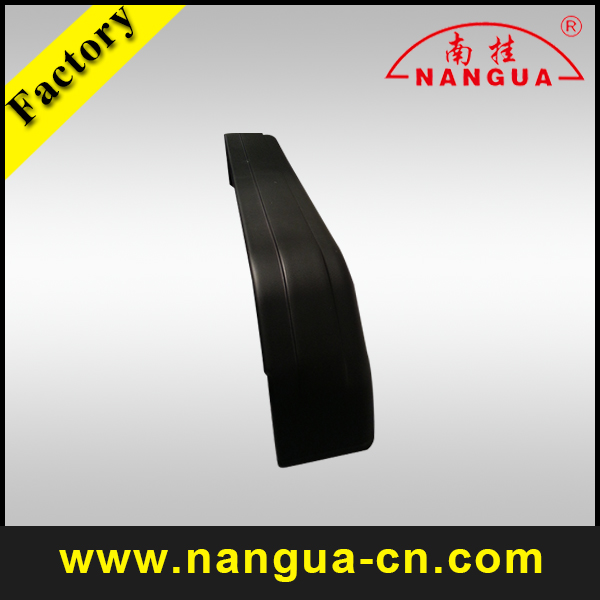
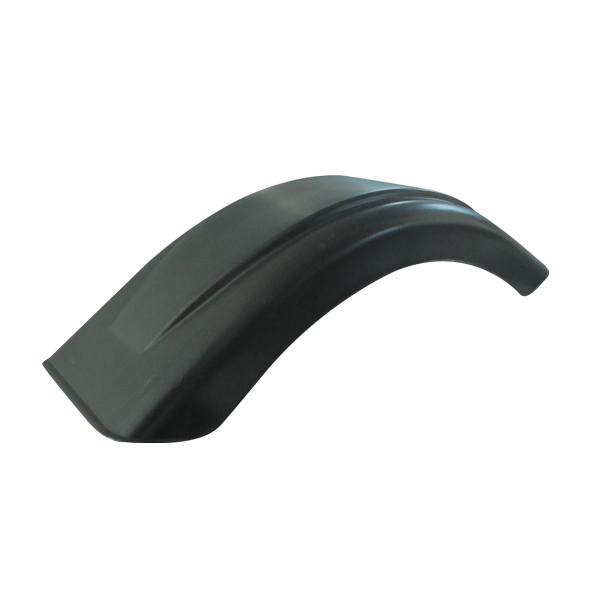
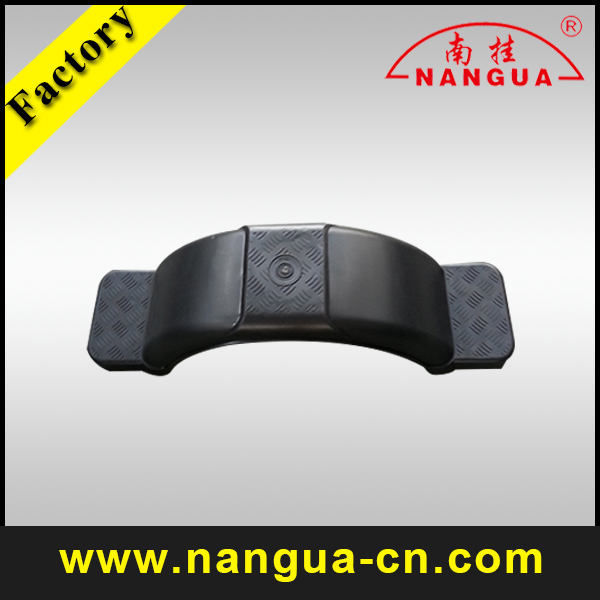
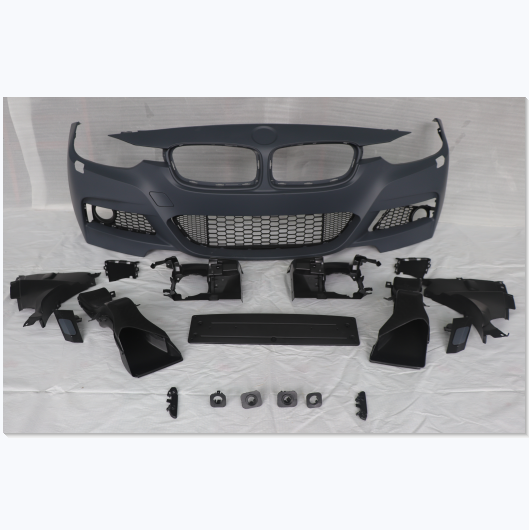
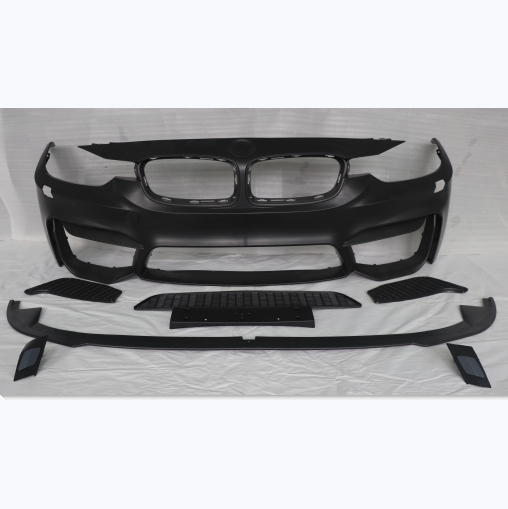
Bumpers
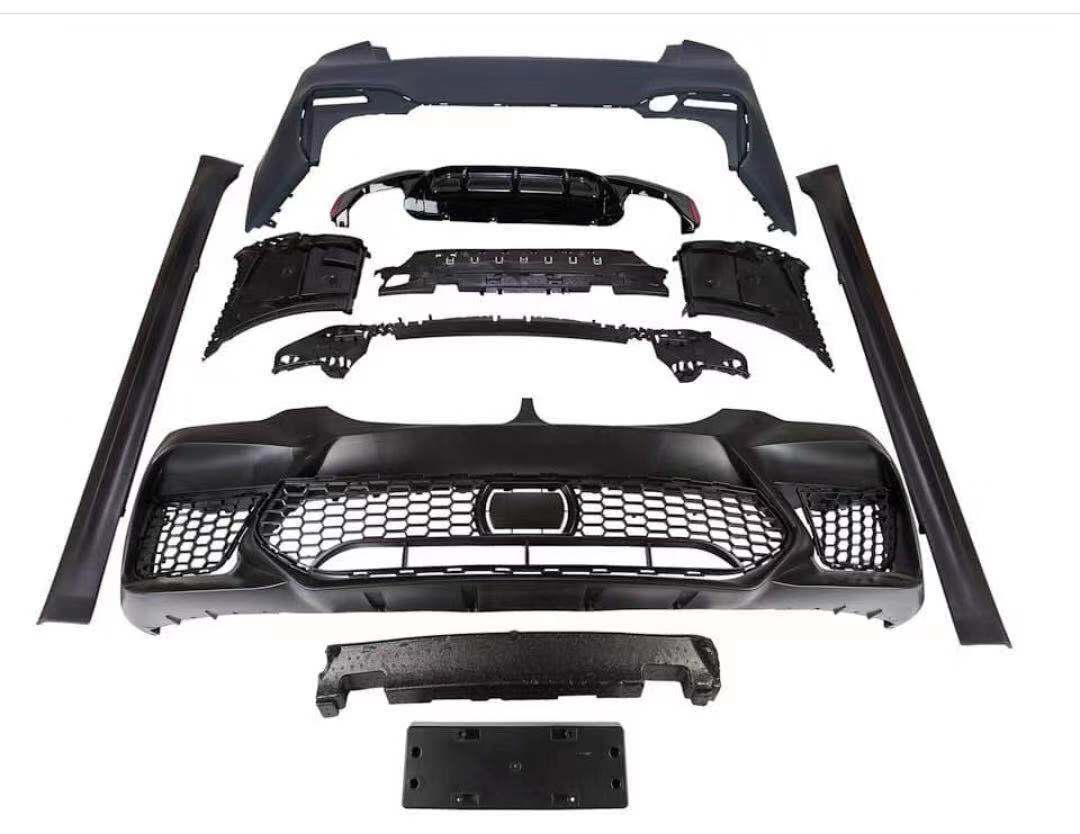
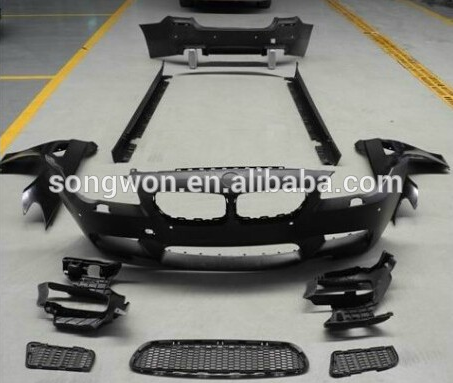
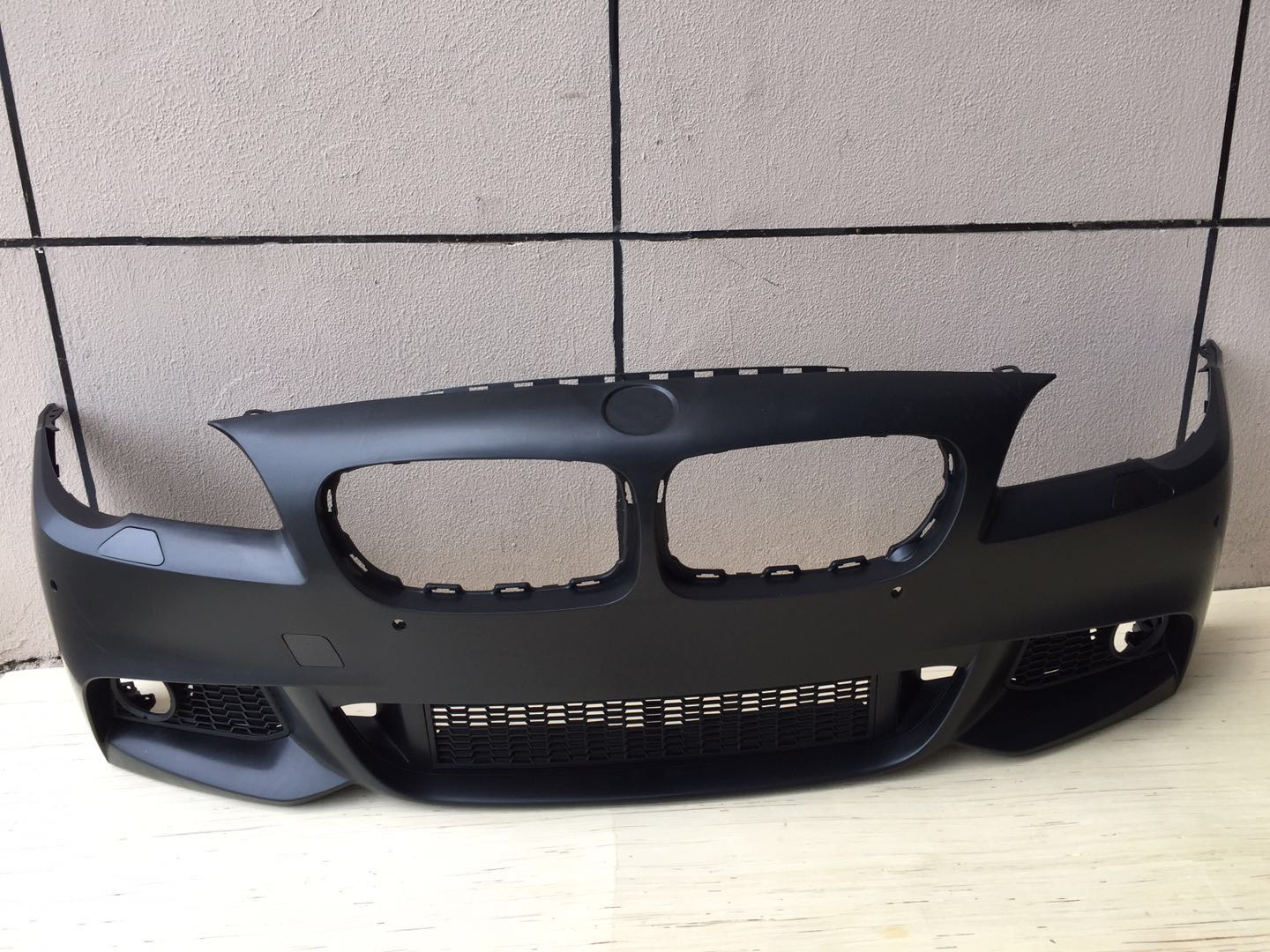
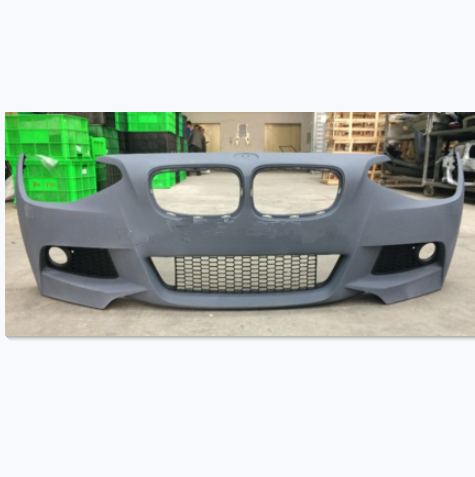
Source high-quality bumpers from vetted suppliers and manufacturers across Asia. Designed for automotive parts importers, wholesale distributors, and aftermarket brands requiring reliable OEM and ODM production, our network delivers bulk manufacturing with strict quality control to meet international safety and fitment standards.
Sourcing aftermarket auto bumpers in volume requires balancing material durability, crash-safety compliance, and exact vehicle fitment. Whether you are importing replacement parts for collision repair networks or developing heavy-duty steel bumpers for the off-road 4x4 market, the core challenge remains consistent: securing manufacturing partners capable of precise tooling, consistent injection molding or metal stamping, and reliable surface finishing.
Material Specifications and Manufacturing Processes
The choice of material dictates the manufacturing process, tooling costs, and target market for the bumper. Suppliers typically specialize in either plastic injection molding (for standard passenger vehicles) or metal fabrication (for commercial and off-road applications).
| Material | Primary Application | Manufacturing Method | Key Characteristics |
|---|---|---|---|
| Polypropylene (PP) | OEM-style replacement parts | Injection molding | High impact resistance, flexible, standard for modern vehicles |
| ABS Plastic | Styling kits, splitters, trim | Injection molding or thermoforming | Rigid, excellent paint adhesion, lower impact resistance than PP |
| Carbon Steel | Heavy-duty off-road, commercial | Laser cutting, CNC bending, welding | Maximum durability, heavy, requires powder coating for rust prevention |
| Aluminum Alloy | Premium off-road, overland builds | Stamping, TIG welding | Lightweight, corrosion-resistant, higher raw material cost |
For plastic bumpers, the quality of the injection mold is paramount. Large automotive molds are typically machined from P20 or 718H steel to withstand hundreds of thousands of cycles. If a factory uses softer steel to cut costs, the mold will degrade faster, leading to flash (excess plastic on the seams) and warped mounting tabs.
Fitment Tolerances and Quality Control
The most common point of failure for aftermarket bumpers is poor fitment. Millimeter-level deviations in mounting tabs, sensor holes, or the curvature of the fascia can render a batch unsellable to collision centers or end-users.
Rigorous quality control and inspection at the factory level must verify dimensional accuracy before parts are primed or packaged.
Critical Inspection Points for Aftermarket Bumpers
- Mounting tab integrity: Verify thickness and angle match OEM specifications to prevent snapping during installation.
- Sensor and fog light cutouts: Ensure precise diameter and clean edges for parking sensors and auxiliary lighting.
- Surface finish and primer adhesion: Check for sink marks, mold release agent residue, and uniform application of adhesion promoter.
- Dimensional stability: Use CMM (Coordinate Measuring Machine) data or physical test-fitting on a chassis jig to confirm panel gap tolerances.
- Crash safety compliance: For structural components, verify compliance with regional pedestrian safety and low-speed impact standards.
Struggling with inconsistent fitment or high defect rates from your current suppliers? Let us help you implement strict quality control protocols and vet factories with proven automotive tooling capabilities.
Talk to our teamTooling and Custom OEM/ODM Production
If you are developing proprietary designs—such as aggressive aftermarket styling kits or specialized winch bumpers—you will need a factory capable of custom OEM/ODM production.
Developing a new plastic bumper requires reverse engineering the vehicle's front end using 3D scanning, followed by CAD modeling and mold flow analysis. Because bumper molds are massive, tooling costs are substantial.
Tooling Ownership
Always clarify mold ownership in your manufacturing agreement. If you pay for the tooling of a custom design, ensure the contract explicitly states that the mold is your property and cannot be used to supply other buyers or the factory's domestic market.
For steel or aluminum off-road bumpers, tooling costs are significantly lower. Production relies on laser cutting, press braking, and welding jigs rather than injection molds, making it easier to iterate designs and run smaller batches.
Pricing, MOQs, and Logistics Realities
Pricing in the bumper category is highly dependent on material costs (which fluctuate with oil and steel markets) and the complexity of the design.
Because bumpers are bulky and lightweight (especially plastic variants), they have an unfavorable volume-to-weight ratio. This makes shipping and freight a major cost driver. Maximizing container space through strategic nesting and consolidation is essential to maintain margins.
Need to optimize your automotive parts supply chain? We handle supplier negotiation, production oversight, and complex freight consolidation to keep your landed costs competitive.
Get a free consultationBuyer FAQ
Successfully sourcing bumpers at scale requires moving beyond unit price and scrutinizing the factory's tooling maintenance, material grading, and packaging capabilities. A supplier with slightly higher unit costs but flawless fitment and efficient container loading will ultimately deliver a much higher return on investment by eliminating returns and reducing your landed freight costs. Expert product sourcing ensures you partner with manufacturers who understand these automotive aftermarket realities.
Get Sourcing Help for Bumpers
Tell us your requirements and our experts will connect you with verified manufacturers.