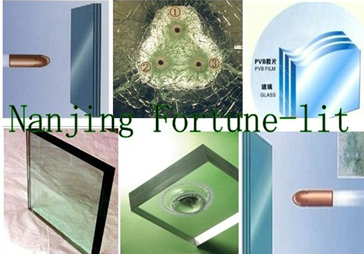
Bulletproof Glass
Source high-performance bulletproof glass from vetted suppliers and manufacturers. Designed for importers, distributors, and procurement managers sourcing in volume, our network delivers certified ballistic glazing for commercial and architectural projects with reliable quality control.
Sourcing bulletproof glass (ballistic glazing) at scale requires balancing rigid safety certifications with optical clarity, weight constraints, and architectural requirements. For procurement managers and distributors, the primary challenge lies in verifying that a manufacturer's lamination process can consistently meet international ballistic standards without introducing visual defects or long-term delamination risks.
Core Specifications & Ballistic Standards
When specifying ballistic glass, the required threat level dictates the material composition. Most architectural, commercial, and automotive applications rely on either all-glass laminates or glass-clad polycarbonate (GCP) structures. The interlayers used between the glass panes—typically Polyvinyl Butyral (PVB), Thermoplastic Polyurethane (TPU), or SentryGlas Plus (SGP)—dramatically affect the panel's performance, thickness, and longevity.
| Interlayer Material | Primary Benefit | Typical Application | Cost Profile |
|---|---|---|---|
| PVB (Polyvinyl Butyral) | Excellent optical clarity | Standard architectural ballistic windows | Economical |
| TPU (Thermoplastic Polyurethane) | Superior adhesion to polycarbonate | Glass-clad polycarbonate (GCP) panels | Moderate to High |
| SGP (SentryGlas Plus) | High structural integrity, thinner profiles | Frameless ballistic installations, high-threat | Premium |
Buyers must clearly specify the exact standard the glass must meet, such as UL 752 (Levels 1 through 10) in the Americas or EN 1063 (BR1 through BR7, SG1-SG2) in Europe.
Spall vs. No-Spall Specifications
Always specify whether the application requires a "no-spall" rating. Spall refers to the dangerous glass fragments that eject from the safe side of the window upon impact. No-spall glass typically utilizes an inner layer of polycarbonate with a hard-coated anti-scratch surface to catch these fragments.
Manufacturing Vulnerabilities & Quality Control
The critical phase in ballistic glass production is the autoclave process, where heat and pressure bond the glass, interlayers, and polycarbonate into a single monolithic panel. Insufficient pressure, incorrect temperature ramps, or poor cleanroom conditions lead to micro-bubbles, particulate inclusions, or weak adhesion.
Need reliable ballistic glass manufacturers? We verify factory capabilities and manage the sourcing process to ensure strict standard compliance.
Talk to our teamTo mitigate these risks, rigorous Quality Control & Inspection is essential. Inspectors must check for:
- Optical Distortion: Roller wave distortion or lensing effects caused by uneven lamination.
- Edge Sealing Integrity: Poor edge seals allow moisture ingress, which is the leading cause of premature delamination in GCP panels.
- Dimensional Tolerances: Ballistic glass is exceptionally heavy and rigid; even minor deviations in size or thickness can make installation impossible.
Furthermore, verifying a supplier's claims requires independent Compliance & Testing to ensure the glass genuinely meets the specified UL or EN standards, as factory-provided certificates can sometimes be outdated or apply to different product compositions.
Sourcing Mechanics: Pricing, MOQs, and Lead Times
Ballistic glass is highly customized, meaning off-the-shelf bulk pricing is rare. Costs are driven heavily by the required threat level (which dictates thickness and material layers), the type of interlayers used, and custom fabrication requirements like CNC edge polishing, drilling, or curved bending.
Before committing to a large volume order, conducting thorough Factory Audits is critical. You must confirm the supplier has the necessary high-capacity autoclaves, climate-controlled cleanrooms for layup, and the technical expertise to handle heavy-duty glass-clad polycarbonate without introducing defects.
Ensure your bulletproof glass orders meet strict safety and quality standards with our end-to-end sourcing and inspection support.
Get a free consultationFrequently Asked Questions
Sourcing bulletproof glass leaves zero room for error. A successful procurement strategy relies on strict technical specifications, verified factory capabilities, and uncompromising quality control before the glass ever leaves the facility.
Get Sourcing Help for Bulletproof Glass
Tell us your requirements and our experts will connect you with verified manufacturers.