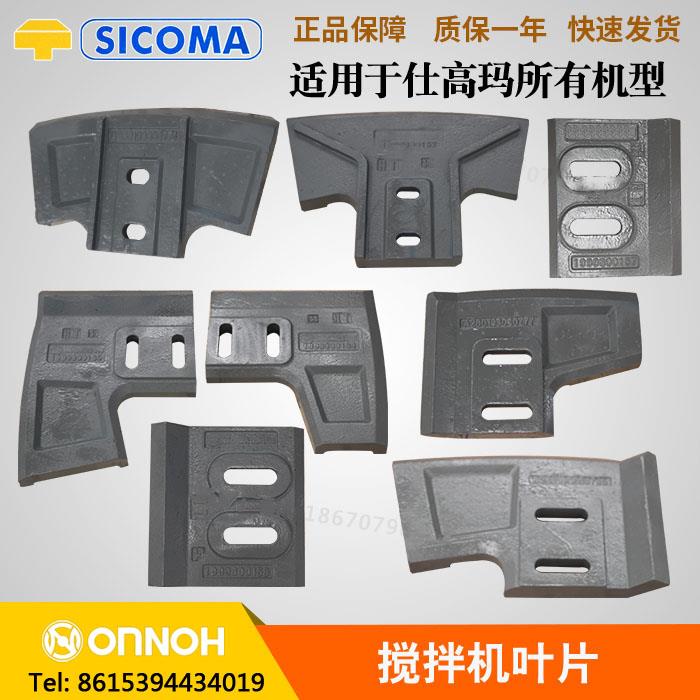
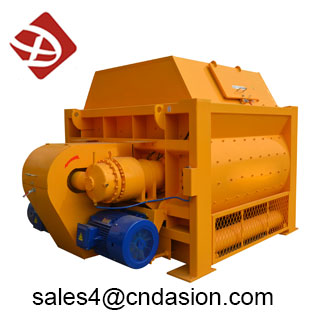
Building Material Making Machinery Parts
Source building material making machinery parts from vetted manufacturers and suppliers in China and Asia. Designed for importers, distributors, and procurement managers, our wholesale catalog offers high-performance replacement and OEM components. Secure reliable bulk production for your heavy machinery supply chain.
Sourcing wear parts and structural components for building material machinery requires balancing extreme durability requirements with cost-effective bulk procurement. Whether you are supplying replacement parts for block making machines, cement mixers, or wall panel extrusion equipment, component reliability is non-negotiable. The primary challenge lies in verifying metallurgical consistency and machining precision before containers leave the factory.
Metallurgical Specifications for High-Wear Environments
The lifespan of mixing blades, vibration shafts, and extrusion molds depends entirely on material selection and heat treatment. Suppliers often cut costs by substituting standard carbon steel for high-manganese or high-chromium alloys, which drastically reduces wear resistance in abrasive environments.
| Component Type | Ideal Material | Key Property Focus |
|---|---|---|
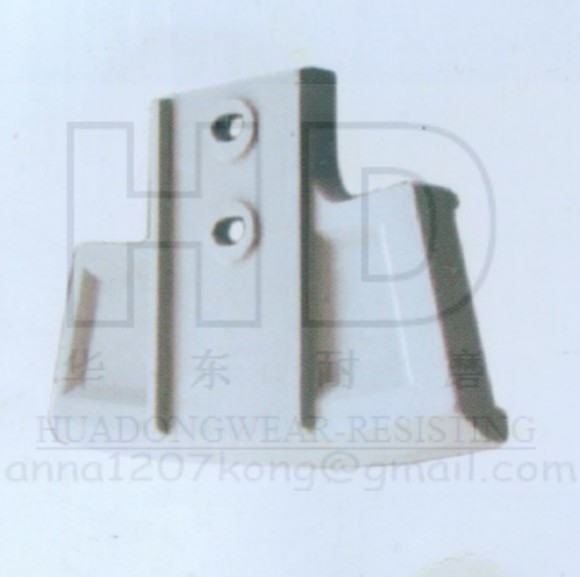
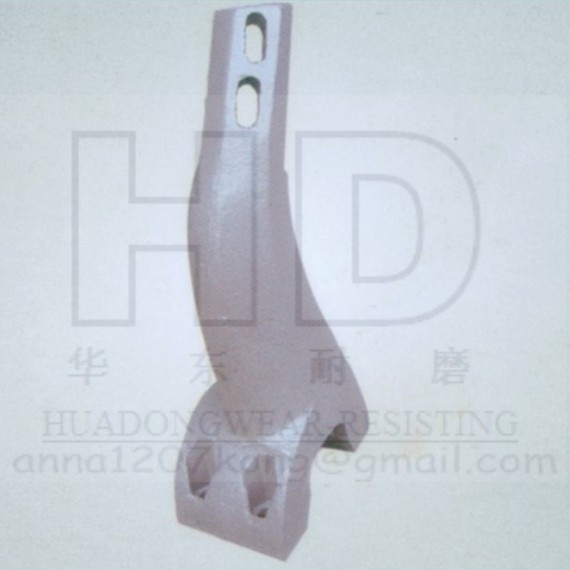
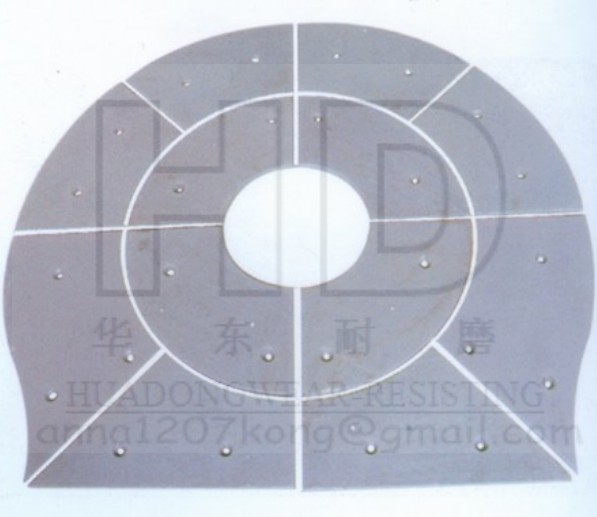
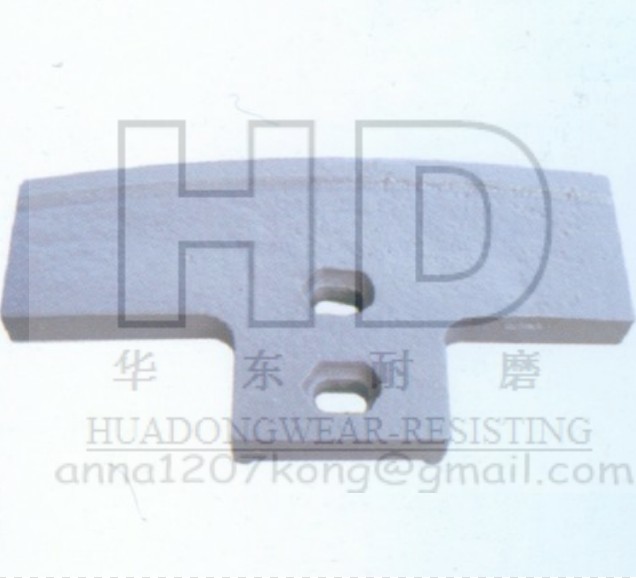
| Mixing Blades & Liners | High-Chromium Cast Iron | Extreme abrasion resistance |
| Vibration Shafts | 42CrMo Forged Steel | High tensile and fatigue strength |
| Block Machine Molds | Carburized 16Mn / Q345 | Surface hardness with tough core |
When specifying materials, demand full chemical composition reports and hardness testing results. For high-wear surfaces, you should typically look for a Rockwell Hardness (HRC) between 58 and 62, depending on the specific application.
Need help verifying metallurgical specs and supplier capabilities? Let's discuss your sourcing requirements.
Talk to our teamManufacturing Processes and Defect Prevention
Consistency in heavy machinery parts is won or lost during casting, forging, and subsequent heat treatment. Internal voids, micro-cracks from improper quenching, and poor machining tolerances are the most common defects that lead to catastrophic failure in the field.
To ensure structural integrity, professional buyers must implement rigorous quality control and inspection protocols at the factory level.
Critical Factory-Level Inspections
- Ultrasonic or magnetic particle testing (NDT) for internal casting flaws
- Hardness depth verification (ensuring carburization reaches specified millimeters)
- CMM (Coordinate Measuring Machine) verification for critical mounting tolerances
- Dynamic balancing reports for high-speed rotating components like vibration shafts
Tooling and Custom Component Production
Many distributors and equipment brands require custom molds or modified wear parts. When engaging a factory for OEM/ODM services, clarify tooling ownership upfront. Custom block molds or specialized extrusion dies require precision CNC machining and wire EDM (Electrical Discharge Machining). Ensure the supplier has these capabilities in-house to avoid the quality risks and delays associated with sub-contracted machining.
Procurement Reality: MOQs, Lead Times, and Pricing
Pricing for heavy machinery parts is heavily indexed to global steel and alloy markets, but factory overhead and machining complexity also play major roles in the final unit cost.
- Minimum Order Quantities (MOQs): For cast or forged wear parts, factories typically set MOQs by weight (e.g., 1 to 2 metric tons per casting run) rather than piece count. For high-value machined components like hydraulic cylinders or custom molds, MOQs can be as low as 5 to 10 units.
- Lead Times: Expect 35 to 50 days for standard production. Custom OEM parts requiring new molds or tooling will add 20 to 30 days to the initial run for sampling and adjustments.
- Tooling Costs: Custom tooling for heavy castings or complex block molds ranges from a few hundred to several thousand dollars, usually amortized over large volume orders or refunded after a specific volume threshold is met.
Optimize your machinery parts supply chain with negotiated MOQs and transparent pricing.
Get a free consultationFrequently Asked Questions
Securing a reliable supply of building material machinery parts requires moving beyond surface-level supplier profiles and digging into a manufacturer's metallurgical expertise and quality management systems. Thorough factory audits and stringent pre-shipment inspections are the most effective ways to protect your supply chain and ensure your components perform under pressure.
Get Sourcing Help for Building Material Making Machinery Parts
Tell us your requirements and our experts will connect you with verified manufacturers.