Brushes
Source wholesale hand tool brushes directly from vetted manufacturers and suppliers. Designed for importers, industrial distributors, and hardware brands seeking reliable OEM and private-label production. Secure competitive pricing on bulk orders with verified quality control.
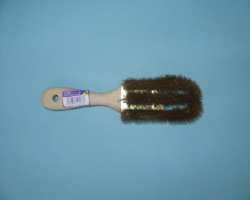
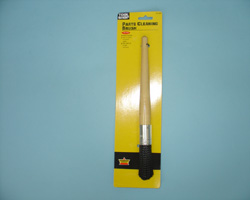
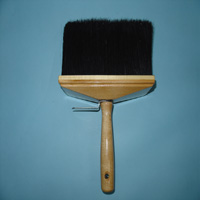
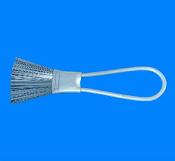
Sourcing hand tool brushes at scale—whether heavy-duty wire scratch brushes, masonry brushes, or parts-cleaning tools—requires more than just comparing unit prices. The core sourcing challenge lies in filament retention and material integrity. A brush that sheds wire on a job site or rusts in transit damages your brand reputation immediately. To build a reliable supply chain, buyers must tightly specify the filament material, block density, and tufting method before production begins.
Specifying Brush Components
A durable brush is the result of matching the right filament to the appropriate handle material and retention method. Relying on a supplier's "standard" specification often leads to inconsistent batches.
Filament and Wire Selection
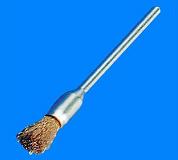
The filament dictates the tool's application and lifespan. You must specify the exact material grade and wire diameter (typically ranging from 0.15mm to 0.40mm for hand tools).
| Filament Material | Primary Application | Cost Profile |
|---|---|---|
| Carbon Steel | Weld cleaning, heavy rust removal | Low to Medium |
| Stainless Steel (304/316) | Aluminum/stainless fabrication, food-grade prep | High |
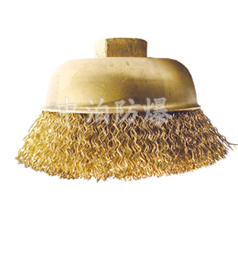
| Brass Wire | Non-sparking environments, surface finishing | Medium to High |
| Nylon / Synthetic | Parts washing, chemical resistance | Low |
Block and Handle Materials
The handle must withstand the mechanical stress of tufting without splitting.
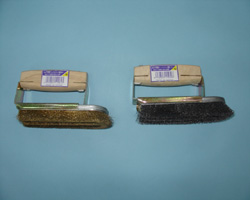
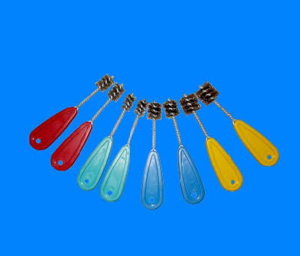
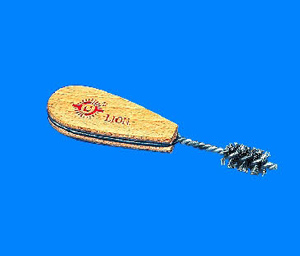
- Hardwoods (Beech, Birch): Traditional and durable. Ensure you specify a maximum moisture content (usually under 12 percent) to prevent splitting or warping after the holes are drilled.
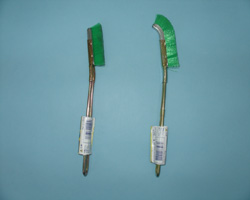
- Plastics (PP): Injection-molded polypropylene offers excellent chemical resistance and consistency.
- TPR Overmolding: Thermoplastic rubber grips add ergonomic value but require multi-shot injection molding, which increases initial tooling costs.
Struggling to lock down technical specifications with overseas factories? We can help you standardize your product requirements and match you with capable manufacturers.
Talk to our teamManufacturing Tolerances and Quality Control
The critical failure point in brush manufacturing is the tufting phase. Most industrial hand brushes use staple-set construction, where a metal staple anchors a bundle of filaments into a pre-drilled hole.
If the drilled hole diameter, staple wire gauge, and block material density are mismatched, the tufts will pull out under working stress. When evaluating a new supplier, it is highly recommended to conduct Factory Audits to verify their automated drilling and tufting machinery, as older manual machines struggle to maintain consistent hole depths.
Key Quality Inspection Points
To ensure consistent quality, your Quality Control & Inspection protocols should mandate the following checks:
Pre-Shipment Brush Inspection Checklist
- Tuft Pull Test: Measure the force required to extract a single tuft (must meet your defined minimum Newton threshold).
- Trim Uniformity: Ensure the brush face is trimmed perfectly flat or to the specified contour.
- Handle Integrity: Check wood blocks for micro-cracks radiating from tuft holes.
- Anti-Rust Packaging: Verify that carbon steel wire brushes are oiled and packed with VCI (Volatile Corrosion Inhibitor) paper.
Customization and Private Labeling
For brands looking to differentiate their hand tool lines, OEM/ODM Services offer significant value. Customizing a brush typically involves pad-printing or laser-engraving logos onto wooden handles, or investing in custom molds for ergonomic, dual-color plastic handles. While custom packaging (like branded blister cards or display boxes) is standard, custom handle molds will require an upfront tooling investment and longer initial lead times.
MOQs, Lead Times, and Pricing Drivers
Understanding standard market parameters helps in negotiating realistic contracts. Pricing is heavily driven by the weight and grade of the wire, the handle material, and the tuft density.
Ready to optimize your hand tool procurement? Let us handle the factory vetting, price negotiation, and quality assurance for your next order.
Get a free consultationFrequently Asked Questions
Successful brush sourcing requires looking past the surface appearance of a golden sample. By specifying exact filament grades, mandating pull-test standards, and ensuring proper anti-rust packaging, you can secure reliable, professional-grade tools that perform consistently in the field.
Get Sourcing Help for Brushes
Tell us your requirements and our experts will connect you with verified manufacturers.