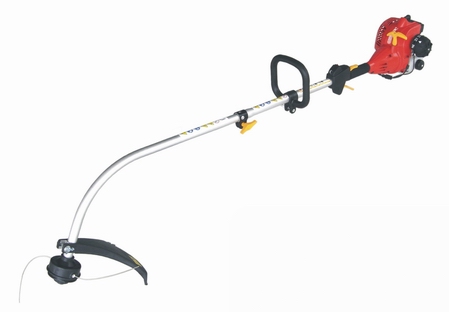
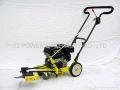
Brush Cutters
Source commercial-grade brush cutters from vetted manufacturers and wholesale suppliers across Asia. Built for importers, hardware distributors, and outdoor equipment brands looking for reliable bulk purchasing or custom OEM production. Secure competitive pricing on reliable, high-performance landscaping tools.
Sourcing brush cutters at volume requires balancing aggressive price targets with strict emissions regulations and long-term mechanical reliability. The core challenge for importers lies in the power plant—whether navigating the complexities of small-displacement gas engines or the rapidly evolving battery-electric landscape—and ensuring the factory's assembly tolerances hold up to commercial landscaping abuse.
Engine Architectures and Specifications
The heart of any brush cutter dictates its target market, compliance requirements, and manufacturing cost. When specifying orders with suppliers, the power plant architecture is your primary variable.
| Power Plant | Typical Specs | Sourcing Considerations |
|---|---|---|
| 2-Stroke Gas | 25cc to 52cc | Lowest cost, high power-to-weight. Requires strict emissions compliance (EURO V / EPA). |
| 4-Stroke Gas | 31cc to 40cc | Higher torque, lower emissions, no fuel mixing. Heavier and requires precise valve train assembly. |
| Brushless DC (Li-ion) | 36V to 40V (or dual 18V) | Rapidly growing market share. Battery cell origin and BMS (Battery Management System) quality dictate lifespan and cost. |
Need to verify a factory's engine assembly and testing capabilities before placing a volume order?
Talk to our teamWhere Quality is Won and Lost in Manufacturing
A brush cutter is subject to intense vibration, torque, and impact. While many factories can assemble a machine that looks good in a catalog, the difference between a consumer-grade disposable unit and a commercial-grade tool lies in internal component selection.
When evaluating a manufacturer, pay close attention to the following subsystems:
Critical Component Verifications
- Carburetor Sourcing: Specify name-brand carburetors (e.g., Walbro or Tillotson) or highly vetted domestic equivalents to prevent starting issues and erratic idling.
- Drive Shaft Construction: Commercial units require solid steel splined drive shafts (typically 8mm or 9mm), whereas budget units often use hollow tubes or flexible cables that shear under heavy load.
- Clutch Assemblies: Ensure the centrifugal clutch uses sintered metal shoes and high-tensile springs. Cheap alloy shoes wear out quickly, leading to slippage.
- Vibration Dampening: Look for robust rubber isolation mounts between the engine and the shaft/handle assembly, rather than basic spring mounts.
Conducting thorough Factory Audits is essential to verify that a supplier actually machines their own drive shafts and clutch housings, rather than simply assembling cheap outsourced parts.
Compliance and Emissions Testing
Importing gas-powered brush cutters involves significant regulatory risk. Customs authorities routinely seize shipments that fail to meet regional emissions standards.
For the US market, EPA and CARB certifications are mandatory. For Europe, EURO V compliance is required. Do not take a supplier's word or a generic certificate at face value; certificates must match the exact engine displacement and model being imported. Engaging professional Compliance & Testing services ensures your shipment is legally cleared for your target market before it ever leaves the factory.
Production Realities: MOQ, Pricing, and Lead Times
Understanding standard factory requirements helps in negotiating terms and planning inventory cycles.
If you are developing a proprietary line, utilizing structured OEM/ODM Services can help you customize the housing plastics, ergonomic grips, and harness designs without absorbing the full cost of ground-up engine development.
Streamline your OEM production and negotiate better terms with vetted brush cutter manufacturers.
Get a free consultationQuality Control During Production
Because brush cutters have high-speed moving parts, end-of-line testing is non-negotiable. A robust Quality Control & Inspection plan should include dynamic testing. Inspectors must verify cold-start performance, idle stability, full-throttle RPM limits, and vibration levels. Catching a poorly tuned carburetor batch at the factory costs pennies to fix; catching it after retail distribution costs thousands in returns and brand damage.
Frequently Asked Questions
Successfully sourcing brush cutters means looking past the outer plastics and focusing heavily on engine compliance and drivetrain metallurgy. Partnering with experienced sourcing professionals ensures your supply chain delivers consistent, compliant, and reliable equipment batch after batch.
Get Sourcing Help for Brush Cutters
Tell us your requirements and our experts will connect you with verified manufacturers.