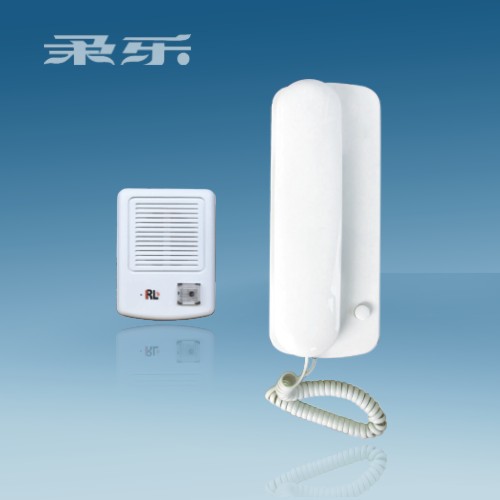
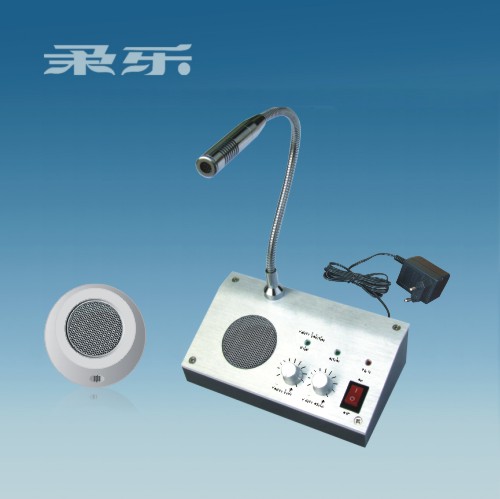
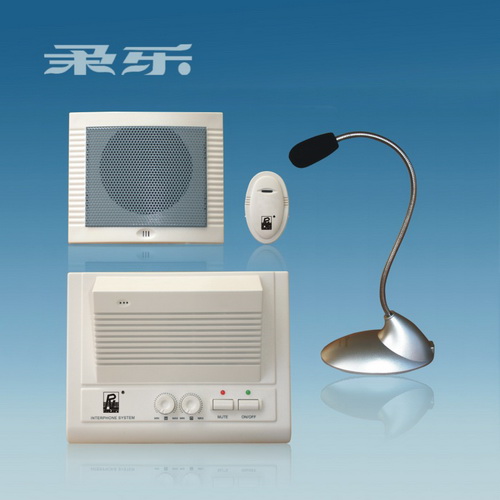
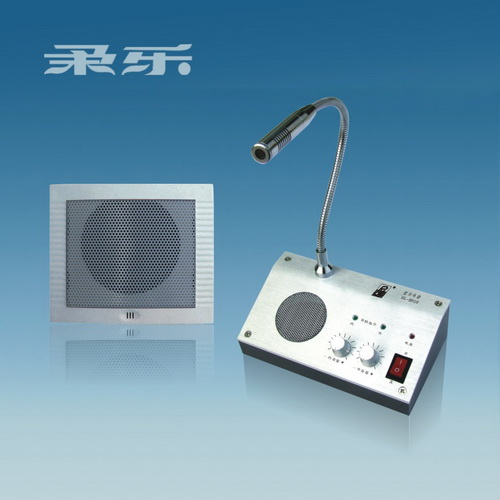
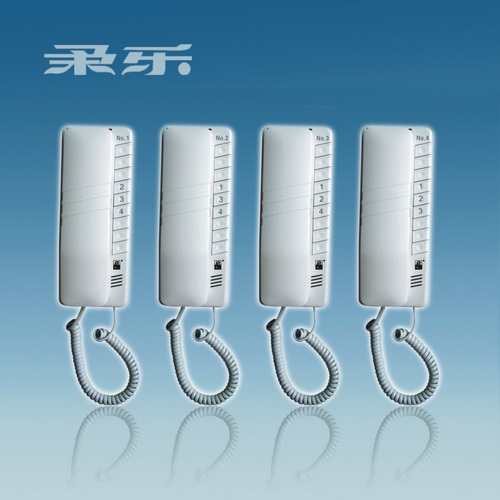
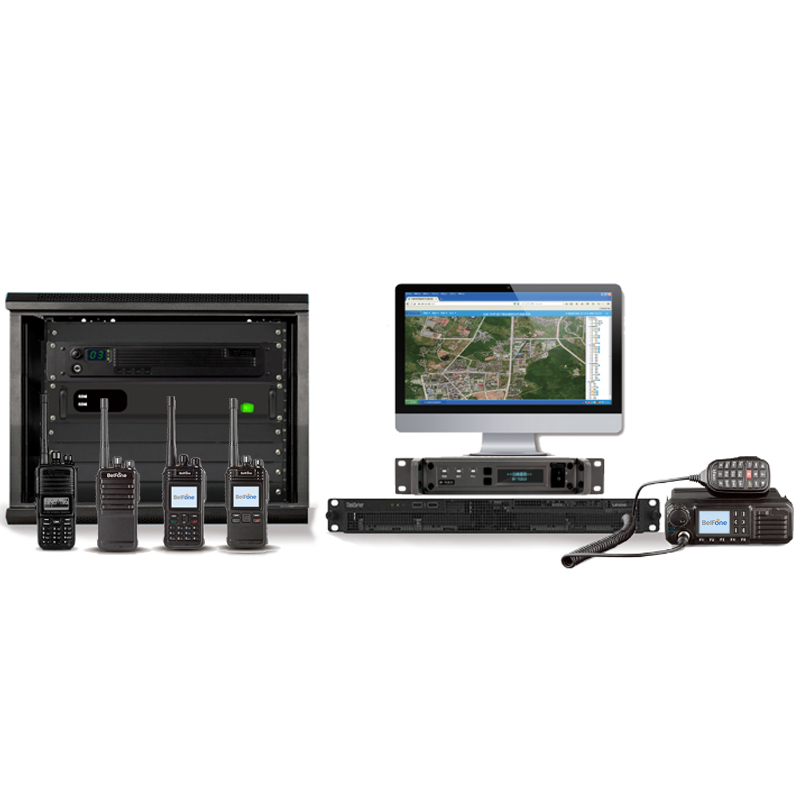
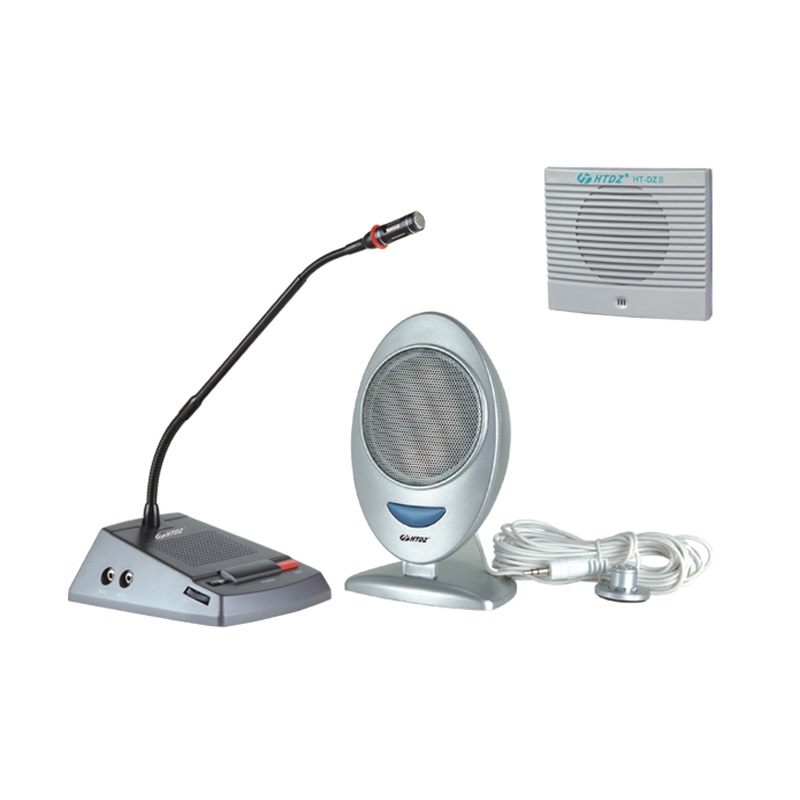
Broadcast Intercom Systems
Source professional-grade Broadcast Intercom Systems from vetted suppliers and manufacturers in Asia. Designed for importers, distributors, and brands seeking reliable OEM or private-label production, our network delivers high-performance matrix, partyline, and wireless IP intercom solutions for live production environments.
Sourcing broadcast intercom systems requires balancing mission-critical reliability with complex RF and IP audio integration. Whether you are procuring full-duplex DECT wireless beltpacks for live events or AES67-compliant matrix base stations for studio installations, the primary challenge is identifying manufacturers capable of delivering stable firmware, ultra-low latency, and robust hardware that survives demanding production environments.
Technical Specifications for Broadcast Environments
Professional broadcast communication cannot tolerate dropped packets or high latency. When evaluating a supplier's engineering capabilities, you must look beyond basic audio transmission and scrutinize their digital signal processing (DSP), network protocol implementation, and RF tuning.
| Architecture | Wireless (DECT/UHF) | IP/Matrix (AES67/Dante) |
|---|---|---|
| Target Latency | Under 30ms (end-to-end) | Under 5ms (network dependent) |
| Audio Bandwidth | Typically 7kHz (G.722) to 14kHz | 20kHz (Uncompressed 24-bit/48kHz) |
| Scalability | Limited by local RF spectrum | Virtually unlimited (network size) |
| Primary Use Case | Camera operators, floor managers | Control rooms, OB vans, remote production |
Navigating RF certifications, DSP integration, and firmware stability requires specialized factory selection. Partner with a team that understands broadcast standards.
Discuss your technical requirementsManufacturing Tolerances and Quality Control
The physical demands placed on broadcast intercoms are severe. Beltpacks are frequently dropped, exposed to weather, and subjected to continuous battery cycling. Base stations must operate 24/7 in hot equipment racks. The difference between a consumer-grade walkie-talkie factory and a professional broadcast equipment manufacturer lies entirely in their component selection and testing rigor.
A capable factory will utilize automated SMT (Surface-Mount Technology) lines for the PCBA, but the critical differentiator is their RF calibration process. Suppliers must have in-house anechoic chambers to properly tune antennas and measure Total Harmonic Distortion (THD) and Signal-to-Noise Ratio (SNR).
When implementing rigorous Quality Control & Inspection, your pre-shipment protocols should mandate the following verifications:
Critical QC Checks for Intercom Systems
- RF Spectrum Analyzer testing to verify frequency stability and transmission power.
- Drop testing (typically 1.5 meters onto concrete) for beltpack housings (ABS/Polycarbonate or Aluminum).
- IP rating verification (water/dust ingress) for outdoor-rated components.
- Full-load network stress testing for AES67/Dante matrix systems to verify packet loss under heavy traffic.
- Battery cycle and thermal testing for lithium-ion packs under continuous full-duplex transmission.
Production Realities: MOQs, Lead Times, and Costs
Broadcast intercoms are low-volume, high-margin products compared to consumer electronics. Because these systems rely on specialized DSP chips, FPGAs, and licensed audio networking modules (like Audinate's Dante), supply chain bottlenecks are common.
Prices vary significantly based on channel count, protocol licensing, and RF complexity. Developing a proprietary system from scratch requires substantial R&D, making OEM/ODM Services a popular route for brands wanting to customize existing proven reference designs.
Before committing to a production run, it is highly recommended to conduct thorough Factory Audits to verify the manufacturer's engineering team size, their history with broadcast-specific protocols, and their ISO 9001 compliance.
Ensure your supply chain is robust enough to handle global component shortages and strict broadcast manufacturing standards.
Talk to our teamFrequently Asked Questions
Successfully sourcing broadcast intercom systems means looking past the spec sheet to evaluate the underlying engineering discipline of the manufacturer. When a dropped word can ruin a live production, investing in rigorous supplier vetting, comprehensive RF testing, and strict quality control is the only way to protect your brand's reputation in the professional audio market.
Get Sourcing Help for Broadcast Intercom Systems
Tell us your requirements and our experts will connect you with verified manufacturers.