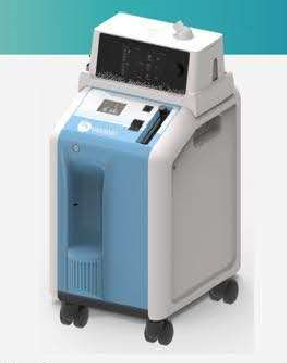
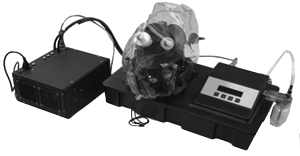
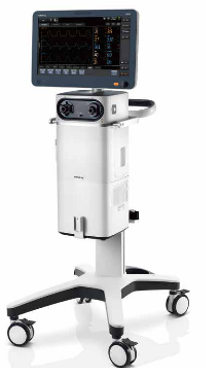
Breathing Apparatus
Source professional-grade breathing apparatus from vetted manufacturers and suppliers in China. Designed for medical distributors, clinical procurement teams, and healthcare brands seeking OEM/ODM production, our network provides bulk access to reliable, compliant emergency and clinical respiratory equipment.
Sourcing emergency and clinical breathing apparatus requires navigating strict regulatory landscapes and zero-tolerance quality thresholds. Whether you are procuring manual resuscitators (BVMs), oxygen therapy masks, or components for mechanical ventilation systems, the manufacturing baseline must meet international medical device directives. For professional buyers, the challenge is not just finding a factory, but verifying their cleanroom capabilities, raw material traceability, and adherence to ISO 13485 standards.
Core Specifications and Material Selection
The primary driver of both cost and clinical application in breathing apparatus is the material composition. Devices are typically categorized into reusable and disposable classifications, dictating the manufacturing environment and necessary certifications.
- Medical-Grade Silicone: Used for reusable resuscitators and masks. It must withstand repeated autoclaving (typically up to 134 degrees Celsius) without degrading or losing elasticity.
- Medical-Grade PVC or SEBS: Utilized for single-patient, disposable units. These materials eliminate cross-contamination risks and are favored in pre-hospital emergency care and high-turnover clinical settings.
- Valves and Connectors: Non-rebreathing valves and pressure relief (pop-off) valves are critical components. Adult models are typically equipped with 60 cmH2O pressure relief valves, while pediatric and infant models use 40 cmH2O valves to prevent barotrauma. Standardized 15mm/22mm connectors (ISO 5356-1) are mandatory for universal compatibility with endotracheal tubes and ventilation circuits.
| Material Profile | Sterilization | Primary Application | Cost & Sourcing Impact |
|---|---|---|---|
| Silicone (Reusable) | Autoclavable | Hospitals, long-term clinical | Higher unit cost, lower MOQ |
| PVC / SEBS (Disposable) | EtO Sterilization (if required) | EMS, field emergency kits | Low unit cost, high volume MOQ |
Manufacturing Standards and Factory Verification
Breathing apparatus production cannot happen in a standard assembly facility. The injection molding of medical plastics and the final assembly of valves and bags must occur in controlled environments. When shortlisting suppliers, verifying their infrastructure is non-negotiable.
A standard requirement is an ISO Class 8 (Class 100,000) cleanroom for assembly and packaging. Relying on self-reported certificates is a high-risk strategy; conducting independent Factory Audits is essential to confirm the cleanroom's operational status, HVAC filtration logs, and the manufacturer's Quality Management System (QMS).
Supplier Vetting Checklist for Breathing Apparatus
- Verify active ISO 13485:2016 certification and scope of registration.
- Confirm ISO Class 8 cleanroom maintenance and particulate testing logs.
- Request ISO 10993 biocompatibility test reports for all patient-contact materials.
- Check CE marking (MDR compliance) or FDA 510(k) clearance documentation for the specific device class.
- Assess traceability protocols for raw material batches (silicone/PVC resins).
Furthermore, navigating destination-market regulations requires specialized oversight. Partnering for Compliance & Testing ensures that third-party laboratory tests for dead space, tidal volume delivery, and exhalation resistance meet the exact requirements of your local regulatory body before mass production begins.
Navigating medical device compliance in Asia? Let's discuss your regulatory requirements and supplier vetting strategy.
Talk to our teamSourcing Mechanics: MOQs, Lead Times, and Pricing
Pricing for breathing apparatus is highly sensitive to raw material costs (especially medical-grade silicone) and the complexity of the valve assemblies. Customization—such as color-coding, custom branding on the resuscitator bag, or proprietary packaging—will also impact minimum order quantities (MOQs).
If you are developing a proprietary design or modifying an existing apparatus for a specific clinical need, expect tooling costs for new injection molds to range from a few thousand to tens of thousands of dollars, depending on cavitation and complexity.
Because defects in life-saving equipment carry catastrophic liability, rigorous Quality Control & Inspection is mandatory. Pre-shipment inspections must include functional testing of the pressure relief valves, visual inspection for flash or molding defects on patient interfaces, and verification of packaging integrity.
Need reliable pre-shipment inspection for medical devices? We can help secure your supply chain.
Get a free consultationFrequently Asked Questions
Procuring breathing apparatus at scale is an exercise in risk management as much as it is in supply chain economics. Success requires partnering with factories that treat quality control as a clinical necessity, not just a contractual obligation. By enforcing strict vetting, maintaining on-the-ground oversight, and validating every regulatory claim, buyers can secure reliable, life-saving equipment without compromising their margins or their brand's integrity.
Get Sourcing Help for Breathing Apparatus
Tell us your requirements and our experts will connect you with verified manufacturers.