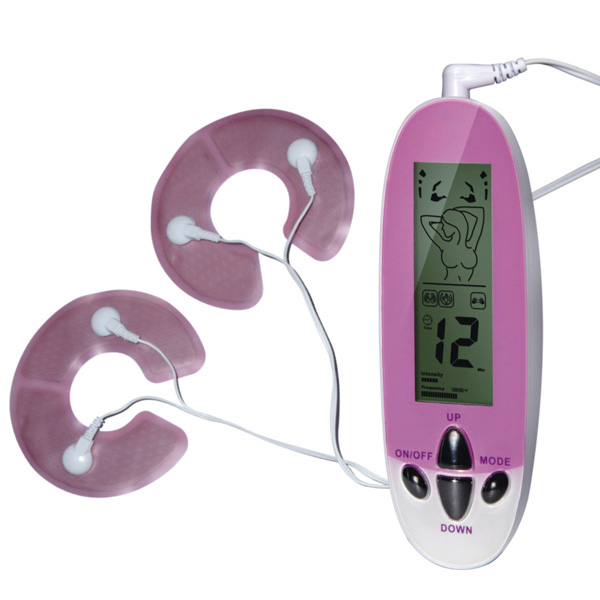
Breast Massagers
Source premium breast massagers from vetted manufacturers and wholesale suppliers. Designed for importers, distributors, and brands seeking reliable OEM and private-label production, our network delivers consistent quality, customizable features, and strict compliance for global beauty and wellness markets.
Sourcing electronic beauty devices designed for sensitive skin contact requires a strict balance of motor durability, battery safety, and material biocompatibility. For breast massagers, the manufacturing margin for error is exceptionally tight. Buyers must navigate a supply chain where superficial similarities often hide severe compromises in internal components, silicone curing processes, and thermal regulation.
Critical Specifications & Material Standards
When evaluating factory prototypes or drafting OEM specifications, focus on the triad of performance: material safety, motor endurance, and thermal control.
Silicone Quality and Curing
The exterior material is the primary point of failure for low-cost units. Manufacturers typically use either standard peroxide-cured silicone or platinum-cured silicone. Platinum-cured medical-grade silicone is non-porous, hypoallergenic, and resists degradation from oils and lotions. Ensure your supplier specifies the exact shore hardness (typically 30A to 40A for optimal flexibility) and can provide RoHS and REACH compliance documentation for the raw material batches.
Internal Components: Motors and Batteries
Vibration and massage functions rely on micro-motors (often eccentric rotating massagers or ERMs). High-end units utilize dual-motor setups to distribute vibration evenly without excessive chassis rattle. Lithium-polymer (LiPo) batteries must be sourced from reputable tier-2 or tier-1 cell manufacturers with built-in PCB protection to prevent overcharging and thermal runaway.
Navigating component specifications and factory capabilities is complex. Let us help you identify manufacturers capable of meeting strict quality thresholds.
Talk to our teamManufacturing Tolerances and Quality Control
Defects in this category rarely present themselves on day one; they emerge after weeks of use. Catching these issues requires rigorous Quality Control & Inspection during the assembly process, not just prior to shipment.
Essential Factory-Level Inspections
- Battery Aging Tests: 100-percent charge/discharge cycling on a sample batch to verify capacity retention.
- Thermal Sensor Calibration: Testing NTC thermistors to ensure heating elements shut off automatically at 42 degrees Celsius.
- Waterproof Integrity: Vacuum or water submersion testing (IPX7) on sealed units before final packaging.
- Silicone Seam Inspection: Checking for micro-tears or flashing along the injection mold parting lines.
If you are developing a custom product, comprehensive Compliance & Testing is mandatory. Devices entering the US or EU markets require CE, FCC, and RoHS certifications. If the product makes any therapeutic or medical claims (such as lactation support), it may fall under FDA Class I or Class II medical device regulations, drastically changing the required factory ISO certifications (e.g., ISO 13485).
Customization and OEM Procurement
Most volume buyers utilize OEM/ODM Services to differentiate their product lines. The level of customization dictates your tooling costs and time to market.
| Customization Level | Typical Modifications | Tooling Impact |
|---|---|---|
| White Label (Off-the-shelf) | Custom packaging, logo printing on device | Zero tooling cost, fast deployment |
| Light OEM | Custom silicone colors, altered vibration patterns (PCBA firmware) | Minimal cost, moderate lead time |
| Full ODM | Unique chassis design, proprietary heating/motor layout | High tooling cost (injection molds), 45-60 day R&D phase |
Pricing, MOQs, and Lead Times
Pricing in this category is highly elastic based on the internal components.
- Standard Units: Basic vibration, standard silicone, single motor. Typically priced between $3.00 and $6.00 per unit.
- Premium Units: Platinum silicone, dual motors, app connectivity, graphene heating. Prices range from $12.00 to $25.00+ per unit.
Minimum Order Quantities (MOQs): For standard white-label orders, factories typically require 500 to 1,000 units. Custom silicone colors or bespoke firmware adjustments usually push the MOQ to 2,000 or 3,000 units to justify the material batching and PCBA setup.
Lead Times: Expect 25 to 35 days for standard production runs. Full ODM projects, including mold creation and sample validation, require 60 to 90 days before mass production begins.
Need realistic pricing and lead times for your specific product requirements? We can match your specs with capable, vetted factories.
Get a free consultationFrequently Asked Questions
Successfully sourcing breast massagers requires looking past the cosmetic exterior to validate the safety and durability of the internal engineering. Partnering with suppliers who prioritize rigorous component selection and standardized assembly processes is the only reliable way to protect your brand's reputation and ensure long-term market success.
Get Sourcing Help for Breast Massagers
Tell us your requirements and our experts will connect you with verified manufacturers.