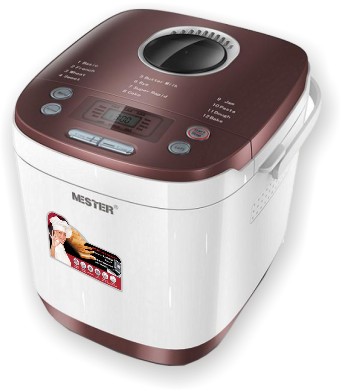
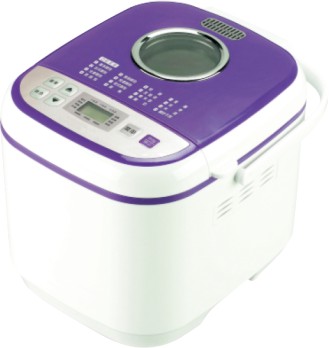
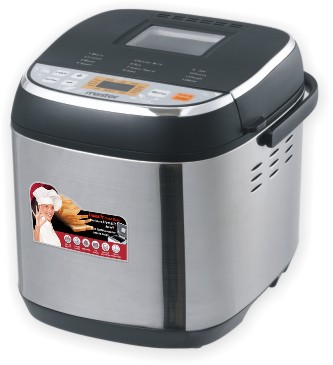
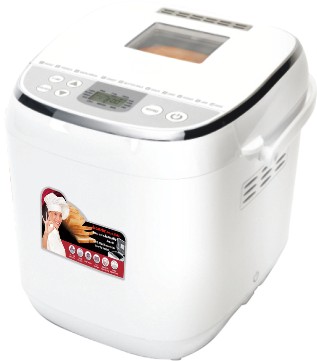
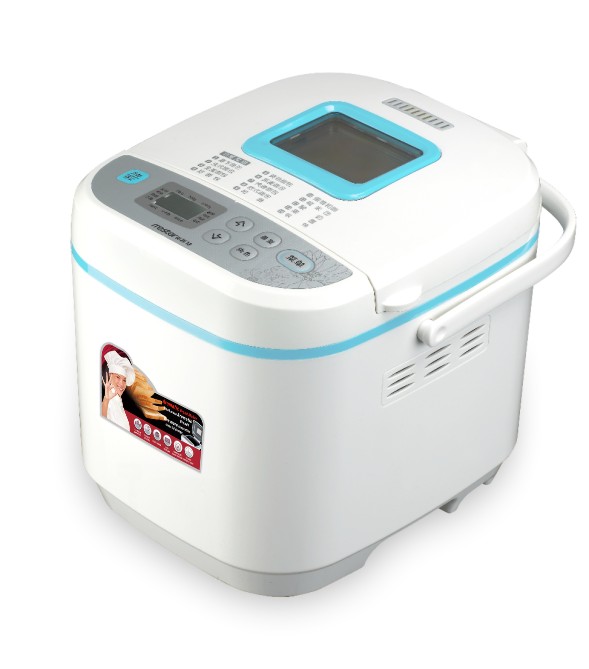
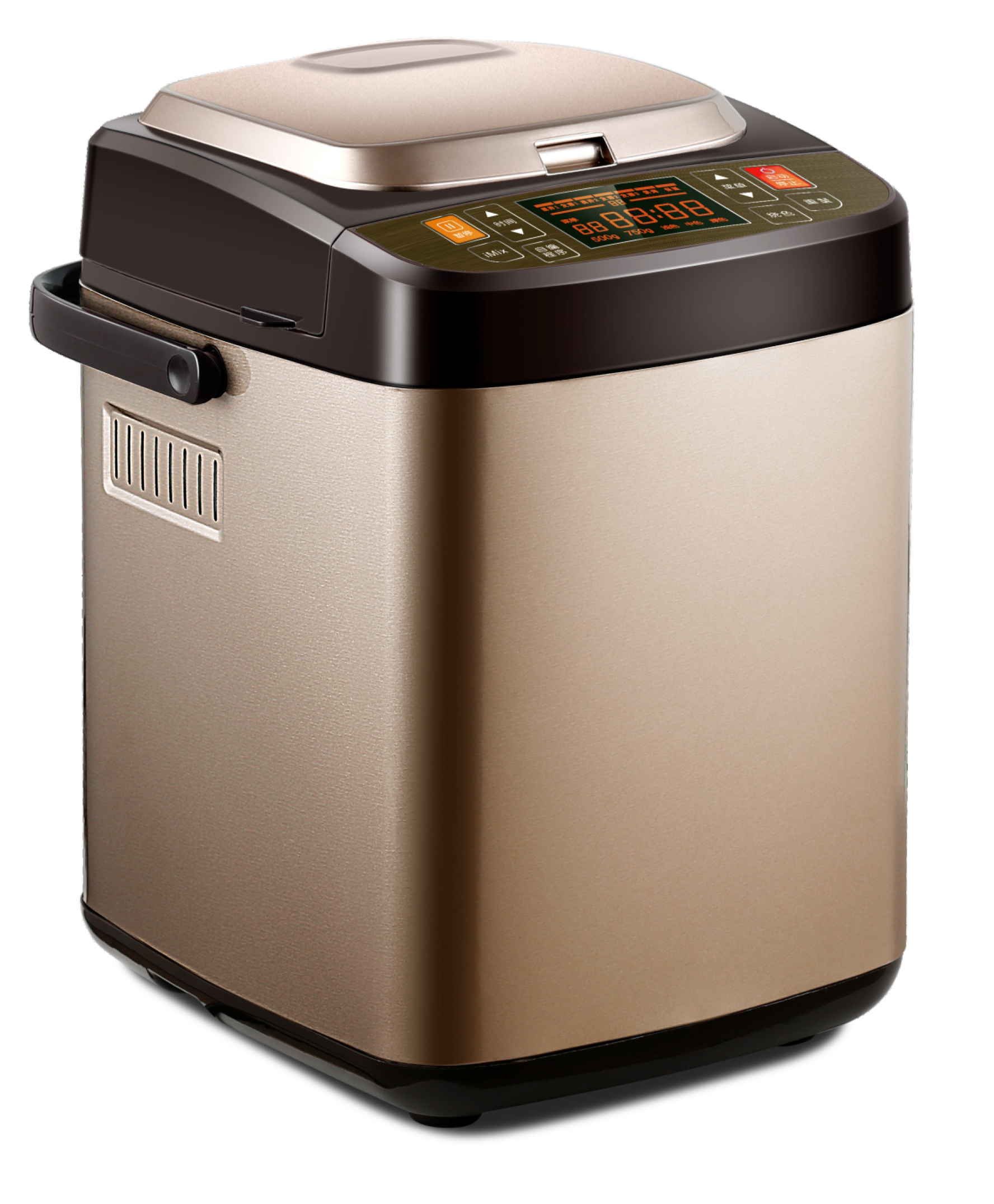
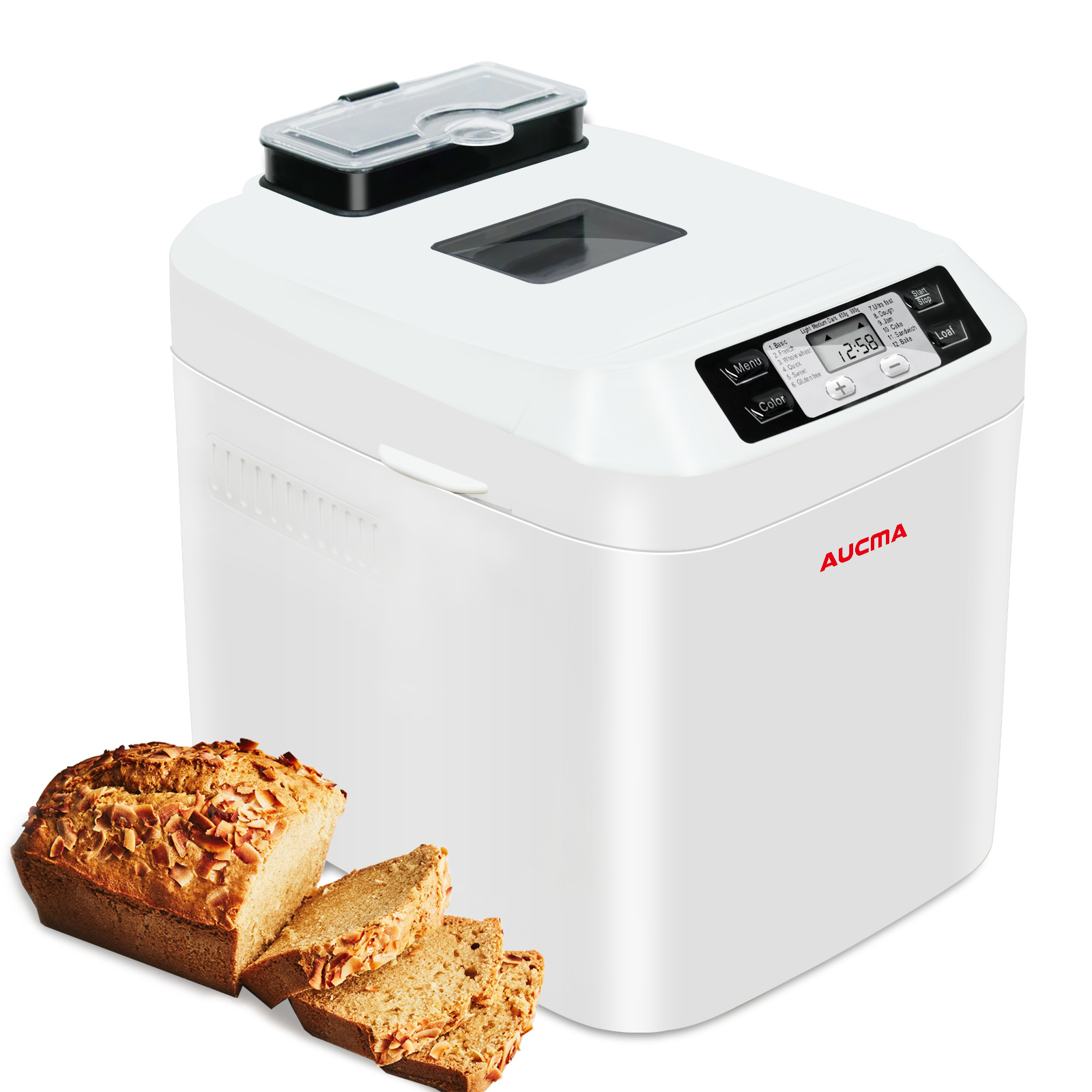
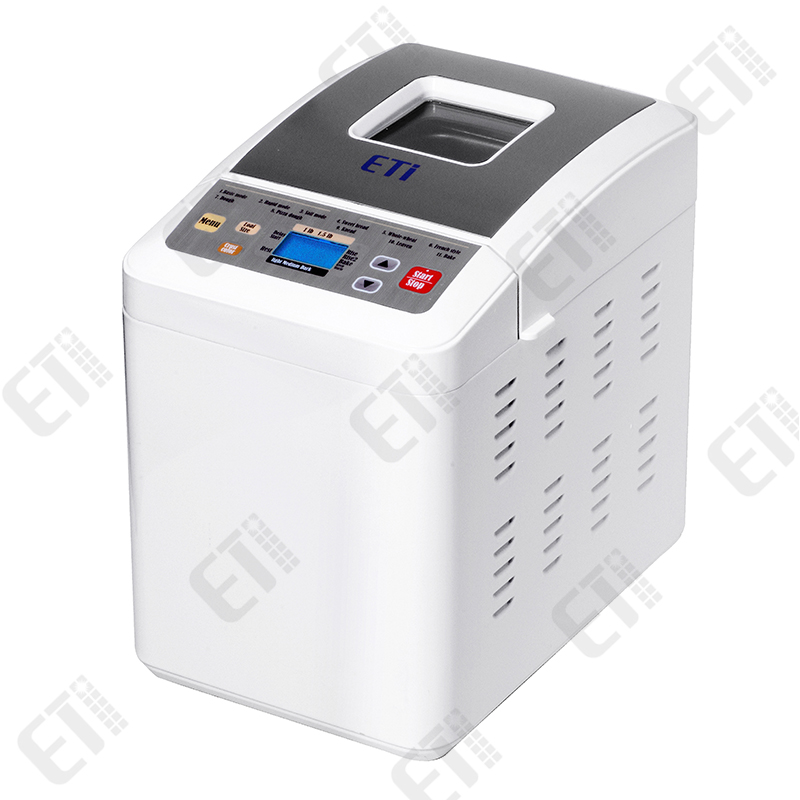
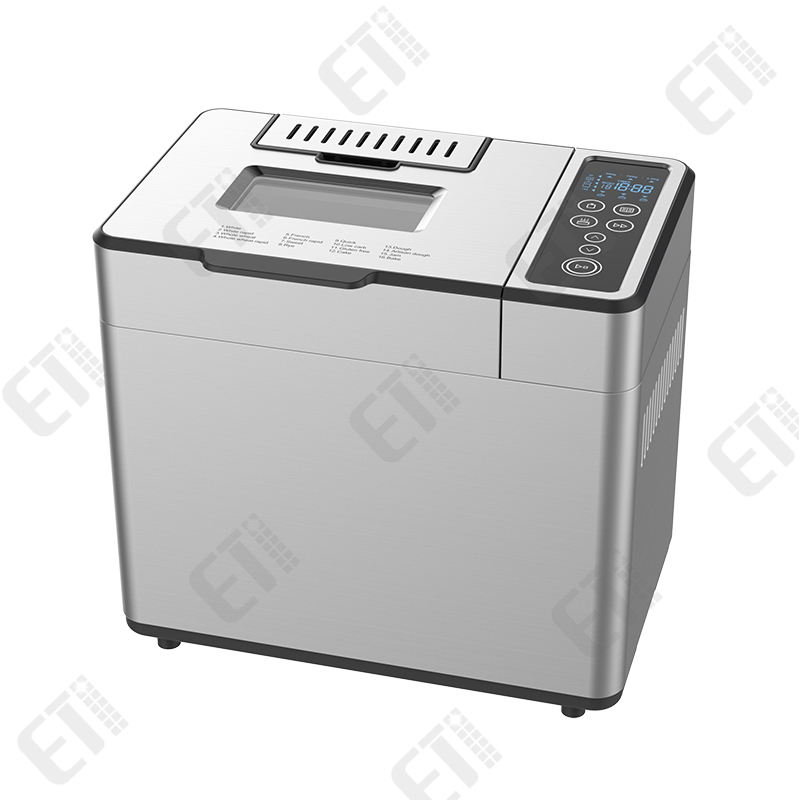
Bread Makers
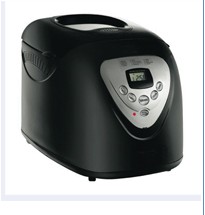
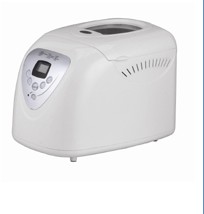
Source reliable, high-performance bread makers from vetted manufacturers and wholesale suppliers. Designed for importers, distributors, and appliance brands seeking OEM, ODM, or private-label production. Secure competitive bulk pricing on units built to strict international food-grade and safety standards.
Sourcing bread makers at scale requires balancing complex electromechanical systems with strict food safety compliance. Unlike simpler heating appliances, a bread maker combines a high-torque motor for kneading dense dough with precise, programmable heating elements for proofing and baking. For procurement teams and brands, selecting the right manufacturing partner means looking past the outer housing and scrutinizing component durability, PCB logic, and thermal management.
Critical Component Specifications
When evaluating factory prototypes or specifying an OEM build, the internal bill of materials (BOM) dictates both the lifespan of the appliance and its retail positioning.
| Specification | Standard / Entry-Level | Premium / High-End |
|---|---|---|
| Motor Technology | AC Motor (heavier, louder, lower cost) | DC Motor (quieter, variable speed, high torque) |
| Heating Element | Single bottom tube (500W - 600W) | Dual tubes (bottom & middle, 600W - 850W) |
| Pan Material | Stamped aluminum with standard Teflon | Die-cast aluminum with ceramic coating |
| User Interface | Tactile buttons with basic LCD | Capacitive touch with high-contrast LED/TFT |
| Dispensers | None, or manual add-in beeps | Automatic dual dispensers (fruit/nut & yeast) |
Motor and Transmission
The motor and belt transmission system is the most common point of failure in poorly manufactured bread makers. Heavy, low-hydration doughs (like whole wheat or rye) place immense stress on the motor. Premium units increasingly utilize DC motors, which offer better torque control at lower speeds and operate significantly quieter than traditional AC motors. Ensure the transmission belt is made from high-temperature resistant rubber (such as reinforced timing belts) to prevent stretching and slipping over time.
Need help verifying factory component quality and motor durability? Let our sourcing engineers evaluate your supplier's BOM.
Talk to our teamManufacturing Quality & Defect Prevention
Consistency in bread making relies on precise temperature control during the resting, kneading, proofing, and baking phases. If the factory's PCB programming or thermistor placement is flawed, the machine will consistently produce under-baked or collapsed loaves.
Verifying a supplier's engineering capability often requires comprehensive Factory Audits to ensure they have the testing infrastructure necessary for complex small appliances.
Key Quality Control Checks
To maintain low return rates, implement strict Quality Control & Inspection protocols before shipment:
Pre-Shipment Inspection Focus Areas
- Thermistor Calibration: Verify temperature accuracy across proofing (approx. 30-38°C) and baking (up to 150°C) cycles.
- Motor Stall Torque Test: Ensure the motor can handle maximum rated dough capacity without overheating or stalling.
- Coating Adhesion Test: Cross-hatch testing on the bread pan's non-stick coating to ensure it won't flake into food.
- Dispenser Timing: Verify that solenoid valves for automatic fruit/nut and yeast dispensers trigger at the exact programmed intervals.
- Thermal Insulation: Check exterior housing temperatures to ensure compliance with touch-safe standards.
Customization and OEM/ODM Dynamics
Most bread maker factories in hubs like Guangdong and Zhejiang operate on an ODM basis, offering existing tooling that can be customized. Developing a completely custom housing (OEM) requires significant investment in plastic injection and metal stamping molds.
When utilizing OEM/ODM Services, brands typically differentiate through software. Customizing the PCB to include specialized programs—such as gluten-free, sourdough starter, or low-carb modes—adds significant value without the capital expenditure of new physical tooling.
Pricing, Lead Times, and MOQs
Understanding the baseline mechanics of bulk ordering helps in negotiating realistic terms. Housing materials (plastic vs. brushed stainless steel) and motor types are the primary cost drivers.
Compliance Verification
Do not take factory certifications at face value. Food contact materials must pass specific market regulations (FDA for the US, LFGB for Europe). Always require independent Compliance & Testing for the bread pan coating and kneading paddles.
Looking to consolidate your appliance supply chain and negotiate better factory terms? Connect with our sourcing experts.
Get a free consultationFrequently Asked Questions
Successful bread maker sourcing requires looking beyond the spec sheet to understand how the internal components will hold up to daily use and high temperatures. By partnering with factories that prioritize robust DC motors, precise thermistors, and strict food-safe coatings, brands can deliver appliances that build long-term consumer trust.
Get Sourcing Help for Bread Makers
Tell us your requirements and our experts will connect you with verified manufacturers.