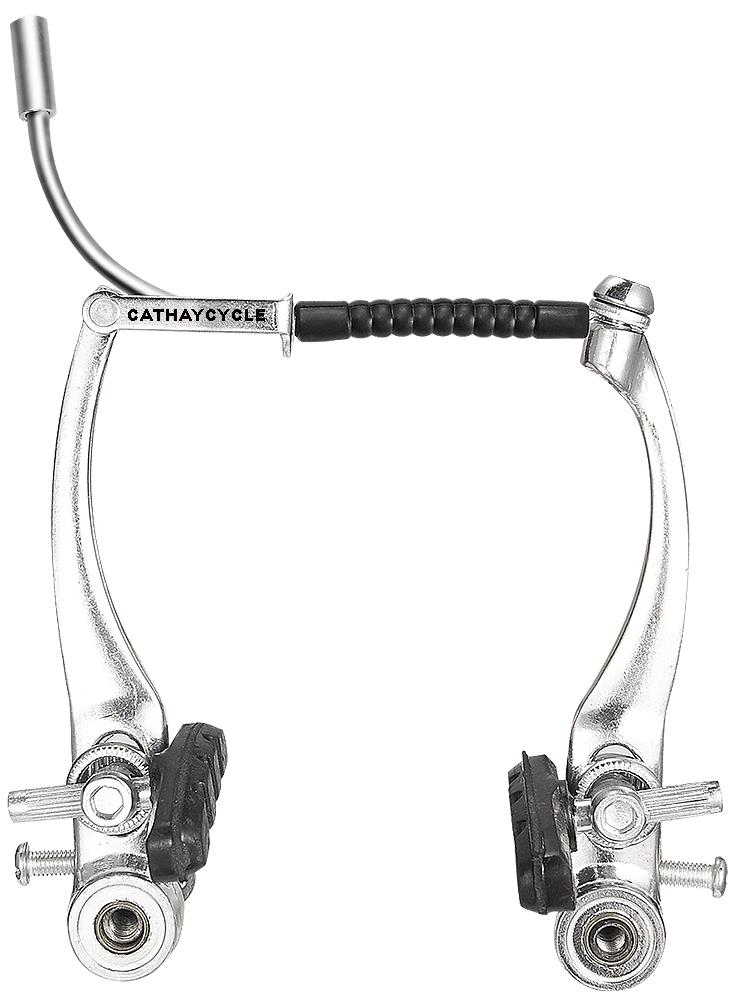
Brakes
Source premium bicycle brakes from vetted suppliers and manufacturers across Asia. Designed for importers, wholesale distributors, and cycling brands seeking reliable OEM/ODM production, our network delivers high-performance braking systems in bulk to meet strict safety and performance standards.
Sourcing bicycle brakes at scale requires balancing stopping power, modulation, and strict safety compliance. Whether you are procuring mechanical systems for entry-level commuter bikes or multi-piston hydraulic disc setups for performance e-bikes and mountain bikes, the margin for error is zero. A reliable supply chain depends on factories capable of tight CNC machining tolerances, flawless hydraulic seal installation, and rigorous batch testing.
Specifying Brake Systems for Bulk Production
When approaching manufacturers for production, specifications must be exhaustive. Factories need exact parameters regarding actuation type, mounting standards (IS, Post Mount, Flat Mount), and rotor compatibility (6-bolt or Centerlock). For hydraulic systems, the choice of hydraulic fluid and piston architecture drastically impacts both the manufacturing cost and the end-user application.
| Architecture | 2-Piston Hydraulic | 4-Piston Hydraulic |
|---|---|---|
| Primary Application | Cross-country, Commuter, Road | Enduro, Downhill, Heavy E-Bikes |
| Pad Surface Area | Standard | Oversized for heat dissipation |
| Modulation | Direct, punchy feel | Highly progressive |
| Manufacturing Complexity | Moderate (fewer seals) | High (complex caliper forging/machining) |
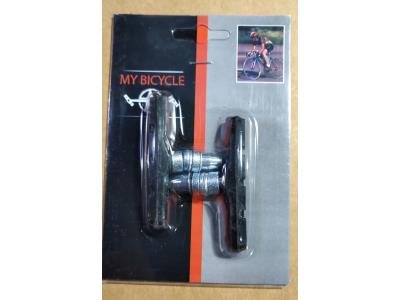
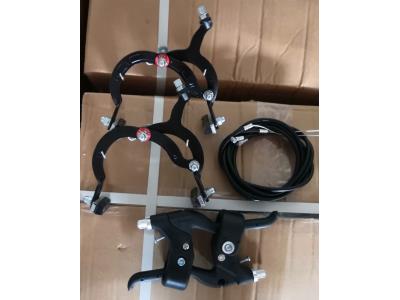
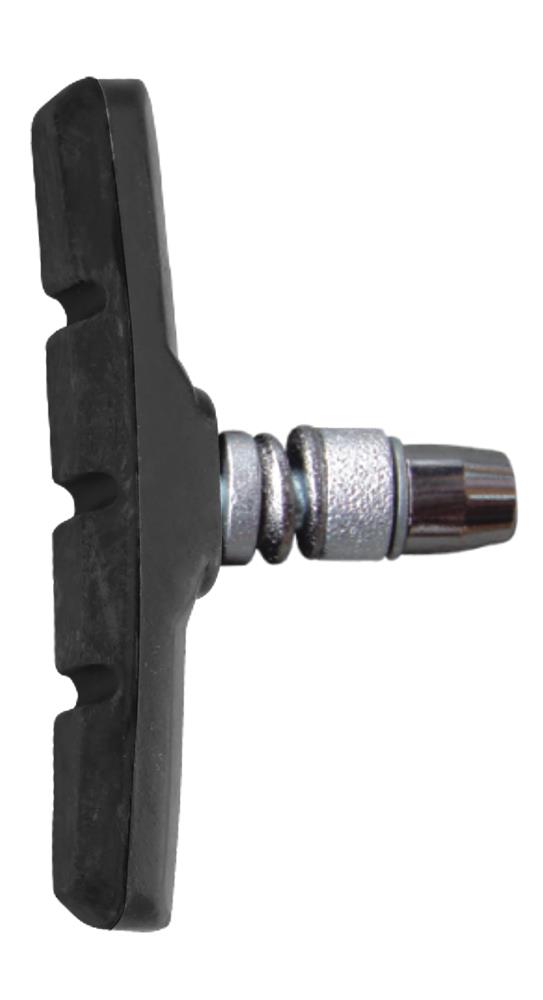
Beyond the calipers and levers, brake pad compounds must be specified based on the target market. Resin (organic) pads offer quieter operation and rapid bed-in, while metallic (sintered) pads are mandatory for high-heat, heavy-duty applications.
Need expert support vetting brake manufacturers and locking in technical specifications?
Talk to our teamManufacturing Tolerances and Quality Control
The performance of a brake system is won or lost on the factory floor. Caliper bodies are typically forged from aluminum alloys (like 6061 or 7075) and then CNC machined. If the machining tolerances for piston bores are off by even a fraction of a millimeter, the system will suffer from sticky pistons, uneven pad wear, or catastrophic fluid leaks.
To mitigate these risks, implementing strict Quality Control & Inspection protocols is essential. Inspectors must verify dimensional accuracy before assembly and conduct pressure tests on fully bled systems.
Critical Factory Inspection Points for Brakes
- Caliper bore dimensional accuracy and surface finish (preventing seal degradation).
- Hydraulic line crimp strength and banjo fitting torque verification.
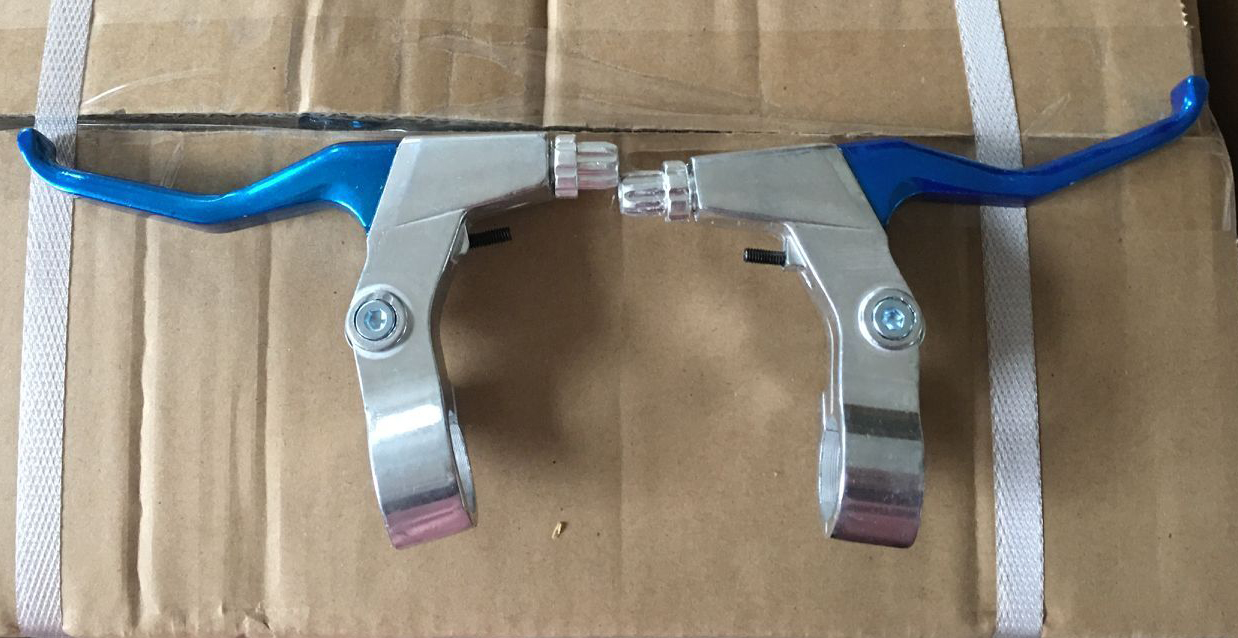
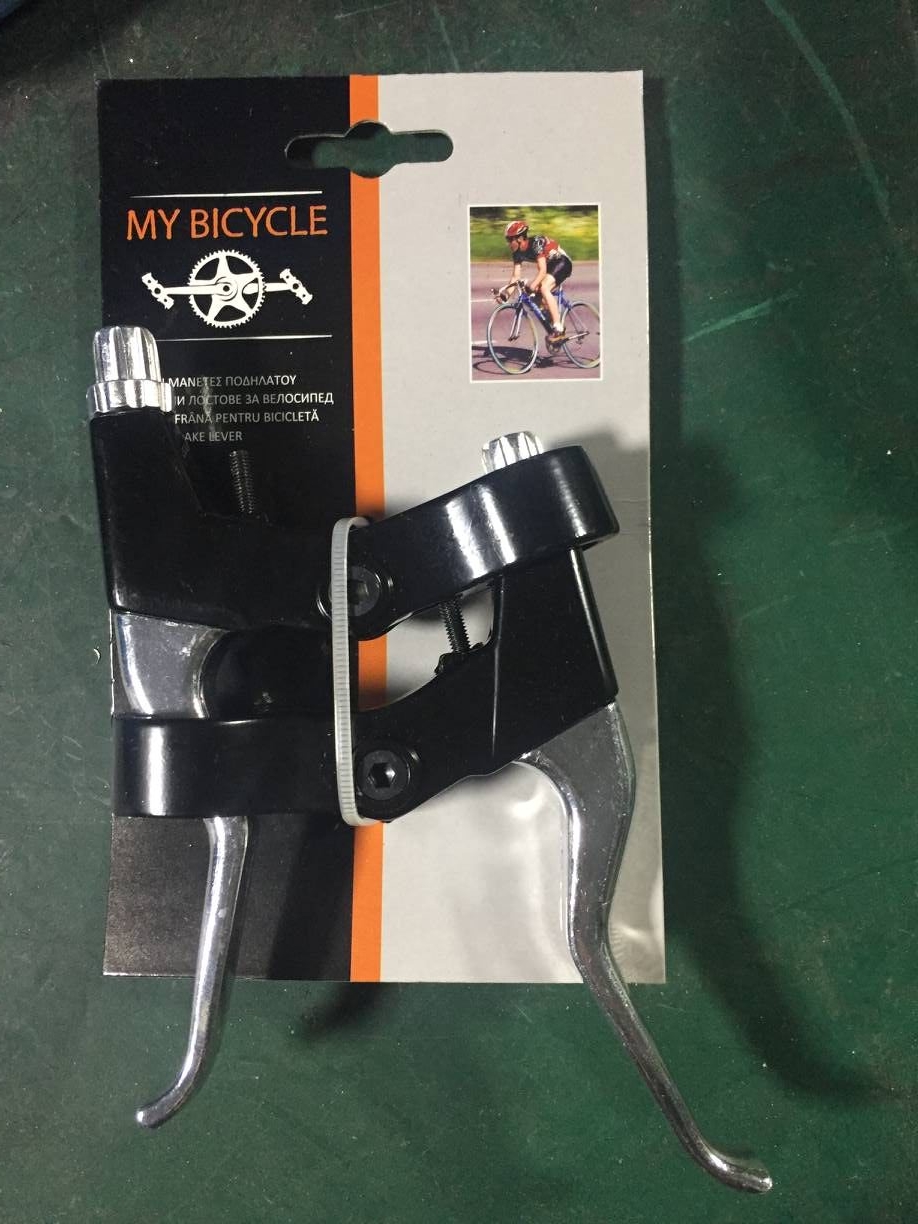
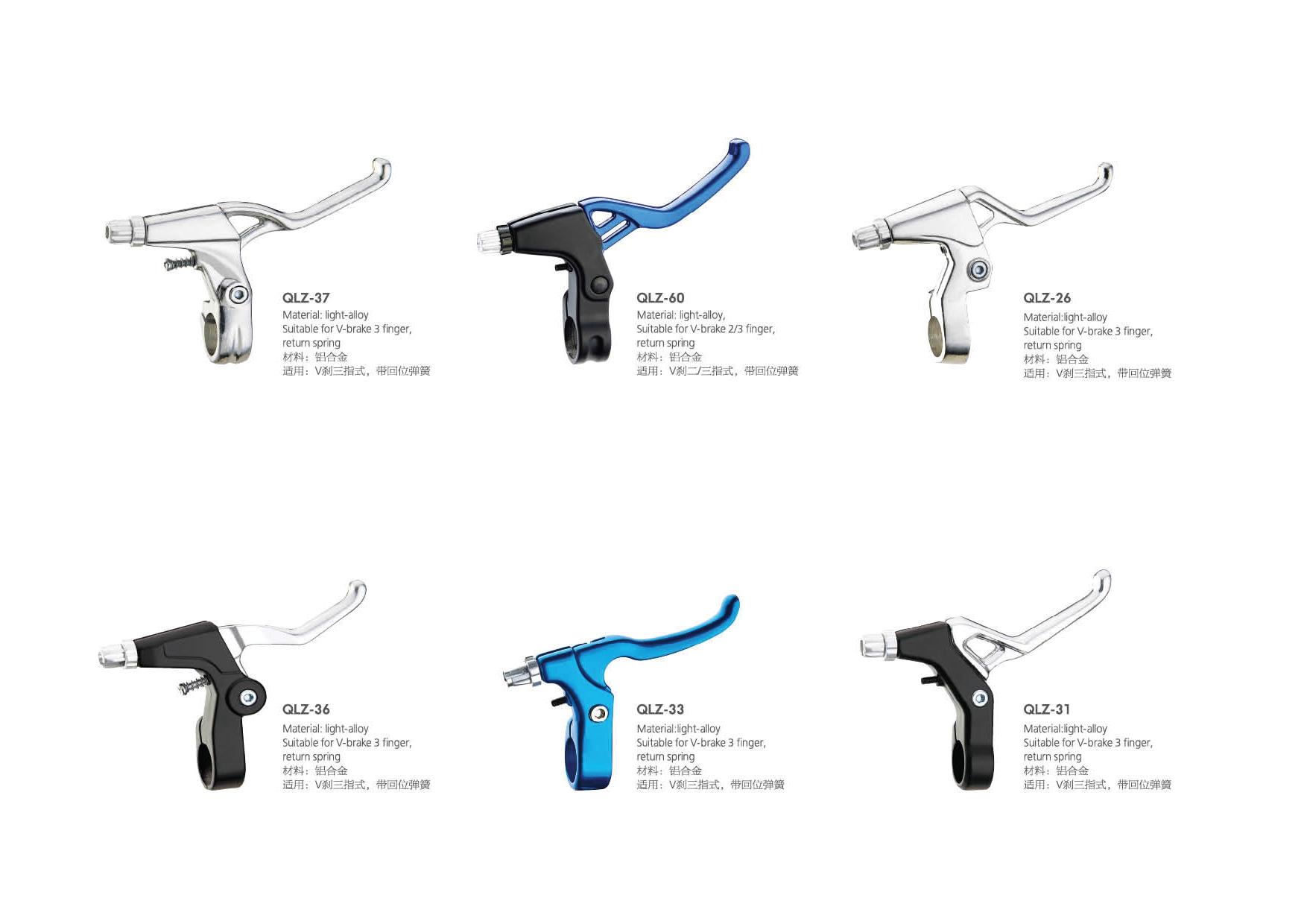
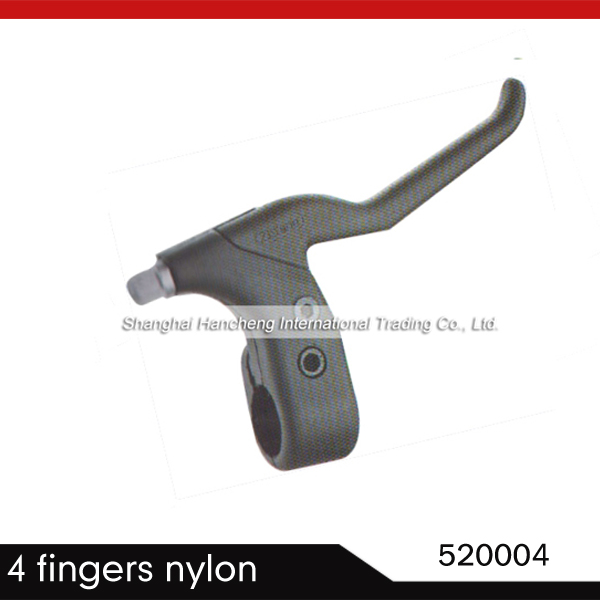
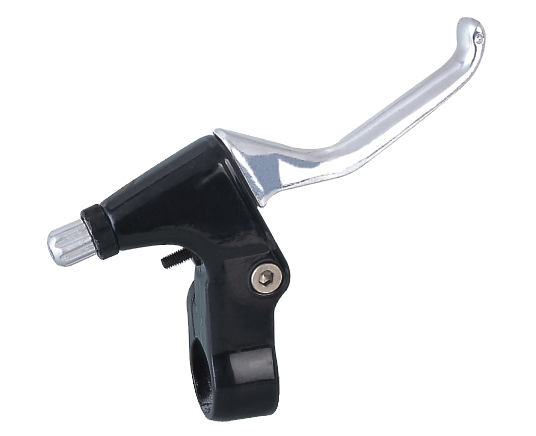
- Lever pivot play and bushing tolerances.
- System pressure testing (holding maximum PSI without fluid weepage).
- Anodizing or paint finish consistency and corrosion resistance.
Furthermore, any brake system imported into major markets must pass established safety standards, such as ISO 4210. Partnering with a sourcing team that can facilitate independent Compliance & Testing ensures your shipments won't face regulatory holds or recall risks upon arrival.
Sourcing Mechanics: MOQs, Lead Times, and Pricing
The global hub for premium bicycle brake manufacturing remains Taiwan, known for high-end CNC work and advanced hydraulic engineering. However, mainland China (particularly around Shenzhen and Kunshan) offers highly competitive pricing for mid-tier and entry-level systems, making it the go-to region for high-volume OEM procurement.
Pricing is heavily dictated by the level of finish (e.g., polished and anodized versus painted), the complexity of the lever internals (tool-free reach adjust vs. tooled), and raw material market fluctuations. If you are developing a proprietary design, utilizing professional OEM/ODM Services can help you navigate tooling costs and IP protection effectively.
Optimize your brake supply chain with transparent pricing and factory-direct negotiation.
Get a free consultationFrequently Asked Questions
Procuring bicycle brakes in bulk is a high-stakes technical endeavor. Success requires partnering with manufacturers who treat hydraulic engineering and metallurgical consistency as non-negotiable standards. By maintaining strict oversight from the initial specification sheet through to pre-shipment pressure testing, buyers can secure reliable, high-performance braking systems that protect both the rider and the brand's reputation.
Get Sourcing Help for Brakes
Tell us your requirements and our experts will connect you with verified manufacturers.