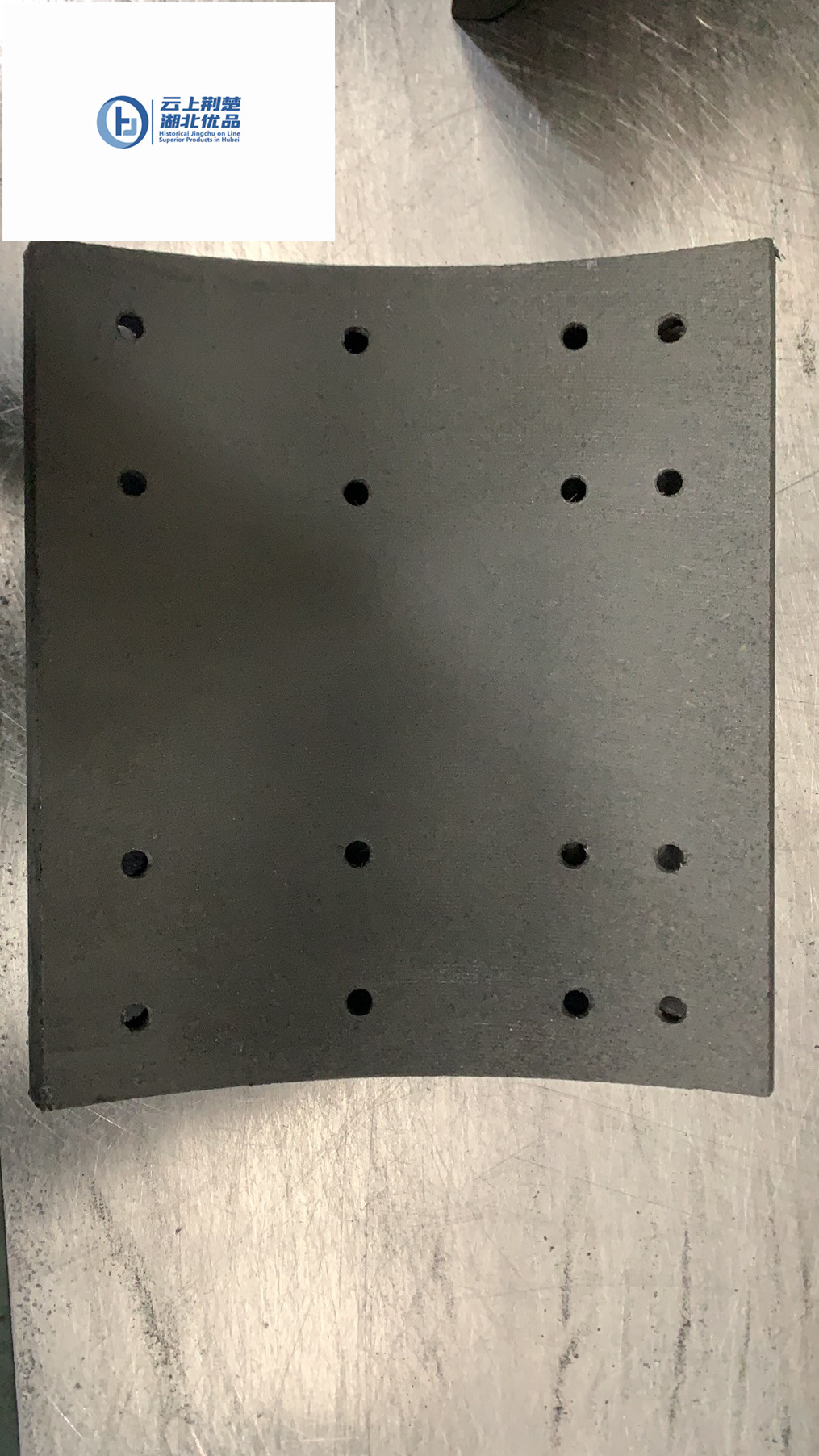
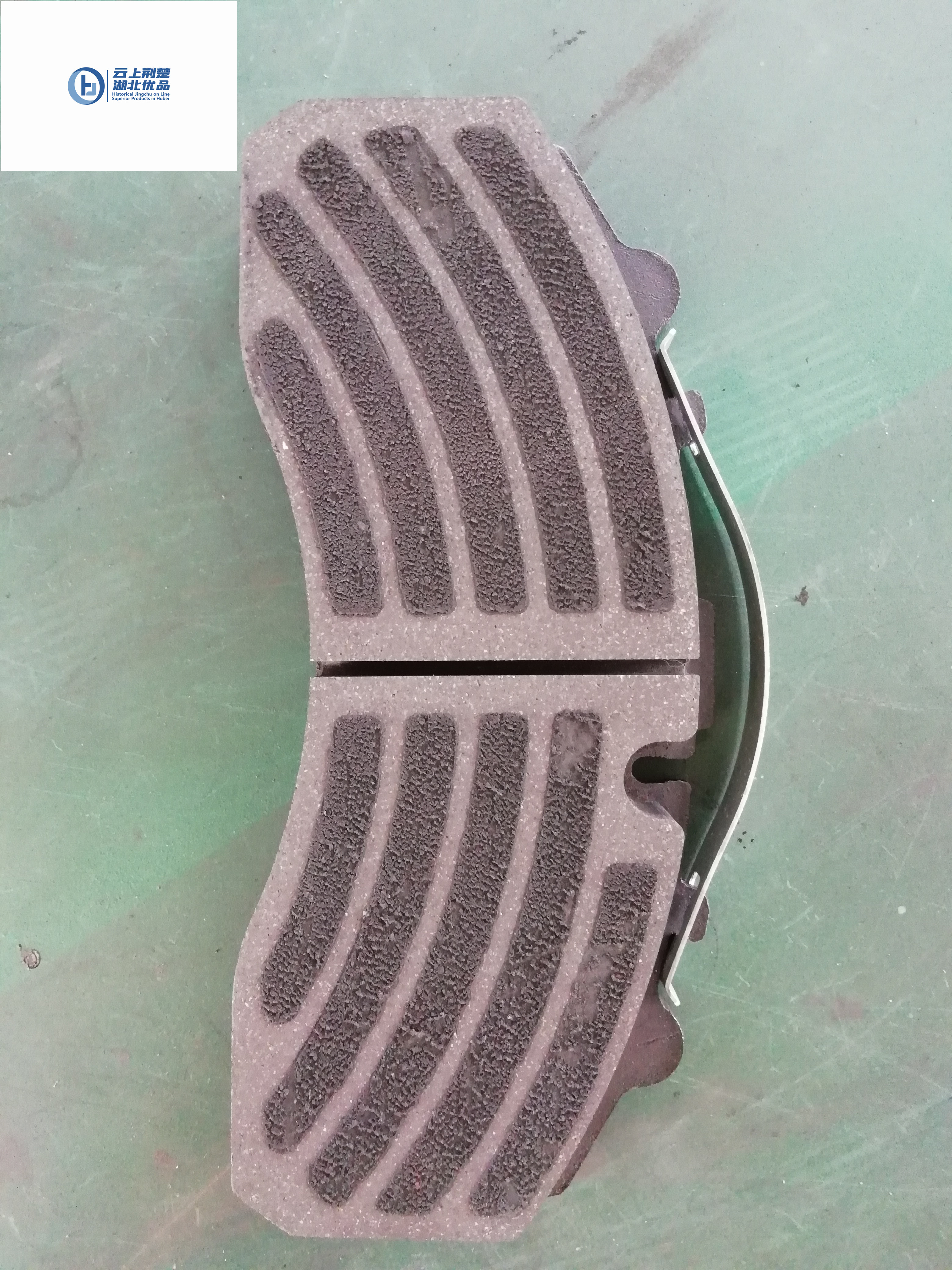
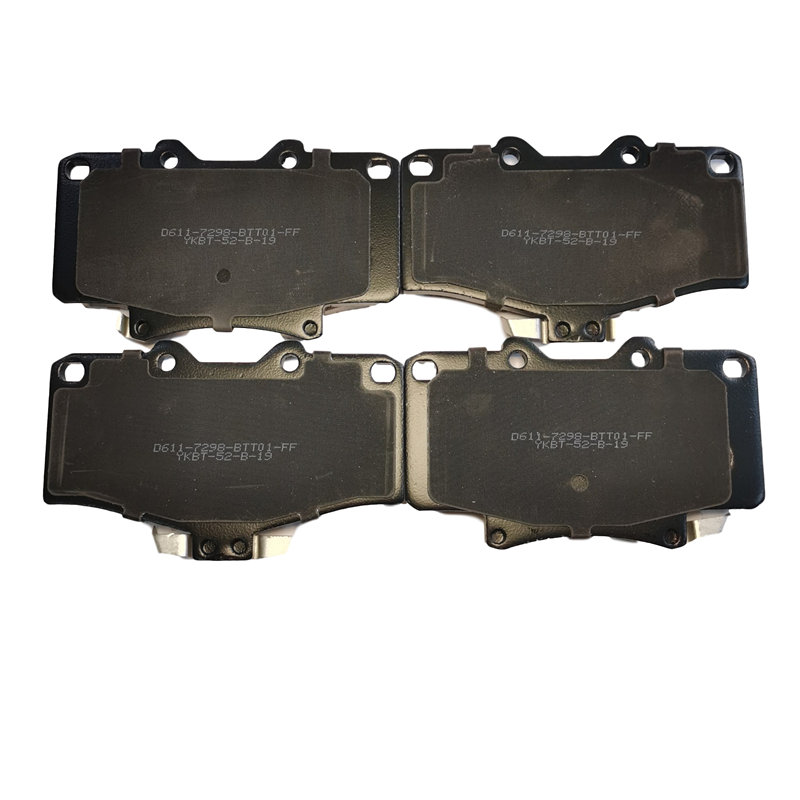
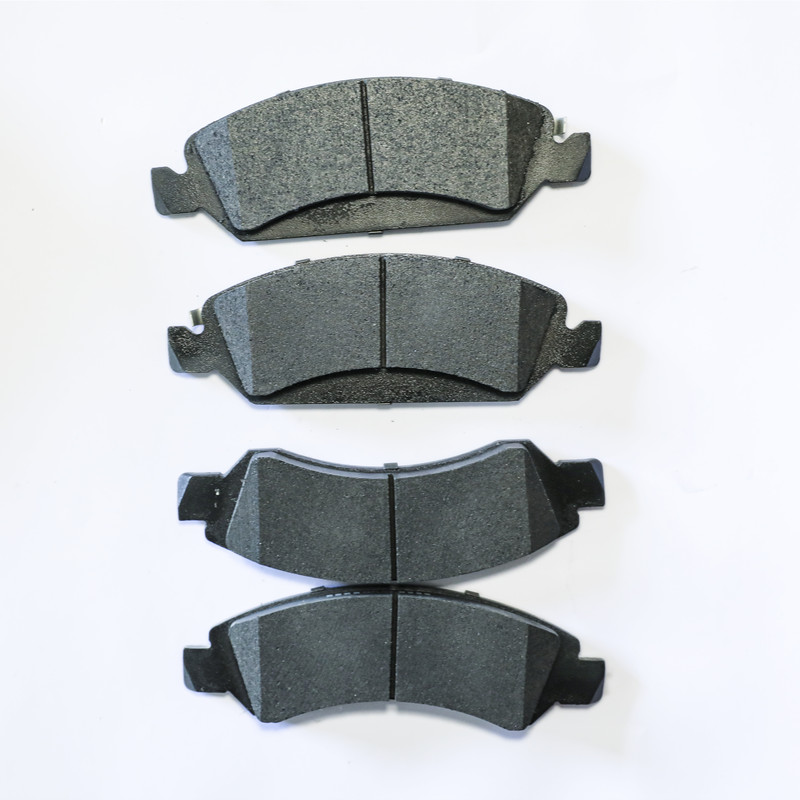
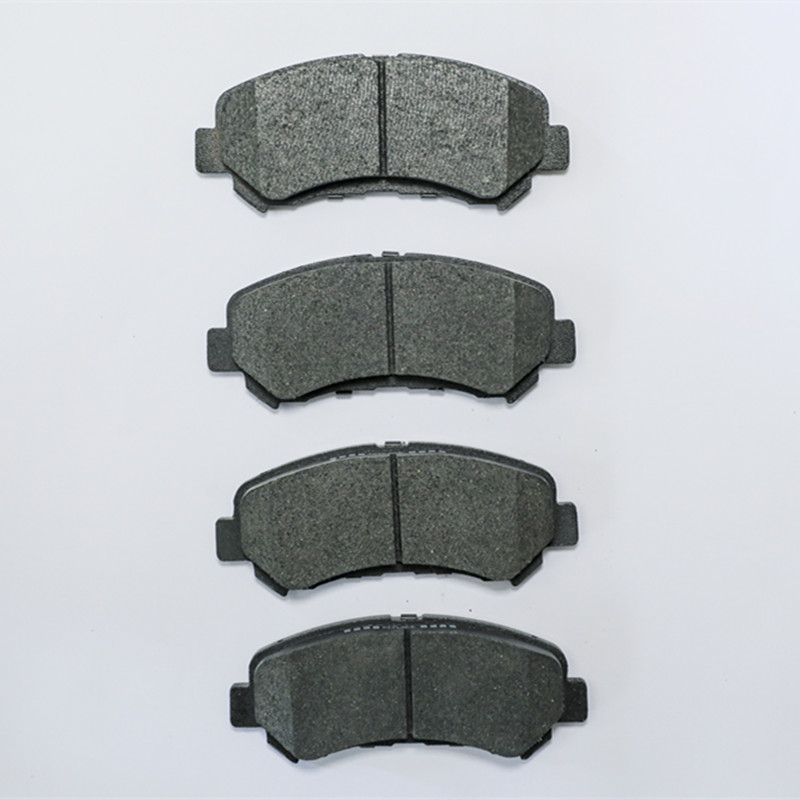
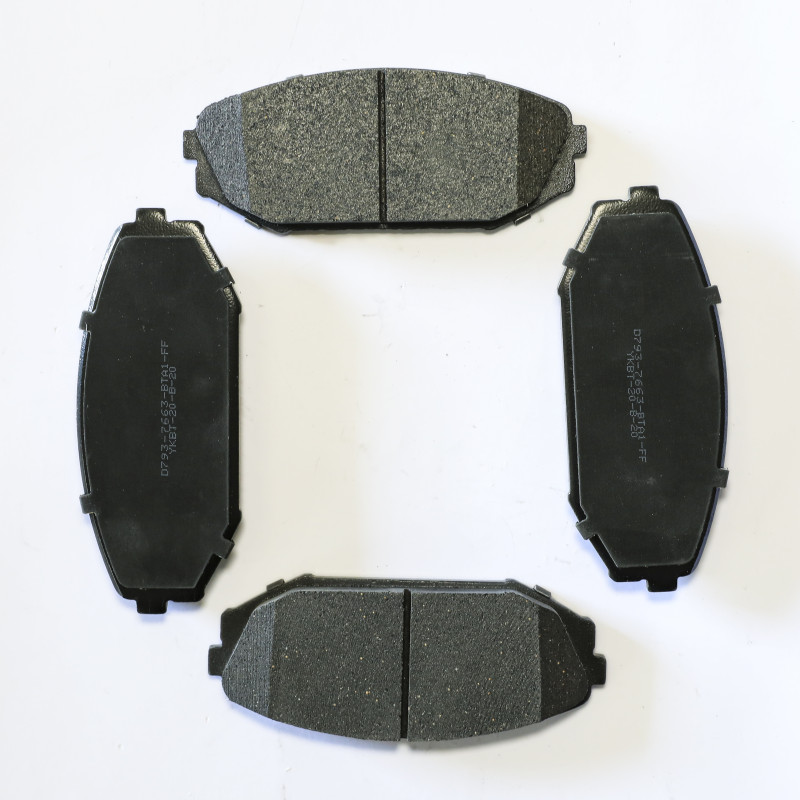
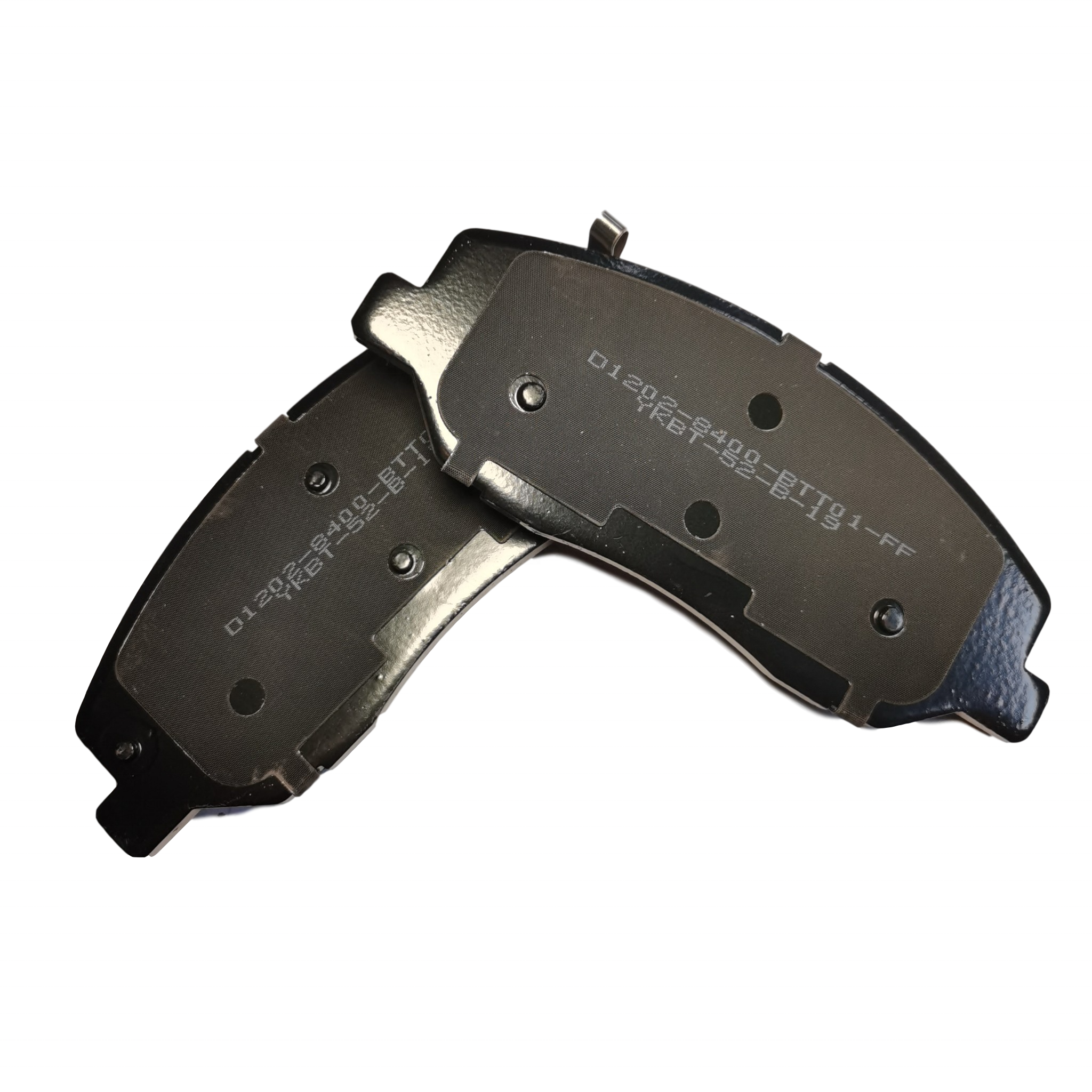
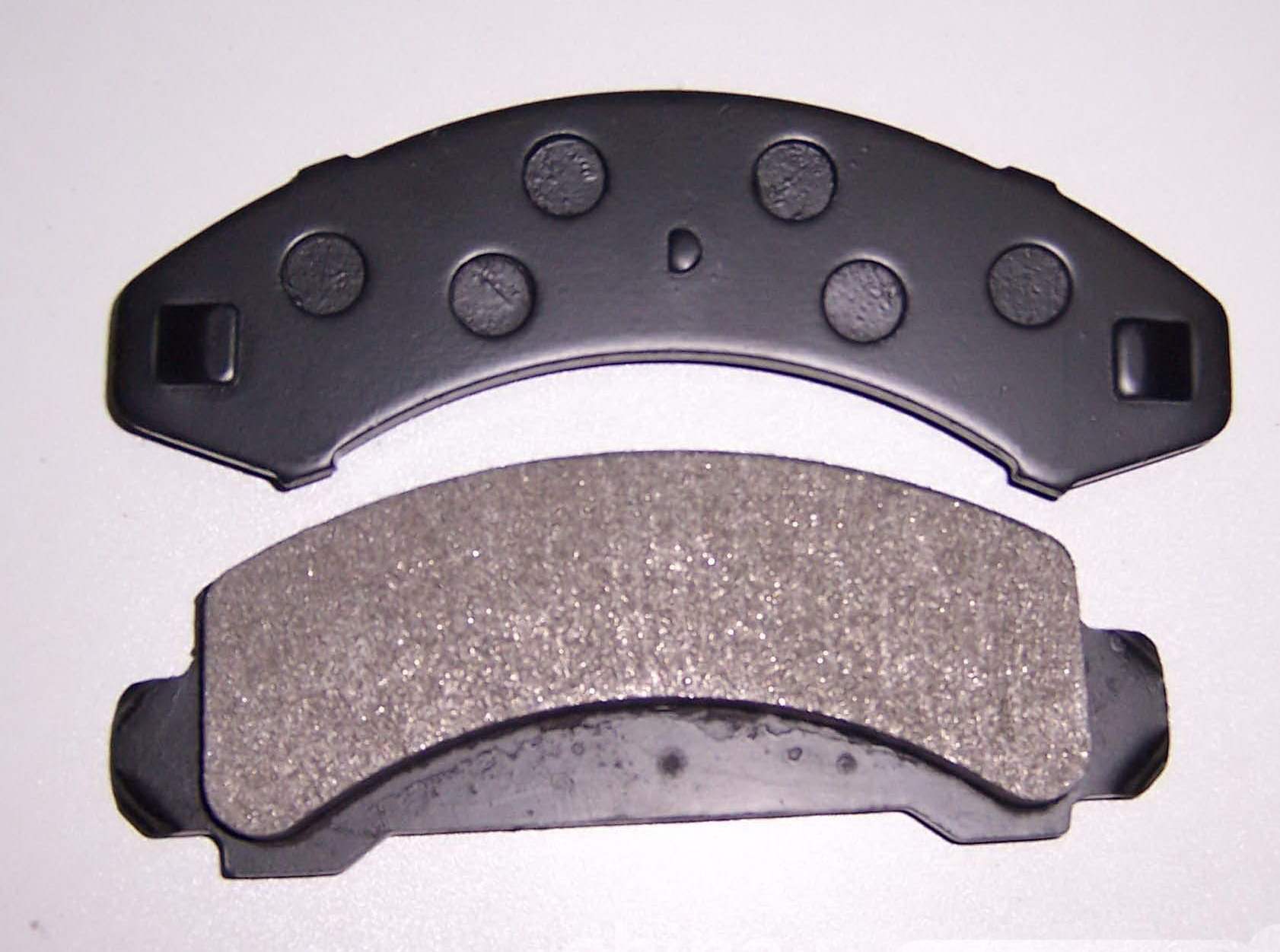
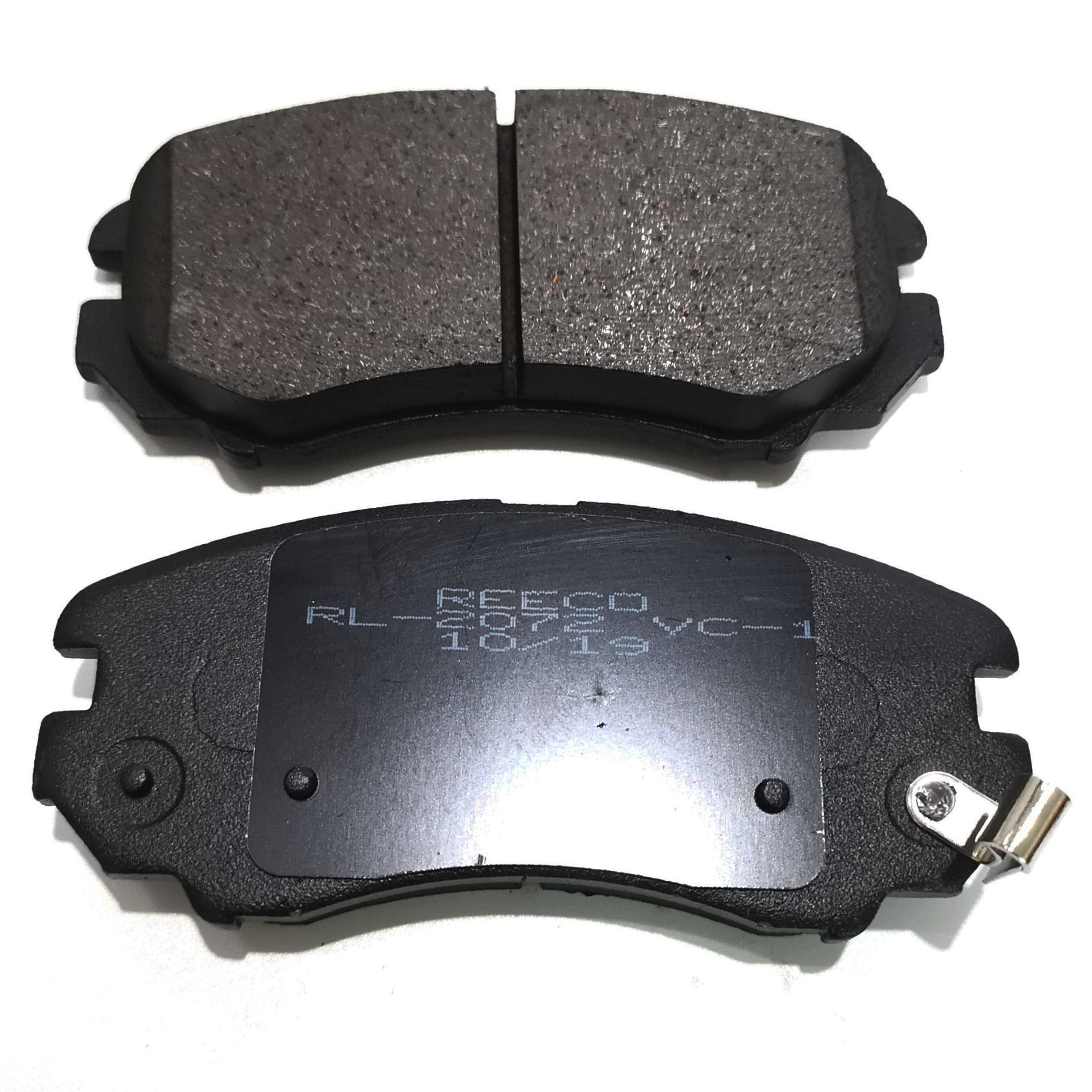
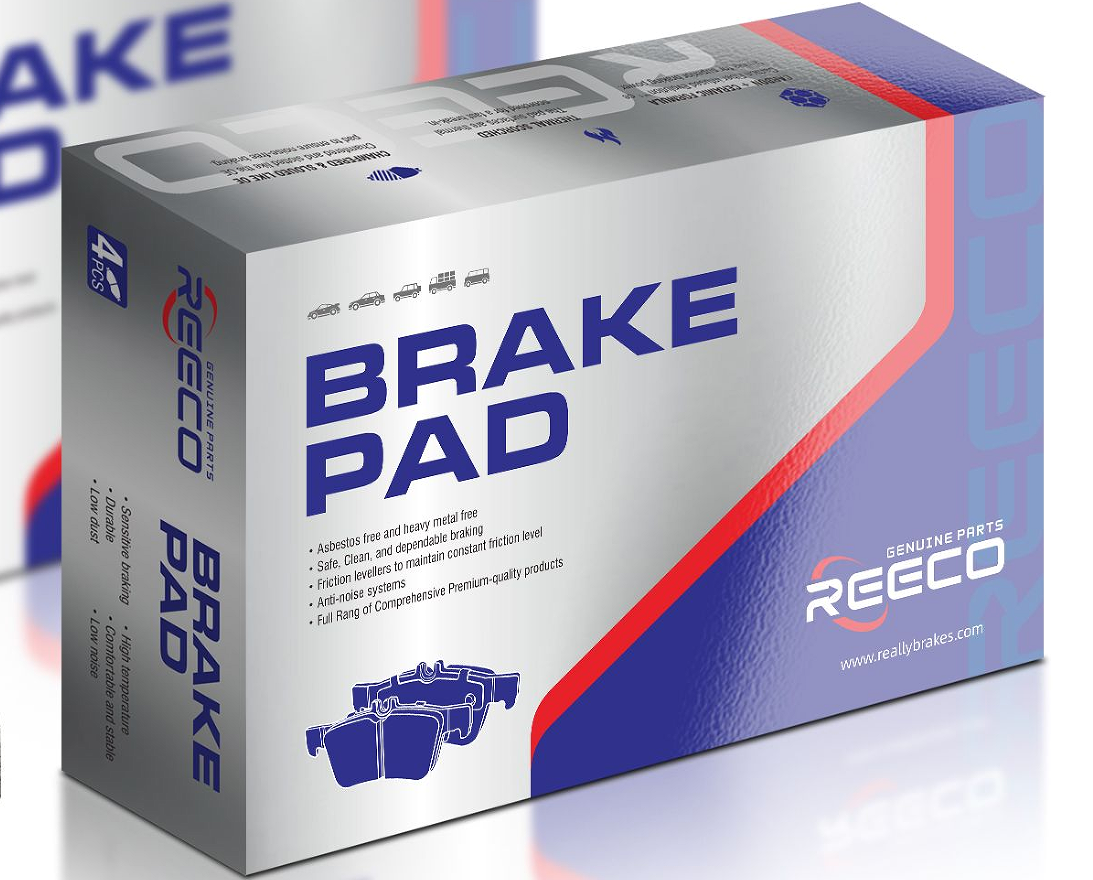
Brake Pads
Source high-performance brake pads from vetted manufacturers and wholesale suppliers. Designed for automotive importers, distributors, and brands seeking reliable OEM and private-label production, our network delivers friction materials engineered for safety, longevity, and global regulatory compliance.
Sourcing automotive brake pads in volume requires balancing friction material formulations, safety certifications, and unit costs. Because brake pads are a critical safety component, supplier selection cannot be based on price alone. You need manufacturing partners capable of consistent mixing, precise curing, and rigorous batch testing to ensure the pads perform under extreme thermal stress without fading, excessive noise, or premature rotor wear.
Friction Materials and Engineering Specifications
The core of any brake pad is its friction block. Formulations vary wildly between suppliers, even within the same category. When specifying your requirements, you must define the friction coefficient class (typically EE, FF, or GG) and the base material composition suited for your target market.
| Material Type | Typical Friction Class | Thermal Stability | Dust & Noise Profile |
|---|---|---|---|
| Semi-Metallic | FF to GG | Excellent (High Heat) | High Dust / Moderate Noise |
| Ceramic | FF | Good (Stable) | Low Dust / Very Low Noise |
| Low-Metallic | FF to GG | Very Good | Moderate Dust / Low Noise |
| Non-Asbestos Organic (NAO) | EE to FF | Moderate | Low Dust / Low Noise |
European markets generally lean toward Low-Metallic formulations for high-speed autobahn performance, while North American and Asian markets often prefer Ceramic pads for their low-dust and noise-free characteristics.
Manufacturing Processes and Factory Verification
The difference between a premium brake pad and a failing one often comes down to the molding and curing process. High-quality manufacturers utilize positive molding technology, which uses extreme pressure to compress the friction material against the backing plate. This results in uniform density and requires less resin, improving the pad's high-temperature fading resistance. Cheaper factories may use flash molding, which often yields inconsistent density and a higher risk of material crumbling.
Because manufacturing consistency is paramount, conducting thorough factory audits is essential. A reliable brake pad factory must hold an active IATF 16949 certification, demonstrating a robust automotive quality management system.
Need to verify a brake pad manufacturer's technical capabilities? Let us audit their production lines and quality systems.
Talk to our teamCritical Quality Control Checks
When establishing your quality control protocols, ensure the factory performs the following tests on every production batch:
Essential Batch Testing Parameters
- Shear Strength Testing: Verifies the bond between the friction material and the steel backing plate (must exceed standard regulatory minimums).
- Compressibility Testing: Ensures the pad maintains its structural integrity under hydraulic pressure, tested at both ambient and elevated temperatures.
- Friction Coefficient Consistency: Chase machine testing to verify the friction level remains stable across a range of temperatures and pressures.
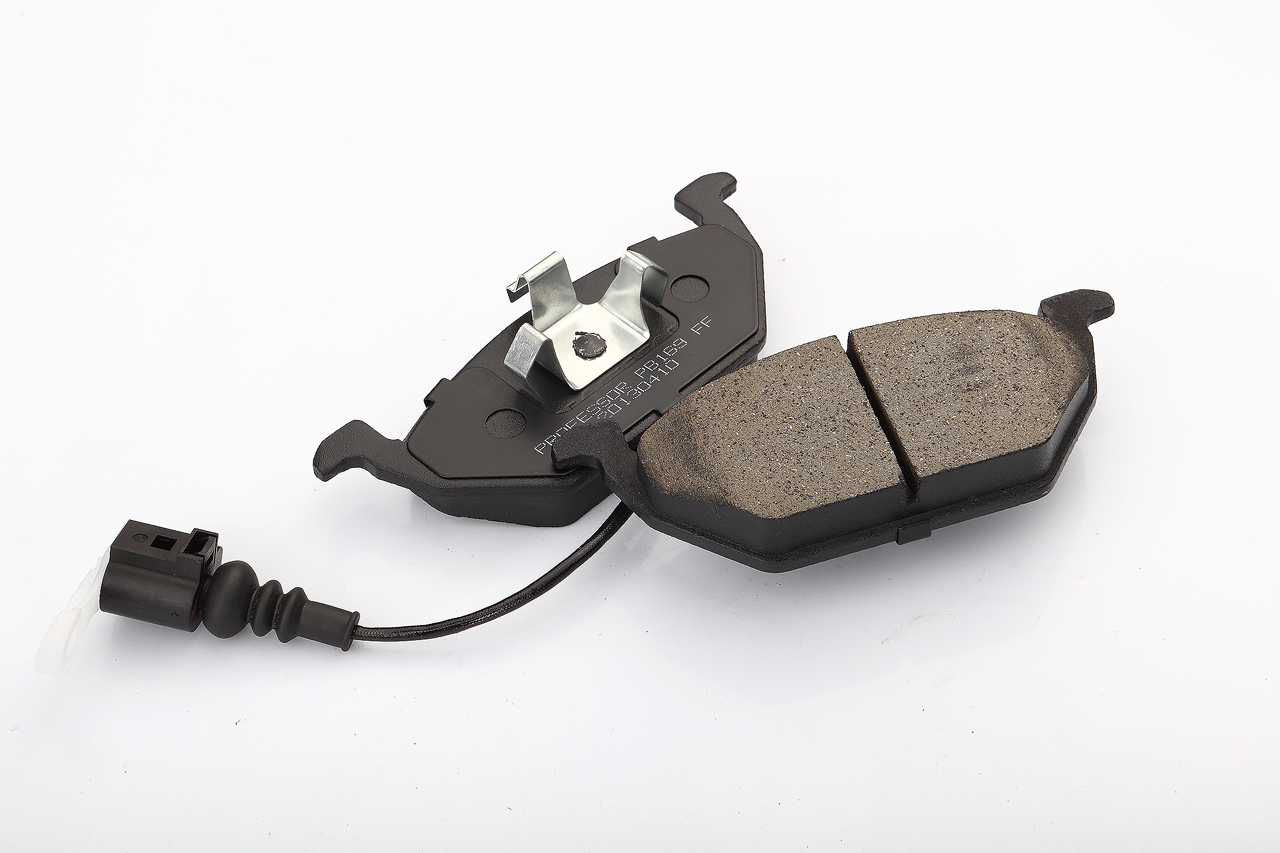
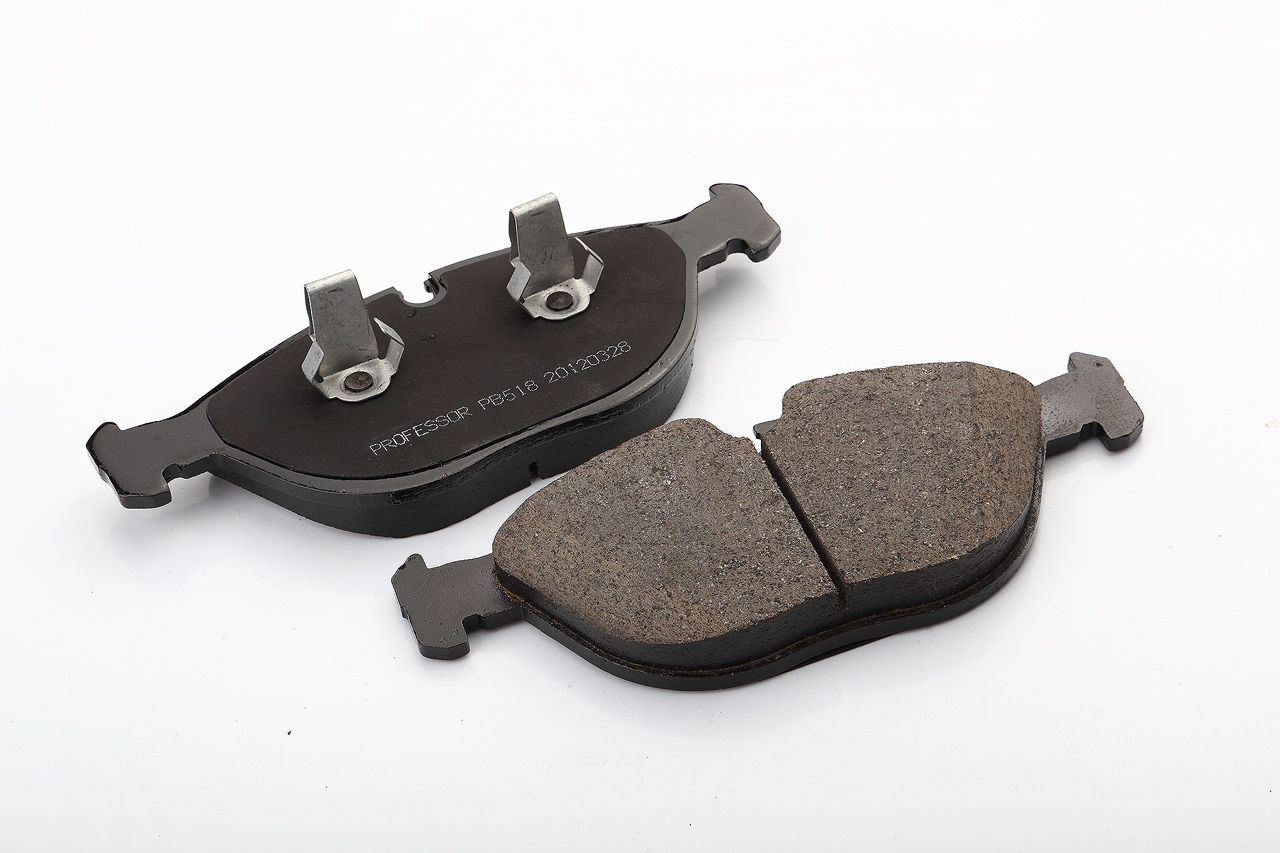
- Dimensional Tolerances: Checking the backing plate thickness, abutment clip fitment, and chamfer angles to prevent installation issues and caliper binding.
Furthermore, if you are importing into regulated markets, the pads must undergo formal compliance and testing. For Europe, this means ECE R90 certification, which requires the aftermarket pad to perform within 15 percent of the original equipment (OE) pad. In the US, AMECA compliance and specific state-level environmental regulations (like the Better Brakes Law restricting copper content) apply.
Wholesale Pricing, Lead Times, and MOQs
Brake pad manufacturing is highly automated, meaning economies of scale heavily dictate pricing. Most factories organize production by backing plate reference numbers (e.g., FMSI, WVA, or OEM part numbers).
Pricing is driven by the cost of raw materials (steel for the backing plates, copper/aramid fibers for the friction mix), the complexity of the shims (e.g., multi-layer rubber-steel shims cost more than basic steel), and whether the pads are scorched. Scorching—a process that pre-burns the surface of the pad—adds cost but significantly reduces the initial break-in period for the end user.
For brands looking to establish their own aftermarket line, utilizing OEM/ODM services allows you to dictate the exact friction formulation, shim branding, powder-coating color on the backing plate, and custom retail packaging.
Planning a private-label brake pad line? We can help you negotiate MOQs, specify formulations, and manage the entire production cycle.
Get a free consultationFrequently Asked Questions
Successfully sourcing brake pads requires strict oversight of material formulations, factory certifications, and batch consistency. By establishing clear technical specifications and robust quality control from the outset, you can secure reliable, high-performing inventory that protects both your brand's reputation and the end user's safety.
Get Sourcing Help for Brake Pads
Tell us your requirements and our experts will connect you with verified manufacturers.