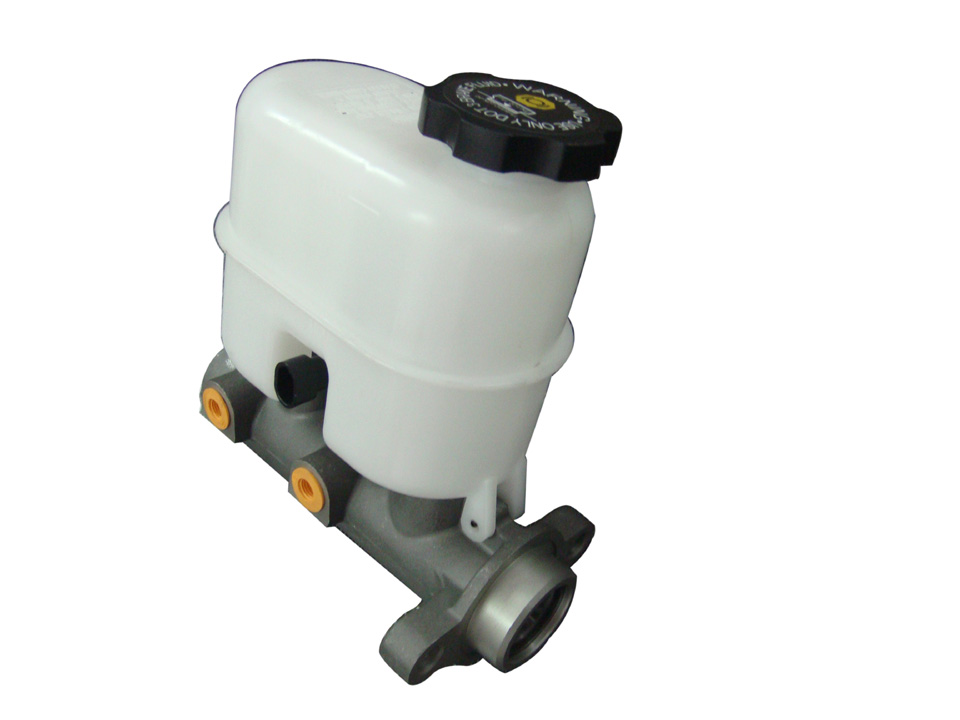
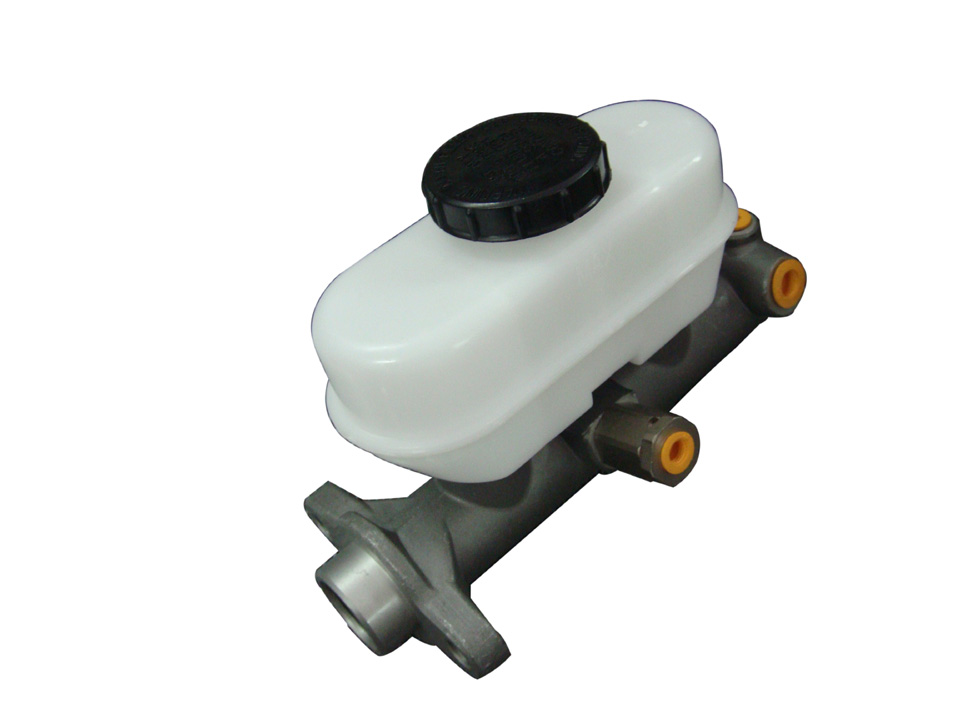
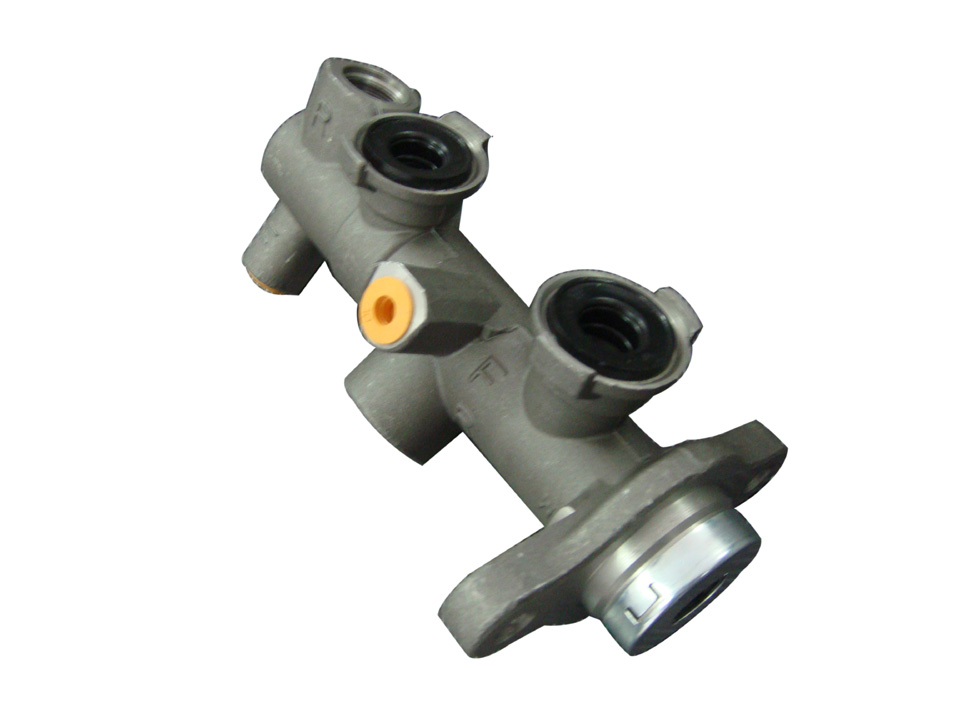
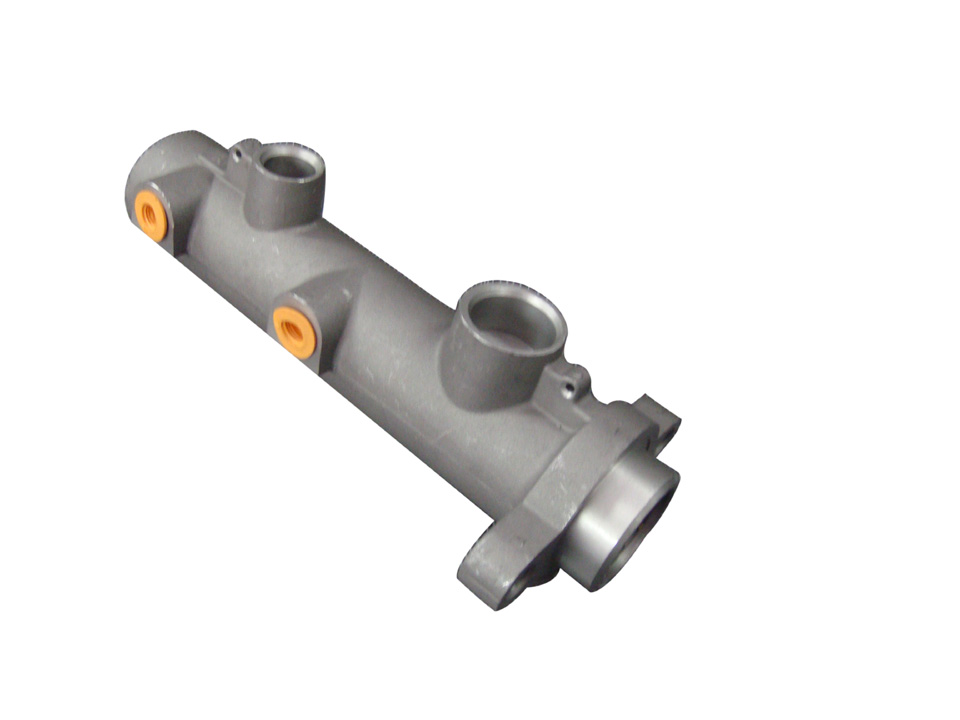
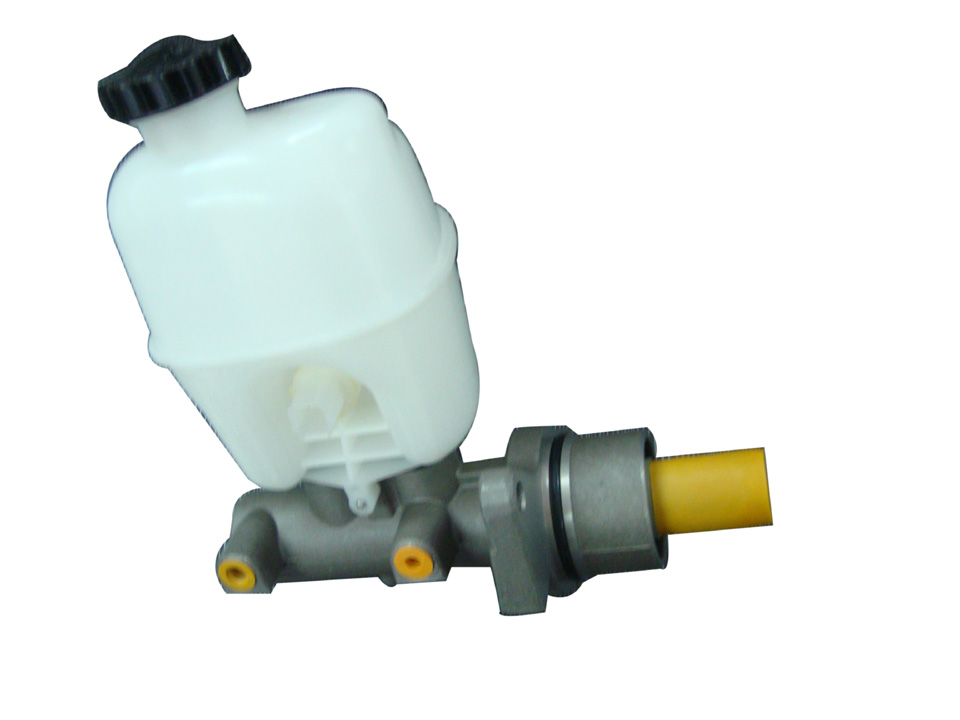
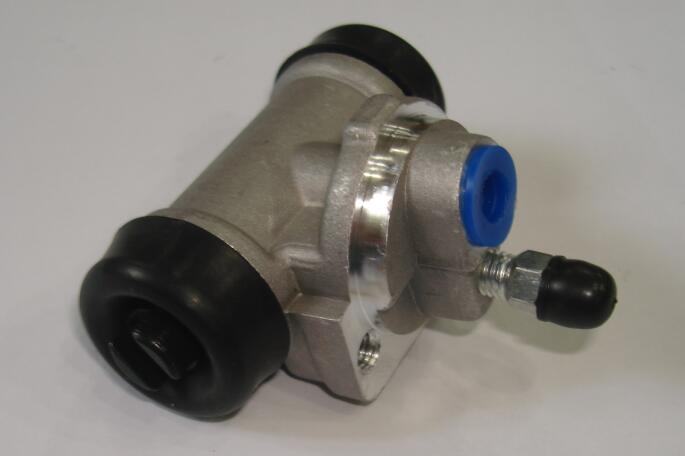
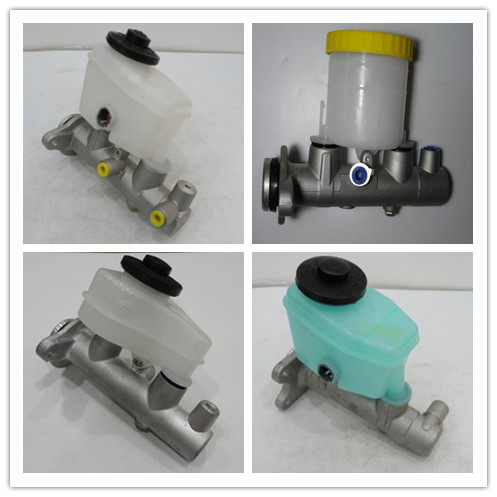
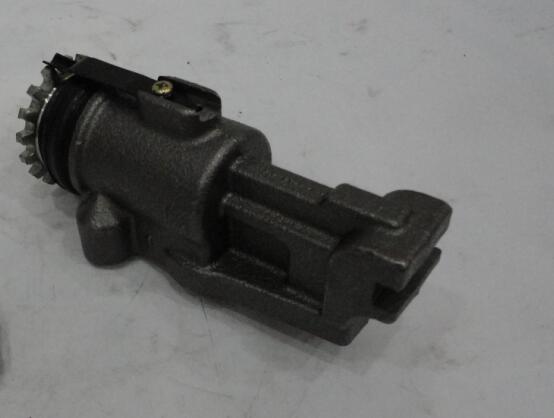
Brake Cylinders
Source high-quality brake cylinders from vetted manufacturers and suppliers. Designed for automotive importers, wholesale distributors, and brands requiring reliable OEM and aftermarket production. Secure competitive bulk pricing and consistent manufacturing standards for your auto brake systems.
Sourcing master brake cylinders and wheel cylinders at scale requires balancing unit cost with zero-tolerance safety requirements. The core challenge lies in identifying factories with advanced CNC machining capabilities, stringent metallurgical controls, and rigorous assembly environments, ensuring consistent hydraulic performance across high-volume production runs.
Material Selection and Machining Precision
The foundation of a reliable brake cylinder is the raw material and the precision of the internal bore. Most aftermarket and OEM applications utilize either cast iron or aluminum alloys, each requiring different foundry and machining setups.
| Specification | Cast Iron (HT250/HT300) | Aluminum Alloy (A356) |
|---|---|---|
| Machining Focus | Managing tool wear, rust prevention | Porosity control during casting |
| Bore Surface Finish | Ra 0.4 to 0.8 micrometers | Ra 0.2 to 0.4 micrometers (often anodized) |
| Weight & Heat Dissipation | Heavier, standard heat transfer | Lightweight, superior heat dissipation |
| Primary Application | Commercial vehicles, older passenger cars | Modern passenger vehicles, performance systems |
Achieving the correct internal bore surface roughness (Ra) is critical. If the bore is too rough, the rubber piston seals will wear prematurely, leading to hydraulic fluid leaks. If it is too smooth, the seals will not retain the micro-layer of brake fluid needed for lubrication, causing dry friction and eventual failure.
Quality Control and Factory Validation
Because brake cylinders are safety-critical components, standard AQL (Acceptable Quality Limit) inspections are often insufficient on their own. You must ensure the factory employs 100 percent in-line pneumatic or hydraulic pressure testing. Relying on Quality Control & Inspection teams to verify these testing protocols on the factory floor is highly recommended before any shipment leaves the facility.
Critical Factory Verification Points
- IATF 16949 certification (mandatory for automotive safety components).
- In-house seal testing facilities (high/low temperature cycling for EPDM rubber).
- Automated CNC honing machines with in-process gauging for bore concentricity.
- Clean-room or dust-controlled assembly lines to prevent particulate contamination.
- Traceability systems linking batch numbers to specific casting heats and assembly dates.
Need to verify a brake cylinder manufacturer's capabilities? We conduct comprehensive factory audits to ensure your suppliers meet strict automotive safety standards.
Talk to our teamWhen validating a new supplier, conducting thorough Factory Audits is the most effective way to confirm that their documented quality management systems match their actual shop-floor practices.
OEM/ODM Development and Tooling
For brands looking to develop proprietary aftermarket lines or exact OEM replacements, tooling and reverse engineering are standard processes. Manufacturers require precise technical drawings or original samples to create the casting molds and machining fixtures.
Partnering with factories that offer robust OEM/ODM Services ensures that tooling ownership, intellectual property, and exact dimensional tolerances are respected. EPDM rubber seals and pistons can also be customized to meet specific fluid compatibility or extreme temperature requirements.
Production Metrics: MOQs, Lead Times, and Pricing
Pricing for brake cylinders is heavily influenced by raw material commodity rates (aluminum and iron), the complexity of the internal valving, and the quality of the internal seals sourced by the factory.
Factories often require higher MOQs for newly developed SKUs to offset the setup time on CNC machines. When negotiating, clarify whether the quoted price includes standard surface treatments (like zinc plating for cast iron or hard anodizing for aluminum) and specific packaging requirements.
Managing multiple SKUs and tooling timelines can be complex. Let us help you streamline your sourcing process, negotiate favorable terms, and maintain strict quality oversight.
Get a free consultationFrequently Asked Questions
Successfully importing brake cylinders requires technical diligence, from verifying casting porosity to enforcing strict bore tolerances. By partnering with vetted manufacturers and maintaining continuous quality oversight, you can build a resilient and profitable automotive parts supply chain.
Get Sourcing Help for Brake Cylinders
Tell us your requirements and our experts will connect you with verified manufacturers.