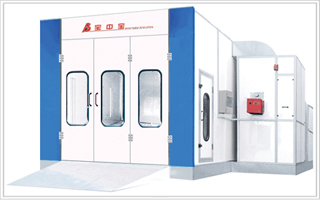
Body Repair Equipment
Source professional-grade body repair equipment from vetted manufacturers and suppliers in China and across Asia. Designed for automotive distributors, wholesalers, and brands seeking reliable bulk purchasing or OEM production. We ensure strict quality standards and competitive pricing for your high-volume import needs.
Sourcing automotive body repair equipment at scale requires navigating a fragmented supplier base where the line between professional-grade machinery and light-duty consumer tools is often blurred. Whether you are importing hydraulic frame straighteners, porta-power kits, or heavy-duty dent pulling systems, profitability depends on locking in suppliers who strictly control metallurgy, hydraulic seal integrity, and weld quality.
Critical Specifications for Heavy-Duty Equipment
Professional body shops demand equipment that can withstand daily, high-stress use. When negotiating with manufacturers, your specification sheets must explicitly define material grades and hydraulic tolerances. Relying on a factory's "standard export quality" often results in underspecified steel and cheap seals that fail under heavy loads.
Metallurgy and Structural Integrity
The core of any collision repair equipment is its steel frame. High-stress components like pulling towers and hydraulic rams must be forged from high-strength alloys to prevent deformation.
| Specification | Standard Duty (Consumer/Light) | Professional Duty (Commercial) |
|---|---|---|
| Structural Steel | Q235 Carbon Steel | Q345 or Q460 High-Strength Alloy |
| Hydraulic Seals | Standard Nitrile (NBR) | Polyurethane (PU) or Viton |
| Pump Pressure | Up to 8,000 PSI | 10,000 PSI continuous rating |
| Surface Finish | Liquid Paint | Baked Powder Coating (anti-corrosion) |
Struggling to find factories that meet strict structural and hydraulic specifications? We identify and vet manufacturers capable of producing to professional automotive standards.
Talk to our teamManufacturing Vulnerabilities and Quality Control
The primary failure points in body repair equipment occur during welding and hydraulic assembly. Poor weld penetration on a frame straightener is a severe safety liability, while microscopic debris introduced during cylinder assembly will cause hydraulic bypass failures.
To mitigate these risks, comprehensive Quality Control & Inspection must be implemented before shipment. Relying solely on final inspections is risky; in-line inspections are necessary to verify internal components before they are sealed.
Essential Factory Inspection Points
- Weld Penetration: Ultrasonic testing on critical load-bearing joints.
- Hydraulic Pressure Testing: Cylinders must hold maximum rated pressure for 24 hours with zero drop.
- Seal Assembly Environment: Verification of dust-free assembly zones for hydraulic pumps and rams.
- Coating Adhesion: Cross-hatch testing on powder-coated surfaces to ensure rust resistance.
If you are evaluating new suppliers, conducting thorough Factory Audits is non-negotiable. You need to verify that the facility actually manufactures the hydraulic components in-house or sources them from reputable sub-suppliers, rather than buying off-the-shelf budget cylinders.
Production Realities: MOQs, Pricing, and Lead Times
Minimum Order Quantities (MOQs) and pricing in this category are highly dependent on the physical size of the equipment and the level of customization required. Heavy machinery requires different supply chain planning compared to hand-operated hydraulic kits.
Raw material costs (specifically steel) and currency fluctuations heavily influence pricing. When negotiating, ensure your contracts tie pricing to a specific steel index to prevent unexpected price hikes during production.
Managing complex supply chains for heavy automotive equipment requires precision. Let us handle supplier negotiation, quality control, and international freight.
Get a free consultationPrivate Labeling and Customization
For brands looking to establish their own product lines, OEM/ODM Services offer a pathway to market differentiation. Customization typically involves custom powder coat colors, branded gauge faces, molded carrying cases, and specific hydraulic fluid ratings suited for extreme climates.
Tooling Costs for Customization
If you require custom blow-molded cases for hydraulic kits, expect tooling costs to range from a few thousand dollars up to ten thousand, depending on the complexity and mold lifespan. Always negotiate mold ownership upfront.
Frequently Asked Questions
Success in sourcing body repair equipment comes down to supplier specialization. A factory that excels at producing light-duty garage jacks is rarely equipped to manufacture 20-ton collision repair towers. Aligning your product requirements with the right tier of manufacturer is the most effective way to protect your margins and your brand's reputation.
Get Sourcing Help for Body Repair Equipment
Tell us your requirements and our experts will connect you with verified manufacturers.