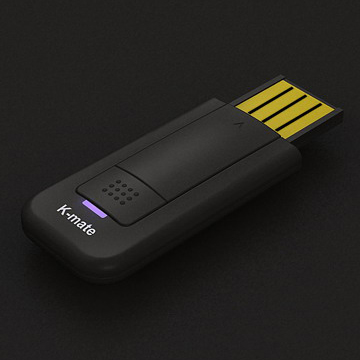
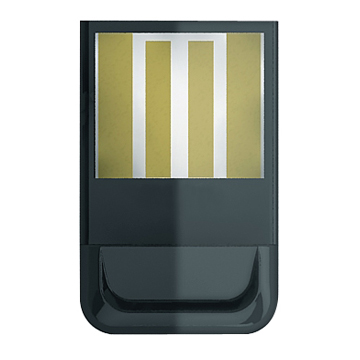
Bluetooth Modules
Source reliable Bluetooth modules from vetted manufacturers and wholesale suppliers. Built for electronics importers, distributors, and brands requiring bulk components or custom OEM/ODM production, our network delivers consistent connectivity solutions at scale.
Sourcing Bluetooth modules at volume requires navigating a complex landscape of chipset availability, evolving BLE standards, and strict RF certification requirements. A module that performs flawlessly on a development board can fail spectacularly in mass production if the factory lacks rigorous RF calibration, relies on gray-market ICs, or uses inconsistent SMT (Surface Mount Technology) processes. Securing a stable supply chain means verifying both the bill of materials and the manufacturer's floor-level quality controls.
Specifying Modules for Production
When evaluating wholesale Bluetooth modules, selecting the right underlying architecture dictates power consumption, range, and unit cost. Relying solely on the Bluetooth version number (e.g., 5.0 vs. 5.3) is insufficient; the specific chipset family (Nordic, Realtek, Qualcomm, Silicon Labs, or Espressif) and the antenna configuration are the true drivers of performance.
| Architecture | Bluetooth Low Energy (BLE) | Dual-Mode (Classic + BLE) |
|---|---|---|
| Primary Application | IoT sensors, wearables, smart home | Audio streaming, legacy data transfer |
| Power Consumption | Microamps (sleep), low mA (active) | Higher active current, shorter battery life |
| Typical Chipsets | Nordic nRF52/53 series, Silicon Labs | Qualcomm CSR series, Realtek |
| Cost Profile | Highly cost-optimized for scale | Premium pricing for audio DSP capabilities |
Beyond the chipset, buyers must specify the physical interface (UART, SPI, I2C, I2S for audio) and the antenna type. PCB trace antennas offer the lowest cost but require strict clearance on the host board. Ceramic chip antennas save space, while U.FL/IPEX connectors are necessary when the module will be enclosed in a metal chassis requiring an external antenna.
Struggling to secure consistent allocations for specific Bluetooth chipsets? Let our sourcing experts connect you with verified manufacturers holding stable IC inventory.
Talk to our teamFactory-Level Quality: Where Yields Drop
The difference between a reliable supplier and a problematic one is exposed on the SMT line. Bluetooth modules are densely packed, often utilizing BGA (Ball Grid Array) components and ultra-small passive components (0201 or 01005 packages).
Poor thermal profiling during reflow soldering leads to tombstoning, cold joints, or thermal damage to the crystal oscillator—resulting in modules that suffer from frequency drift.
To ensure high yields, rigorous Quality Control & Inspection must be implemented at the factory level.
Critical Factory Verification Points
- Component Traceability: Verifying ICs are sourced directly from authorized distributors, not the gray market.
- AOI and X-Ray: Automated Optical Inspection for surface defects and X-ray inspection for BGA voids under the main SoC.
- RF Calibration: Utilizing shielded testing boxes (e.g., LitePoint testers) to verify Tx power, Rx sensitivity, and frequency offset on the production line.
- Firmware Flashing: Secure, automated gang-programming setups to flash custom firmware or bootloaders efficiently.
Conducting thorough Factory Audits before placing high-volume orders is essential to confirm the supplier actually owns these testing capabilities rather than outsourcing them.
Navigating Certifications and Compliance
RF compliance is a major hurdle in wireless product development. Sourcing a "pre-certified" Bluetooth module can save tens of thousands of dollars and months of testing time.
However, a module's certification is only valid if you follow the manufacturer's exact antenna and layout guidelines. If your host board alters the RF characteristics, you may void the modular approval. Key certifications to verify include:
- FCC (US) / IC (Canada) / CE RED (Europe): Regional regulatory approvals for radio emissions.
- TELEC (Japan) / KC (Korea): Specific regional standards requiring distinct testing.
- BQB (Bluetooth SIG): Mandatory certification to legally use the Bluetooth logo and intellectual property. Ensure the module manufacturer provides a valid QDID (Qualified Design ID) that you can reference for your end-product listing.
If your application requires modifying the module's shielding or antenna, you will likely need custom Compliance & Testing services to ensure your final product passes regulatory scrutiny.
Wholesale Pricing, MOQs, and Lead Times
Bluetooth module pricing is highly elastic, driven by chipset brand, memory size (Flash/RAM), and order volume. While generic modules using domestic Chinese silicon (e.g., Beken or Telink) can be sourced very aggressively, premium modules featuring Nordic or Qualcomm silicon command higher prices but offer superior documentation and power efficiency.
When negotiating bulk contracts, ensure pricing is locked based on specific IC revisions. Manufacturers may attempt to substitute a "compatible" flash memory chip or oscillator to cut costs, which can introduce subtle bugs in your firmware.
Need to negotiate better terms or audit a new module supplier? We manage the end-to-end sourcing process to protect your BOM and production schedule.
Get a free consultationFrequently Asked Questions
Successfully sourcing Bluetooth modules at scale requires looking past the datasheet. The true cost of a module includes its reliability on the SMT line, its RF consistency across thousands of units, and its compliance pedigree. Partnering with suppliers who maintain strict internal testing protocols is the only way to protect your product's connectivity and your brand's reputation.
Get Sourcing Help for Bluetooth Modules
Tell us your requirements and our experts will connect you with verified manufacturers.