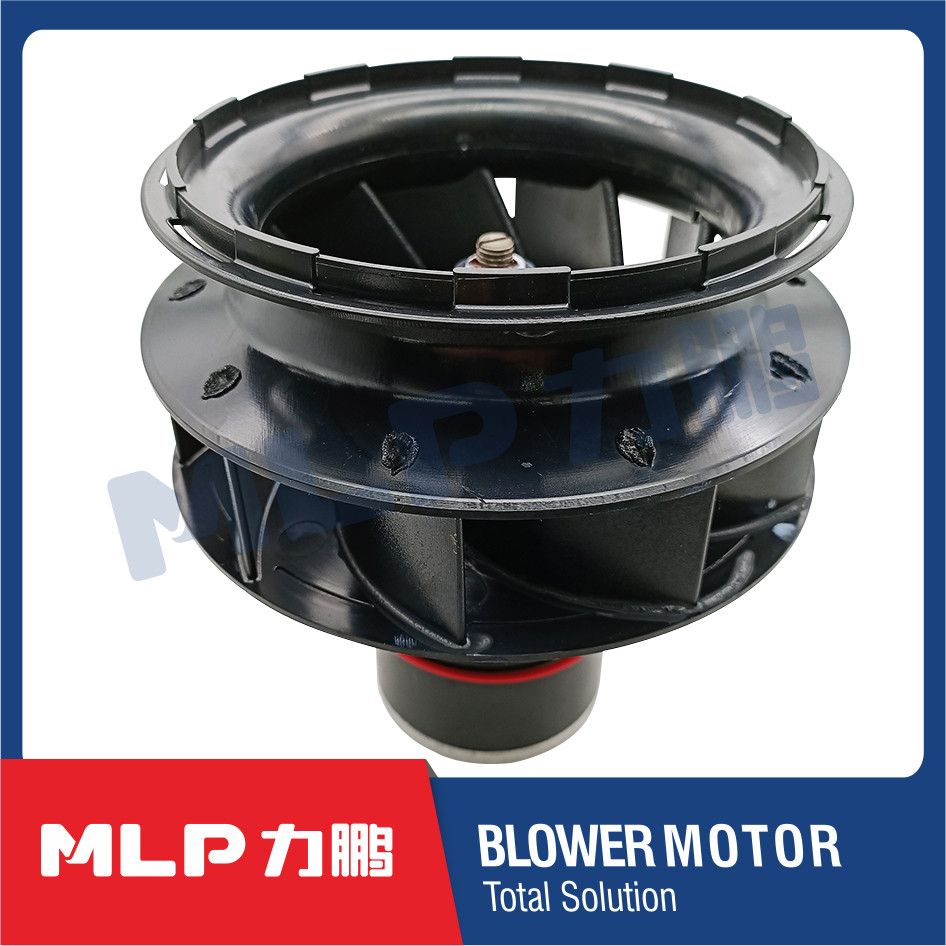
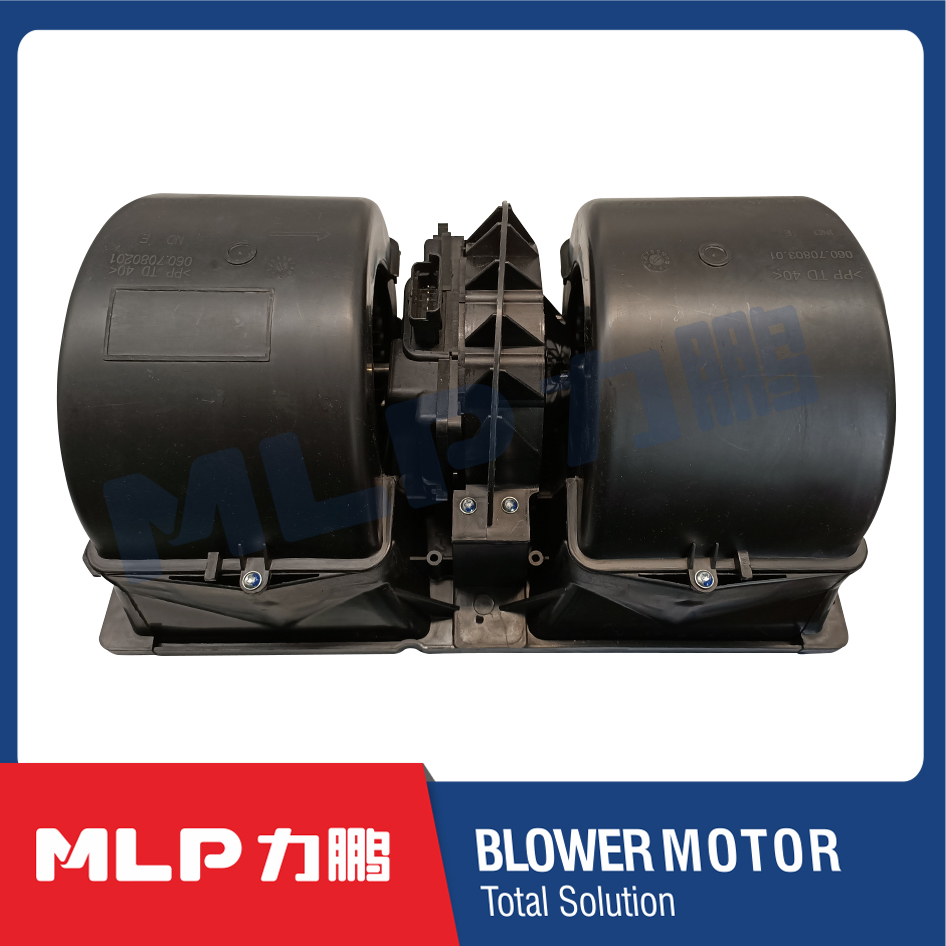
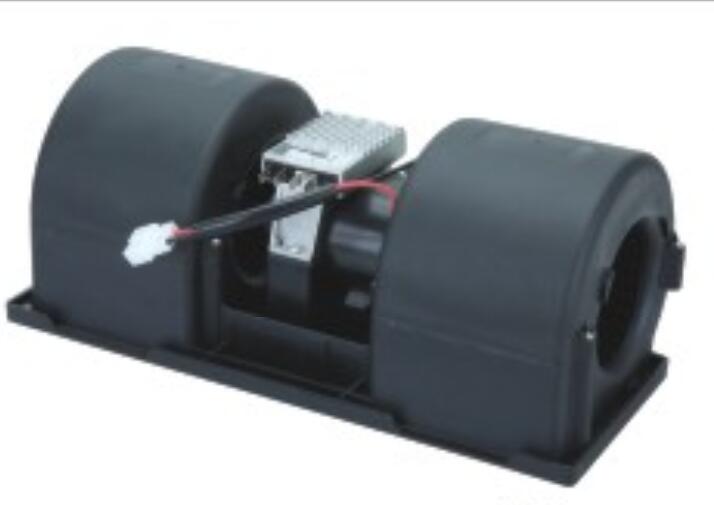
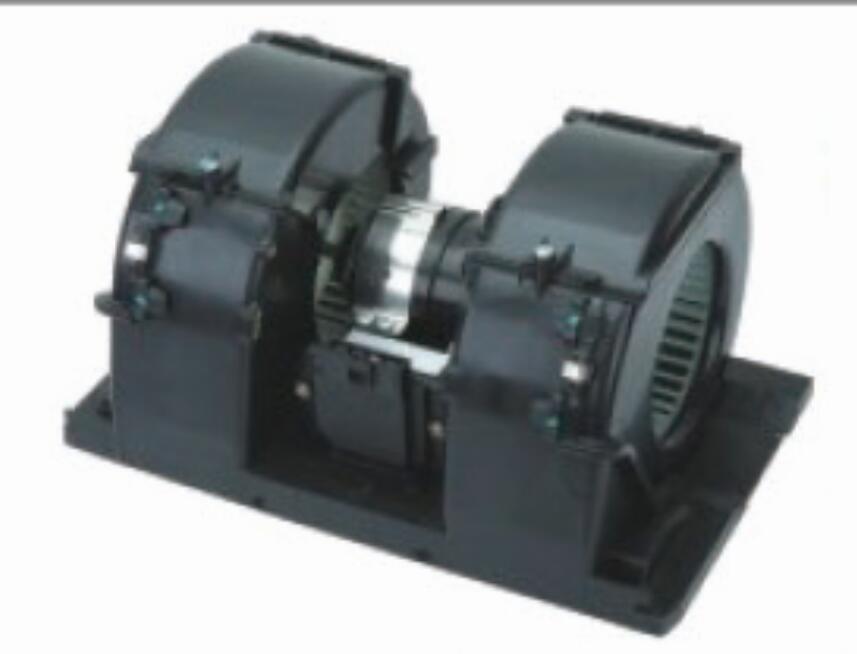
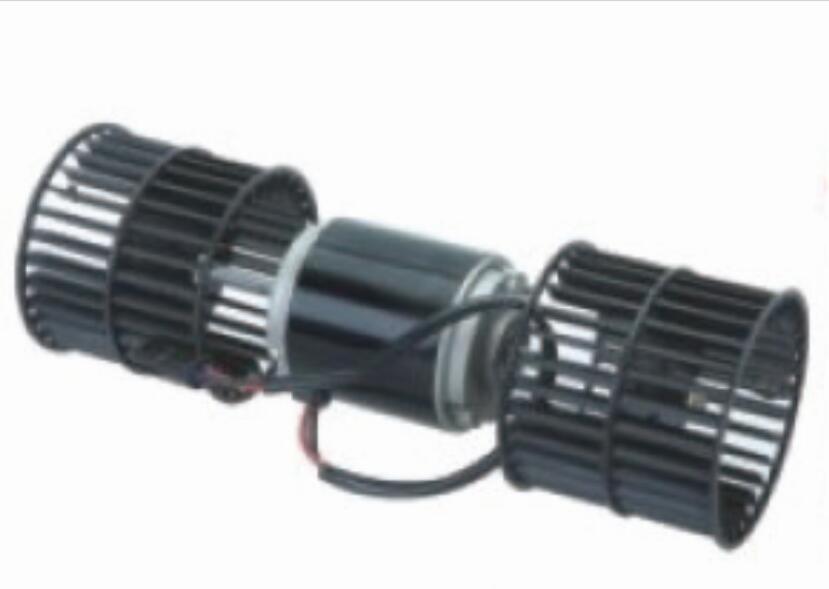
Blower Fans
Source high-performance automotive HVAC blower fans from vetted suppliers and manufacturers across Asia. Designed for importers, distributors, and automotive brands seeking reliable wholesale purchasing or custom OEM production, our network delivers strict quality control and competitive volume pricing.
Automotive HVAC blower fans are critical components where failure directly impacts cabin comfort, safety, and brand reputation. Sourcing these units at scale requires more than just matching OEM part numbers; it demands rigorous validation of a supplier's motor manufacturing capabilities, dynamic balancing precision, and electronic integration.
Defining Technical Specifications
When procuring blower fans in volume, off-the-shelf catalog numbers rarely tell the whole story. To ensure fitment and longevity, procurement teams must strictly define the electrical and mechanical parameters with the factory before production begins.
Key specifications to lock down include:
- Airflow Capacity (CFM): Must meet or exceed OEM specifications for the target vehicle platform.
- Operating Voltage & Current Draw: Typically 12V for passenger vehicles and 24V for commercial trucks, with strict limits on peak current draw to prevent blown fuses or melted harnesses.
- Acoustic Performance: Maximum acceptable decibel (dB) ratings at various operating speeds.
- Motor Architecture: The choice between traditional brushed motors and modern Brushless DC (BLDC) motors drastically impacts cost and lifespan.
| Specification | Brushed Motors | Brushless (BLDC) Motors |
|---|---|---|
| Operating Lifespan | 2,000 to 3,000 hours | Over 10,000 hours |
| Speed Control | External blower motor resistor | Integrated PWM control module |
| Energy Efficiency | Moderate (high heat loss) | High (lower thermal output) |
| Unit Cost | Standard aftermarket pricing | Premium pricing |
Manufacturing Tolerances and Quality Vulnerabilities
The most common reasons for blower fan returns (RMAs) are excessive vibration, premature bearing failure, and burnt-out control modules. These issues almost always stem from poor manufacturing controls on the factory floor.
High-quality suppliers invest heavily in automated armature winding and precision dynamic balancing machines. If the plastic squirrel-cage impeller is even slightly unbalanced, it will cause low-frequency hums and destroy the motor bearings over time. Before committing to a large order, it is highly recommended to conduct rigorous Factory Audits to verify that the supplier actually owns and calibrates their NVH (Noise, Vibration, and Harshness) testing equipment, rather than outsourcing this critical step.
Critical Factory-Level QC Checkpoints
- Dynamic balancing of the impeller assembly (verifying clip weights or material removal)
- Copper winding purity and insulation grade (Class F or H for high thermal resistance)
- Bearing selection (sealed ball bearings preferred over cheap sleeve bearings)
- High-potential (Hi-Pot) testing to ensure electrical safety and prevent short circuits
- Thermal cycling tests to simulate extreme cabin temperatures
Struggling with high defect rates or noisy blower fans from your current supplier? Let's evaluate your supply chain and implement stricter quality controls.
Talk to our teamMOQs, Lead Times, and Pricing Drivers
The automotive aftermarket is heavily fragmented, meaning buyers often need to source dozens of different SKUs to cover popular vehicle platforms.
For standard aftermarket replacement fans where the factory already owns the injection molds for the housing and impeller, Minimum Order Quantities (MOQs) are generally manageable. However, if you are developing a proprietary HVAC system or require custom mounting brackets, you will need comprehensive OEM/ODM Services to handle the custom tooling, which increases both upfront costs and lead times.
Pricing is highly sensitive to raw material costs—specifically copper for the motor windings and neodymium magnets for BLDC variants. To protect your margins, ensure your supplier contracts tie pricing to an agreed-upon raw material index, and utilize robust Quality Control & Inspection prior to shipment to ensure the factory hasn't substituted copper wire for cheaper copper-clad aluminum (CCA).
Need to consolidate your automotive HVAC purchasing? We negotiate directly with top-tier manufacturers to secure better terms and consistent quality.
Get a free consultationFrequently Asked Questions
Reliable vehicle climate control starts with a perfectly balanced, thermally resilient blower fan. Partnering with the right factory ensures your components perform quietly and consistently under the harshest conditions, protecting your brand from costly RMAs. If you need support vetting automotive suppliers, managing tooling, or overseeing production, our sourcing experts are ready to assist.
Get Sourcing Help for Blower Fans
Tell us your requirements and our experts will connect you with verified manufacturers.