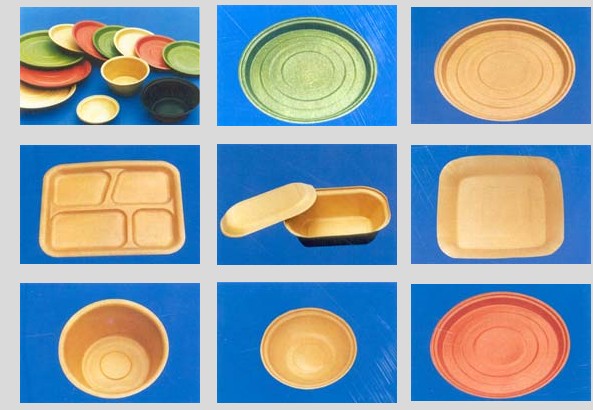
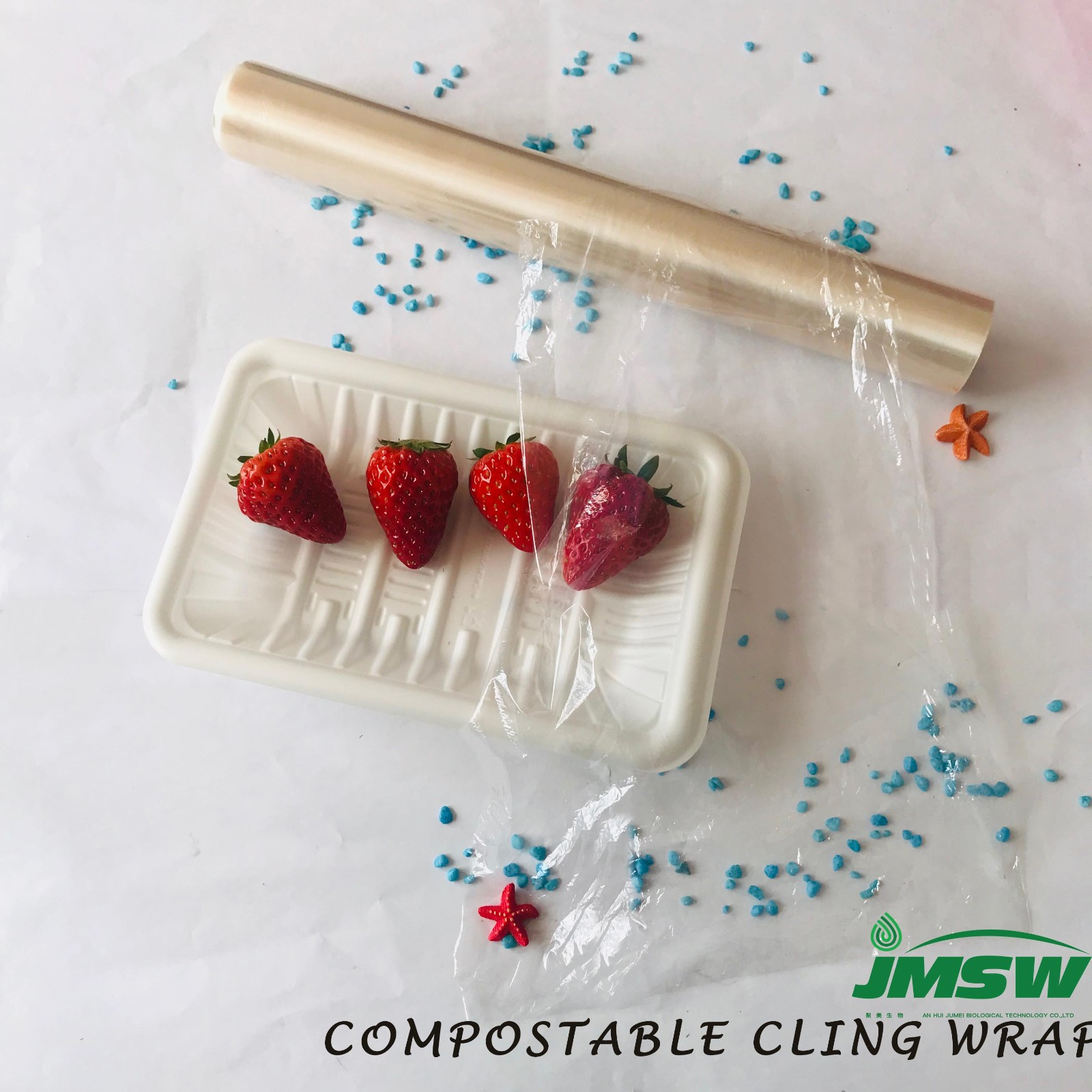
Biodegradable Packaging
Source high-quality Biodegradable Packaging from vetted suppliers and manufacturers across Asia. Designed for importers, wholesalers, and brands seeking OEM/ODM production, our factory-direct network offers scalable, compliant, and cost-effective eco-packaging solutions for high-volume supply chains.
Sourcing biodegradable packaging at scale requires balancing environmental compliance with mechanical performance. The core challenge for buyers is ensuring the material maintains its structural integrity and barrier properties during transit and shelf life, while still degrading reliably once disposed of. Navigating resin types, extrusion limits, and international compostability standards requires strict supplier vetting and precise technical specifications.
Material Selection and Performance Specifications
Not all "eco-friendly" plastics perform identically. The base resin dictates the packaging's clarity, tensile strength, and oxygen/water vapor transmission rates (OTR and WVTR). Specifying the correct blend is critical for OEM/ODM services where custom dimensions and barrier requirements are non-negotiable.
| Resin Type | Typical Applications | Barrier Properties | Degradation Profile |
|---|---|---|---|
| PLA (Polylactic Acid) | Clear films, rigid clamshells, cups | Moderate OTR, low heat resistance | Industrial compostable |
| PBAT | Flexible mailers, shopping bags | High flexibility, low barrier | Home & industrial compostable |
| Cornstarch Blends | Food service items, opaque bags | Low OTR/WVTR, highly sensitive to moisture | Home compostable |
| PHA | Premium food packaging, medical | Excellent barrier, high heat tolerance | Marine and soil biodegradable |
When drafting your purchase order, you must specify the exact micron thickness and the specific ratio of blends (e.g., 70% PBAT / 30% PLA) to ensure the factory does not substitute cheaper, non-degradable fillers to cut costs.
Manufacturing Vulnerabilities and Quality Control
Processing bioplastics is fundamentally different from extruding traditional PE or PP. Biopolymers are highly heat-sensitive; incorrect extrusion temperatures lead to polymer degradation on the factory floor, resulting in brittle packaging that splits at the seams.
Because of these sensitivities, implementing strict quality control during production is mandatory.
Critical QA Checks for Bioplastic Packaging
- Seal Strength Testing: Verify heat seals can withstand standard drop tests without bursting.
- Micron Consistency: Check for uneven film blowing which causes weak points in flexible bags.
- Ink Adhesion: Ensure water-based or soy inks adhere properly without compromising compostability.
- Odor and Clarity: Check for burnt odors or unexpected cloudiness indicating overheating during extrusion.
Need reliable quality control for your biodegradable packaging orders? We can manage in-line and pre-shipment inspections to catch defects before they leave the factory.
Talk to our teamNavigating Certifications and Avoiding Greenwashing
The biggest risk in sourcing biodegradable packaging is regulatory non-compliance. Many opportunistic suppliers market "oxo-degradable" plastics (standard PE mixed with chemical additives) as biodegradable. These leave behind microplastics and are banned in the EU and heavily restricted in North America.
To protect your brand, you must demand and verify valid test reports. Conducting thorough factory audits ensures the supplier actually possesses the specialized equipment and raw material supply chains to produce genuine bioplastics.
Key certifications to verify include:
- EN 13432: The European standard for industrial compostability.
- ASTM D6400: The US standard for industrial compostability.
- TÜV Austria OK Compost HOME: Certification for materials that break down in lower-temperature home compost bins.
If a supplier cannot provide recent, verifiable certificates linked to their specific material formulations, you must arrange independent compliance testing before committing to a bulk order.
Pricing, MOQs, and Lead Times
Biodegradable resins are inherently more expensive than petroleum-based plastics, often costing 1.5 to 3 times more depending on the specific polymer (with PHA being the most expensive and starch blends the most economical).
Factories calculate Minimum Order Quantities (MOQs) based on the minimum batch size of raw resin they can efficiently run through their extruders—typically 500kg to 1,000kg of raw material.
Struggling to negotiate realistic MOQs or verify supplier certifications? Let our sourcing experts manage the factory negotiations for you.
Get a free consultationSuccess in sourcing biodegradable packaging comes down to precise supply chain timing. Because the product has a finite shelf life, bulk buyers must coordinate production, shipping, and warehousing flawlessly so the packaging reaches the end consumer with its mechanical properties intact. Expert oversight ensures you get the environmental benefits without sacrificing performance.
Get Sourcing Help for Biodegradable Packaging
Tell us your requirements and our experts will connect you with verified manufacturers.