Bicycle Tubes
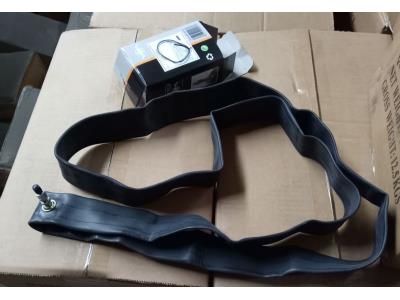
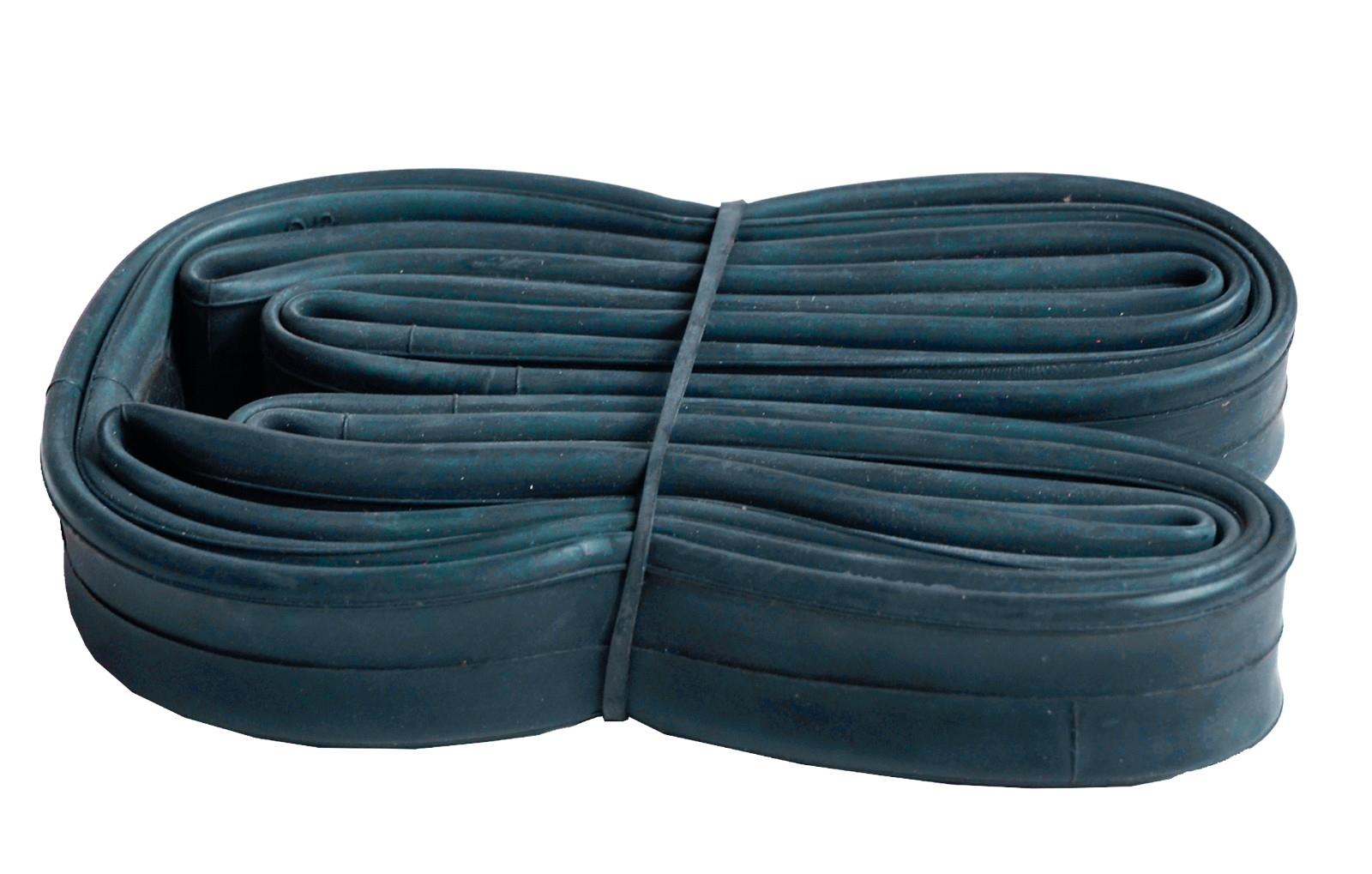
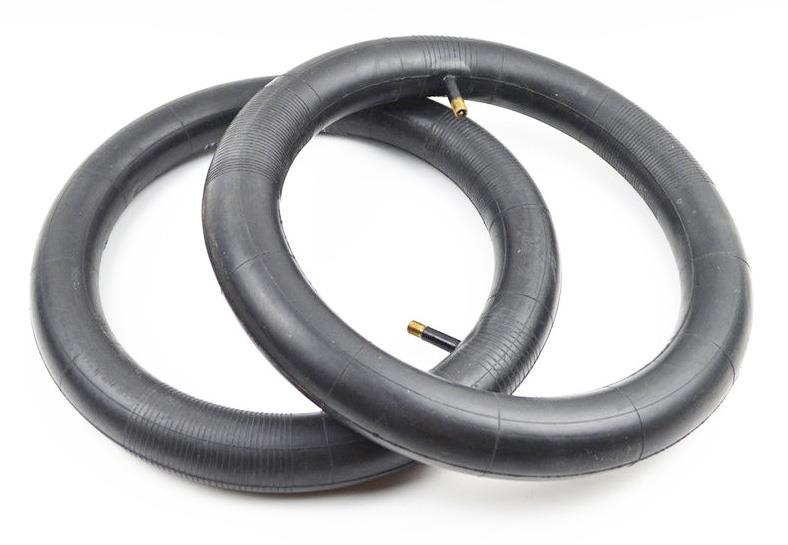
Source high-quality bicycle tubes from vetted manufacturers and wholesale suppliers. Designed for importers, distributors, and cycling brands seeking reliable OEM and private-label production, this catalog covers bulk orders of butyl, latex, and TPU inner tubes across all standard ETRTO dimensions and valve configurations.
Sourcing bicycle tubes at scale requires balancing unit costs with strict defect tolerances. Because inner tubes are high-volume, low-margin consumables, a factory's extrusion consistency and splicing reliability directly impact your brand's reputation and return rates. Whether you are supplying the aftermarket or procuring components for complete bicycle assembly, specifying the right materials, valve types, and quality control protocols is critical.
Material Selection: Butyl, Latex, and TPU
The raw material dictates the manufacturing process, performance characteristics, and target market. Standard commuter and mountain bikes rely on butyl, while high-end road and gravel segments are rapidly shifting toward thermoplastic polyurethane (TPU).
| Material | Air Retention | Weight Profile | Rolling Resistance | Unit Cost |
|---|---|---|---|---|
| Butyl Rubber | Excellent | Standard (100g - 200g+) | Standard | Low |
| Latex | Poor (Requires daily inflation) | Light (70g - 80g) | Very Low | Medium |
| TPU | Good | Ultra-Light (25g - 40g) | Low | High |
When working with butyl, the exact formulation matters. Suppliers often blend natural rubber with synthetic butyl to reduce costs. While an acceptable practice for entry-level tubes, an excessive natural rubber ratio compromises air retention. If you require premium performance, specify high-purity synthetic butyl.
Need help identifying factories with advanced TPU extrusion capabilities or high-purity butyl lines?
Talk to our sourcing teamManufacturing Tolerances and Defect Prevention
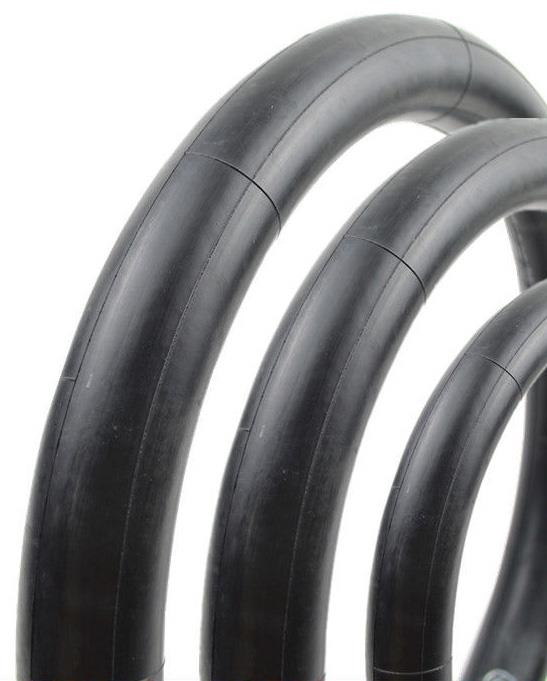
The structural integrity of a bicycle tube is won or lost at two critical junctions: the valve base and the splice (where the extruded tube is joined into a circle).
During production, the extrusion process must maintain a uniform wall thickness—typically 0.8mm to 1.0mm for standard tubes, or down to 0.45mm for ultralight variants. Uneven wall thickness leads to localized stretching and premature blowouts. To verify a factory's capability, we recommend conducting Factory Audits focusing on their extrusion machinery and vulcanization temperature controls.
Critical Quality Control Checks
Reliable manufacturers implement 100 percent inflation testing. Tubes are inflated and left for 24 hours to identify micro-leaks before packaging.
Pre-Shipment Inspection Focus Areas
- 24-hour inflation test to verify air retention and valve core seating.
- Water bath immersion for randomized batch testing to spot micro-leaks.
- Tensile strength and elongation at break testing on the rubber compound.
- Visual inspection of the valve base vulcanization for delamination.
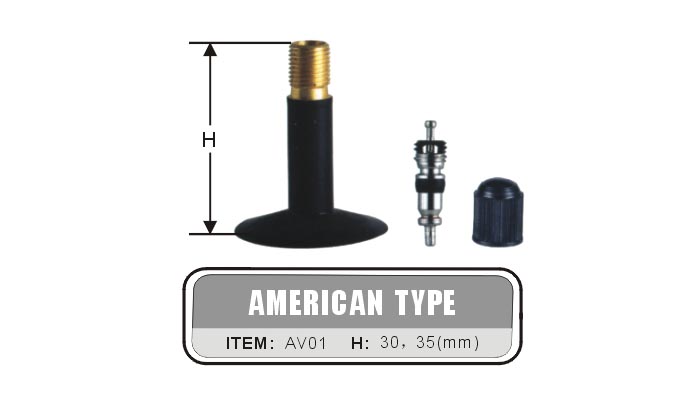
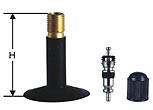
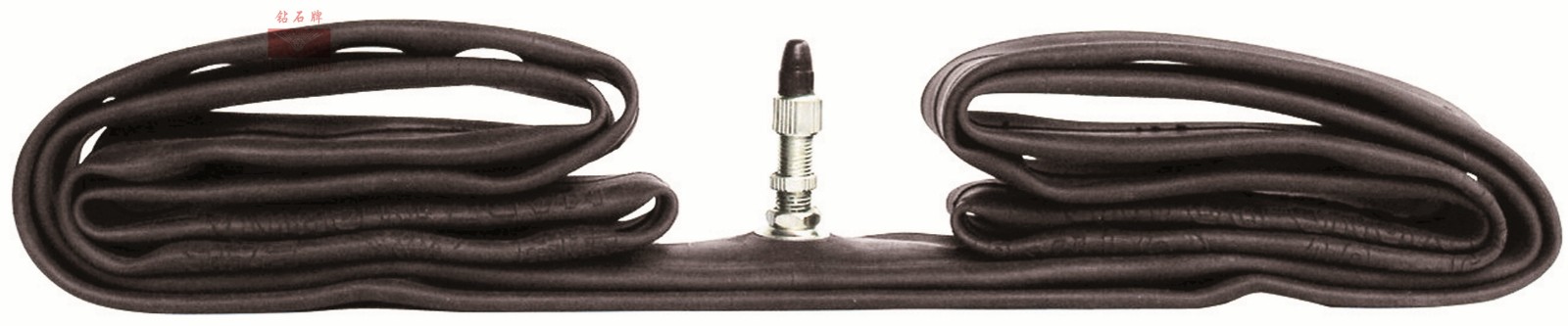
- Verification of ETRTO sizing and valve length (e.g., Presta 48mm, 60mm) against order specs.
If you are importing under your own brand, implementing third-party Quality Control & Inspection prior to container loading is the most effective way to ensure defective batches do not reach your warehouse.
Sourcing Mechanics: MOQs, Lead Times, and Customization
Bicycle tube production is highly automated, which drives up Minimum Order Quantities (MOQs). Factories optimize their runs based on mold setups for specific ETRTO sizes and valve configurations.
Brands looking for OEM/ODM Services to produce private-label tubes must consider packaging requirements. Custom printed cardboard boxes or shrink-wrapping with branded inserts will slightly increase unit costs and may require separate packaging MOQs.
Ready to optimize your supply chain and negotiate better terms for bulk bicycle components?
Get a free consultationSuccessful high-volume sourcing of bicycle tubes comes down to strict specification management. By clearly defining the rubber compound, specifying the exact ETRTO dimensions and valve standards, and enforcing pre-shipment inflation checks, buyers can secure reliable inventory that performs consistently in the market.
Get Sourcing Help for Bicycle Tubes
Tell us your requirements and our experts will connect you with verified manufacturers.