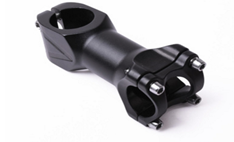
Bicycle Stems
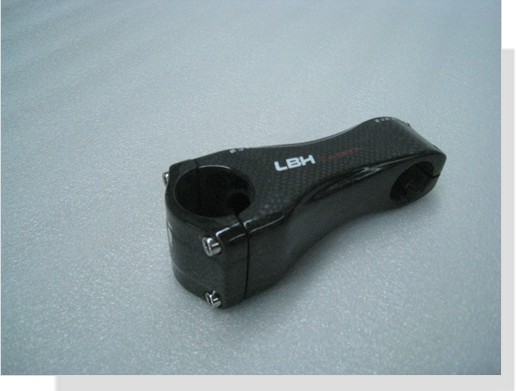
Source high-quality bicycle stems from vetted manufacturers and wholesale suppliers across Asia. Built for importers, distributors, and cycling brands seeking reliable OEM/ODM production, our factory network delivers precision-engineered alloy and carbon stems for road, mountain, and gravel applications.
Sourcing bicycle stems at scale requires balancing unit cost with absolute structural integrity. As a critical steering component, a stem failure is catastrophic. Bulk buyers must navigate varying manufacturing techniques—from 3D forging to multi-axis CNC machining—while ensuring strict adherence to international safety standards. Securing a reliable supply chain means vetting factories not just for their pricing, but for their metallurgical expertise and in-house testing capabilities.
Manufacturing Techniques and Material Selection
The production method dictates the stem's grain structure, weight-to-stiffness ratio, and overall cost. When engaging factories for OEM/ODM Services, your choice of process will define the specific supplier profile you need. Most facilities specialize in either alloy processing or carbon composite layup, rarely both.
| Production Method | Material Focus | Tooling Cost | Unit Cost | Best For |
|---|---|---|---|---|
| 3D Forging | Aluminum (6061/7075) | High | Low | High-volume OEM & mid-tier |
| CNC Machining | Billet Aluminum | Low | Medium to High | Premium aftermarket & low-volume |
| Carbon Layup | Pre-preg Carbon Fiber | Very High | High | Elite racing & lightweight builds |
Forged stems offer superior strength due to continuous grain structure, making them the standard for mass-market applications. However, the high tooling cost means custom designs require substantial volume. Conversely, CNC machining allows for intricate designs and rapid prototyping with minimal tooling investment, though the cycle time per unit is longer.
Need to identify factories with verified 3D forging or 5-axis CNC capabilities? We can match your technical requirements with vetted manufacturers.
Talk to our teamCritical Specifications for Bulk Orders
When drafting technical requirements, precision is vital. A fraction of a millimeter in tolerance can lead to handlebar slippage or steerer tube damage. Ensure your purchase orders clearly define:
- Clamp Diameter: The industry standards are 31.8mm and 35mm (predominantly MTB). Older 25.4mm and 26.0mm standards are reserved for niche or retro builds.
- Steerer Tube Diameter: Typically 1-1/8 inches (28.6mm) or 1-1/4 inches (31.8mm) for oversized road setups.
- Stack Height: The vertical space the stem occupies on the steerer tube (usually 35mm to 40mm).
- Rise/Angle: Expressed in degrees (e.g., +/- 6 degrees, +/- 17 degrees). Reversible designs require specific faceplate engineering to distribute load evenly in both orientations.
- Hardware: Specify bolt material (stainless steel, titanium, or chromoly) and grade. Bolt failure is a common point of catastrophic failure.
Quality Control and ISO 4210 Compliance
Because stems are safety-critical, rigorous testing is non-negotiable. Stems must pass ISO 4210-5 standards for steering components. Integrating comprehensive Quality Control & Inspection early in the production run prevents costly rework and liability issues.
Critical Factory-Level QC Checks
- Fatigue testing (out-of-phase and in-phase loading) per ISO 4210
- Ultimate strength testing to ensure the stem yields before snapping
- Dimensional tolerance checks on the steerer and handlebar clamps
- Torque testing on faceplate threads to verify thread integrity
- Anodizing thickness and surface finish consistency
Relying solely on a supplier's self-reported test data carries risk. Third-party Compliance & Testing is highly recommended for all new product introductions.
MOQs, Lead Times, and Pricing Drivers
Production mechanics vary significantly based on customization levels. Standard catalog stems (white-label) have lower barriers to entry, while custom tooling demands higher commitment.
Before committing to a high-volume run or paying for expensive tooling, executing thorough Factory Audits is essential to verify the supplier's actual production capacity and testing equipment.
Evaluating supplier quotes or need help negotiating MOQs for a custom stem design? Let our sourcing experts review your project.
Get a free consultationFrequently Asked Questions
Securing a reliable supply chain for bicycle stems means looking beyond the unit price to verify the factory's engineering and metallurgical competence. Thorough vetting and strict QC protocols ensure your components perform safely under extreme loads.
Get Sourcing Help for Bicycle Stems
Tell us your requirements and our experts will connect you with verified manufacturers.