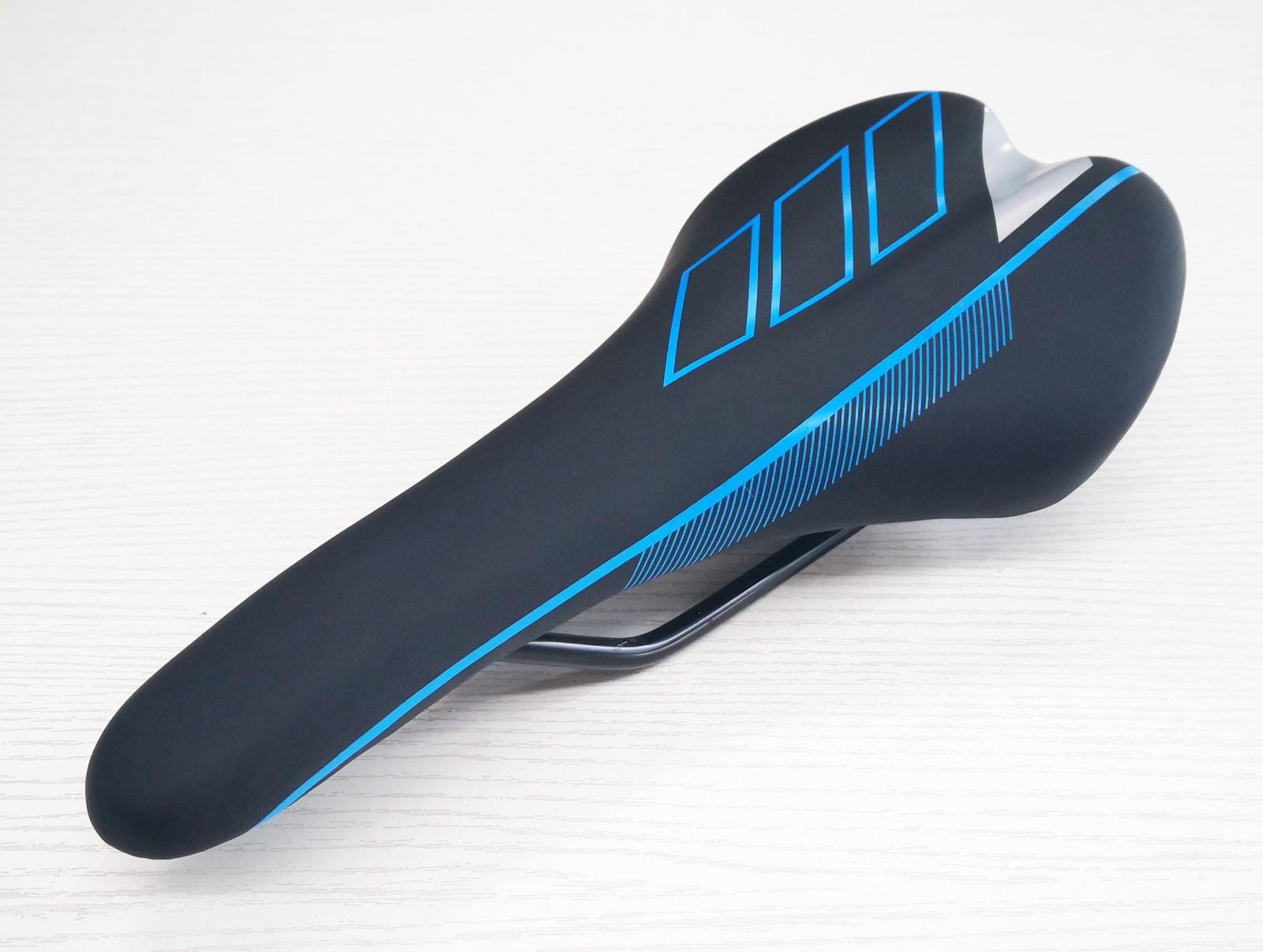
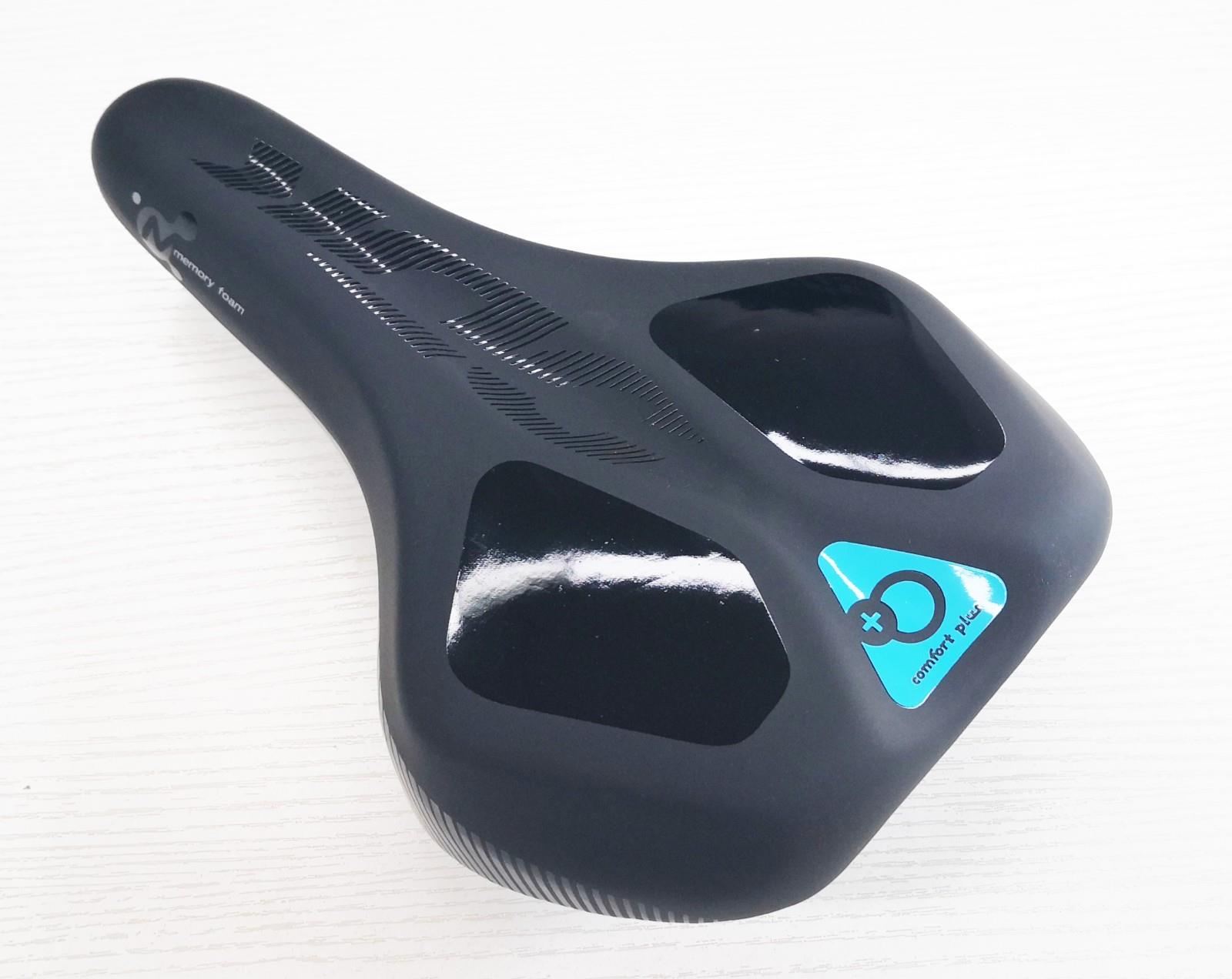
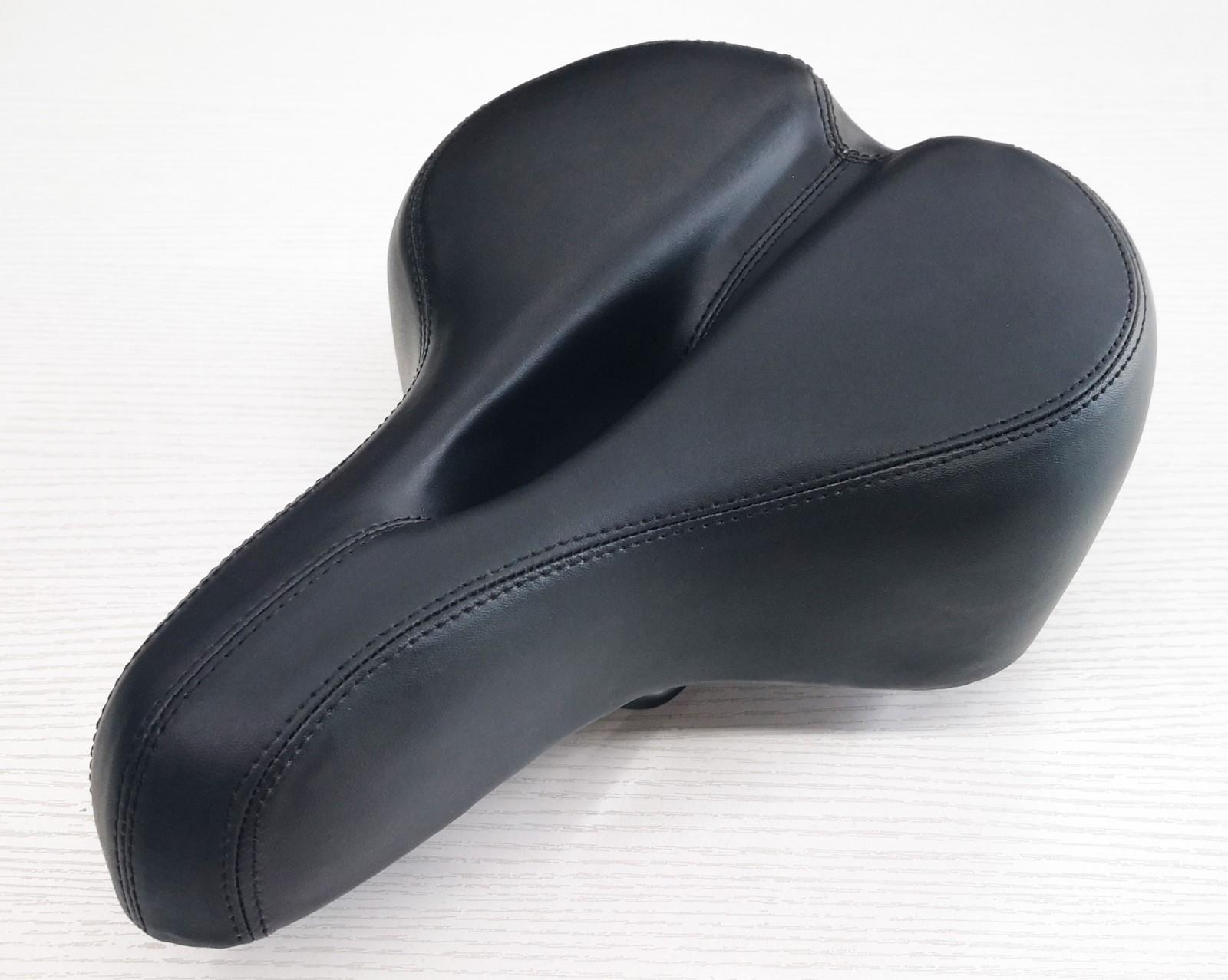
Bicycle Saddles
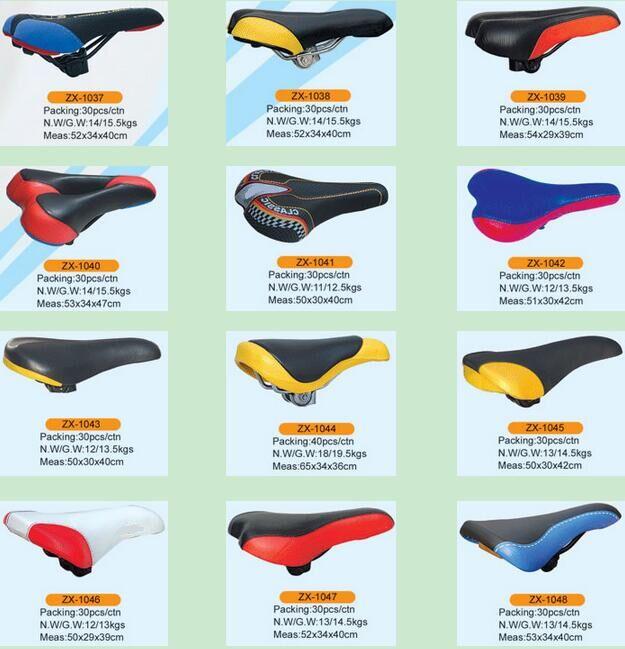
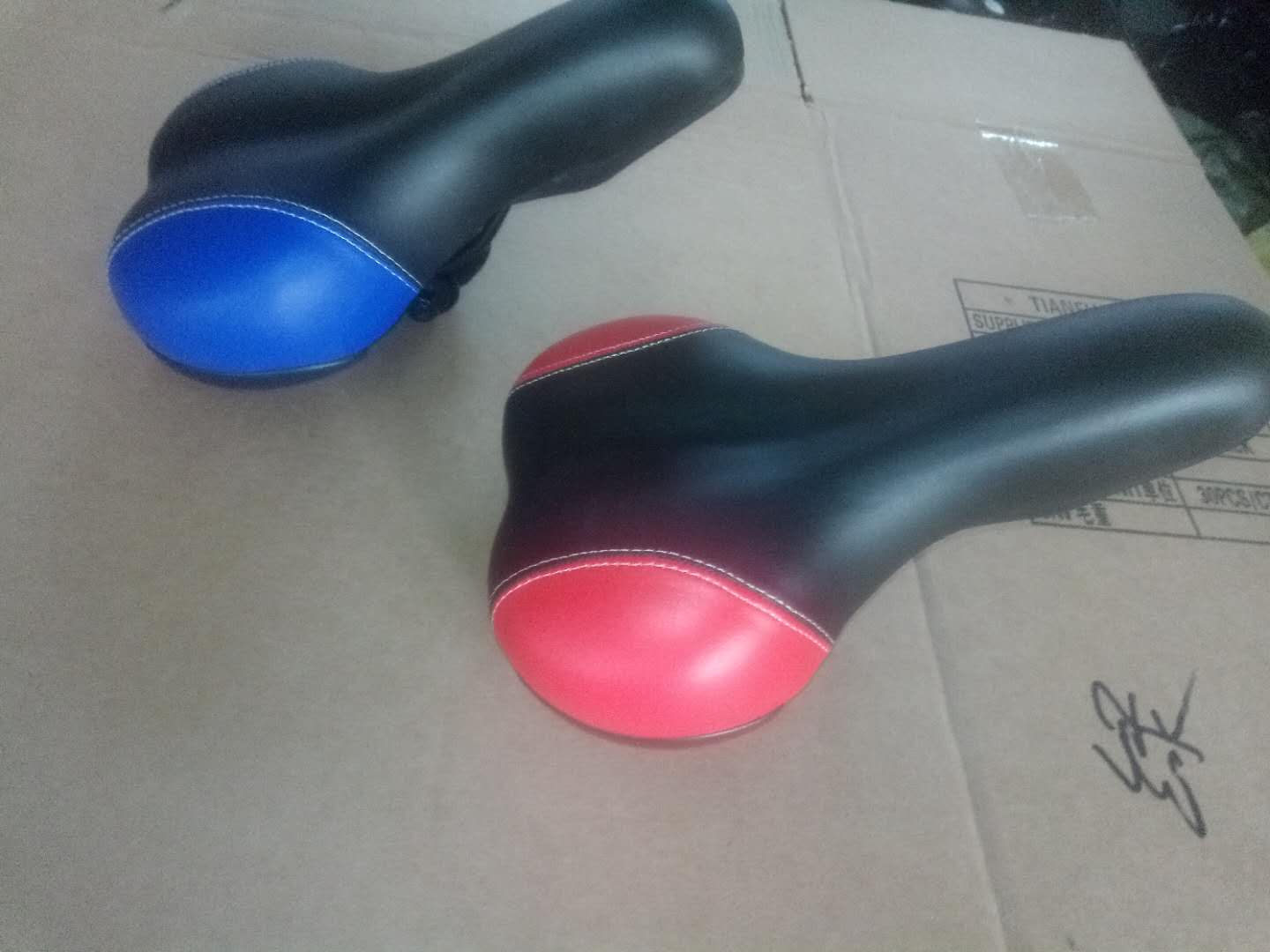
Source high-quality wholesale bicycle saddles directly from vetted manufacturers and suppliers. This catalog is designed for importers, distributors, and cycling brands seeking reliable bulk purchasing and OEM/private-label production. Ensure comfort, durability, and performance for every rider.
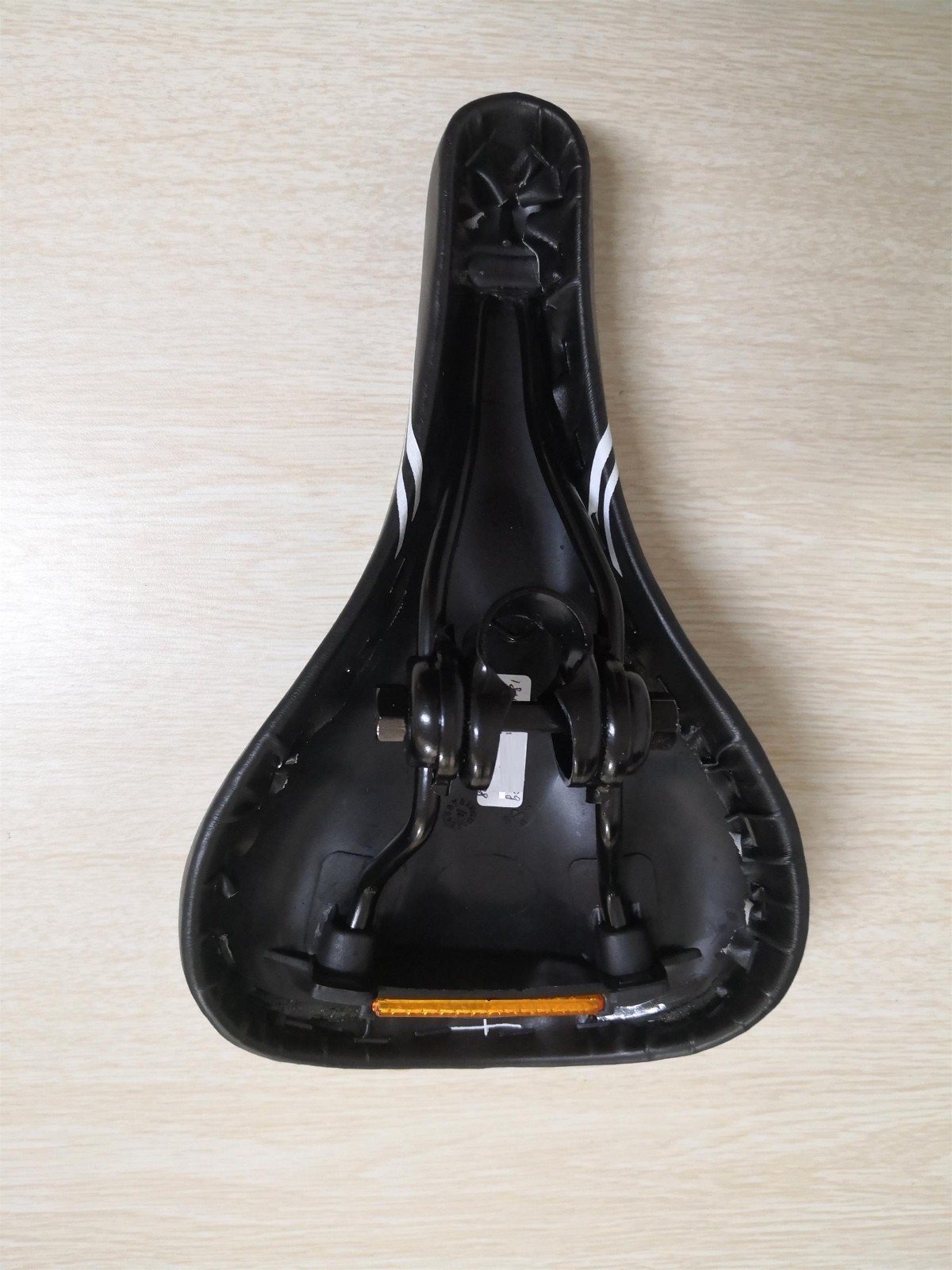
Sourcing bicycle saddles at scale requires balancing ergonomic design with strict material tolerances. A saddle's performance and perceived value rely heavily on the integration of the base shell, padding density, cover material, and rail strength. When buying in bulk or developing a custom product line, managing these variables across thousands of units without defect is the primary challenge for procurement teams.
Core Specifications and Material Selection
The component breakdown of a bicycle saddle dictates its target market, from entry-level commuter bikes to high-end racing models. Specifying the right materials is the first step in successful OEM/ODM Services.
Rail Materials and Dimensions
The rail connects the saddle to the seatpost and bears the rider's dynamic weight. The industry standard for round rails is 7x7mm, while carbon rails typically use a 7x9mm or 7x10mm oval profile to distribute clamping force.
| Rail Material | Characteristics | Weight Profile | Target Market |
|---|---|---|---|
| High-Tensile Steel | Cost-effective, prone to rust if unplated | Heavy | Entry-level, mass-market |
| Chromoly (Cr-Mo) | Excellent flex and durability, industry standard | Moderate | Mid-range, MTB, touring |
| Titanium | Superior strength-to-weight, corrosion resistant | Light | High-end, performance road |
| Carbon Fiber | Maximum stiffness, requires specific seatpost clamps | Ultra-light | Premium racing |
Padding and Base Shells
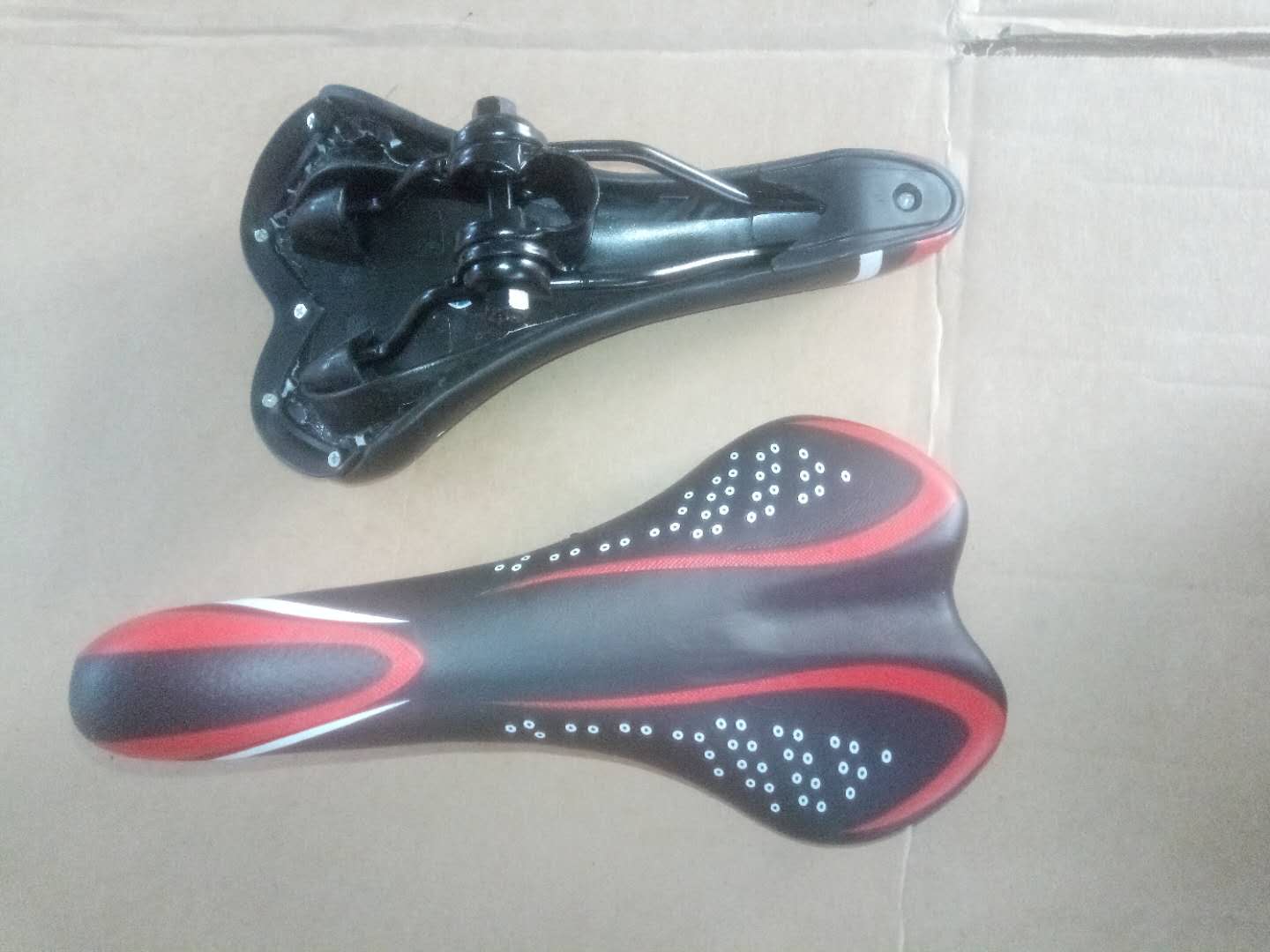
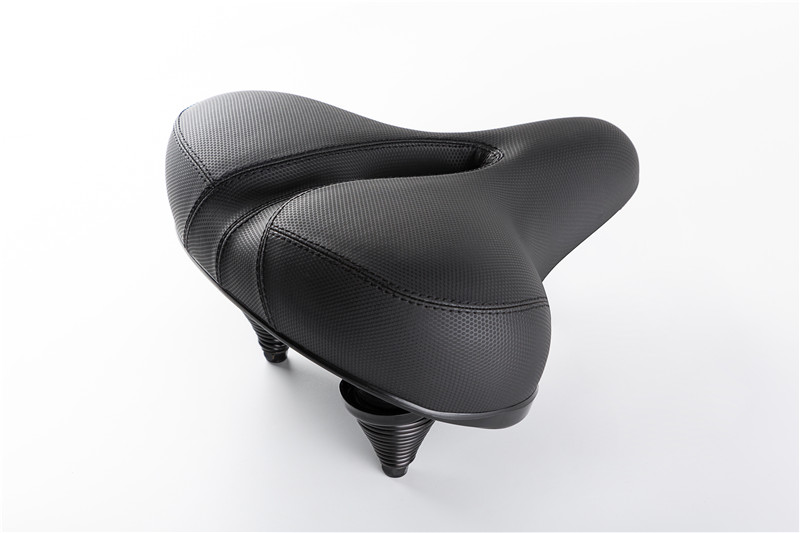
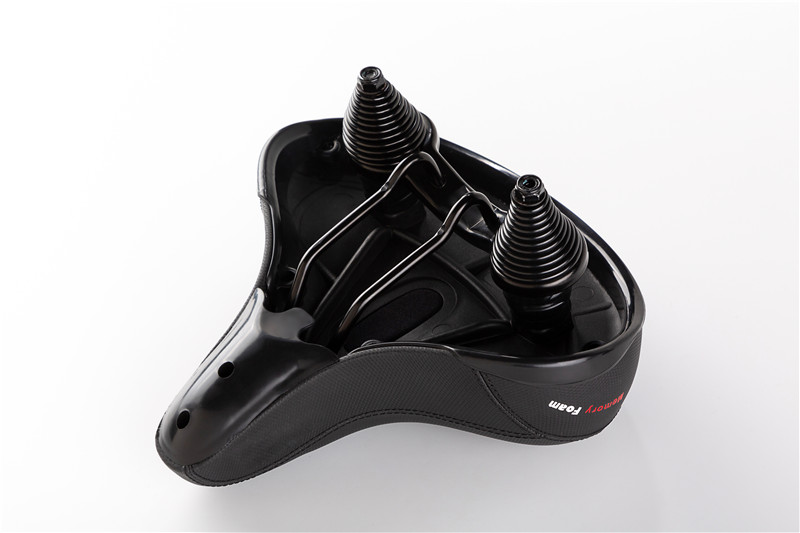
The base shell is typically injection-molded nylon, often reinforced with carbon fiber or glass fiber to increase stiffness. Padding is generally injected polyurethane (PU) foam or Ethylene-vinyl acetate (EVA). Premium models often integrate gel inserts for localized pressure relief. Specifying the exact Shore hardness of the foam is critical; foam that is too soft will bottom out, while foam that is too dense will cause rider discomfort.
Need help finalizing the technical specifications for your custom saddle line? We can guide your material selection to meet your target price point.
Talk to our teamManufacturing Processes and Quality Control
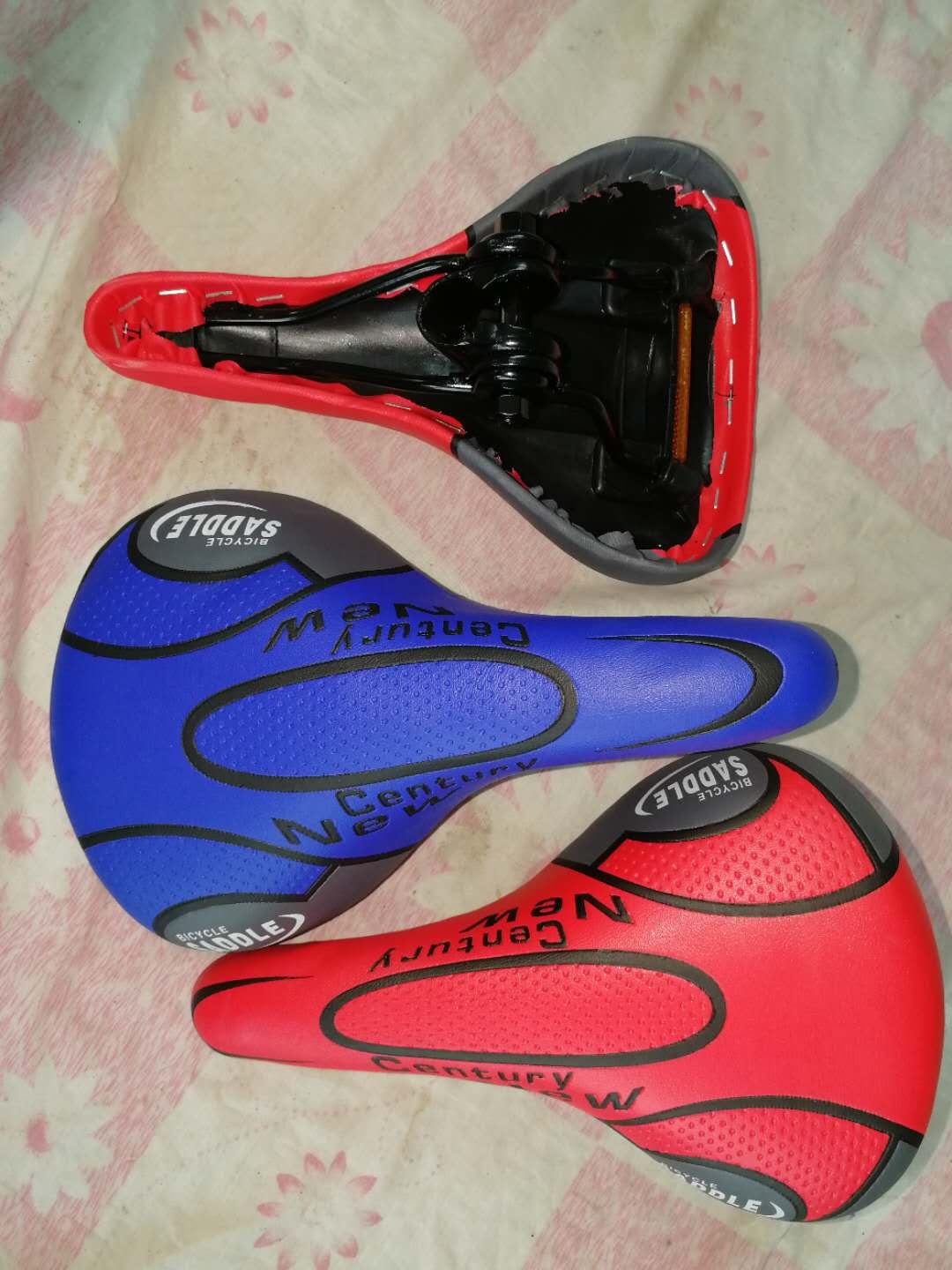
Bicycle saddles are primarily manufactured using two methods for applying the cover: traditional stretching (where the cover is pulled over the padding and stapled or glued to the base) and vacuum forming.
Vacuum forming bonds the cover, padding, and base shell seamlessly without staples, resulting in a cleaner look and superior water resistance. However, it requires precise tooling and temperature control. If the vacuum process is rushed, the cover will delaminate from the foam over time.
Because saddles require both automated injection molding and manual assembly (especially in traditional stretching), strict Quality Control & Inspection is non-negotiable.
Critical QC Checks for Bicycle Saddles
- Rail alignment: Rails must be perfectly parallel to prevent uneven clamping and seatpost damage.
- Foam density consistency: Conduct durometer tests across multiple points on the saddle to ensure uniform hardness.
- Cover adhesion: Check for air bubbles, wrinkles, or weak bonding at the edges, particularly on vacuum-formed models.
- Seam integrity: For stitched covers, inspect thread tension and waterproofing treatments at the seams.
- Impact and fatigue testing: Verify compliance with ISO 4210 standards for saddle fatigue and static load.
Before committing to a large production run, conducting comprehensive Factory Audits ensures your chosen manufacturer has the necessary testing equipment (like rail fatigue testers) on-site.
MOQs, Pricing, and Lead Times
Volume pricing for bicycle saddles is heavily influenced by the rail material and the cover application method. Tooling costs for custom base shells or proprietary foam molds will also impact the initial investment.
Cost Optimization
If you want to create a unique product without the high cost of a custom injection mold for the base shell, use an open-mold base and customize the foam density, cover material, and branding (embossing or heat transfer).
Ready to negotiate pricing and terms with top-tier saddle manufacturers? Let us handle the communication and secure the best bulk rates.
Get a free consultationFrequently Asked Questions
Navigating the technical requirements of bicycle saddle production—from rail tolerances to foam durometer—requires close oversight at the factory level. Partnering with experienced sourcing professionals ensures your specifications are met exactly, minimizing defect rates and protecting your brand's reputation.
Get Sourcing Help for Bicycle Saddles
Tell us your requirements and our experts will connect you with verified manufacturers.