Bicycle Pedals
Source premium bicycle pedals directly from vetted manufacturers and suppliers. Designed for importers, wholesalers, distributors, and cycling brands looking for reliable wholesale volume or custom OEM production. Find the right production partner to scale your supply chain efficiently.
Sourcing bicycle pedals at volume requires balancing weight, structural integrity, and unit cost. Whether you are procuring composite flat pedals for mountain bikes or precision clipless models for road cycling, the difference between a high-margin product and a warranty nightmare lies in spindle metallurgy, bearing tolerances, and factory-level quality control.
Core Specifications and Manufacturing Methods
When negotiating with suppliers, the materials and machining processes you specify dictate both the performance and the price floor of the pedal.
Spindle Materials and Strength
The spindle is the primary load-bearing component. Entry-level pedals often use Boron steel, which is cost-effective but prone to bending under heavy loads. Mid-range and premium pedals almost exclusively use CNC-machined Cr-Mo (Chromoly) steel for an optimal strength-to-weight ratio. For ultra-lightweight niche applications, titanium spindles are available, though they significantly increase manufacturing costs and require strict weight-limit warnings for end users.
Pedal Body Construction
The manufacturing method of the pedal body heavily influences your tooling costs and unit pricing:
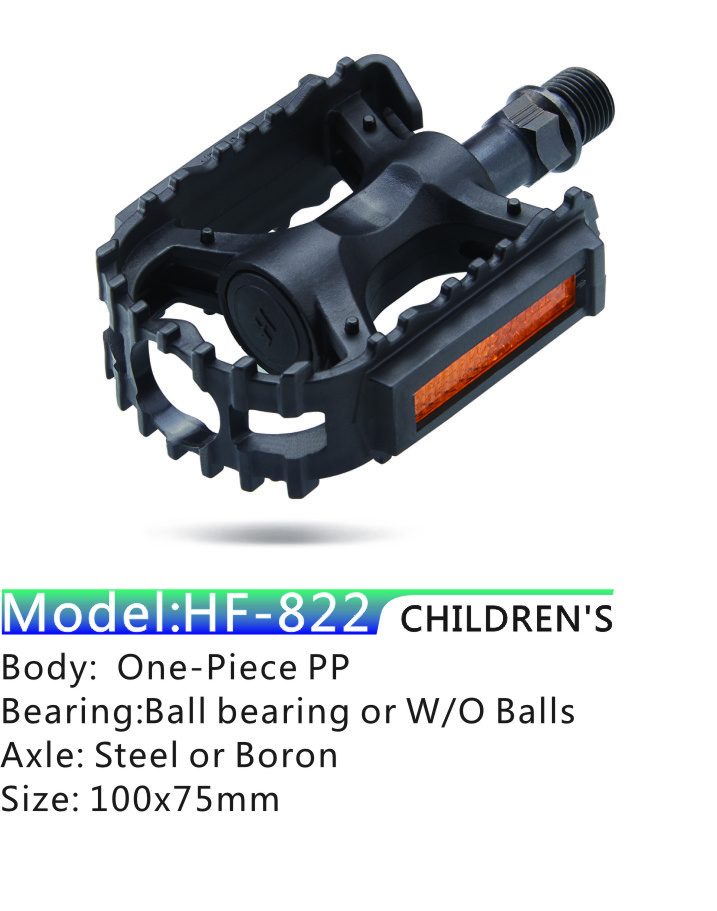
- Nylon Composite: Injection-molded nylon reinforced with fiberglass. Highly durable, lightweight, and cost-effective at scale. Requires upfront mold tooling.
- Die-Cast Aluminum: Molten alloy injected into a mold. Good for mid-range volume production. Slightly heavier but offers a classic aesthetic.
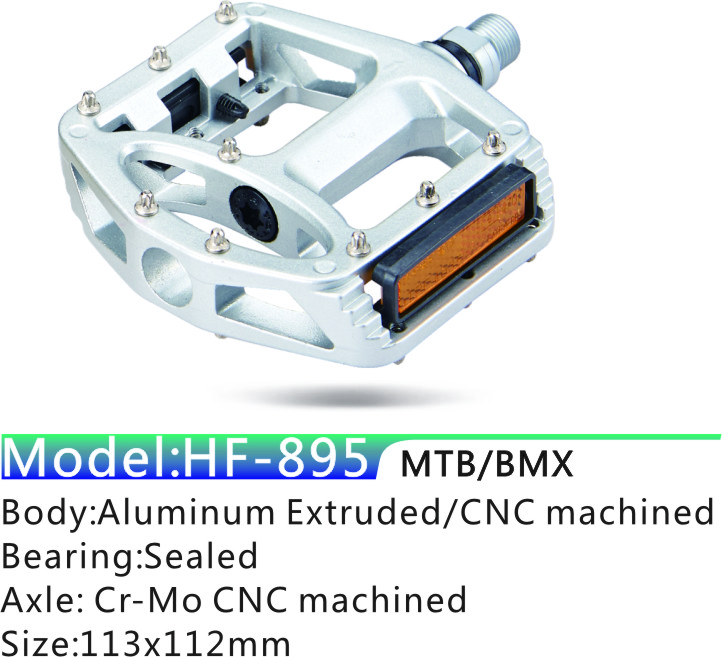
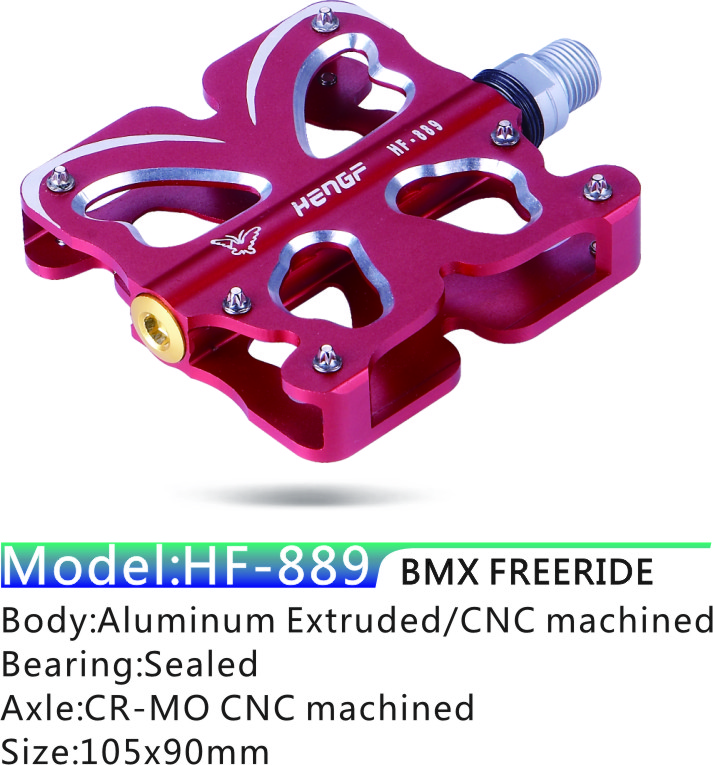
- CNC Machined Aluminum: Extruded aluminum billets machined down to the final shape. Offers the best strength-to-weight ratio and sharpest details. Zero mold costs, but higher per-unit machining time and cost.
Bearing Systems
The internal bearing system determines the lifespan and smoothness of the pedal.
| Bearing Type | Typical Application | Performance Profile |
|---|---|---|
| Loose Ball Bearings | Entry-level / Commuter | Low cost, requires regular maintenance and repacking. |
| DU Bushings | Mid-range MTB / BMX | Lightweight, highly durable against impacts, slightly higher friction. |
| Sealed Cartridge | Premium Road / MTB | High cost, zero maintenance, extremely smooth rotation. |
Navigating factory capabilities and component specifications can be complex. Get expert guidance on matching your product requirements with the right manufacturing partner.
Talk to our teamQuality Control and Compliance Standards
Bicycle pedals must withstand immense dynamic forces. If a spindle snaps or a pedal body shatters during use, the liability risks for an importer are severe. Ensuring your manufacturer complies with ISO 4210-8 (Pedal and drive system test methods) is non-negotiable for Western markets.
Verifying a supplier's testing lab capabilities through comprehensive Factory Audits is the best way to ensure they aren't just outsourcing their safety compliance.
Critical Factory QC Checks for Pedals
- Dynamic Durability Testing: Pedals must survive 100,000+ cycles under heavy load without spindle deformation.
- Impact Resistance: Drop testing on composite and die-cast bodies to check for micro-fractures.
- Thread Tolerances: Strict go/no-go gauge testing on the 9/16-inch or 1/2-inch spindle threads to prevent crank arm damage.
- Anodizing/Finish Adhesion: Salt spray testing to ensure anti-corrosion treatments hold up in wet environments.
Implementing rigorous Quality Control & Inspection protocols before the goods leave the factory floor is the only way to catch bearing binding or thread defects before they reach your warehouse.
MOQs, Tooling, and Lead Times
Production realities in the bicycle parts sector depend heavily on whether you are buying off-the-shelf white-label designs or developing a custom mold. When utilizing OEM/ODM Services for custom designs, expect to pay for tooling upfront, which is usually refunded after a certain volume threshold is met.
Note: Anodizing or custom dyeing usually requires a minimum of 200 to 300 pairs per color variant, even if your total order meets the factory's overall MOQ.
Optimize your purchasing strategy. We help buyers negotiate favorable MOQs, manage tooling contracts, and secure reliable production timelines.
Get a free consultationFrequently Asked Questions
Sourcing bicycle pedals requires strict attention to metallurgical standards and machining tolerances. By partnering with factories that possess legitimate in-house testing and precision CNC capabilities, you protect your brand's reputation and ensure a reliable, safe product for the end user.
Get Sourcing Help for Bicycle Pedals
Tell us your requirements and our experts will connect you with verified manufacturers.