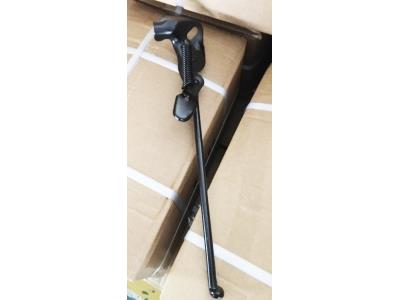
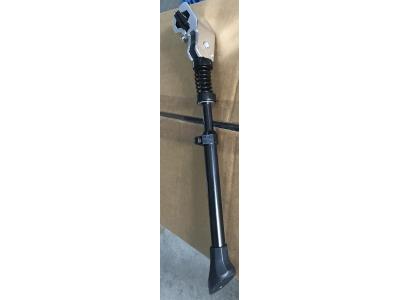
Bicycle Kickstands
Source premium bicycle kickstands in bulk from vetted manufacturers and suppliers. This catalog is designed for importers, distributors, and cycling brands seeking reliable OEM and private-label production. Secure competitive wholesale pricing on heavy-duty, adjustable, and custom-engineered kickstands.
Sourcing bicycle kickstands at scale requires balancing unit cost with mechanical reliability. While often viewed as a simple accessory, a kickstand must support dynamic loads, resist environmental corrosion, and integrate seamlessly with varied frame geometries. For bulk buyers, the primary challenge lies in identifying manufacturers capable of consistent alloy casting, rigorous spring-tension testing, and precise surface finishing.
Material & Structural Specifications
The core material and manufacturing method dictate the kickstand's weight capacity, durability, and target market. Most standard commuter and mountain bike kickstands are manufactured using aluminum die casting, while high-end or heavy-duty e-bike models require forging or steel construction.
| Manufacturing Method | Typical Material | Structural Strength | Ideal Application |
|---|---|---|---|
| Die Casting | Aluminum ADC12 | Moderate | Standard commuter & kids bikes |
| Forging | Aluminum 6061 / 7075 | High | Premium mountain & touring bikes |
| Stamping / Welding | Carbon Steel | Very High | Heavy e-bikes & cargo bikes |
When specifying requirements for OEM/ODM Services, you must clearly define the mounting standard. The most common configurations include center-mount (behind the bottom bracket) and rear-mount (chainstay/seatstay). Rear mounts often utilize standard hole distances of 18mm or 40mm, which must be machined with high precision to prevent thread stripping during installation.
Need help finding a factory equipped for custom forging and high-load e-bike kickstands? Let our sourcing experts match you with vetted manufacturers.
Talk to our teamManufacturing Tolerances & Quality Control
Quality is won or lost on the factory floor, specifically in the assembly of the pivot mechanism and the application of surface treatments. A common failure point in poorly manufactured kickstands is the internal spring, which can lose tension or snap under repeated use.
To prevent post-sale defects, rigorous Quality Control & Inspection should focus on the following areas:
Critical QC Checks for Kickstand Production
- Spring Fatigue Life: Ensure springs are tested to a minimum of 10,000 to 20,000 deployment cycles without tension loss.
- Hardware Integrity: Verify that all pivot bolts use anti-loosening mechanisms (e.g., Nyloc nuts or factory-applied threadlocker).
- Load Testing: Confirm the stand can support the specified weight (often 30kg or more for e-bike specific models) at the correct lean angle.
- Surface Finish: Check anodizing thickness or powder-coat adhesion to ensure long-term corrosion resistance, especially for coastal markets.
- Adjustability Mechanism: For adjustable models, ensure the push-button or set-screw mechanism locks securely without slipping under load.
MOQs, Pricing, and Lead Times
Procurement economics for bicycle accessories depend heavily on whether you are buying off-the-shelf white-label designs or investing in custom tooling for a proprietary shape.
Unit pricing is highly sensitive to the weight of the raw aluminum, the complexity of the adjustability mechanism, and the quality of the internal spring. While standard die-cast models can be sourced very cost-effectively, specifying forged 6061 aluminum with a high-cycle stainless steel spring will increase the unit cost but drastically reduce warranty claims. Before committing to custom tooling and high-volume orders, conducting thorough Factory Audits is crucial to verify the supplier's in-house machining and testing capabilities.
Optimize your procurement strategy. We help you negotiate favorable MOQs, manage tooling costs, and secure competitive pricing directly from the factory.
Get a free consultationFrequently Asked Questions
Successfully sourcing bicycle kickstands in bulk requires moving beyond simple aesthetic choices and focusing on the mechanical integrity of the product. By partnering with factories that prioritize rigorous cycle testing and precision casting, brands can deliver reliable hardware that enhances the end-user's cycling experience.
Get Sourcing Help for Bicycle Kickstands
Tell us your requirements and our experts will connect you with verified manufacturers.