Bicycle Handlebar Grips & Tape
Source high-quality bicycle handlebar grips and tape directly from vetted manufacturers and wholesale suppliers. Designed for importers, distributors, and cycling brands seeking reliable OEM and private-label production, our network delivers volume orders with strict quality control and competitive factory-direct pricing.
Sourcing bicycle grips and bar tape in volume requires balancing tactile performance with durability and environmental resistance. Whether you are stocking aftermarket distribution channels or specifying components for complete bike assemblies, the core challenge lies in material consistency and precise manufacturing tolerances. A slight variance in inner diameter or a poorly mixed rubber compound can lead to slipping grips, premature wear, and product returns.
Core Materials and Specifications
The material selection dictates the manufacturing method, tooling costs, and end-user application. Buyers must specify exact material grades and hardness levels to ensure the final product meets market expectations.
Handlebar Grips
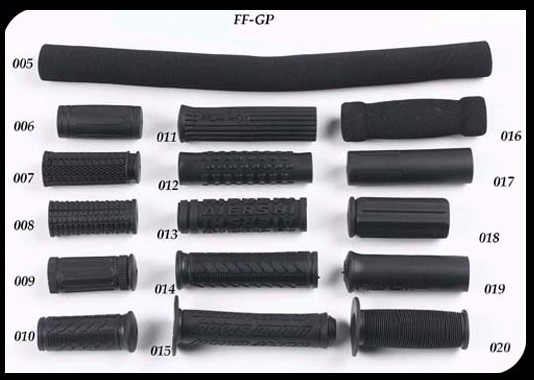
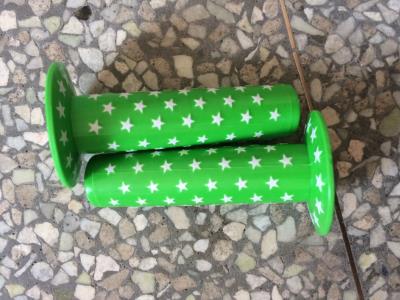
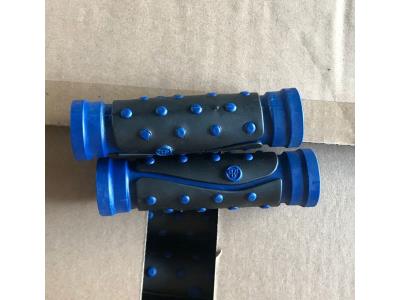
Most standard flat-bar grips (MTB, BMX, City) are manufactured using injection molding. The standard inner diameter is 22.2mm, with lengths typically ranging from 130mm to 135mm (or 90mm for twist-shifter compatibility).
| Material | Durometer (Shore A) | Characteristics | Typical Application |
|---|---|---|---|
| Kraton Rubber (TPR) | 25A to 40A | Excellent grip, weather resistant | MTB, BMX, Commuter |
| Silicone | 30A to 35A | High shock absorption, lightweight | XC Racing, Endurance |
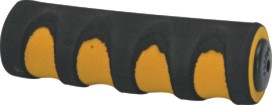
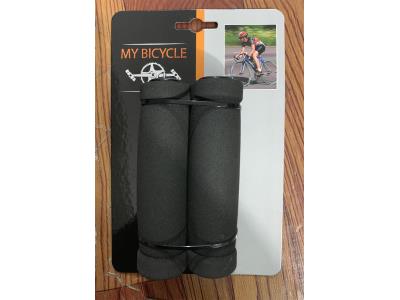
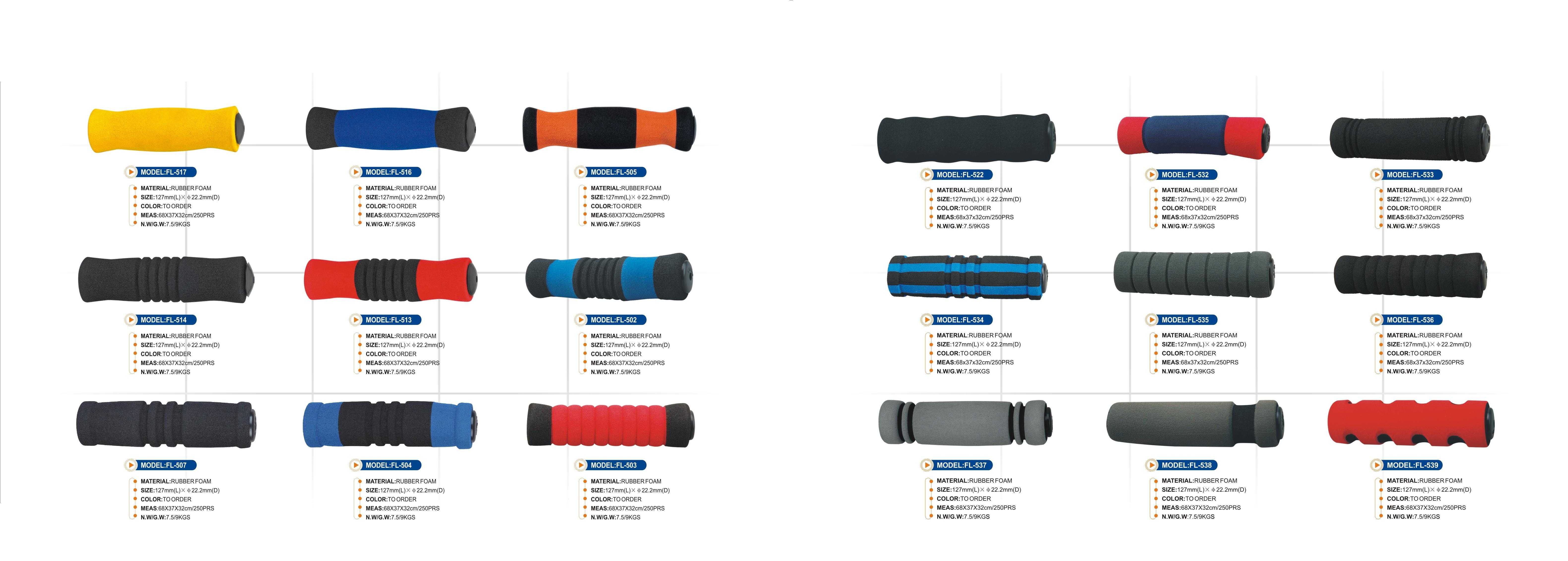
| EVA Foam | Varies by density | Extremely light, economical | Entry-level, Comfort |
Handlebar Tape
Drop-bar tape relies on lamination and extrusion processes. Modern tapes are multi-layered, typically featuring an EVA or Polyurethane (PU) base for shock absorption, topped with a micro-texture or tacky PU top layer. Thicknesses range from 1.5mm for direct road feel to 3.2mm or greater for gravel and cyclocross applications.
Manufacturing Tolerances and Quality Control
Quality is won or lost in the tooling and curing phases. For lock-on grips, the integration of the rigid plastic inner core with the outer rubber sleeve requires precise dual-density injection molding. If the aluminum lock-ring tolerances are off by fractions of a millimeter, the grip will either fail to secure to the handlebar or strip the mounting bolt.
Implementing rigorous Quality Control & Inspection protocols at the factory is non-negotiable for safety-critical contact points.
Critical Pre-Shipment QC Checks
- Inner diameter verification (must securely fit 22.2mm bars without excessive force).
- Lock-ring torque testing (verifying aluminum collars do not deform under standard torque specs).
- Adhesive backing pull-test on handlebar tape to ensure the gel or tape does not separate from the EVA base.
- UV aging and ozone resistance testing for rubber and PU compounds to prevent cracking.
Struggling with inconsistent rubber compounds or slipping lock-rings? Let our team manage your supplier vetting and on-site quality control.
Get a free consultationOEM Customization and Tooling
For brands looking to develop proprietary tread patterns, ergonomic profiles, or integrated branding, custom tooling is required. Injection molds for standard rubber grips are relatively inexpensive compared to larger bicycle components, making custom designs highly accessible.
When utilizing OEM/ODM Services, you will need to provide 3D CAD files (STEP/IGES) detailing the exact tread depth and lock-ring interface. Dual-density grips—featuring a hard inner core for stability and a softer outer compound for comfort—require more complex, multi-stage tooling which increases initial setup costs and production time.
Pricing, MOQs, and Lead Times
Factory pricing for grips and tape is driven primarily by raw material costs, tooling amortization, and order volume. Most reliable manufacturers are located in major Asian cycling hubs, particularly in Taiwan and mainland China.
Conducting thorough Factory Audits before placing large volume orders ensures your chosen supplier has the actual injection molding capacity and material sourcing networks they claim, rather than simply sub-contracting your order.
Need accurate pricing and lead times for your next bulk order? We negotiate directly with top-tier cycling component manufacturers on your behalf.
Talk to our teamFrequently Asked Questions
Successful sourcing in this category requires strict attention to material chemistry and tooling precision. Managing these technical details directly with the factory ensures your contact points deliver the durability and tactile feedback your end-users demand.
Get Sourcing Help for Bicycle Handlebar Grips & Tape
Tell us your requirements and our experts will connect you with verified manufacturers.