Bicycle Freewheels
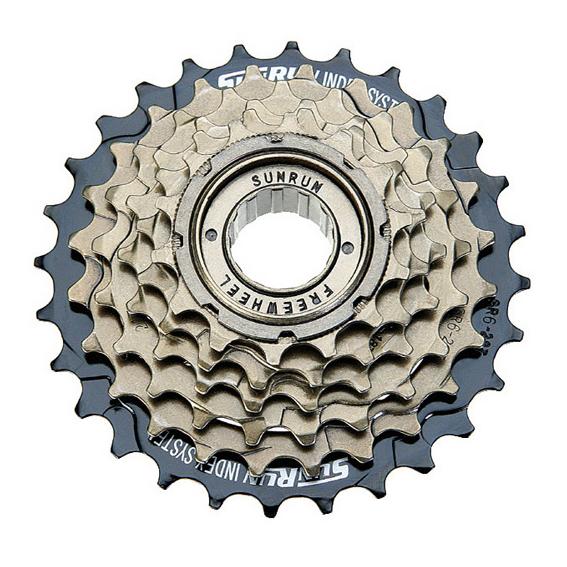
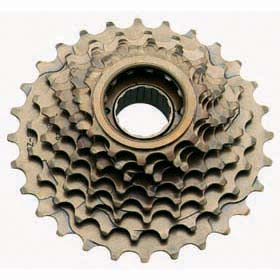
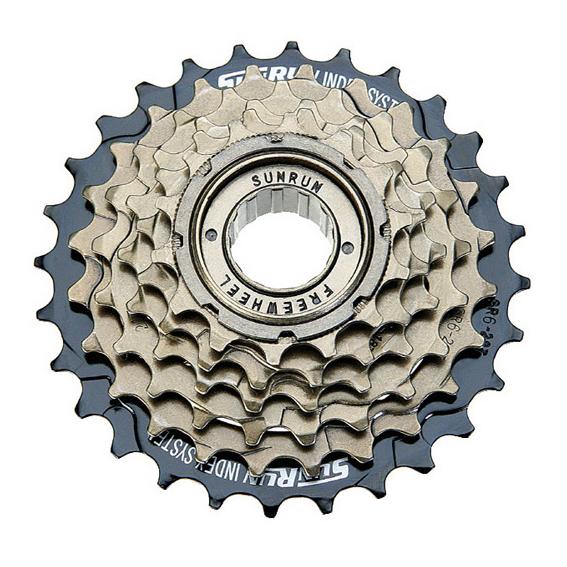
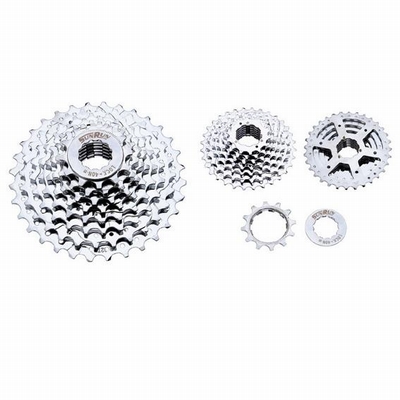
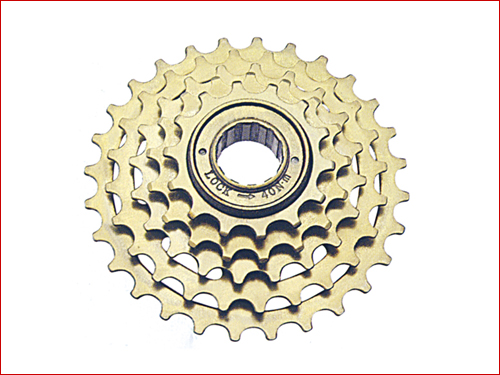
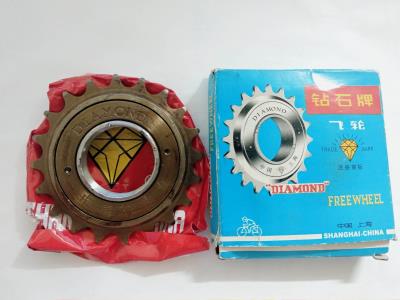
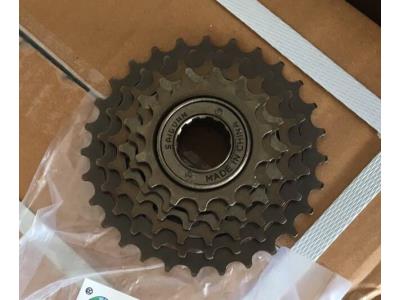
Source high-quality bicycle freewheels in bulk from vetted manufacturers and suppliers across Asia. Built for importers, distributors, and cycling brands seeking reliable OEM and private-label production, our catalog covers everything from single-speed to multi-speed threaded freewheels engineered for durability and precision.
Thread-on bicycle freewheels remain a high-volume staple for single-speed, BMX, e-bike, and entry-level geared bicycle manufacturing. While the core design is mature, sourcing them reliably at scale requires strict oversight of metallurgy, machining tolerances, and assembly. A failing pawl or warped sprocket immediately grounds a bicycle, making consistent factory quality critical for your brand reputation and bottom line.
Core Specifications for Bulk Sourcing
When negotiating with a factory, vague specifications often lead to unauthorized material substitutions. To ensure consistency across batches, your purchase orders must explicitly define the structural and metallurgical parameters.
- Thread Standards: The dominant global standard is English (1.37 inch x 24 TPI). However, metric threads (34.8mm x 1mm) and Italian threads are still manufactured. Ensure your supplier machines the threads cleanly to prevent cross-threading during bicycle assembly.
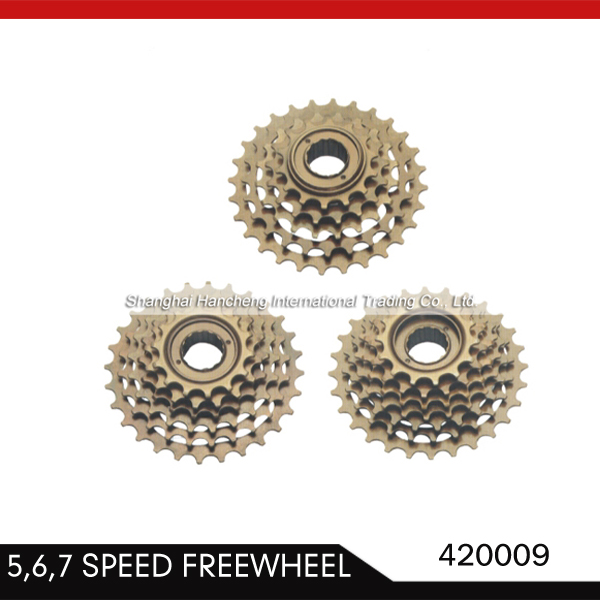
- Gearing and Indexing: For multi-speed freewheels (typically 5, 6, 7, or 8-speed), specify the exact tooth count (e.g., 14-28T or 13-32T). If your brand requires specific indexing compatibility (e.g., Shimano SIS), the tooth profiling and shift ramps must be precision-stamped to match.
- Base Materials: Standard sprockets are punched from high-tensile steel (like Q235 or Q345). For higher torque applications, such as e-bikes or heavy-duty cargo bikes, upgrading to Chromium-Molybdenum (Cr-Mo) steel is highly recommended.
Struggling with inconsistent freewheel quality or slipping pawls from your current supplier? Let us evaluate your factory's production line and standardize your technical specifications.
Talk to our teamManufacturing Variables and Surface Treatments
The longevity of a freewheel depends heavily on the heat treatment process. Sprockets and pawls must be properly quenched and tempered to achieve the right hardness (typically HRC 40-45). If the steel is too soft, the teeth wear prematurely; if it is too brittle, the pawls can shatter under load.
Surface treatments protect the steel from oxidation and affect the final cosmetic appeal of the bicycle.
| Finish Type | Corrosion Resistance | Cost Impact | Common Application |
|---|---|---|---|
| ED (Electrophoretic Deposition) | Moderate | Low | Entry-level bikes, budget aftermarket |
| CP (Chrome Plating) | High | Medium | Standard aftermarket, BMX, commuters |
| Nickel / Zinc Plating | Excellent | High | Premium single-speed, coastal environments |
| Brown / Black Oxide | Low | Low | Vintage builds, ultra-budget segments |
Quality Control Vulnerabilities
The most common defects in bulk freewheel orders stem from poor assembly environments and rushed machining. Without strict Quality Control & Inspection, you risk importing containers of parts that skip under tension or wobble excessively on the hub.
Critical Pre-Shipment Inspection Checks
- Thread Tolerance: Verify pitch and diameter using GO/NO-GO gauges.
- Pawl Engagement: Test under high torque loads to ensure springs are responsive and pawls do not slip.
- Bearing Play: Check for excessive lateral play in the internal bearing assembly.
- Runout (Wobble): Confirm sprocket runout is within acceptable tolerances (usually under 0.5mm).
- Acoustic Check: Listen for grinding noises indicating poor lubrication or debris in the bearings.
Production Realities: MOQ, Pricing, and Lead Times
China is the global hub for bicycle drivetrain manufacturing, with major production clusters located in Tianjin, Jiangsu, and Zhejiang.
- Minimum Order Quantities (MOQs): Standard MOQs for freewheels range from 1,000 to 3,000 pieces per specification. Factories require these volumes to justify the setup time for stamping dies and heat treatment batches.
- Lead Times: Expect 30 to 45 days for standard production. If you are requesting custom tooth profiles or specialized plating via OEM/ODM Services, add 15 to 20 days for tooling and sample approval.
- Pricing Drivers: Costs fluctuate based on raw steel commodity prices, the complexity of the shift ramps, and the environmental costs associated with the chosen plating method.
Before committing to a high-volume supplier, conducting thorough Factory Audits is essential to verify their heat-treatment capabilities and environmental compliance for plating.
Need to consolidate your bicycle parts purchasing? We manage complex bills of materials, coordinate multi-factory production schedules, and ensure quality before shipment.
Get a free consultationFrequently Asked Questions
Sourcing bicycle freewheels requires balancing aggressive cost targets with unforgiving mechanical requirements. By defining your metallurgical needs early and enforcing strict inspection protocols on the assembly line, you can secure reliable drivetrain components that keep your production lines moving.
Get Sourcing Help for Bicycle Freewheels
Tell us your requirements and our experts will connect you with verified manufacturers.