Bicycle Frames
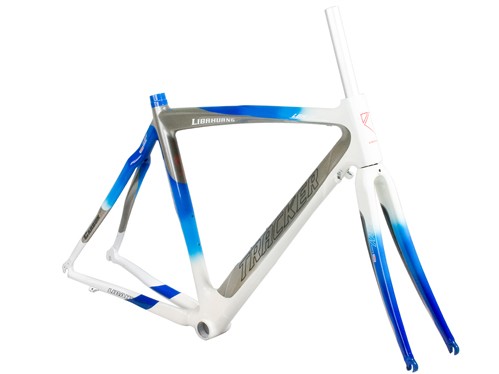
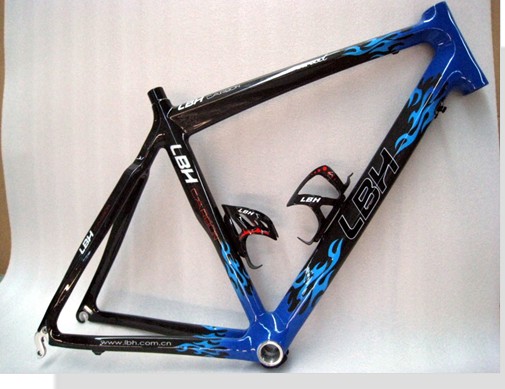
Source bulk bicycle frames from vetted manufacturers and suppliers across Asia. Designed for importers, distributors, and cycling brands seeking reliable OEM and private-label production, our network delivers precision-engineered frames in carbon fiber, aluminum, and steel to meet exacting geometry and performance standards.
Securing reliable bicycle frame manufacturing requires more than just picking a geometry chart off a supplier's catalog. Whether you are developing lightweight carbon race frames or robust aluminum commuter chassis, the difference between a high-performance product and a warranty nightmare lies in the factory's material handling, welding precision, and rigorous fatigue testing.
Material Specifications & Production Mechanics
The core of any frame sourcing strategy begins with material selection. The manufacturing processes, tooling costs, and quality control requirements shift dramatically depending on the substrate you choose.
| Material | Typical Application | Tooling Investment | Primary Cost Driver |
|---|---|---|---|
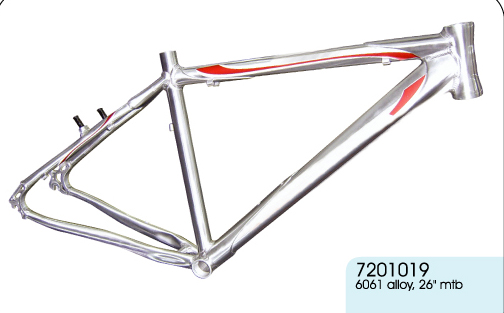
| Aluminum (6061/7005) | Entry to mid-tier road/MTB | Low to Moderate | Hydroforming & heat treatment |
| Carbon Fiber (T700/T800) | High-performance racing | High (EPS/Latex molds) | Layup labor & raw material |
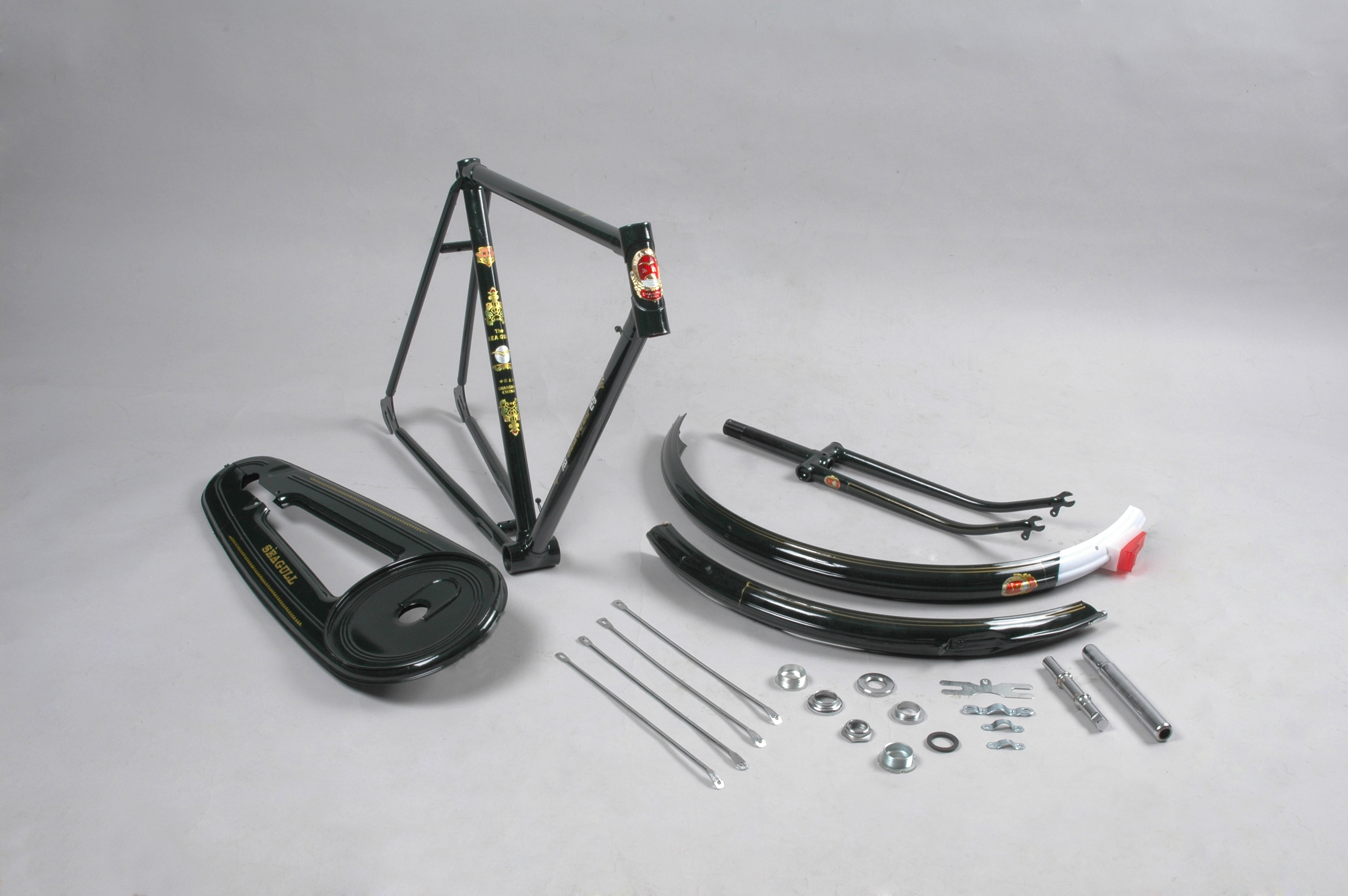
| Steel (Chromoly 4130) | Touring, gravel, BMX | Low | Tube butting & TIG welding |
| Titanium (3AL-2.5V) | Premium bespoke/niche | Low | Raw material & argon purging |
For carbon fiber frames, the layup process is highly manual. The structural integrity depends entirely on the workers' skill in placing pre-preg carbon sheets and the factory's control over curing temperatures. For alloy frames, post-weld heat treatment (T4/T6) and alignment correction are non-negotiable steps to relieve stress and ensure the frame tracks straight.
Developing a custom frame geometry? Let us help you identify factories with the right tooling and engineering capabilities.
Talk to our teamQuality Control & Compliance Testing
Bicycle frames are critical safety components. A failure at speed is catastrophic, making rigorous testing mandatory. Most international markets require compliance with ISO 4210 standards, which mandate specific fatigue, impact, and static load tests.
Relying solely on a supplier's in-house test reports can be risky. Serious buyers implement independent Quality Control & Inspection protocols to verify structural integrity before shipping.
Critical Frame Inspection Points
- Rear triangle alignment (dropouts must be parallel and centered within tight tolerances, typically under 1mm deviation).
- Bottom bracket thread concentricity and facing.
- Head tube reaming and facing tolerances.
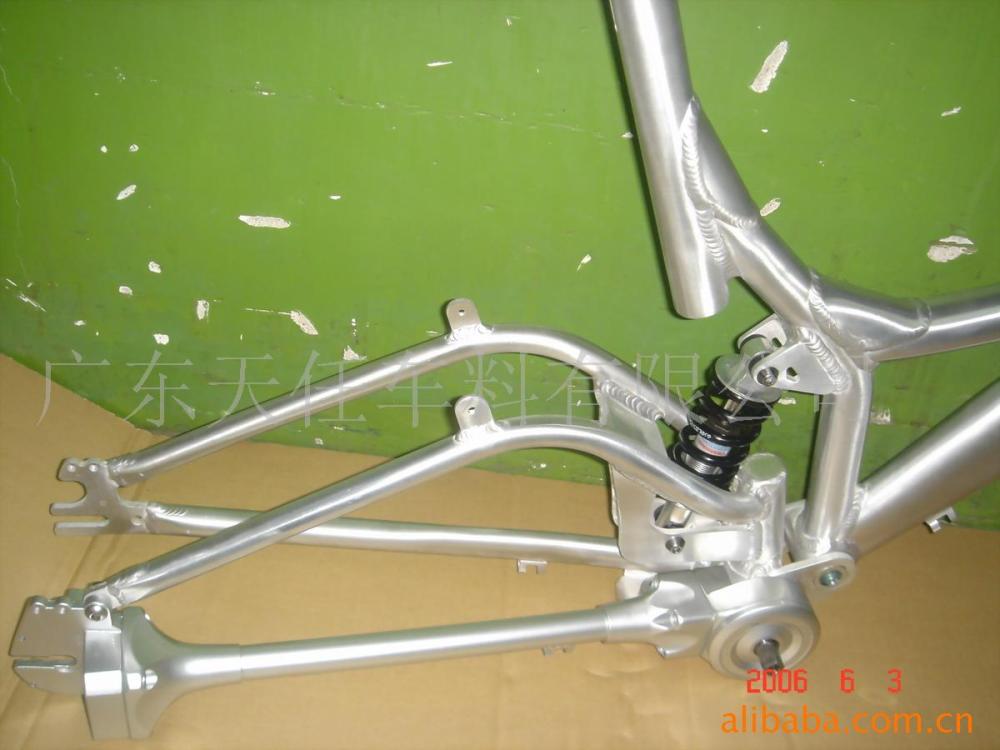
- Weld penetration and consistency (for alloy/steel) or void detection via ultrasound/X-ray (for carbon).
- Clearance checks for specified tire widths and drivetrain components.
Before committing to a high-volume order or paying for expensive proprietary molds, conducting thorough Factory Audits is essential to verify the manufacturer's in-house testing equipment and quality management systems.
MOQs, Lead Times, and Tooling Realities
When sourcing frames, you must choose between "open mold" (existing factory designs you can brand) and "private mold" (custom geometry and tube shapes). Open molds require zero tooling investment but offer no market differentiation. Private molds protect your IP but require significant upfront capital and longer development timelines.
If you are pursuing custom designs, utilizing professional OEM/ODM Services ensures your intellectual property is protected and that the factory's engineers translate your geometry charts into viable, manufacturable tube profiles.
Navigating tooling costs and MOQ negotiations can stall product launches. We can help structure your purchasing agreements to minimize upfront risk.
Get a free consultationFrequently Asked Questions
Sourcing bicycle frames requires balancing geometric precision with structural safety and unit cost. By thoroughly vetting a manufacturer's material handling and testing protocols, you can build a reliable supply chain that scales with your brand's growth.
Get Sourcing Help for Bicycle Frames
Tell us your requirements and our experts will connect you with verified manufacturers.