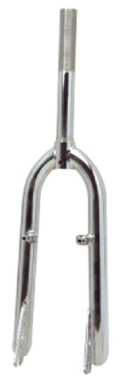
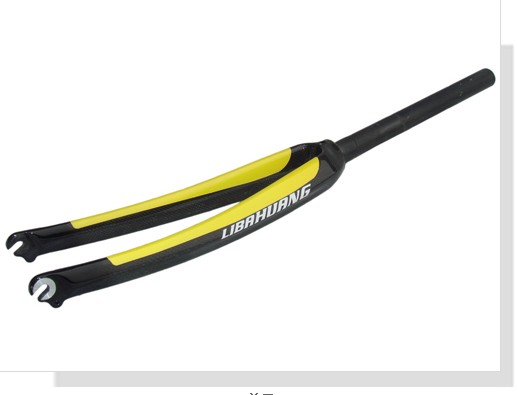
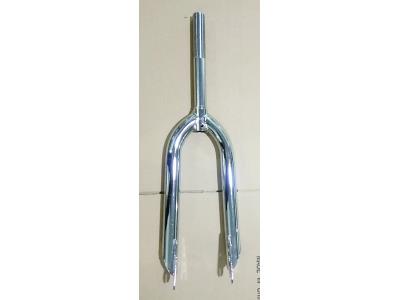
Bicycle Forks
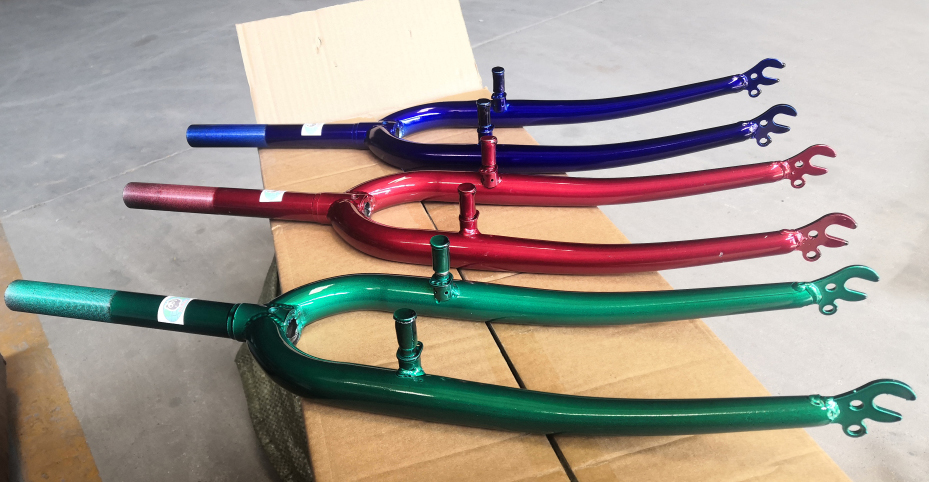
Source premium bicycle forks from vetted manufacturers and suppliers across Asia. Designed for importers, distributors, and cycling brands seeking OEM and private-label production, our network delivers reliable volume manufacturing. Secure competitive wholesale pricing and rigorous quality control for your next bulk order.
Sourcing bicycle forks at scale requires a strict balance of weight optimization, structural rigidity, and uncompromising safety standards. Whether you are procuring rigid carbon models for the road cycling market or complex air-sprung suspension forks for mountain bikes, a factory's engineering tolerances and material consistency dictate the final product's performance. For volume buyers, identifying a manufacturing partner with in-house testing capabilities and precise CNC machining is critical to avoiding catastrophic field failures and costly recalls.
Critical Specifications for Volume Procurement
When issuing a Request for Quotation (RFQ) for bicycle forks, precision in your technical specifications prevents costly misunderstandings on the factory floor. Suppliers need exact dimensional and standard requirements to accurately quote tooling and unit costs.
Essential RFQ Parameters for Bicycle Forks
- Steerer Tube Dimensions: Specify straight (e.g., 1-1/8 inch) or tapered (e.g., 1-1/8 to 1.5 inch) and exact steerer length.
- Axle Standards: Define dropout type, such as 9mm Quick Release, 15x100mm thru-axle, or 15x110mm Boost spacing.
- Brake Mounts: Specify Post Mount (PM) or Flat Mount standards, including maximum rotor size compatibility (e.g., 160mm native, up to 203mm).
- Suspension Travel & Internals: For MTB forks, define travel (e.g., 100mm, 160mm), spring type (air vs. coil), and damper cartridge specifications.
- Rake (Offset) and Axle-to-Crown: Critical geometry metrics that dictate the handling characteristics of the final bicycle build.
Material Selection and Manufacturing Nuances
The choice of material heavily influences the required manufacturing processes and the type of supplier you need to engage.
| Material | Primary Application | Manufacturing Focus |
|---|---|---|
| Carbon Fiber (T700/T800) | Road, Gravel, Premium Rigid | EPS molding for internal smoothness, precise layup schedules |
| Aluminum Alloy (6061/7075) | Suspension Stanchions, Steerers | Cold forging for crowns, precision CNC machining, hard anodizing |
| Magnesium | Suspension Lowers | High-pressure die casting, stringent anti-corrosion surface treatments |
| Chromoly Steel (4130) | BMX, Touring, Entry-level | TIG welding, brazing, post-weld heat treatment |
Need to verify a factory's die-casting or carbon layup capabilities? We can deploy engineers for comprehensive facility evaluations.
Talk to our teamQuality Control and Safety Standards
Bicycle forks are critical safety components. A failure at the steerer tube or crown can result in severe injury, making stringent Quality Control & Inspection non-negotiable.
Professional buyers must ensure their suppliers comply with international safety standards, most notably ISO 4210. Relying solely on a factory's self-reported compliance is a common pitfall; independent verification is highly recommended.
Frontal Impact Testing
Simulates a front-wheel collision. The fork must absorb a specified drop weight without exceeding deformation limits or exhibiting visible cracks.
Bending Fatigue Testing
Repeated cyclic loading (often over 100,000 cycles) applied to the dropouts to test the long-term durability of the steerer-to-crown joint.
Static Bending Test
Applies a continuous, heavy load to ensure the fork yields rather than snaps abruptly under extreme stress.
Surface & Finish Inspection
Checking suspension stanchions for micro-scratches that could tear wiper seals, and verifying the uniformity of hard-anodized coatings.
If you are developing a proprietary design, utilizing professional Compliance & Testing services during the prototyping phase ensures your product meets destination-market regulations before mass production begins.
Sourcing Economics: MOQs, Tooling, and Lead Times
The economics of sourcing bicycle forks depend heavily on whether you are purchasing off-the-shelf open molds or developing custom tooling. Open-mold designs offer lower barriers to entry, while proprietary designs require significant upfront investment but provide market differentiation.
When engaging in OEM/ODM Services for custom forks, negotiate tooling ownership upfront. Ensure your contract explicitly states that you own the molds once paid for, preventing the factory from using your proprietary geometry for other clients.
Planning a custom fork design? Let us help you negotiate tooling costs, IP protection, and production timelines with vetted manufacturers.
Get a free consultationFrequently Asked Questions
Sourcing reliable bicycle forks requires looking past the glossy catalog photos and interrogating the factory's engineering tolerances, material sourcing, and testing protocols. By partnering with manufacturers who prioritize structural integrity and consistent quality management, you protect your brand's reputation and your riders' safety.
Get Sourcing Help for Bicycle Forks
Tell us your requirements and our experts will connect you with verified manufacturers.