Bicycle Fenders
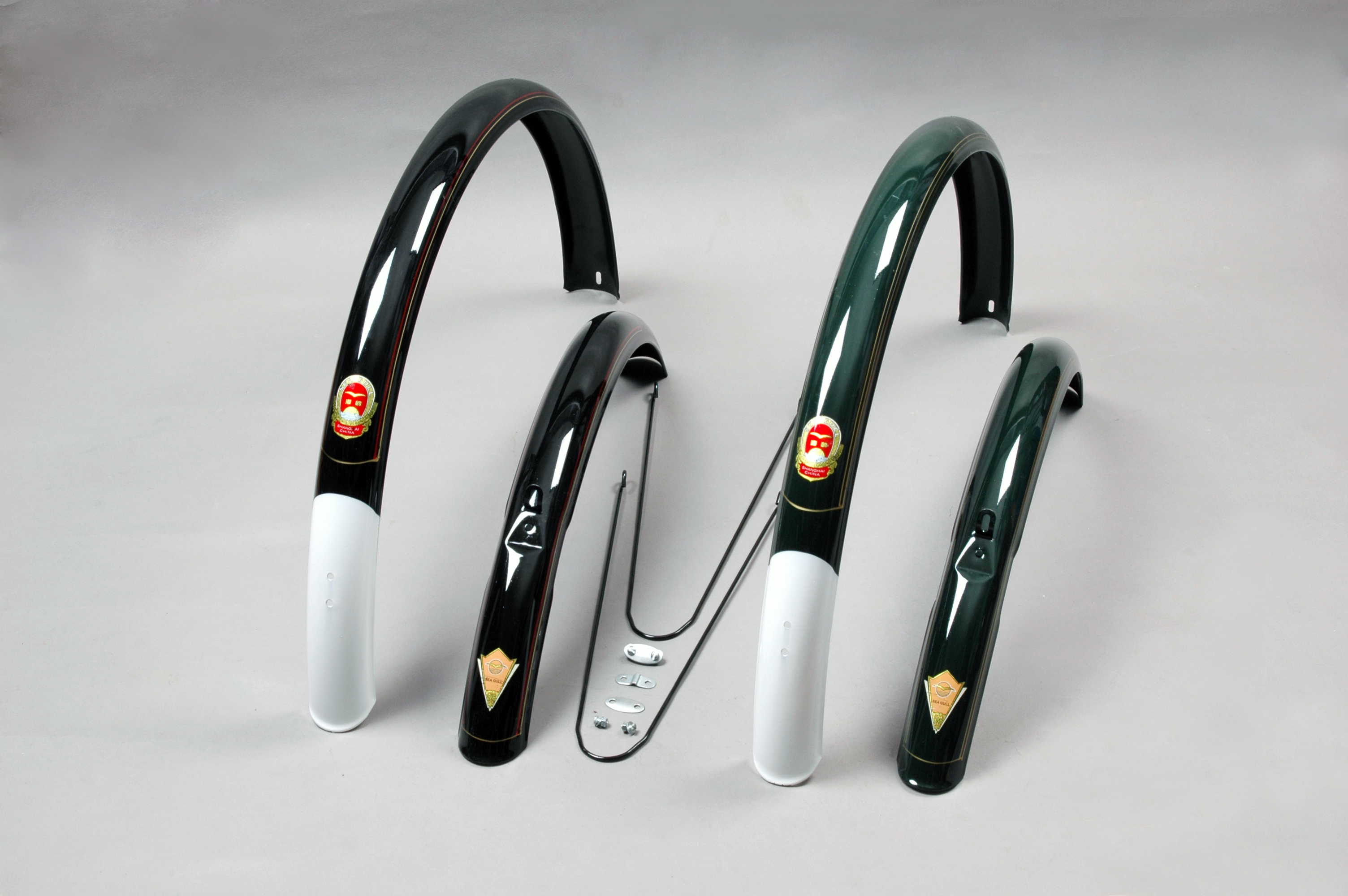
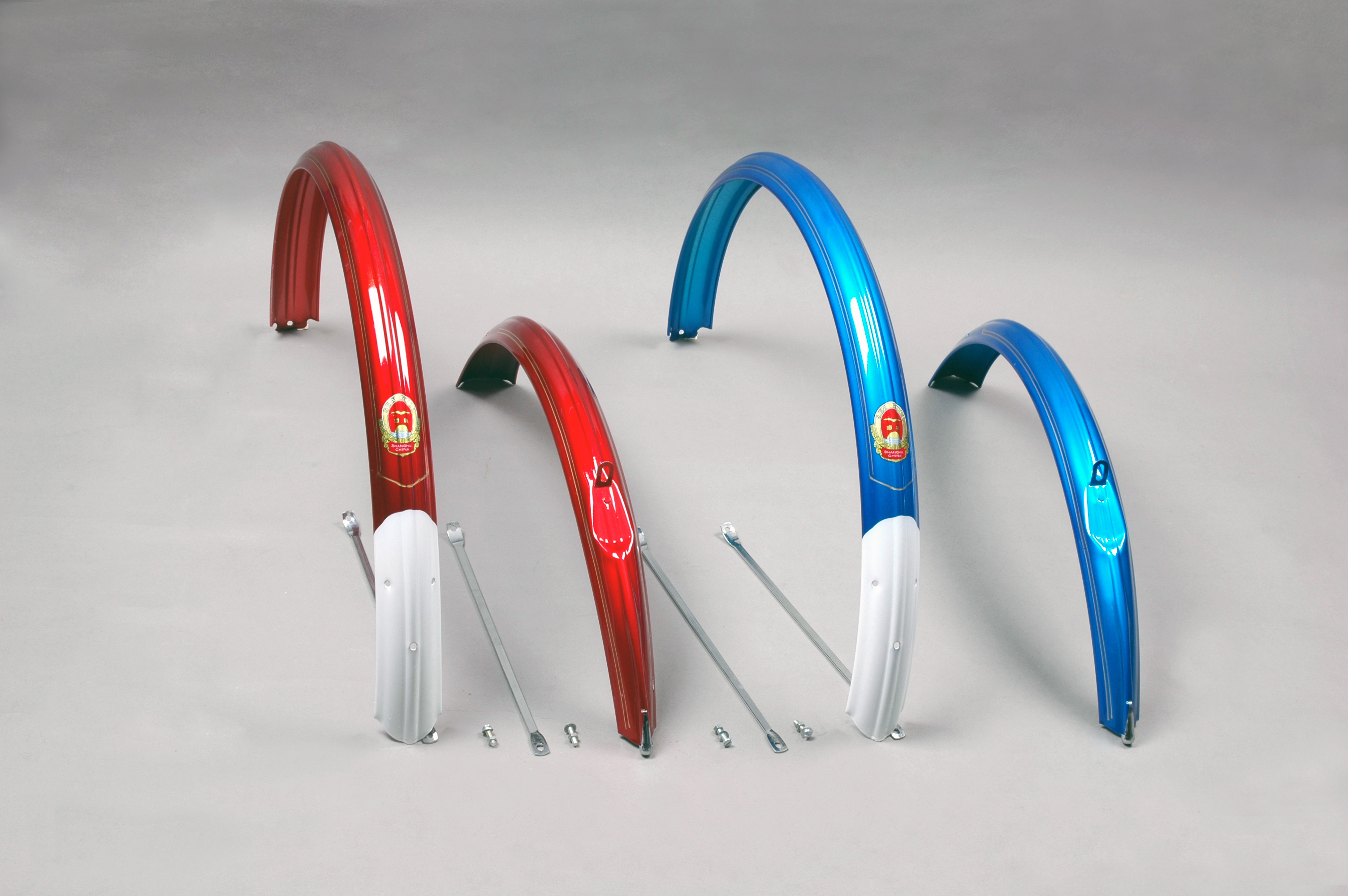
Source high-quality bicycle fenders in bulk from vetted manufacturers and wholesale suppliers. Designed for importers, distributors, and cycling brands seeking reliable OEM and private-label production, our network delivers durable, precision-molded mudguards built to withstand rigorous riding conditions and exact mounting tolerances.
Sourcing bicycle fenders at scale requires balancing material resilience with precise mounting tolerances. A fender that shatters in cold weather, warps under summer UV exposure, or rattles loose due to substandard hardware damages brand reputation quickly. For volume buyers, securing a reliable supply chain means dictating exact material compositions and enforcing strict quality standards on both the main body and the accompanying hardware.
Material Specifications and Performance
The core material dictates the fender's weight, durability, and cost. While entry-level markets often accept basic plastics, performance and commuter segments demand specific polymer blends or lightweight alloys.
| Material | Key Characteristics | Typical Application |
|---|---|---|
| Polypropylene (PP) | High flexural fatigue resistance, low cost, requires UV stabilizers. | Entry-level mountain bikes, mass-market commuters |
| Polycarbonate (PC) | Superior impact resistance, excellent cold-weather performance, higher cost. | Premium mountain bikes, gravel bikes, e-bikes |
| Aluminum Alloy | Rigid, lightweight, premium aesthetic, susceptible to denting. | Touring bikes, retro/classic builds, high-end city bikes |
| ABS Plastic | Good structural rigidity, lower impact resistance than PC, easy to paint. | Children's bikes, budget urban bicycles |
When defining your bill of materials (BOM), specify the inclusion of UV stabilizers for plastics. Standard PP without UV protection will become brittle and chalky after a single season of outdoor exposure.
Struggling with inconsistent material quality from your current supplier? Let us help you establish strict BOM requirements and find factories that adhere to them.
Talk to our teamManufacturing Tolerances and Quality Control
Most plastic bicycle fenders are produced via injection molding or extrusion. The primary challenges on the factory floor revolve around temperature control and cooling rates, which directly impact the final shape and structural integrity of the fender.
Implementing robust Quality Control & Inspection is critical before assembly or packaging begins.
Critical Factory-Floor Quality Checks
- Warpage and Deflection: Check for twisting along the longitudinal axis, usually caused by uneven cooling in the mold.
- Sink Marks: Inspect mounting bosses and reinforced ribs for surface depressions indicating improper injection pressure.
- Cold Impact Testing: Ensure plastic batches are tested at sub-zero temperatures (e.g., -10°C) to verify impact resistance without shattering.
- Hardware Corrosion Resistance: Verify that stays, bolts, and brackets pass standard salt-spray testing (minimum 48-72 hours).
The Importance of Mounting Hardware
A fender is only as good as its mounting system. Buyers often focus heavily on the fender blade while neglecting the stays and brackets. Specify Stainless Steel 304 (SS304) for all critical mounting hardware. Many budget suppliers will default to SS201 or zinc-plated steel, which will show visible rust within months of wet-weather riding. If you are utilizing OEM/ODM Services to design a custom quick-release system, ensure the locking mechanisms are tested for vibration fatigue over extended cycles.
Pricing, MOQs, and Lead Times
Understanding standard factory requirements helps you negotiate better terms and plan your inventory cycles accurately.
Tooling costs for custom fender profiles can escalate quickly depending on the size and complexity of the mold. If you are bringing a proprietary design to market, engaging in structured Product Development with a factory that has an in-house tooling workshop can significantly reduce both costs and iteration time.
Ready to scale your bicycle accessories line? We can help you negotiate favorable MOQs and manage the entire production cycle from tooling to final shipment.
Get a free consultationFrequently Asked Questions
Successful sourcing in this category requires looking past the surface aesthetic of the fender blade. By tightly controlling material additives like UV stabilizers and insisting on high-grade stainless steel for all mounting hardware, you ensure a product that survives real-world commuting. Aligning with the right manufacturing partner makes enforcing these standards a seamless part of your supply chain.
Get Sourcing Help for Bicycle Fenders
Tell us your requirements and our experts will connect you with verified manufacturers.